
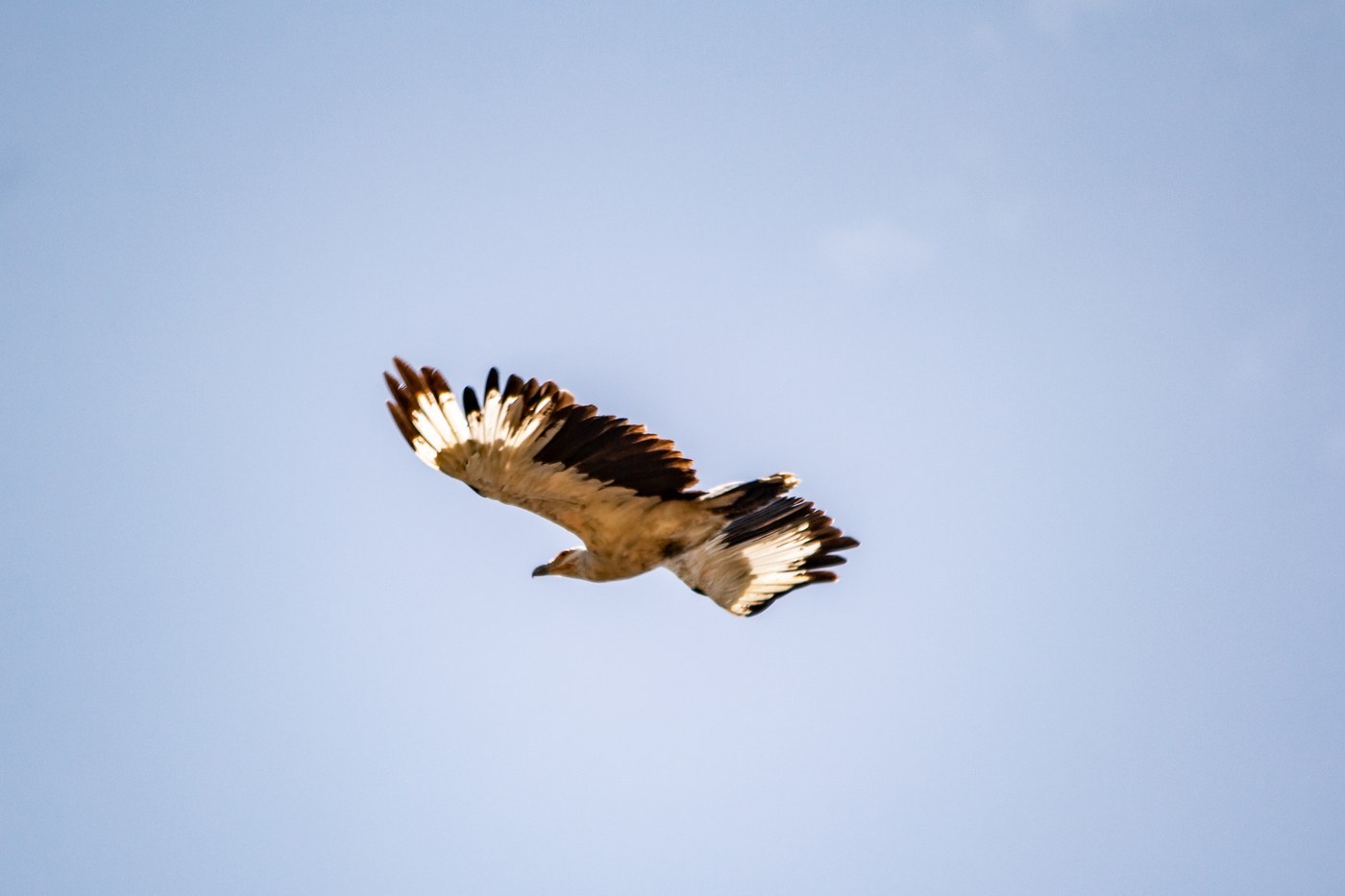
Palm-nut Vulture
Gypohierax angolensis
An unusual, mostly fruit-eating vulture with black-and-white plumage that lives near oil palms and waterways in West and Central Africa.
- Size
- 60 cm long; wingspan about 150 cm
- Habitat
- Coastal forest, mangroves, rivers, and areas with oil palms across West and Central Africa
- Type
- raptor
Spotted a bird like this?
Identify any bird from a photo, free.
Overview
The Palm-nut Vulture is an atypical Old World vulture, unique among raptors for its largely vegetarian diet centered on palm fruit. It is intermediate in appearance between a vulture and a fish eagle.
Appearance
Adults are predominantly white with glossy black flight feathers and a black tail band, resembling a large white raptor at rest. The face and throat show bare orange-red to yellow skin, and the bill is pale and hooked. Juveniles are dark brown overall and can be confused with other brown raptors until they mature over several years.
How to identify it
Key field marks
- Adults: white body with contrasting black flight feathers and a black tail band
- Bare orange to red facial skin
- Pale, hook-tipped bill
- Often seen perched near oil palms or along rivers and coasts
Similar species
Adults can superficially resemble a small African Fish Eagle, but the Fish Eagle has a chestnut body and white head/breast rather than an all-white body with black wings. Juvenile Palm-nut Vultures are dull brown and can be mistaken for other immature raptors, but their heavier build, bare facial patch, and habitat near palms help identify them.
Habitat & range
Habitat
Found near coasts, rivers, swamps, mangroves, and especially stands of oil palm and raffia palm, which provide its main food source.
Range
Widely distributed across West and Central Africa, from Senegal and Gambia east to South Sudan and south to Angola and northern South Africa, generally following the distribution of oil palms and coastal habitats.
Migration
Non-migratory and largely resident, remaining in favored palm and wetland habitats year-round.
Behavior & voice
Behavior
Unlike most vultures, Palm-nut Vultures are usually seen alone or in pairs rather than large flocks, and they spend much of their time perched in or near palm trees. They fly with slow, heavy wingbeats and soar less frequently than typical vultures.
Voice
Generally quiet; occasionally gives harsh cackling or croaking calls, particularly near the nest.
Feeding
The fibrous outer husk of oil palm and raffia palm fruits makes up the bulk of the diet, supplemented with carrion, crabs, mollusks, locusts, and occasionally small fish or amphibians taken along shorelines.
Nesting and breeding
Builds a large stick nest high in a tree, often a palm, near water. A single egg is typically laid, with both parents involved in incubation and care of the chick.
Frequently asked questions
What does a Palm-nut Vulture eat?
Mostly the fibrous husk of oil palm and raffia palm fruit, making it unusually fruit-dependent for a vulture, along with crabs, mollusks, and occasional carrion.
How can you identify a Palm-nut Vulture?
Adults show a white body with black flight feathers and tail band, bare orange facial skin, and a pale hooked bill, often seen perched near palm trees or water.
Is the Palm-nut Vulture a true vulture?
It belongs to the vulture family but has an atypical, largely plant-based diet unlike other Old World vultures, which are mainly obligate carrion feeders.
Where does the Palm-nut Vulture live?
It is found across West and Central Africa in coastal areas, mangroves, and near rivers wherever oil palms grow.
Palm-nut Vulture guides
In-depth guides for identifying, finding, and understanding Palm-nut Vulture.
Other birds you may enjoy
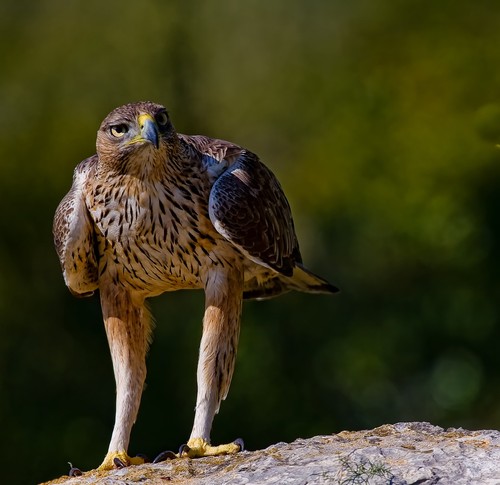
Bonelli's Eagle
Body 65–72 cm (26–28 in); wingspan 150–180 cm (59–71 in)
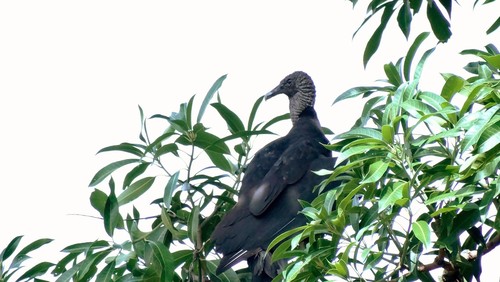
Black Vulture
56-68 cm (22-27 in) long, 137-165 cm wingspan
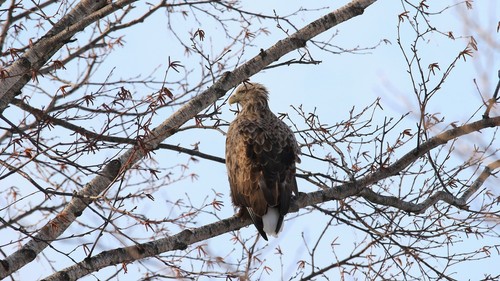
White-tailed Eagle
66-94 cm body length; wingspan 178-245 cm, among the largest eagles in the world
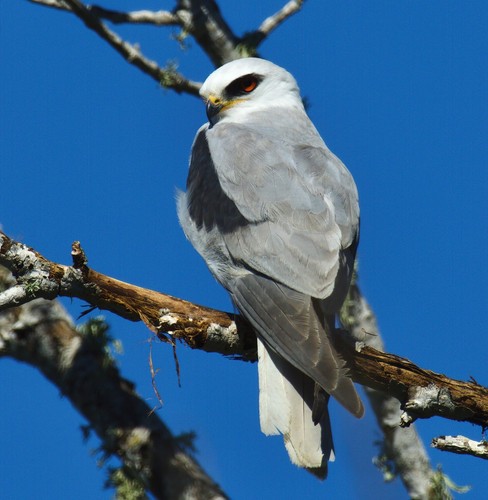
White-tailed Kite
35-43 cm (14-17 in) long, 88-102 cm (35-40 in) wingspan
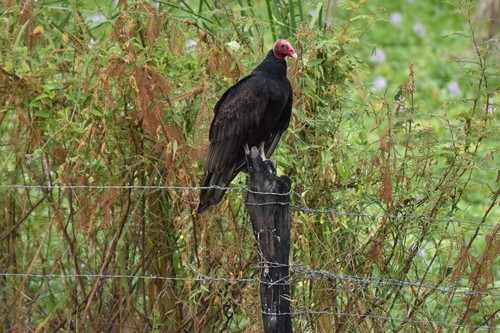
Turkey Vulture
64-81 cm (25-32 in) long, 160-183 cm wingspan
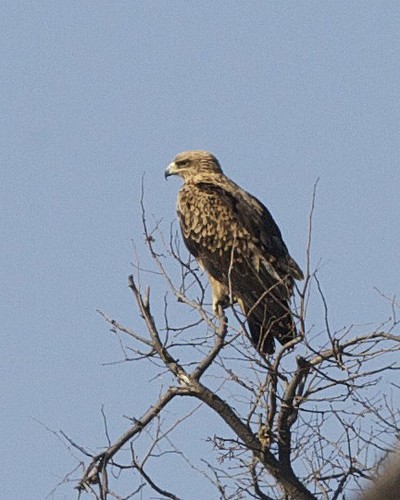
Tawny Eagle
62–75 cm long; wingspan 1.65–2.0 m
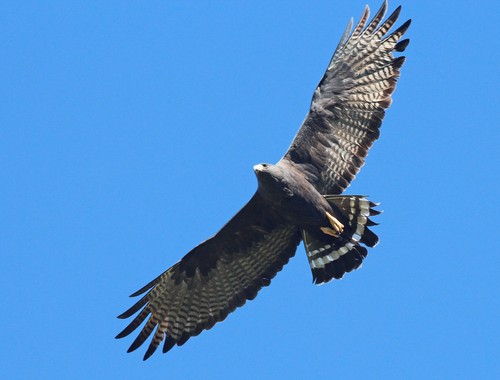
Zone-tailed Hawk
46-56 cm (18-22 in) long, 118-140 cm (46-55 in) wingspan
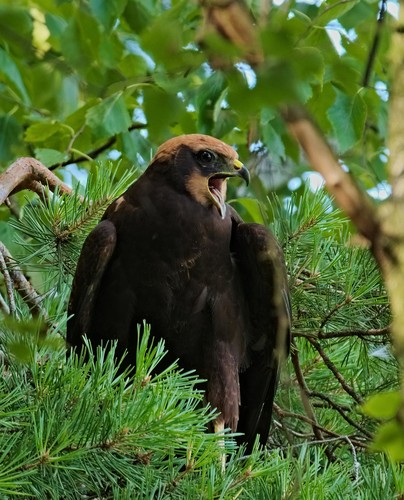
Western Marsh Harrier
Body 43-56 cm; wingspan 115-140 cm
Swallow-tailed Kite
48-68 cm (19-27 in) long including tail streamers, 112-136 cm (44-54 in) wingspan
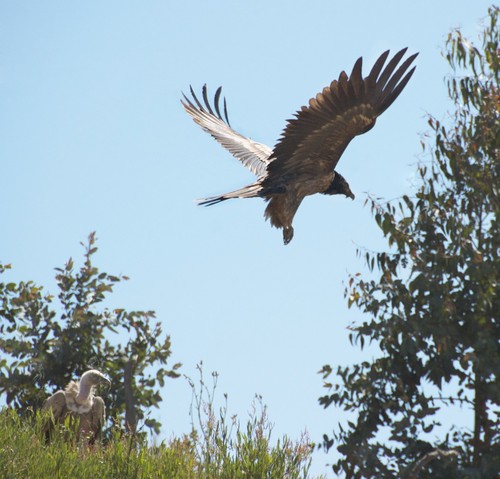
White-backed Vulture
78-98 cm long, wingspan 1.96-2.25 m
Yellow-billed Kite
55-60 cm long; wingspan 130-155 cm
White-tailed Hawk
46-59 cm (18-23 in) long, 122-142 cm (48-56 in) wingspan