
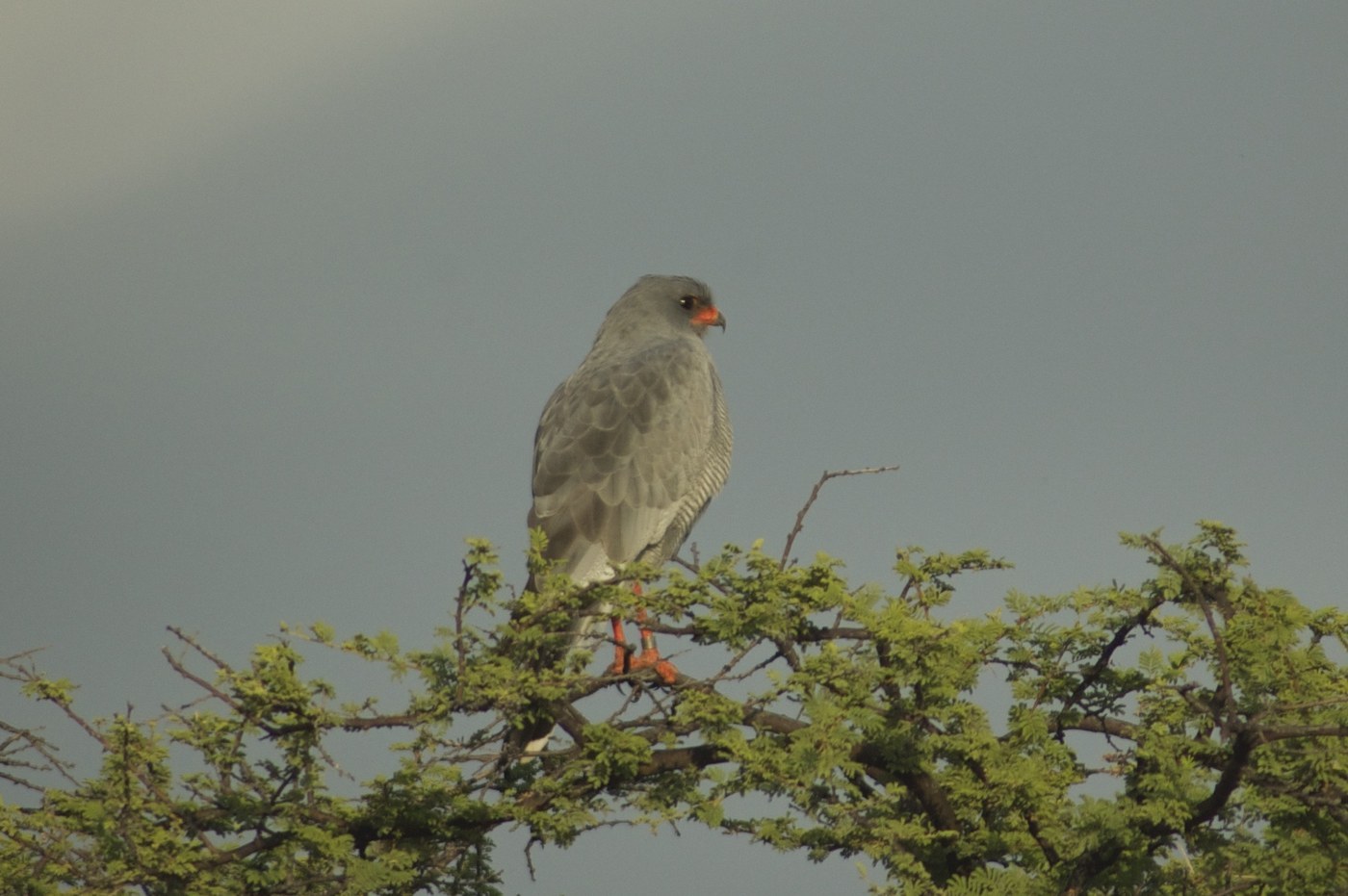
Pale Chanting Goshawk
Melierax canorus
A pale gray hawk of southern Africa's arid regions, known for its melodious whistled call and habit of hunting alongside mammals that flush prey.
- Size
- 42-52 cm long; wingspan about 100-115 cm
- Habitat
- Arid savanna, semi-desert, and scrubland of southern Africa
- Type
- raptor
Spotted a bird like this?
Identify any bird from a photo, free.
Overview
The Pale Chanting Goshawk is a medium-sized raptor of the drier regions of southern Africa, named for the whistling, song-like calls it delivers, particularly in the breeding season.
Appearance
Adults are pale gray on the head, breast, and upperparts, with a white lower belly and undertail finely barred with gray. The tail is white with black barring, most visible in flight. Long orange-red legs and cere stand out against the pale plumage, and the eye is dark. Juveniles are browner and more heavily streaked, with duller yellow-green legs that redden with maturity.
How to identify it
Key field marks
- Pale gray head and breast contrasting with white lower belly
- Long, bright orange-red legs
- White tail with black barring, conspicuous in flight
- Often perched prominently on roadside poles or low bushes in arid habitat
Similar species
The Dark Chanting Goshawk, found further north and in overlapping range in parts of southern Africa, is darker gray overall with less contrast between breast and belly and duller legs. Southern Pale Chanting Goshawks can also be confused with other gray hawks, but the combination of long orange legs, barred white tail, and arid habitat is diagnostic.
Habitat & range
Habitat
Inhabits arid and semi-arid savanna, Karoo scrub, and semi-desert with scattered trees or bushes for perching, typically in open, dry terrain.
Range
Endemic to southern Africa, occurring in Namibia, Botswana, South Africa, and parts of southern Angola and Zimbabwe.
Migration
Generally resident and sedentary, holding territories year-round, though some local movements can occur in response to prey availability.
Behavior & voice
Behavior
Pale Chanting Goshawks are often seen perched conspicuously on poles, fence posts, or low trees, scanning the ground for prey. They are notable for a loose association with terrestrial predators such as honey badgers and jackals, following them to catch small animals flushed by the mammal's foraging, and sometimes hunt on foot, chasing prey through low vegetation.
Voice
The species is named for its musical, fluty whistled call, a series of clear piping notes given especially during courtship display flights, unusually melodious for a raptor.
Feeding
Preys on lizards, small mammals such as rodents and small hares, birds, and large insects, hunting from a perch or while walking on the ground.
Nesting and breeding
Builds a stick nest in the crown of a tree, often an acacia. Typically lays one to three eggs, incubated mainly by the female; both parents help provision the growing chicks.
Frequently asked questions
Why is it called a 'chanting' goshawk?
It gets its name from its distinctive musical, whistled call, delivered in a fluty, song-like series of notes, especially during breeding displays.
How do you identify a Pale Chanting Goshawk?
Look for pale gray upperparts and breast, white lower belly, a black-and-white barred tail, and long bright orange-red legs, typically perched in open arid habitat.
Does the Pale Chanting Goshawk really follow other animals to hunt?
Yes, it is known to loosely associate with terrestrial hunters like honey badgers, following them to catch small prey disturbed by their foraging.
Where is the Pale Chanting Goshawk found?
It is endemic to the arid and semi-arid regions of southern Africa, including Namibia, Botswana, and South Africa.
Pale Chanting Goshawk guides
In-depth guides for identifying, finding, and understanding Pale Chanting Goshawk.
Other birds you may enjoy
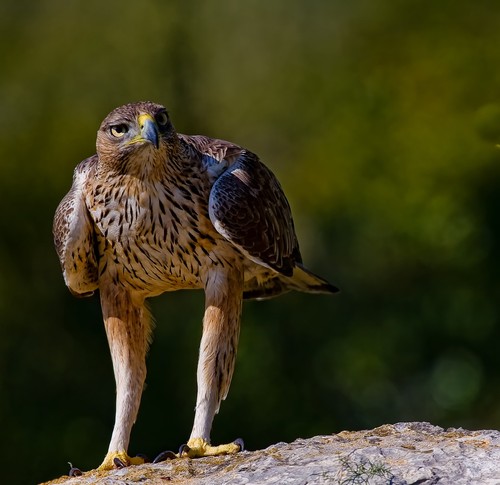
Bonelli's Eagle
Body 65–72 cm (26–28 in); wingspan 150–180 cm (59–71 in)
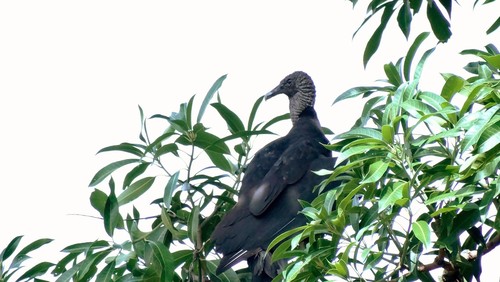
Black Vulture
56-68 cm (22-27 in) long, 137-165 cm wingspan
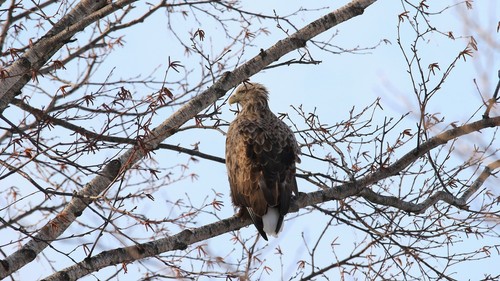
White-tailed Eagle
66-94 cm body length; wingspan 178-245 cm, among the largest eagles in the world
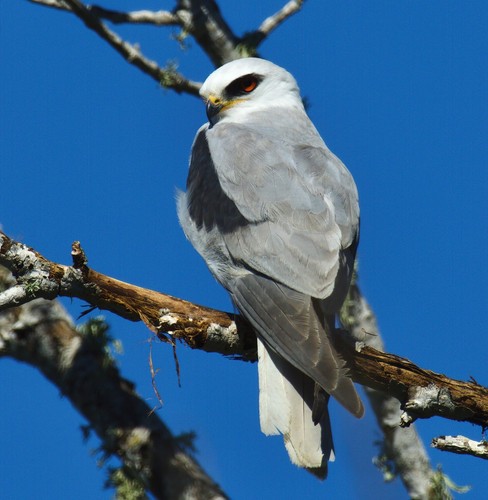
White-tailed Kite
35-43 cm (14-17 in) long, 88-102 cm (35-40 in) wingspan
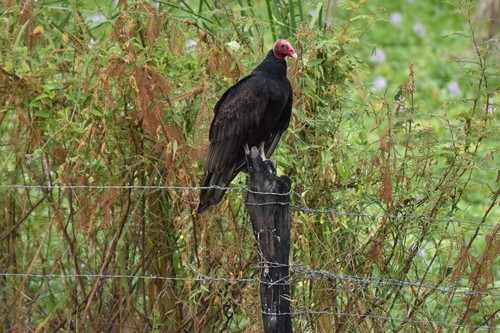
Turkey Vulture
64-81 cm (25-32 in) long, 160-183 cm wingspan
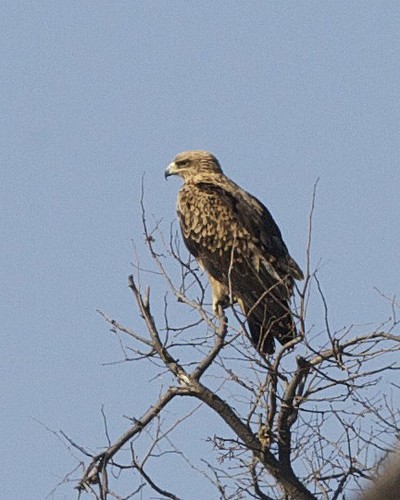
Tawny Eagle
62–75 cm long; wingspan 1.65–2.0 m
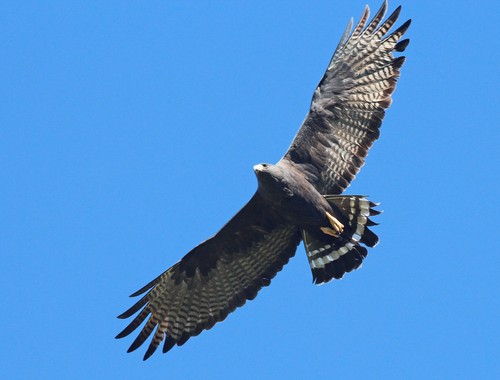
Zone-tailed Hawk
46-56 cm (18-22 in) long, 118-140 cm (46-55 in) wingspan
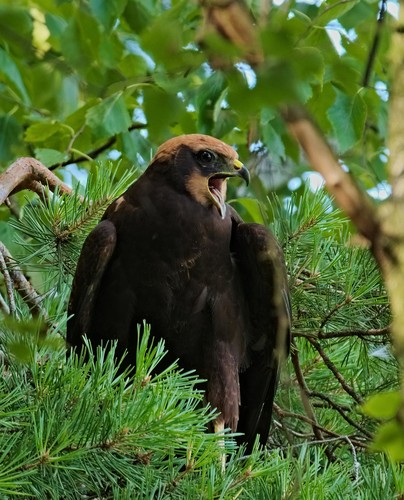
Western Marsh Harrier
Body 43-56 cm; wingspan 115-140 cm
Swallow-tailed Kite
48-68 cm (19-27 in) long including tail streamers, 112-136 cm (44-54 in) wingspan
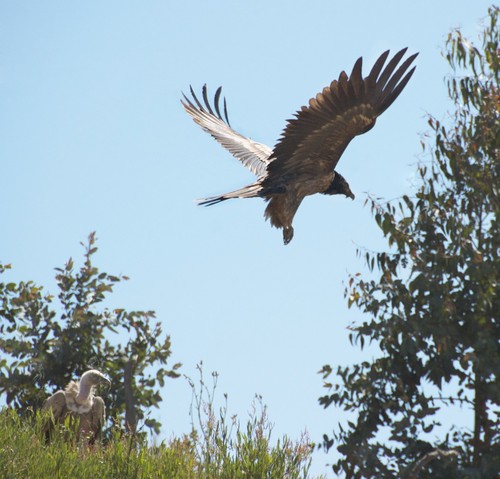
White-backed Vulture
78-98 cm long, wingspan 1.96-2.25 m
Yellow-billed Kite
55-60 cm long; wingspan 130-155 cm
White-tailed Hawk
46-59 cm (18-23 in) long, 122-142 cm (48-56 in) wingspan