
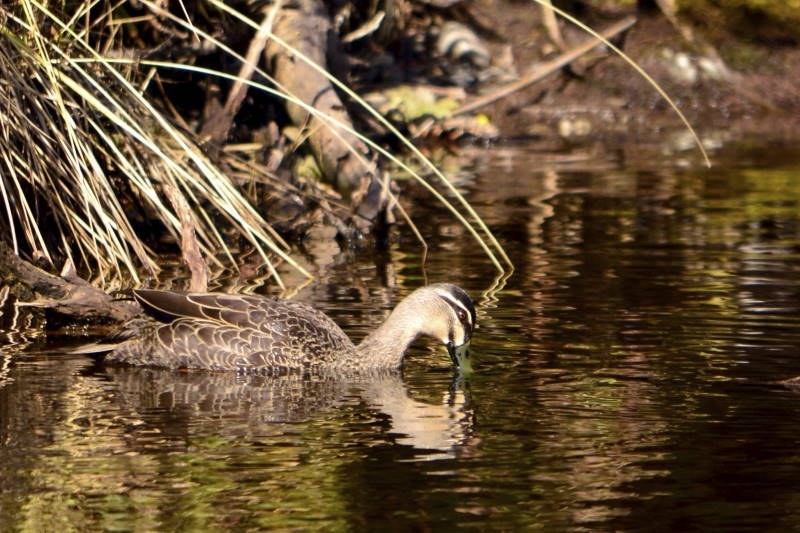
Pacific Black Duck
Anas superciliosa
Australia's most widespread dabbling duck, mottled dark brown with a bold dark eye-stripe and cream-buff face.
- Size
- 48-60 cm (19-24 in) long
- Habitat
- wetlands, rivers, lakes, estuaries, and farm dams across Australia
- Type
- waterfowl
Spotted a bird like this?
Identify any bird from a photo, free.
Overview
The Pacific Black Duck is the archetypal Australian dabbling duck, found on virtually every kind of wetland across the continent. It is a richly mottled dark brown duck overall, with each feather edged paler to create a scaled appearance, a pale cream-buff face crossed by two bold blackish stripes through and below the eye, and an iridescent green-and-black speculum bordered with white, visible as a flash on the folded wing or in flight.
Sexes look alike, unusual among ducks, and the species lacks the vivid seasonal plumage changes seen in many other waterfowl. It is closely related to the Mallard, with which it can hybridise where the introduced Mallard occurs, sometimes producing birds of intermediate appearance and creating conservation concern about genetic swamping of the native species.
As Australia's most familiar duck, the Pacific Black Duck is a common sight on everything from remote outback waterholes to suburban ponds and city parks.
How to identify it
Key field marks
- Overall dark brown, scaly-mottled plumage on both sexes
- Pale cream-buff face with two bold dark stripes through and below the eye
- Iridescent green speculum bordered with white and black
- Dark bill, sometimes with a bluish tinge at the base in males
Similar species
The Australian Wood Duck female is paler and streakier with a less bold facial pattern and a shorter bill, and behaves more like a grazing goose. The introduced Mallard, where present, has a much more colourful male plumage (or, in hybrids, patchy colouring and a curled tail feather); female Mallards are paler and buffier than Pacific Black Ducks and lack the bold double facial stripe. Grey Teal and Chestnut Teal are smaller with plainer faces and lack the strong dark eye-stripes.
Habitat & range
Habitat
This highly adaptable species uses almost any wetland habitat, including rivers, lakes, swamps, estuaries, coastal lagoons, farm dams, and urban ponds, with or without dense vegetation.
Range
It is found throughout Australia, including arid interior waterholes when filled by rain, as well as New Zealand and many Pacific islands.
Migration
Pacific Black Ducks are largely sedentary where water is permanent but are highly nomadic in arid and semi-arid regions, moving widely and rapidly to exploit temporary wetlands after rain.
Behavior & voice
Behavior
It is a dabbling duck, feeding at or near the water's surface and up-ending to reach submerged vegetation, and is often seen in pairs or small to large flocks depending on season and food availability.
Voice
The female gives the familiar loud, descending quack typical of dabbling ducks, while the male's call is quieter and softer.
Feeding
It feeds by dabbling, up-ending, and occasionally diving for aquatic plants, seeds, and invertebrates such as insects, molluscs, and crustaceans, and also grazes on land at times.
Nesting and breeding
Nests are built on the ground among dense waterside vegetation, in tree hollows, or in old stick nests of other birds, often well concealed; the female incubates and cares for the precocial ducklings, which can swim and feed themselves soon after hatching.
Frequently asked questions
How can I identify a Pacific Black Duck?
Look for its overall dark mottled-brown plumage and the bold pale face crossed by two dark stripes through and below the eye.
Do male and female Pacific Black Ducks look different?
No, unlike most ducks, the sexes look almost identical.
Where are Pacific Black Ducks found?
They occur on almost any wetland across Australia, from remote outback waterholes to city parks, as well as in New Zealand and parts of the Pacific.
Do Pacific Black Ducks hybridise with Mallards?
Yes, where introduced Mallards occur they can interbreed with Pacific Black Ducks, which is a conservation concern in some areas.
What do Pacific Black Ducks eat?
They eat aquatic plants, seeds, and invertebrates obtained by dabbling and up-ending in shallow water.
Pacific Black Duck guides
In-depth guides for identifying, finding, and understanding Pacific Black Duck.
Other birds you may enjoy
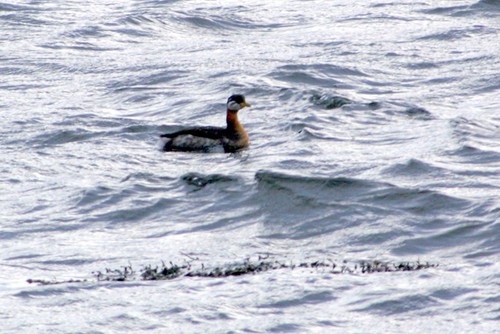
Red-necked Grebe
40-55 cm (16-22 in) long, 77-85 cm wingspan
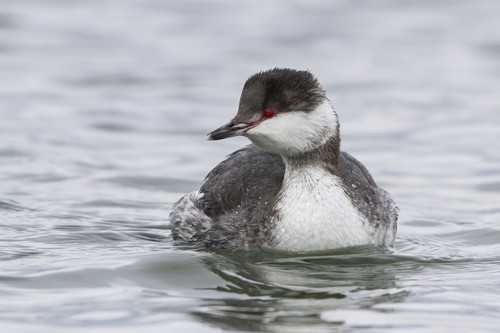
Horned Grebe
31-38 cm (12-15 in) long, 46-55 cm wingspan
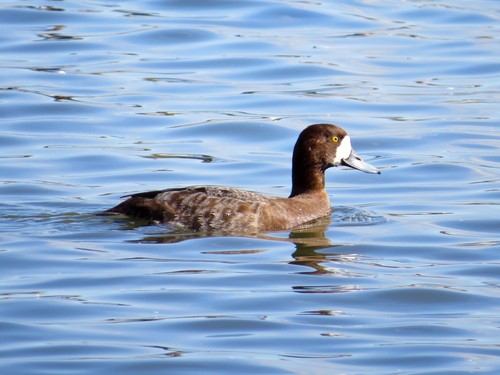
Greater Scaup
42-51 cm (16.5-20 in) long, 71-84 cm wingspan
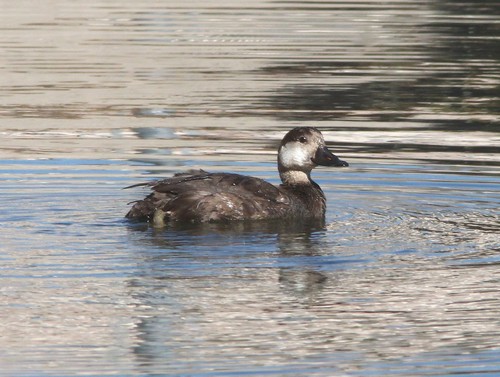
Black Scoter
43-54 cm (17-21 in) long, 79-90 cm wingspan
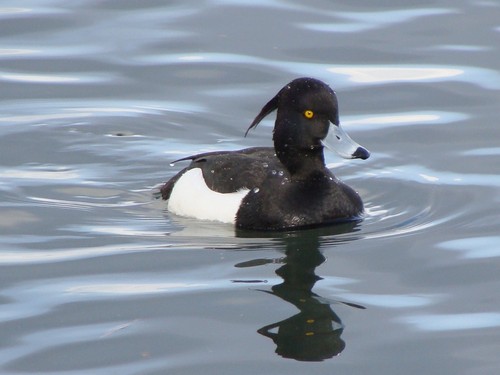
Tufted Duck
40-47 cm (16-18.5 in) long, 67-73 cm wingspan
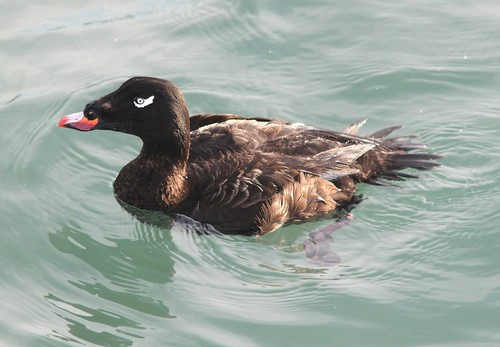
White-winged Scoter
48-58 cm (19-23 in) long, 86-99 cm wingspan
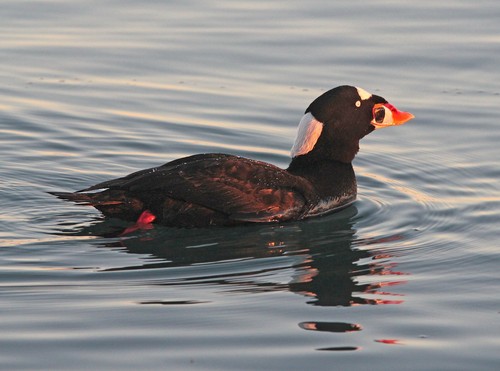
Surf Scoter
45-56 cm (18-22 in) long, 78-92 cm wingspan
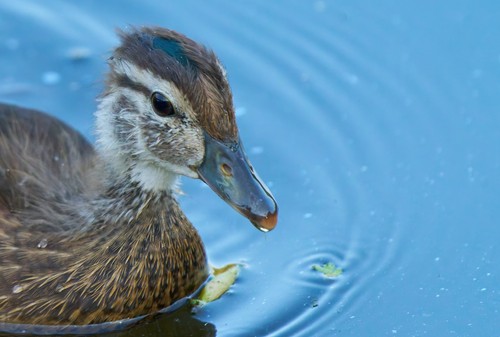
Wood Duck
47-54 cm (18.5-21 in) long, 66-73 cm wingspan
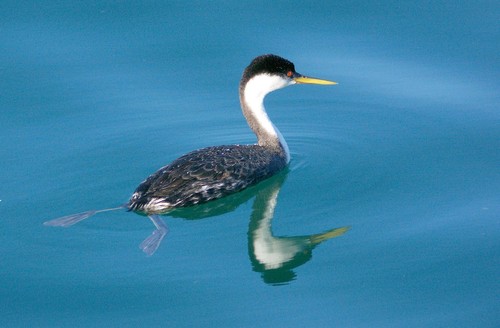
Western Grebe
56-74 cm (22-29 in) long, 79-102 cm wingspan
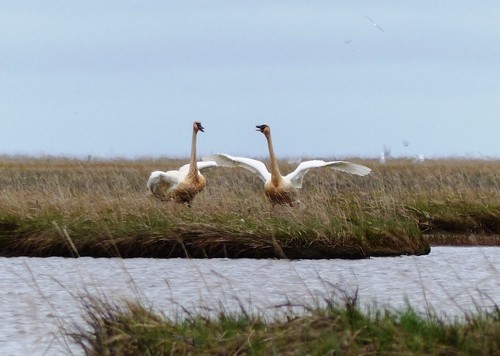
Tundra Swan
115-150 cm (45-59 in) long, about 180 cm wingspan
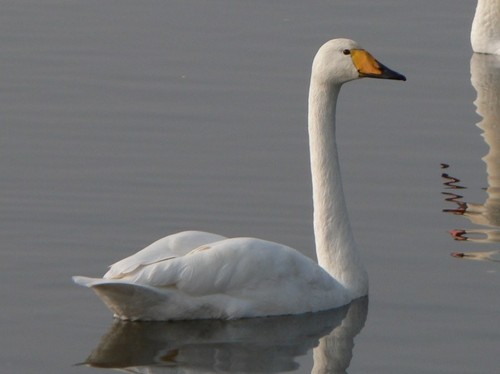
Whooper Swan
140-165 cm (55-65 in) long, 205-235 cm wingspan
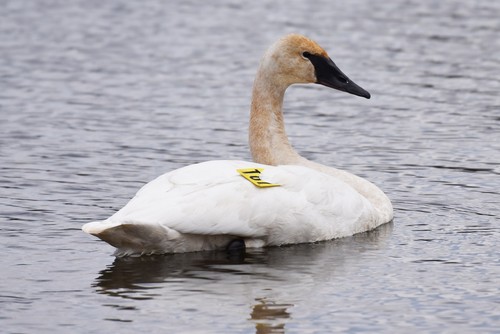
Trumpeter Swan
150-180 cm (59-71 in) long, up to 300 cm wingspan