
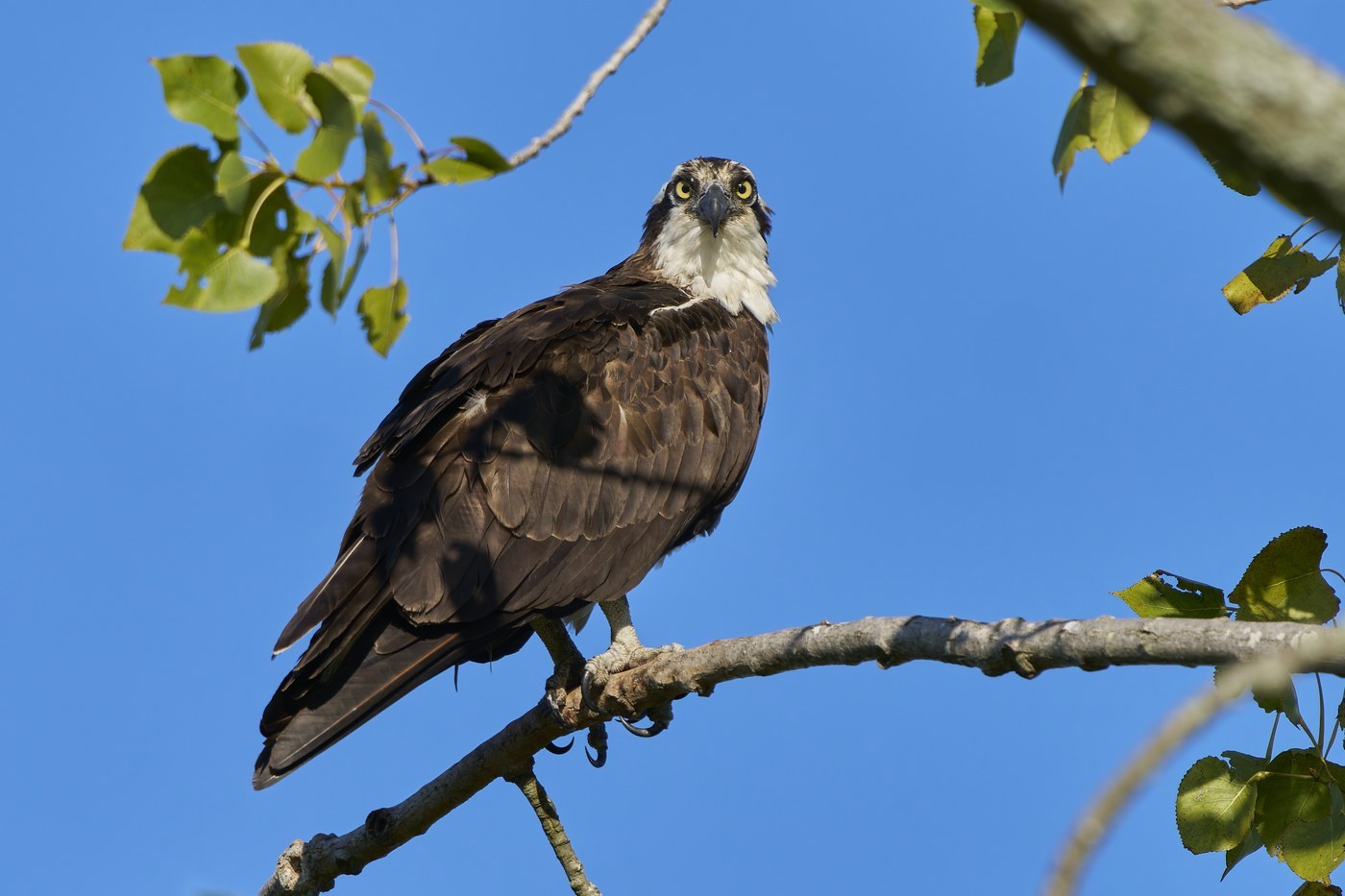
Osprey
Pandion haliaetus
A large, fish-eating hawk found near water nearly worldwide, easily known by its white underparts, dark eye-stripe, and dramatic feet-first dive for fish.
- Size
- 53-62 cm (21-24 in) long, 152-167 cm (60-66 in) wingspan
- Habitat
- lakes, rivers, reservoirs, and coastal waters with abundant fish
- Type
- raptor
Spotted a bird like this?
Identify any bird from a photo, free.
Overview
The Osprey is a large, distinctive raptor found near water on every continent except Antarctica, and is the only member of its family. Highly specialized for catching fish, it has clean white underparts and head, a bold dark stripe through the eye, and a dark brown back, giving it a strikingly contrasted appearance both perched and in flight.
In flight, the wings are held with a distinctive bend at the wrist, giving a gull-like, slightly kinked silhouette that is often the quickest way to identify an Osprey at a distance.
How to identify it
Key field marks
- Clean white head and underparts with a bold dark eye-stripe
- Dark brown back and upperwings
- Long wings held with a distinctive crook or bend at the wrist in flight
- Dark carpal patches visible on the underwing
Similar species
Bald Eagle (immature) can show extensive white but has a much larger, heavier build, a solid dark eye area rather than a crisp stripe, and flat (not kinked) wings in flight. No other North American raptor combines the Osprey's clean white underparts with its gull-like, bent-wing flight silhouette.
Habitat & range
Habitat
Found near virtually any body of water with abundant fish and suitable nest sites: lakes, rivers, reservoirs, marshes, and coastal bays and estuaries.
Range
One of the most widely distributed raptors in the world. In North America, breeds across much of Canada and the United States, particularly near coasts, lakes, and rivers. Most North American Ospreys are long-distance migrants, wintering in Central and South America, with a smaller number remaining year-round in the mildest parts of their range, such as Florida.
Behavior & voice
Behavior
Ospreys hunt by hovering or circling over water and then plunging feet-first, sometimes fully submerging, to seize fish near the surface with sharply curved talons. A reversible outer toe and spiny footpads help them grip slippery prey securely, and they typically carry fish head-forward to reduce wind resistance in flight.
Voice
Gives a series of high, clear, whistled notes, often a repeated "cheep-cheep-cheep," especially around the nest.
Feeding and nesting
Diet is almost exclusively live fish, caught in dramatic dives. Builds a large stick nest, often on top of dead trees, channel markers, utility poles, or purpose-built nesting platforms, frequently reused and expanded across many breeding seasons.
Frequently asked questions
How do you identify an Osprey?
Look for a white head and underparts with a bold dark eye-stripe, a dark brown back, and long wings held with a distinctive bend at the wrist in flight.
How does an Osprey catch fish?
It hovers or circles over water, then dives feet-first, sometimes submerging completely, and grips slippery fish with sharply curved talons and a reversible outer toe.
What do Ospreys eat?
Almost exclusively live fish, caught directly from the water.
Where do Ospreys nest?
In large stick nests built on dead trees, utility poles, channel markers, or artificial nesting platforms, usually near water, and often reused for many years.
Do Ospreys migrate?
Most North American Ospreys are long-distance migrants that winter in Central and South America, though some in the mildest regions, like Florida, remain year-round.
Osprey guides
In-depth guides for identifying, finding, and understanding Osprey.
Osprey identified by the community
Real birds identified with Bird Identifier.
Other birds you may enjoy
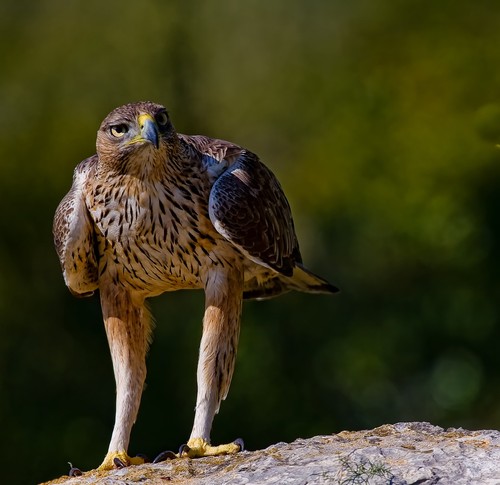
Bonelli's Eagle
Body 65–72 cm (26–28 in); wingspan 150–180 cm (59–71 in)
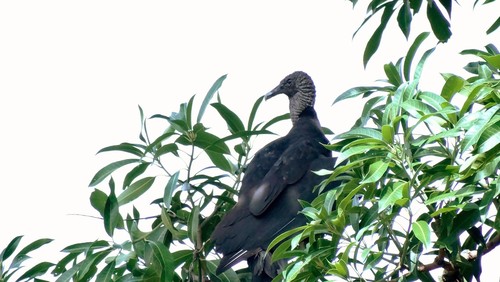
Black Vulture
56-68 cm (22-27 in) long, 137-165 cm wingspan
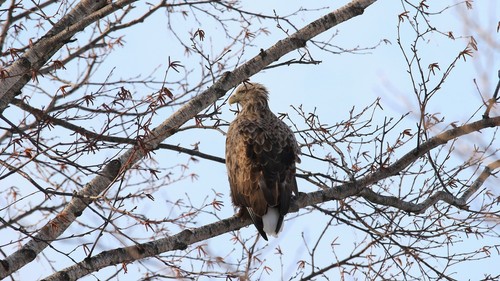
White-tailed Eagle
66-94 cm body length; wingspan 178-245 cm, among the largest eagles in the world
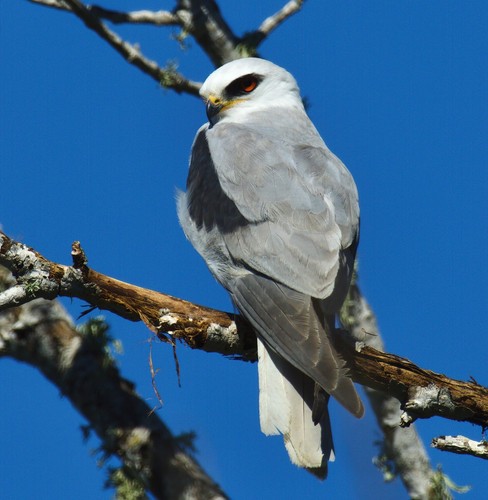
White-tailed Kite
35-43 cm (14-17 in) long, 88-102 cm (35-40 in) wingspan
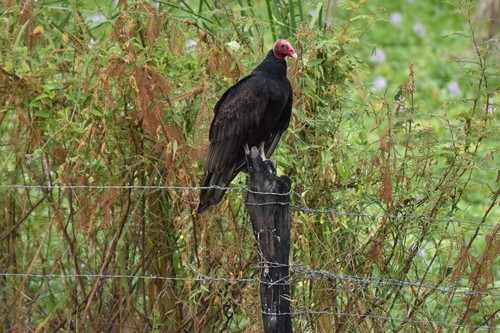
Turkey Vulture
64-81 cm (25-32 in) long, 160-183 cm wingspan
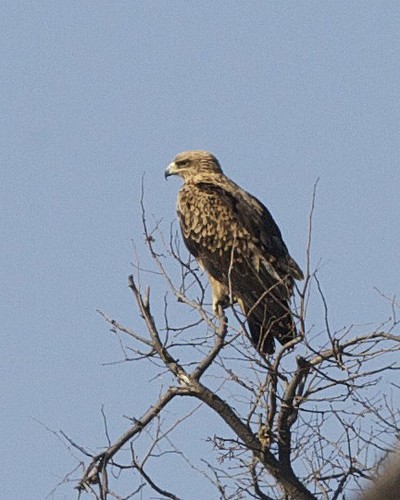
Tawny Eagle
62–75 cm long; wingspan 1.65–2.0 m
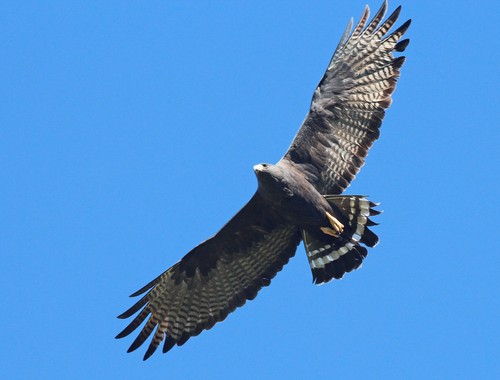
Zone-tailed Hawk
46-56 cm (18-22 in) long, 118-140 cm (46-55 in) wingspan
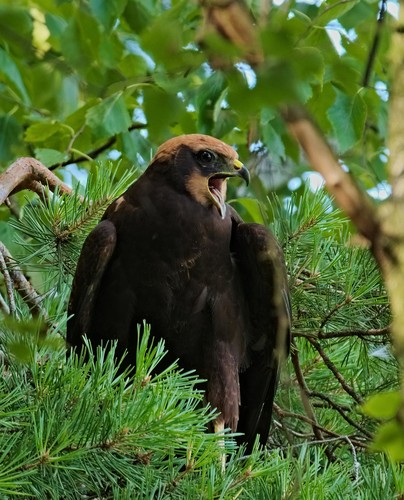
Western Marsh Harrier
Body 43-56 cm; wingspan 115-140 cm
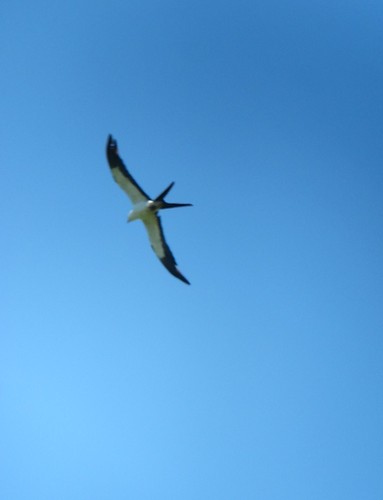
Swallow-tailed Kite
48-68 cm (19-27 in) long including tail streamers, 112-136 cm (44-54 in) wingspan
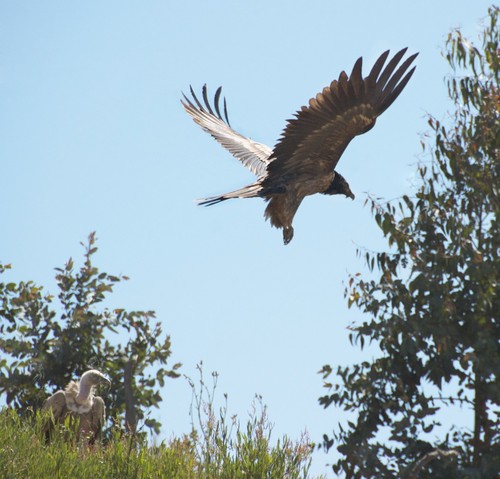
White-backed Vulture
78-98 cm long, wingspan 1.96-2.25 m
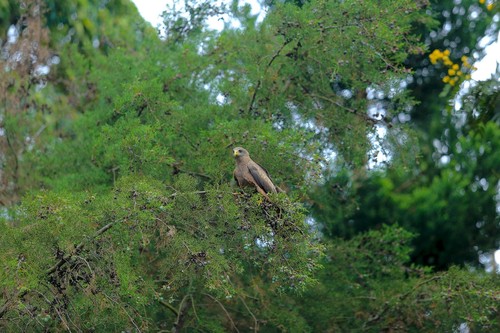
Yellow-billed Kite
55-60 cm long; wingspan 130-155 cm
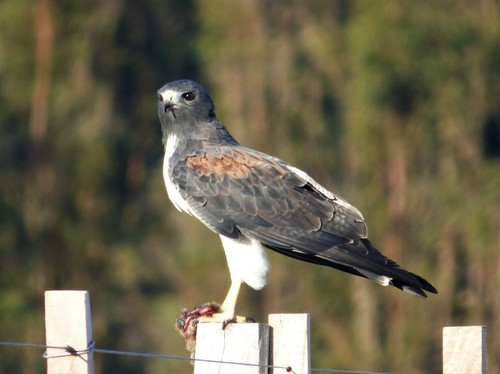
White-tailed Hawk
46-59 cm (18-23 in) long, 122-142 cm (48-56 in) wingspan