
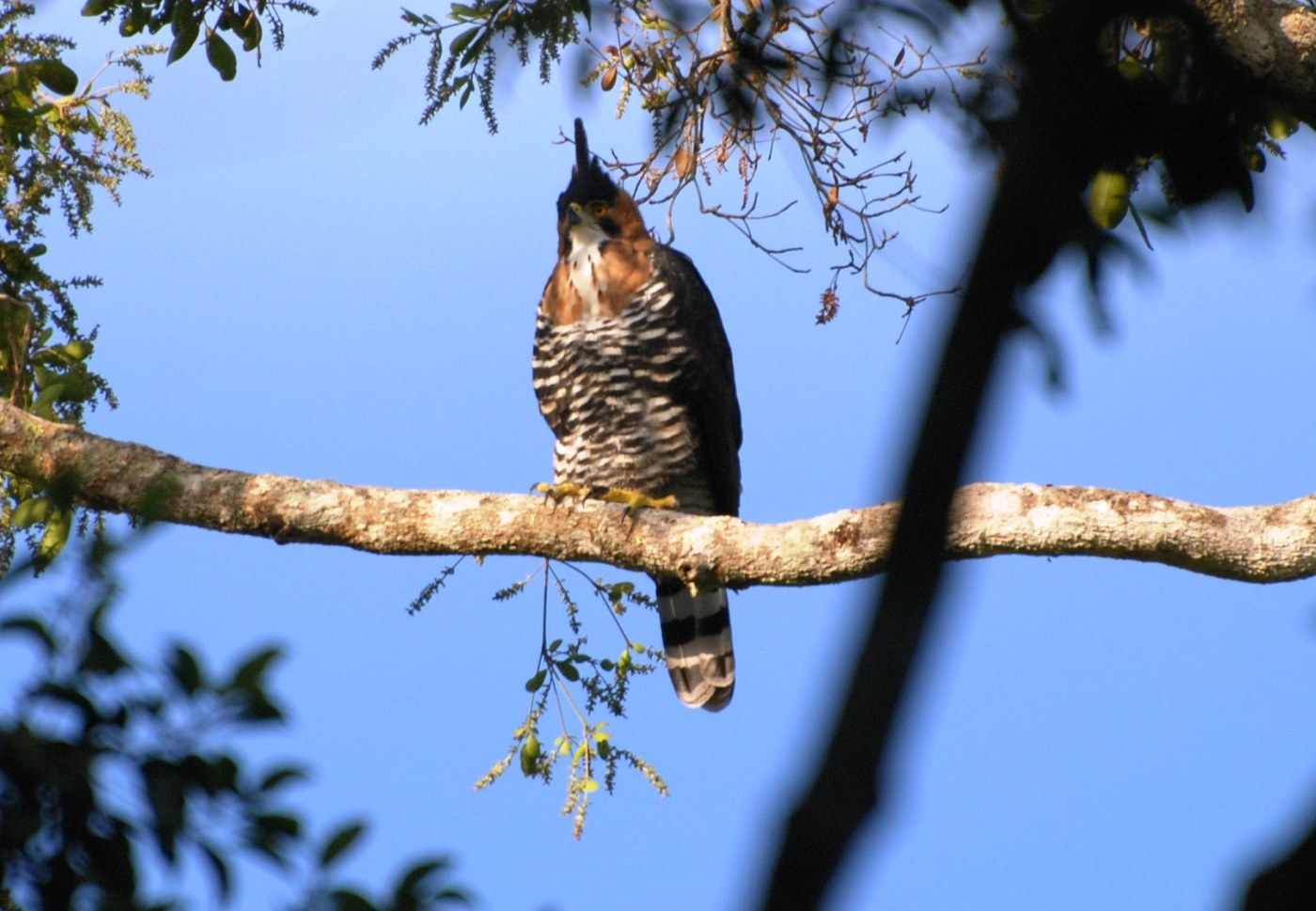
Ornate Hawk-Eagle
Spizaetus ornatus
A powerful, crested forest eagle with a striking black-and-rufous head pattern and boldly barred underparts, a top predator of the Neotropical canopy.
- Size
- 56-68 cm (22-27 in) long, 117-142 cm wingspan
- Habitat
- humid lowland and foothill forest
- Type
- raptor
Spotted a bird like this?
Identify any bird from a photo, free.
Overview
The Ornate Hawk-Eagle is one of the most spectacular raptors of the Neotropics, combining fierce power with striking beauty. Adults have a black crest, a rufous-chestnut band across the sides of the neck and upper breast, a white throat bordered by a black malar stripe, and boldly black-and-white barred flanks and belly. Juveniles look quite different, being mostly white below with a pale head, gradually acquiring adult plumage over several years. As a formidable canopy predator, it plays an important ecological role at the top of the forest food web.
How to identify it
Key field marks
- Prominent black crest, often raised.
- Rufous-chestnut breast band; white throat with black malar stripe.
- Bold black-and-white barring on belly and flanks.
- Broad, rounded wings and long tail typical of forest-adapted eagles.
Similar species
Black Hawk-Eagle lacks the rufous breast band and has more uniformly barred underparts with a different head pattern. Juvenile Ornate Hawk-Eagles, being largely white, can suggest other pale raptors but their bulk, crest, and forest habits help distinguish them.
Habitat & range
Ornate Hawk-Eagles inhabit humid lowland and foothill forest, generally below about 1,500 m, ranging from Mexico through Central America and across much of South America to northern Argentina. They require large tracts of relatively intact forest to support hunting territories and are sensitive to deforestation, contributing to their Near Threatened status.
Behavior & voice
Voice
A loud, high-pitched series of whistled notes, often given in flight during territorial or courtship displays over the forest canopy.
Feeding
A powerful predator, it hunts birds and mammals up to the size of medium monkeys, opossums, and large game birds, typically ambushing prey from a concealed perch or in swift pursuit through the canopy.
Nesting and breeding
Pairs build a large stick nest high in an emergent forest tree, and breeding is spaced out over a long cycle, often more than a year between successful nesting attempts, with a single egg typically laid. Both parents help provision the slow-growing chick, which remains dependent for many months after fledging.
Frequently asked questions
What does an Ornate Hawk-Eagle eat?
Primarily birds and mammals, including monkeys, opossums, squirrels, and large game birds, captured with powerful ambush attacks.
Why is the Ornate Hawk-Eagle Near Threatened?
It requires large areas of intact forest for hunting territories and has a slow breeding cycle, making it vulnerable to deforestation and habitat fragmentation.
How do juveniles differ from adults?
Juveniles are largely white below with a pale head, quite unlike the rufous-and-black-barred pattern of adults, and take a few years to attain full adult plumage.
Where does the Ornate Hawk-Eagle live?
In humid lowland and foothill forest from Mexico through Central America and across much of South America.
Ornate Hawk-Eagle guides
In-depth guides for identifying, finding, and understanding Ornate Hawk-Eagle.
Other birds you may enjoy
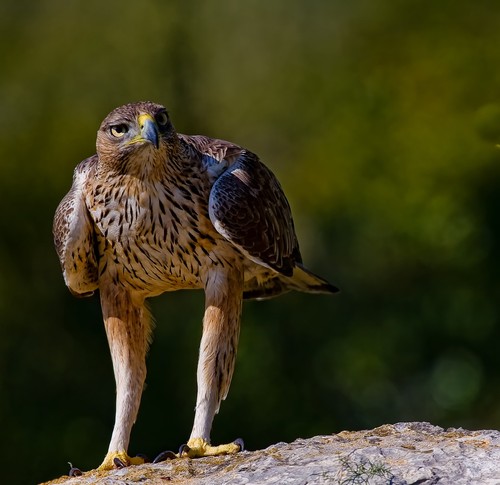
Bonelli's Eagle
Body 65–72 cm (26–28 in); wingspan 150–180 cm (59–71 in)
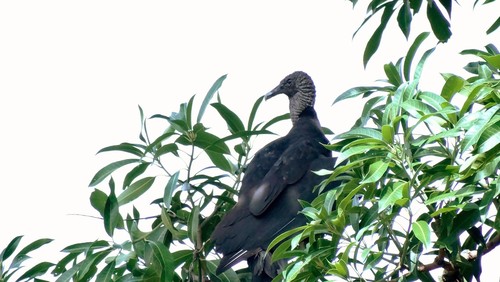
Black Vulture
56-68 cm (22-27 in) long, 137-165 cm wingspan
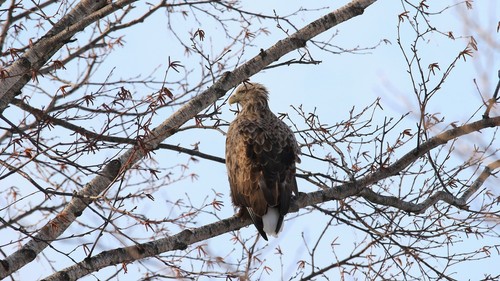
White-tailed Eagle
66-94 cm body length; wingspan 178-245 cm, among the largest eagles in the world
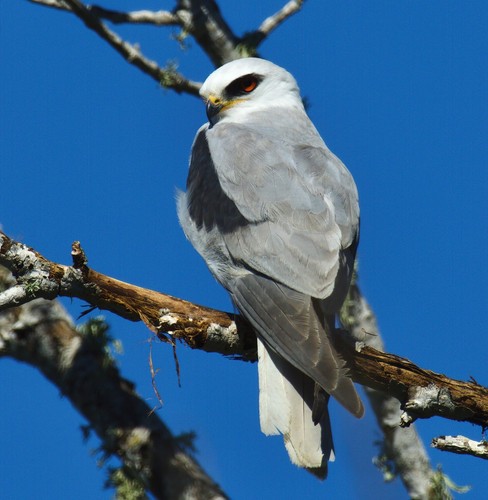
White-tailed Kite
35-43 cm (14-17 in) long, 88-102 cm (35-40 in) wingspan
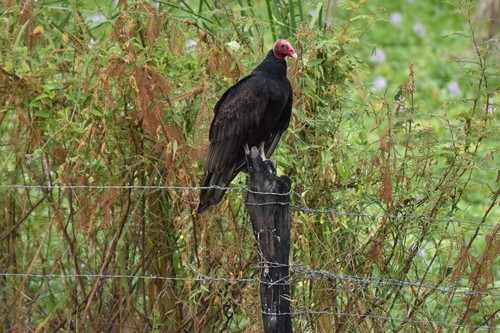
Turkey Vulture
64-81 cm (25-32 in) long, 160-183 cm wingspan
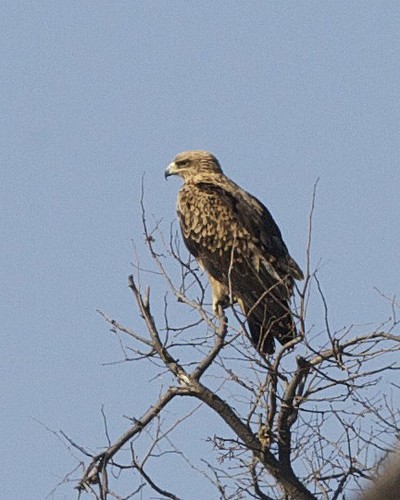
Tawny Eagle
62–75 cm long; wingspan 1.65–2.0 m
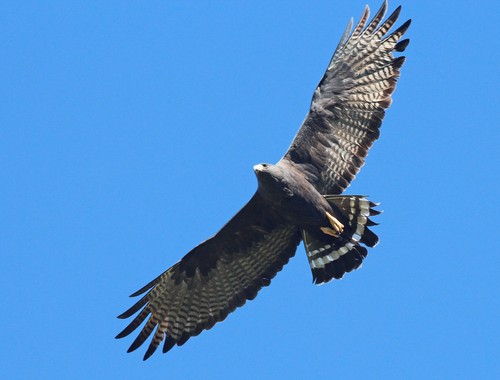
Zone-tailed Hawk
46-56 cm (18-22 in) long, 118-140 cm (46-55 in) wingspan
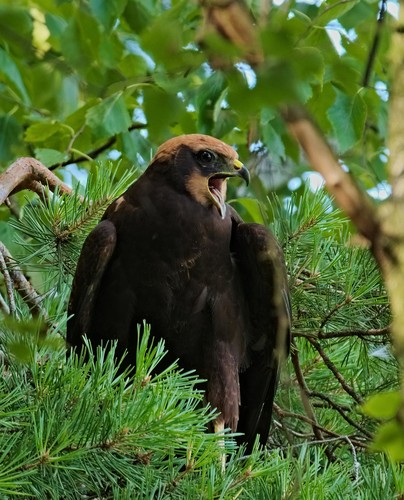
Western Marsh Harrier
Body 43-56 cm; wingspan 115-140 cm
Swallow-tailed Kite
48-68 cm (19-27 in) long including tail streamers, 112-136 cm (44-54 in) wingspan
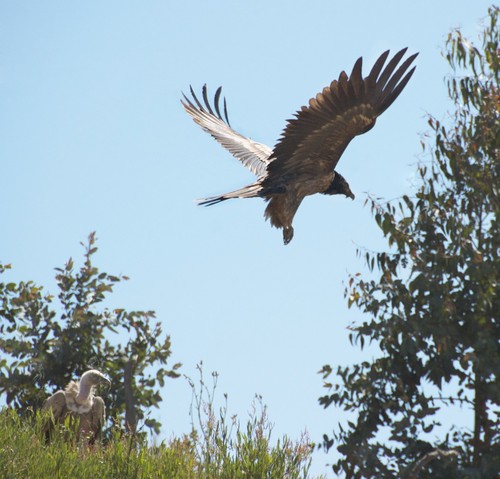
White-backed Vulture
78-98 cm long, wingspan 1.96-2.25 m
Yellow-billed Kite
55-60 cm long; wingspan 130-155 cm
White-tailed Hawk
46-59 cm (18-23 in) long, 122-142 cm (48-56 in) wingspan