
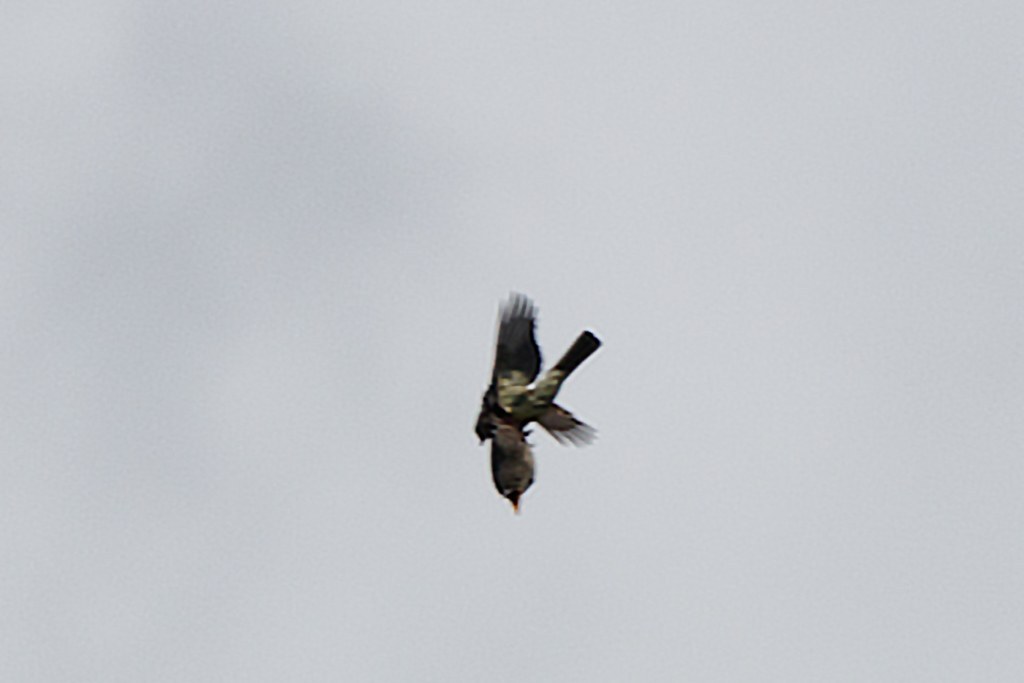
Olive-sided Flycatcher
Contopus cooperi
A large, big-headed flycatcher known for its exuberant 'quick, THREE BEERS!' song, often perched high atop a dead conifer snag.
- Size
- 18-20 cm (7-8 in) long, 32-34 cm wingspan
- Habitat
- coniferous forest edges, burns, and boreal forest openings across North America
- Type
- songbird
Spotted a bird like this?
Identify any bird from a photo, free.
Overview
The Olive-sided Flycatcher is a large, robust, big-headed flycatcher of coniferous forests, easily recognized by its distinctive plumage pattern: dark olive-gray sides and flanks that form a vested appearance, separated by a white stripe down the center of the breast, sometimes likened to an unbuttoned vest. It habitually perches on the very top of a dead snag or exposed branch, often at the edge of a forest opening or burn, giving it excellent visibility for spotting flying insect prey.
The species' cheerful, far-carrying song, often rendered as "quick, THREE BEERS!", is one of the most recognizable sounds of montane and boreal forests in summer. Populations have declined significantly in recent decades, likely linked to habitat loss on both breeding and wintering grounds, leading to its Near Threatened status.
How to identify it
Key Field Marks
- Large size and a big, blocky head for a flycatcher
- Dark olive-gray patches on the sides of the breast forming a "vested" look, separated by a white stripe down the center
- Short tail and long wings extending well past the tail base
- Often shows a small tuft of white plumage on the flanks near the rump, sometimes visible as "cotton puffs"
Similar Species
- Eastern Wood-Pewee and Western Wood-Pewee are smaller, lack the vested breast pattern, and have proportionally smaller heads.
- No other North American flycatcher shares this distinctive dark-sided, white-striped breast pattern.
Habitat & range
Olive-sided Flycatchers breed across boreal and montane coniferous forests of Canada, Alaska, and the western mountains and cooler parts of the northeastern United States, favoring forest edges, burned areas, bogs, and other openings with scattered tall dead trees for perching.
The species undertakes one of the longest migrations of any North American flycatcher, wintering primarily in the Andes of South America.
Behavior & voice
Voice
Sings a loud, cheerful, far-carrying "quick, THREE BEERS!", one of the most distinctive and easily learned flycatcher songs in North America; also gives a sharp pip-pip-pip call.
Feeding
Sallies from a high, exposed perch to catch flying insects, especially favoring bees, wasps, and winged ants, often making long aerial sorties and returning to the same conspicuous perch.
Nesting
Builds a shallow, loosely constructed cup nest of twigs, typically placed far out on a horizontal conifer branch, well concealed by needles from above.
Frequently asked questions
What does the Olive-sided Flycatcher's song sound like?
It sings a loud, cheerful phrase often rendered as 'quick, THREE BEERS!', one of the most distinctive and recognizable bird songs of North American conifer forests.
How do I identify an Olive-sided Flycatcher?
Look for a large, big-headed flycatcher with dark olive-gray sides forming a vested pattern separated by a white breast stripe, typically perched atop a dead snag.
Why is the Olive-sided Flycatcher considered Near Threatened?
Populations have declined substantially in recent decades, likely due to loss of mature coniferous forest and burned-forest habitat on the breeding grounds as well as habitat changes on its South American wintering grounds.
Where does the Olive-sided Flycatcher spend the winter?
It migrates long distances to winter primarily in the Andes Mountains of South America.
Olive-sided Flycatcher guides
In-depth guides for identifying, finding, and understanding Olive-sided Flycatcher.
Other birds you may enjoy
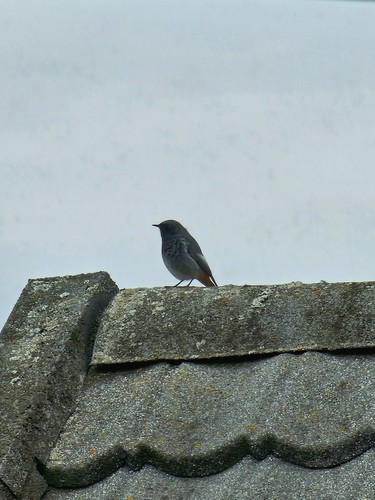
Black Redstart
13-14.5 cm (5.1-5.7 in) long, 23-26 cm wingspan
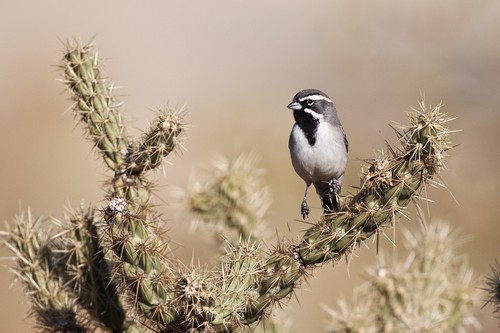
Black-throated Sparrow
12-14 cm (4.7-5.5 in) long, about 19-20 cm (7.5-8 in) wingspan
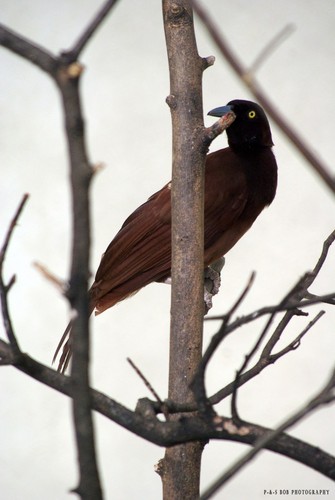
Greater Bird-of-paradise
Body about 43 cm; males with additional flank plumes up to 50 cm and long tail wires
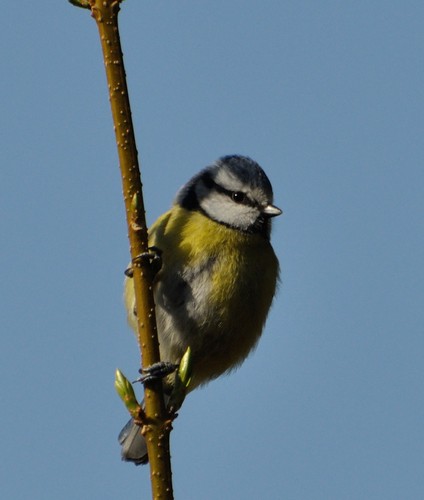
Blue Tit
11-12 cm (4.3-4.7 in) long, 17-20 cm wingspan

Red-billed Quelea
11.5–13 cm long, wingspan about 20–22 cm
White-plumed Antbird
13-14 cm (5-5.5 in) long
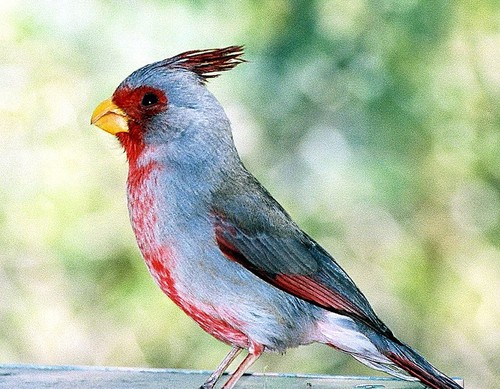
Pyrrhuloxia
19-22 cm (7.5-8.7 in) long, 30 cm wingspan
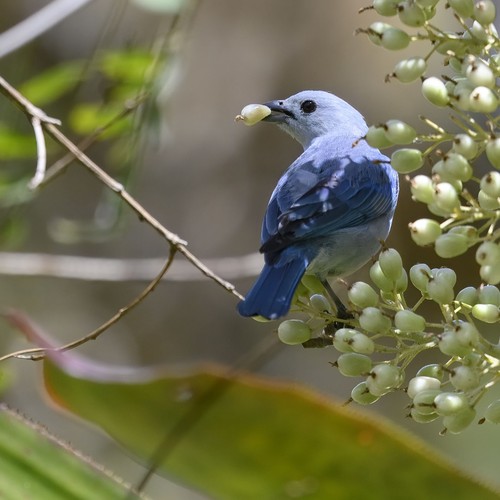
Blue-gray Tanager
16-18 cm (6-7 in) long
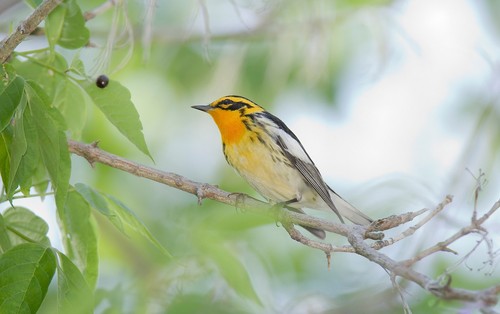
Blackburnian Warbler
11-13 cm (4.3-5.1 in) long, 20-22 cm wingspan
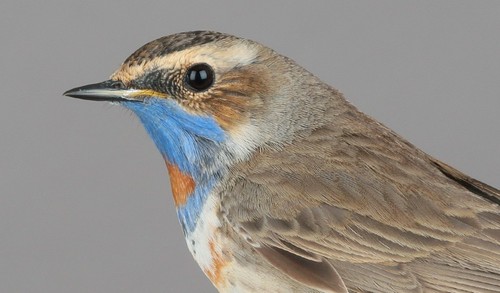
Bluethroat
13-14 cm (5.1-5.5 in) long, 20-22 cm wingspan
Eurasian Nuthatch
12-14.5 cm (4.7-5.7 in) long, 22.5-27 cm wingspan
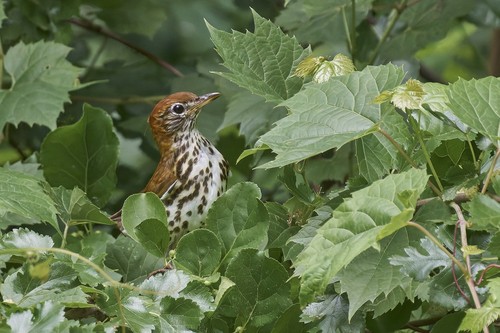
Wood Thrush
19-21 cm (7.5-8.3 in) long, about 33 cm (13 in) wingspan