
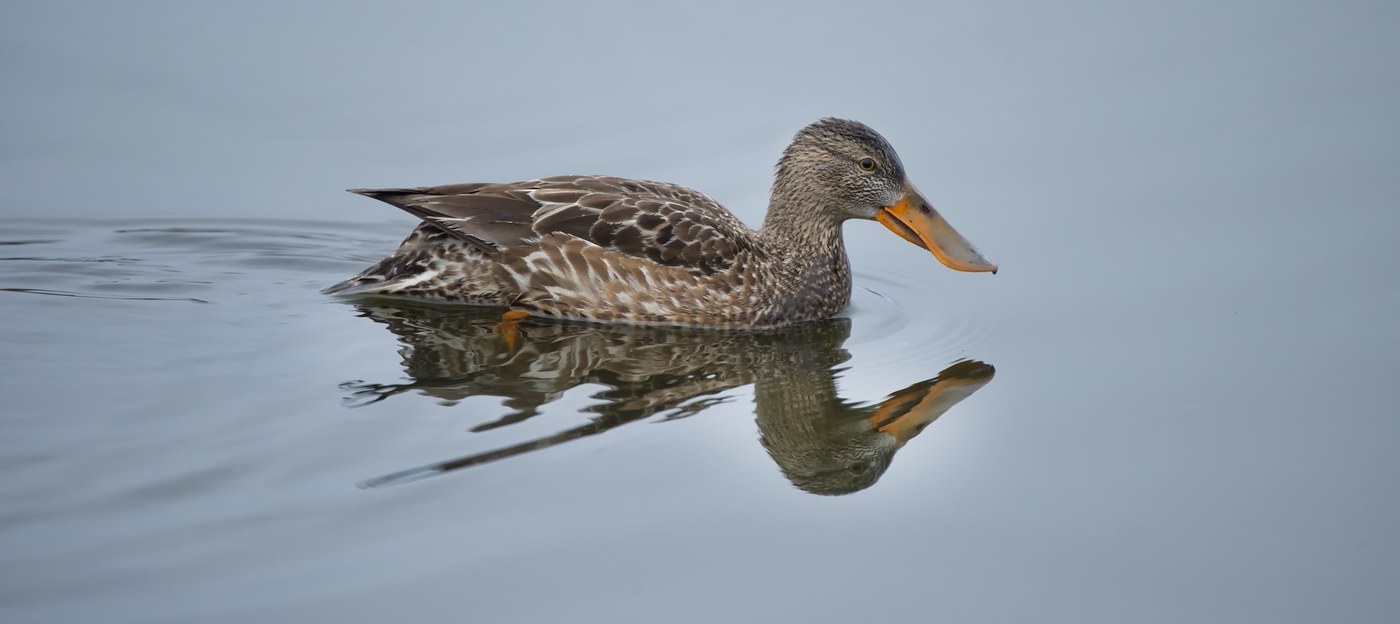
Northern Shoveler
Spatula clypeata
A dabbling duck instantly identified by its oversized, spoon-shaped bill, used to filter tiny invertebrates and seeds from shallow water.
- Size
- 44-51 cm (17-20 in) long, 76 cm wingspan
- Habitat
- shallow marshes, wetlands, sewage ponds, and flooded fields across the Northern Hemisphere
- Type
- waterfowl
Spotted a bird like this?
Identify any bird from a photo, free.
Overview
The Northern Shoveler is a highly distinctive dabbling duck, easily recognized by its enormous, spatula-shaped bill, which is proportionally larger than that of any other North American duck. The breeding drake is boldly patterned with an iridescent green head, bright white breast, and rich chestnut flanks, resembling a small, oddly-billed Mallard at a glance.
Females are mottled brown, similar to other dabbling duck hens, but the oversized bill remains the giveaway field mark year-round, regardless of sex or plumage. The bill's shape reflects the species' specialized feeding method, sweeping through the water to filter out tiny food items.
How to identify it
Key Field Marks
- Enormous, spoon-shaped bill, longer and wider than the head
- Breeding drake: iridescent green head, white breast, chestnut flanks, black rump
- Female: mottled brown with the same oversized bill, often held tipped downward while swimming
- Pale blue shoulder patch visible in flight on both sexes
Similar Species
No other duck shares the shoveler's dramatically oversized bill, making it one of the easiest ducks to identify at a distance by shape alone, even when plumage details are hard to see.
Habitat & range
Northern Shovelers favor shallow, still, or slow-moving water rich in invertebrate life, including marshes, sewage lagoons, flooded fields, and shallow lake edges. They breed across the northern prairies, Arctic edges, and similar wetlands of North America, Europe, and Asia.
The species is migratory, wintering across the southern United States, Mexico, Central America, and comparable latitudes in the Old World, often gathering in sizable flocks on productive shallow wetlands.
Behavior & voice
Shovelers feed by swimming with the bill partly submerged, sweeping it side to side and using comb-like structures called lamellae along the bill edges to strain out tiny crustaceans, seeds, and other invertebrates from the water and mud. Groups sometimes swim in tight circles to stir up food from the bottom, a cooperative feeding technique.
The voice is a low, guttural "took-took" from males, generally quieter than many other dabbling ducks. Nests are shallow ground scrapes lined with down, typically placed in grassy cover near water, with females incubating a clutch of 9-12 eggs alone.
Frequently asked questions
Why does the Northern Shoveler have such a big bill?
Its oversized, spoon-shaped bill is specialized for filter-feeding, using comb-like edges to strain tiny invertebrates and seeds from shallow water.
How can you identify a female Northern Shoveler?
She is mottled brown like other dabbling duck hens, but her unmistakably large, spatula-shaped bill sets her apart from all other female ducks.
What do Northern Shovelers eat?
They filter-feed on small aquatic invertebrates, seeds, and plant matter from shallow water and mud.
Do Northern Shovelers form circling groups while feeding?
Yes, small groups sometimes swim in tight circles to stir up food particles from the bottom, an efficient cooperative feeding strategy.
Where do Northern Shovelers breed?
They breed across northern prairies and wetlands of North America, as well as comparable habitats in Europe and Asia.
Northern Shoveler guides
In-depth guides for identifying, finding, and understanding Northern Shoveler.
Other birds you may enjoy
Red-necked Grebe
40-55 cm (16-22 in) long, 77-85 cm wingspan
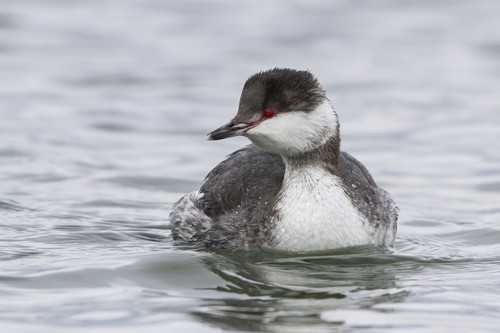
Horned Grebe
31-38 cm (12-15 in) long, 46-55 cm wingspan
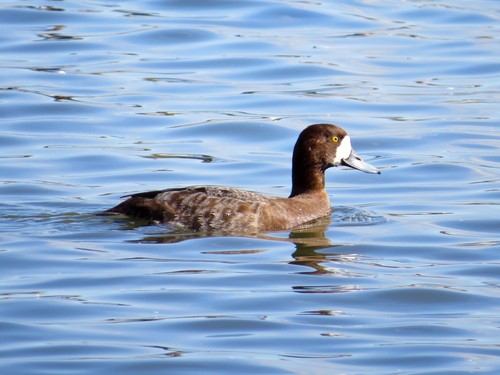
Greater Scaup
42-51 cm (16.5-20 in) long, 71-84 cm wingspan
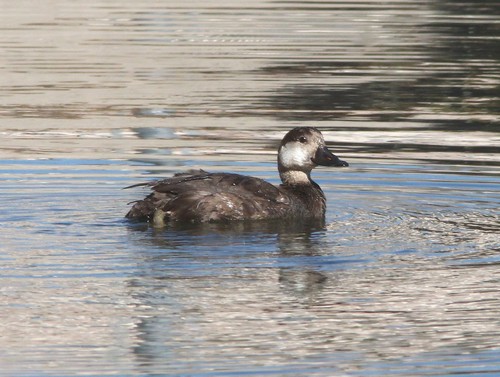
Black Scoter
43-54 cm (17-21 in) long, 79-90 cm wingspan
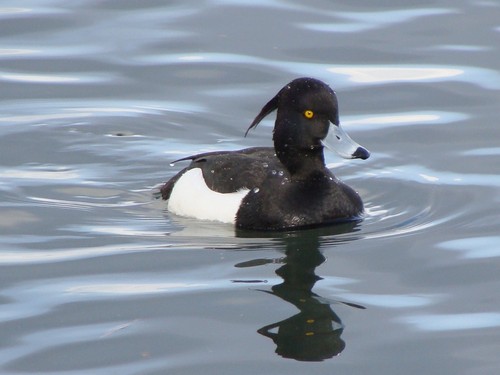
Tufted Duck
40-47 cm (16-18.5 in) long, 67-73 cm wingspan
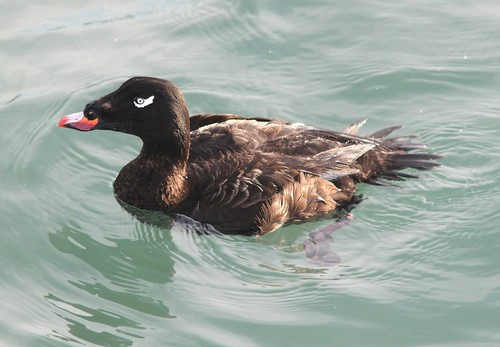
White-winged Scoter
48-58 cm (19-23 in) long, 86-99 cm wingspan
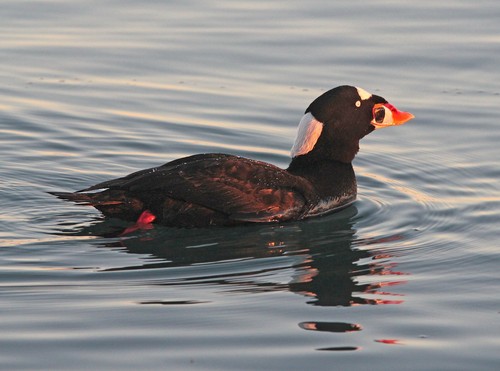
Surf Scoter
45-56 cm (18-22 in) long, 78-92 cm wingspan
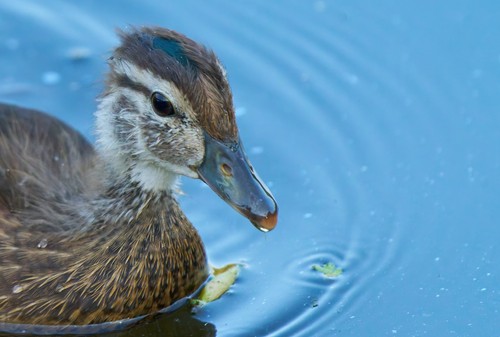
Wood Duck
47-54 cm (18.5-21 in) long, 66-73 cm wingspan
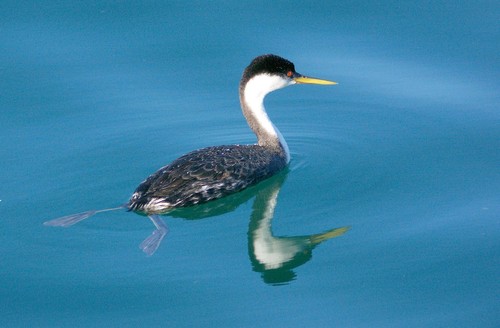
Western Grebe
56-74 cm (22-29 in) long, 79-102 cm wingspan
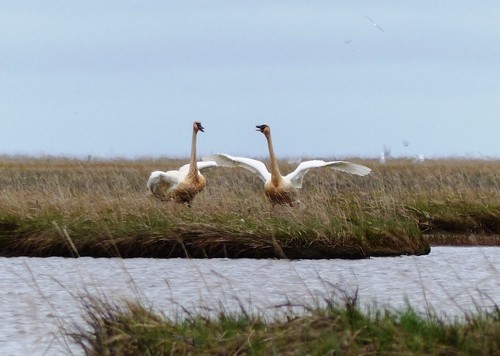
Tundra Swan
115-150 cm (45-59 in) long, about 180 cm wingspan
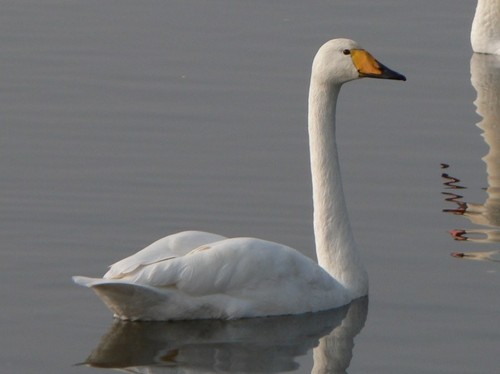
Whooper Swan
140-165 cm (55-65 in) long, 205-235 cm wingspan
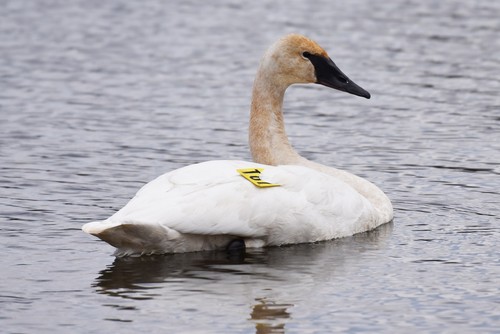
Trumpeter Swan
150-180 cm (59-71 in) long, up to 300 cm wingspan