
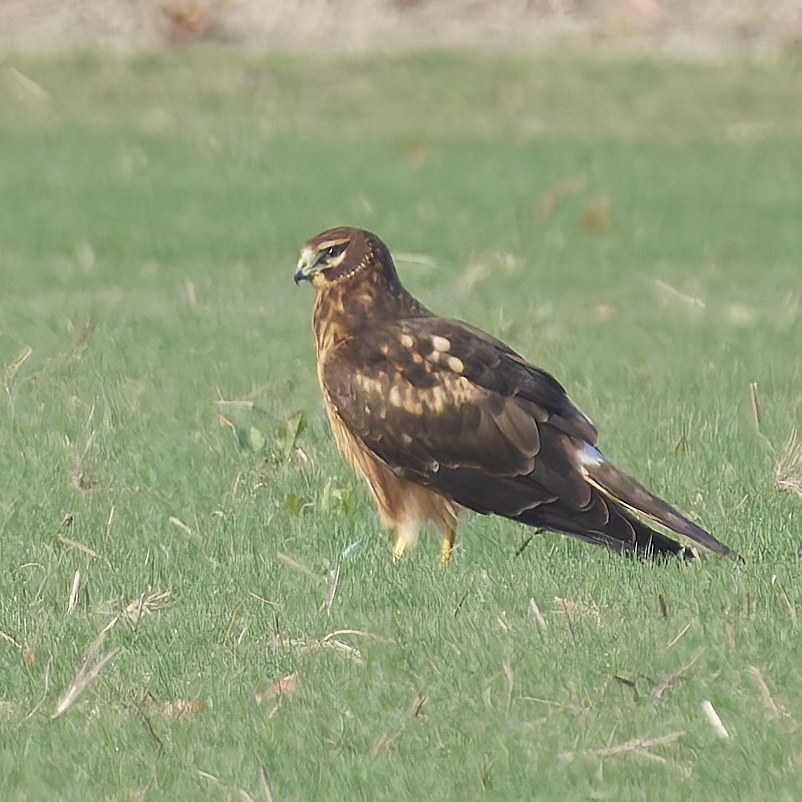
Northern Harrier
Circus hudsonius
A slim, low-flying hawk of open marshes and fields, identified by its owl-like facial disc and white rump patch.
- Size
- 41-52 cm (16-20 in) long, 100-120 cm (39-47 in) wingspan
- Habitat
- open marshes, grasslands, and agricultural fields
- Type
- raptor
Spotted a bird like this?
Identify any bird from a photo, free.
Overview
The Northern Harrier is a distinctive, slender hawk of open country, easily recognized by its low, buoyant flight just above the vegetation and its flat, owl-like facial disc, which helps it locate prey by sound as well as sight. Males are pale gray above with a white belly and black wingtips, earning them the nickname "gray ghost," while females and juveniles are brown with streaked underparts.
Both sexes and all ages share a conspicuous white patch at the base of the tail, one of the most reliable field marks for the species, visible from a considerable distance.
How to identify it
Key field marks
- White patch at the base of the tail (rump), visible in flight at all ages
- Flat, owl-like facial disc
- Long wings and tail, low gliding flight held in a shallow V (dihedral)
- Male: pale gray above, white below, black wingtips
- Female/juvenile: brown above, streaked buffy-brown below
Similar species
Rough-legged Hawk and other buteos have broader wings, soar higher, and lack the harrier's characteristic low, tilting flight and white rump. Short-eared Owl shares open habitat and low flight but has a rounder head, shorter wings held flat, and different, more erratic moth-like flight.
Habitat & range
Habitat
Favors wide-open habitats: freshwater and coastal marshes, wet meadows, grasslands, and agricultural fields, generally avoiding wooded areas.
Range
Breeds across much of Canada and the northern United States, with additional breeding range in parts of the western and central U.S. Northern populations migrate south for winter, when the species can be found across most of the continental United States and into Mexico and Central America.
Behavior & voice
Behavior
Northern Harriers hunt by flying low and slow over open ground, tilting from side to side as they scan and listen for prey, then dropping suddenly into vegetation to seize it — a hunting style distinct from most other North American hawks.
Voice
Generally quiet away from the nest; when alarmed, gives a sharp, repeated, whistled "kek-kek-kek."
Feeding and nesting
Diet is mainly small mammals, especially voles, along with small birds. Uniquely among North American hawks, Northern Harriers nest on the ground, building a platform of grasses and reeds hidden in dense marsh or field vegetation; males are often polygynous, mating with more than one female in a season when prey is abundant.
Frequently asked questions
How do you identify a Northern Harrier?
Look for a white patch at the base of the tail, an owl-like flat facial disc, and a low, tilting flight over open marsh or field habitat, often held in a shallow V.
Why is the Northern Harrier called the "gray ghost"?
Adult males are pale gray above and white below, and their habit of quietly gliding low over marshes and fields gives them a ghostly appearance, earning this nickname.
Where do Northern Harriers nest?
On the ground, in dense marsh or grassland vegetation, unlike most other North American hawks, which nest in trees or on cliffs.
What do Northern Harriers eat?
Mostly small mammals, especially voles, along with small birds, hunted by flying low over open ground while using both sight and hearing.
How is a Northern Harrier different from a Short-eared Owl?
Both hunt low over open fields, but the harrier has longer wings and tail held in a shallow V with a white rump patch, while Short-eared Owl has a rounder head, shorter wings held flatter, and a more erratic, buoyant flight style.
Northern Harrier guides
In-depth guides for identifying, finding, and understanding Northern Harrier.
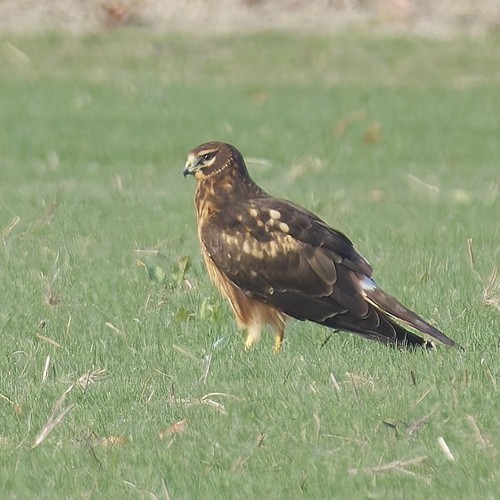
Other birds you may enjoy
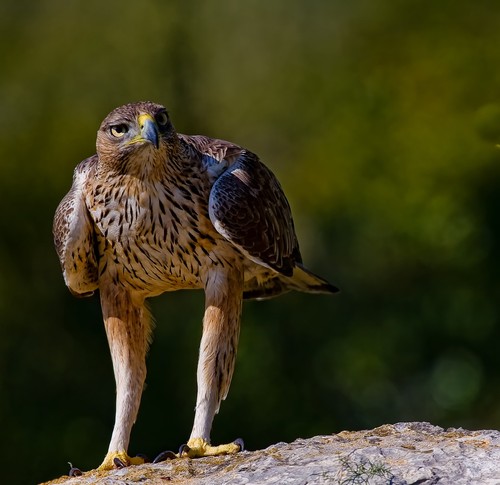
Bonelli's Eagle
Body 65–72 cm (26–28 in); wingspan 150–180 cm (59–71 in)
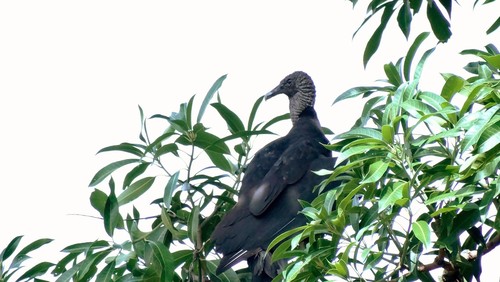
Black Vulture
56-68 cm (22-27 in) long, 137-165 cm wingspan
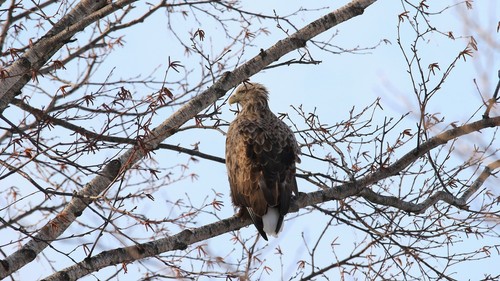
White-tailed Eagle
66-94 cm body length; wingspan 178-245 cm, among the largest eagles in the world
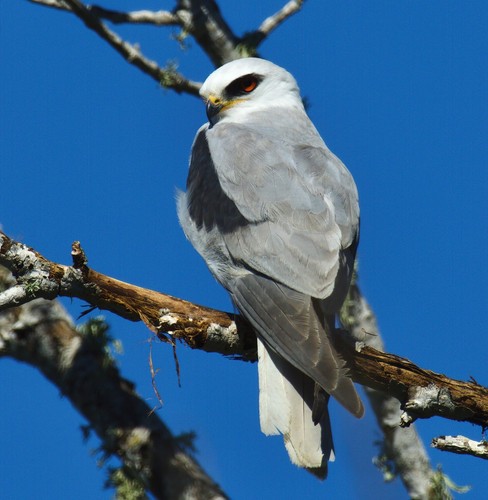
White-tailed Kite
35-43 cm (14-17 in) long, 88-102 cm (35-40 in) wingspan
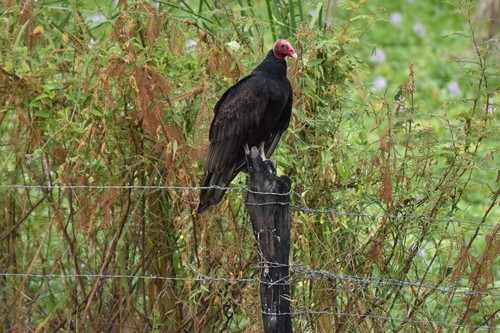
Turkey Vulture
64-81 cm (25-32 in) long, 160-183 cm wingspan
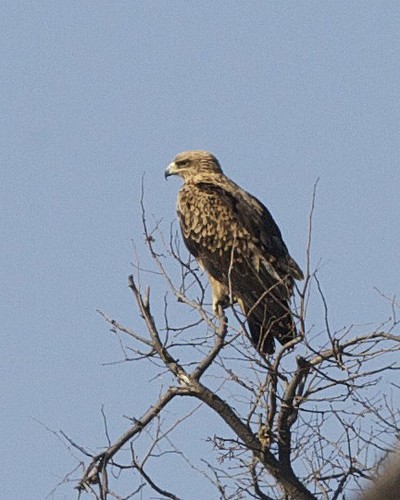
Tawny Eagle
62–75 cm long; wingspan 1.65–2.0 m
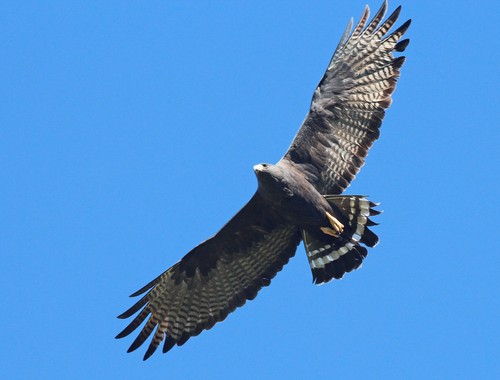
Zone-tailed Hawk
46-56 cm (18-22 in) long, 118-140 cm (46-55 in) wingspan
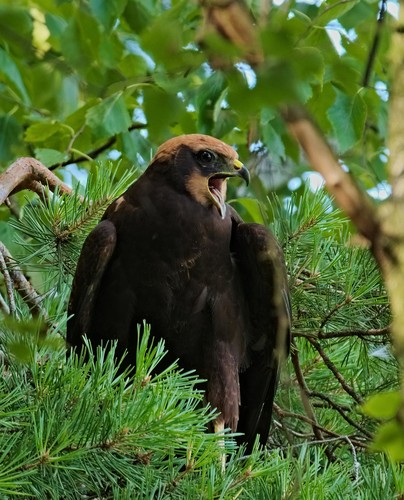
Western Marsh Harrier
Body 43-56 cm; wingspan 115-140 cm
Swallow-tailed Kite
48-68 cm (19-27 in) long including tail streamers, 112-136 cm (44-54 in) wingspan
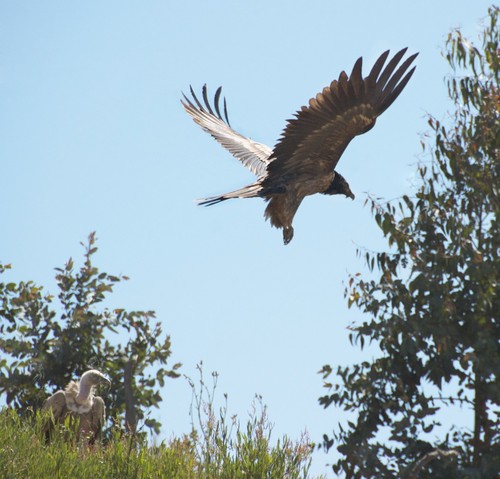
White-backed Vulture
78-98 cm long, wingspan 1.96-2.25 m
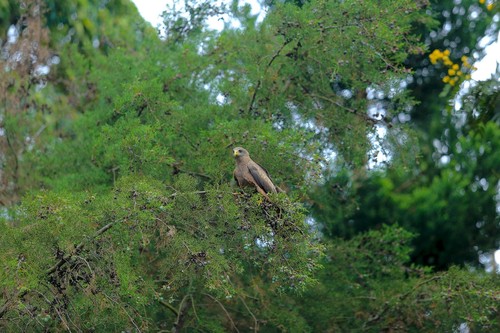
Yellow-billed Kite
55-60 cm long; wingspan 130-155 cm
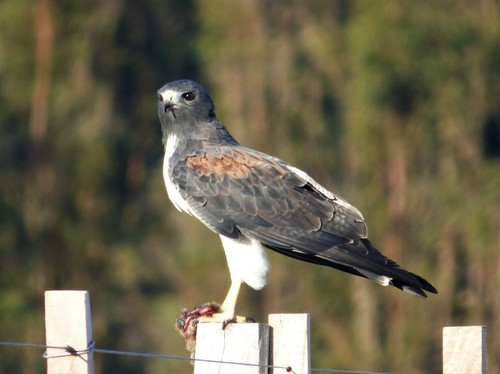
White-tailed Hawk
46-59 cm (18-23 in) long, 122-142 cm (48-56 in) wingspan