
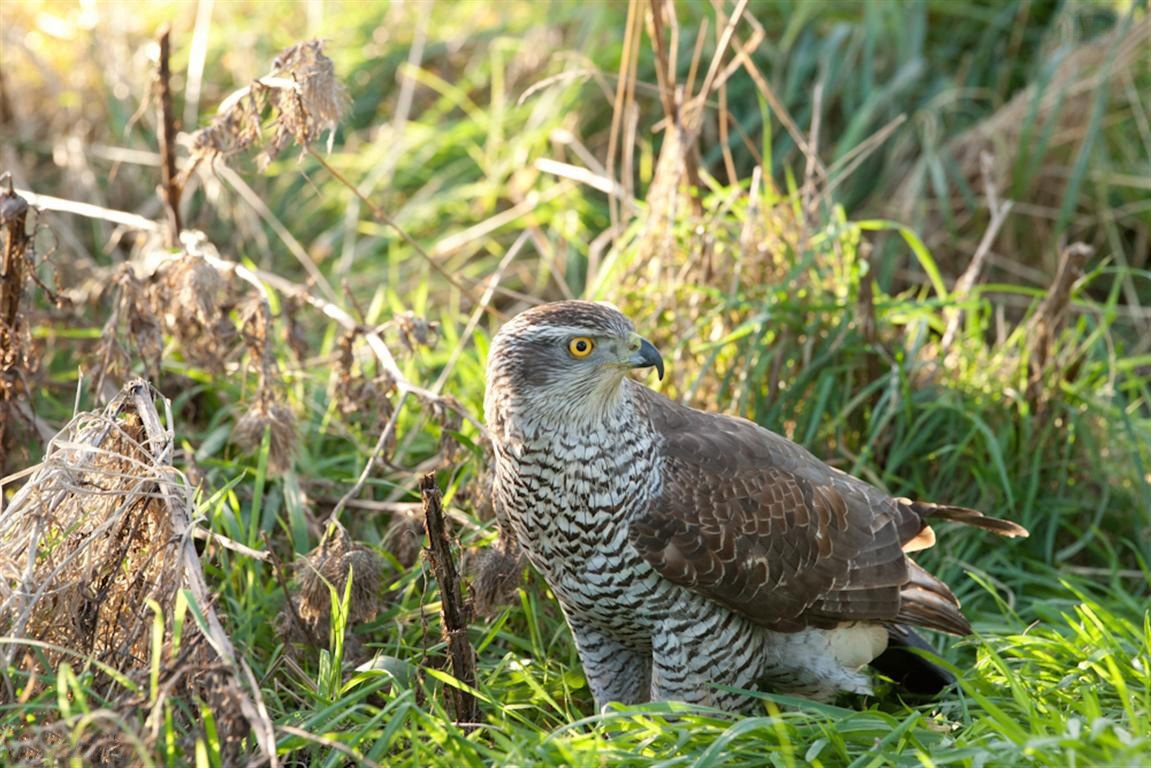
Northern Goshawk
Accipiter gentilis
The largest and most powerful accipiter, a fierce forest hawk of mature woodlands with a bold white eyebrow and blazing red eyes.
- Size
- 46-63 cm (18-25 in) long, 89-127 cm (35-50 in) wingspan
- Habitat
- large tracts of mature coniferous and mixed forest
- Type
- raptor
Spotted a bird like this?
Identify any bird from a photo, free.
Overview
The Northern Goshawk is the largest of the accipiter hawks, a fierce and powerful forest predator found across northern and mountainous forests of the Northern Hemisphere. Adults are blue-gray above with fine, pale gray barring below, a bold white stripe over the eye, and intense red eyes that give the bird a particularly striking, fierce expression.
Juveniles look quite different, brown above with coarse brown streaking below and yellow eyes, closely resembling an oversized juvenile Cooper's Hawk. Goshawks are famously secretive and aggressive defenders of their nesting territory.
How to identify it
Key field marks
- Large size, noticeably bigger and bulkier than Cooper's Hawk
- Adult: blue-gray back, fine pale barring below, bold white eyebrow, red eyes
- Juvenile: brown above, coarse streaking below, yellow eyes
- Broad-chested, powerful build with a relatively short, broad tail
Similar species
Cooper's Hawk is notably smaller and slimmer with less prominent (or absent) pale eyebrow markings and finer, more rufous barring in adults. Juvenile Goshawk can be told from juvenile Cooper's Hawk by its larger size, bulkier build, and a more prominent pale eyebrow stripe, though the two can be genuinely difficult to separate.
Habitat & range
Habitat
Requires large, contiguous tracts of mature forest, both coniferous and mixed, with a relatively open understory that allows for fast flight in pursuit of prey.
Range
A Holarctic species, found across boreal and mountain forests of North America, Europe, and Asia. In North America, breeds across Canada, Alaska, and mountainous and northern forested regions of the United States. Generally non-migratory or only partially migratory, though northern birds may move south irregularly in years of prey scarcity (irruptions).
Behavior & voice
Behavior
An extremely powerful and agile hunter, the Northern Goshawk pursues prey with fast, direct flight through dense forest, capable of remarkable bursts of speed and maneuverability, and is renowned for its fierce, aggressive defense of the nest against intruders, including humans.
Voice
Gives a loud, harsh, repeated "kak-kak-kak-kak" alarm call near the nest, among the most intimidating vocalizations of any North American raptor.
Feeding and nesting
Diet includes mid-sized birds such as grouse, corvids, and woodpeckers, along with mammals like hares and squirrels. Builds a large stick nest high in a mature tree, often reusing the same nest site across multiple years, and defends the nesting area vigorously, sometimes striking intruders that venture too close.
Frequently asked questions
How do you tell a Northern Goshawk from a Cooper's Hawk?
Northern Goshawk is noticeably larger and bulkier with a bolder white eyebrow stripe and finer barring in adults; juveniles are more difficult to separate but Goshawk is larger with a more prominent eyebrow.
Why are Northern Goshawks known for being aggressive?
They fiercely defend their nesting territory against intruders, including large mammals and humans, sometimes striking at the head of anyone who ventures too close to an active nest.
What does the Northern Goshawk eat?
Mid-sized birds such as grouse, corvids, and woodpeckers, along with mammals like hares and squirrels, caught in fast pursuit through forest.
Where does the Northern Goshawk live?
In large tracts of mature coniferous and mixed forest across the boreal and mountain regions of North America, Europe, and Asia.
Do Northern Goshawks migrate?
They are generally non-migratory or only partially migratory, though northern birds sometimes move south irregularly in years when prey, such as snowshoe hares, is scarce.
Northern Goshawk guides
In-depth guides for identifying, finding, and understanding Northern Goshawk.
Other birds you may enjoy
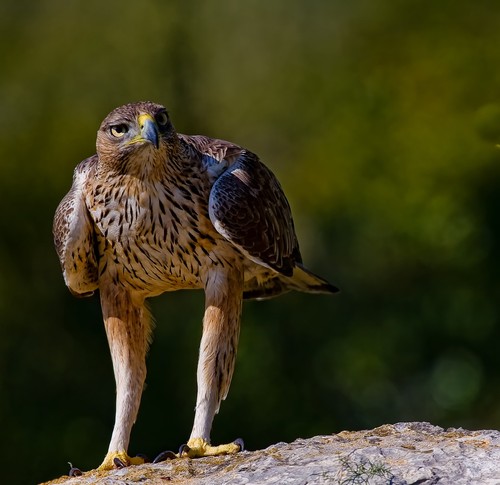
Bonelli's Eagle
Body 65–72 cm (26–28 in); wingspan 150–180 cm (59–71 in)
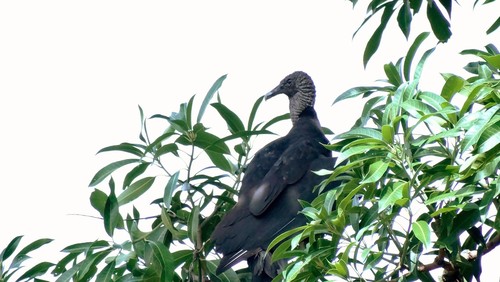
Black Vulture
56-68 cm (22-27 in) long, 137-165 cm wingspan
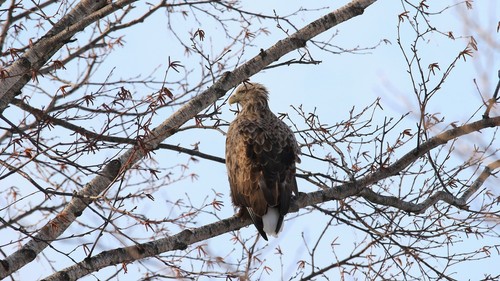
White-tailed Eagle
66-94 cm body length; wingspan 178-245 cm, among the largest eagles in the world
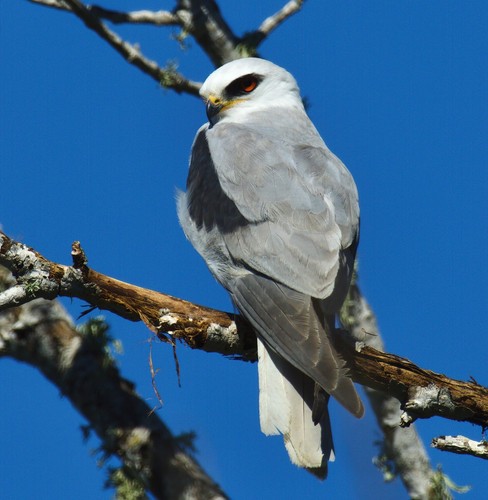
White-tailed Kite
35-43 cm (14-17 in) long, 88-102 cm (35-40 in) wingspan
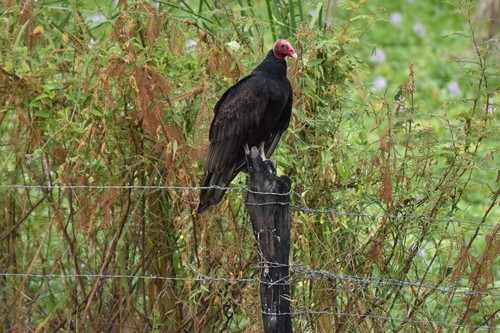
Turkey Vulture
64-81 cm (25-32 in) long, 160-183 cm wingspan
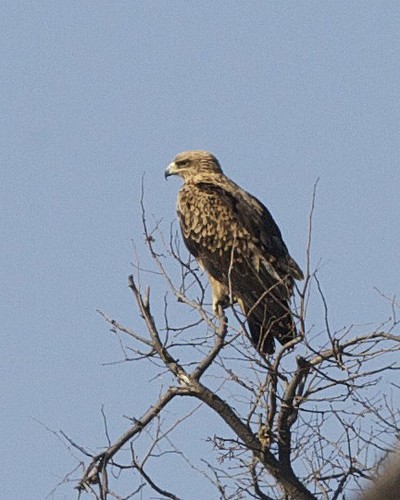
Tawny Eagle
62–75 cm long; wingspan 1.65–2.0 m
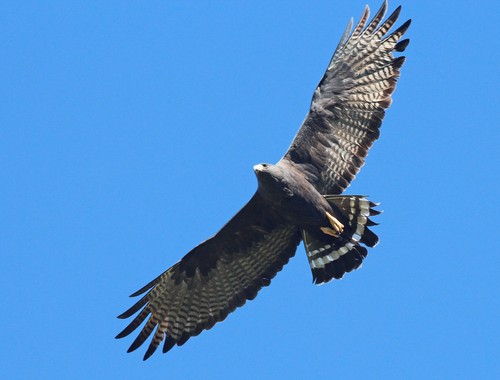
Zone-tailed Hawk
46-56 cm (18-22 in) long, 118-140 cm (46-55 in) wingspan
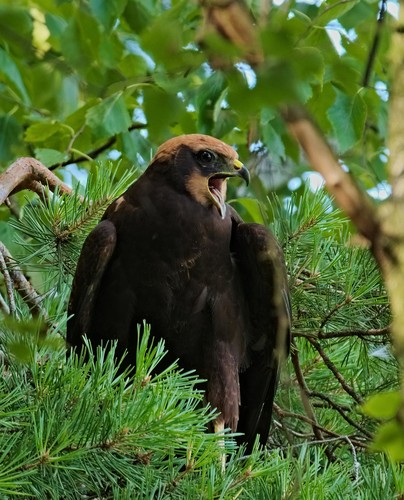
Western Marsh Harrier
Body 43-56 cm; wingspan 115-140 cm
Swallow-tailed Kite
48-68 cm (19-27 in) long including tail streamers, 112-136 cm (44-54 in) wingspan
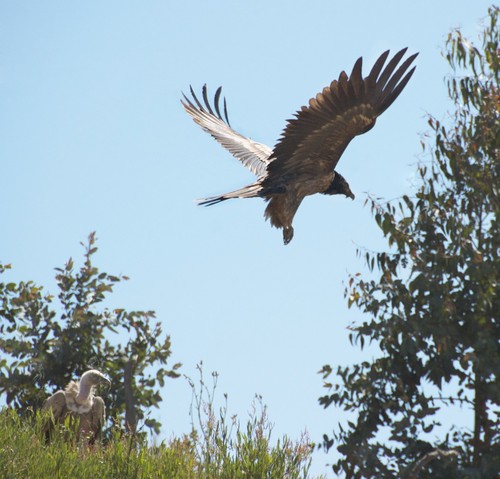
White-backed Vulture
78-98 cm long, wingspan 1.96-2.25 m
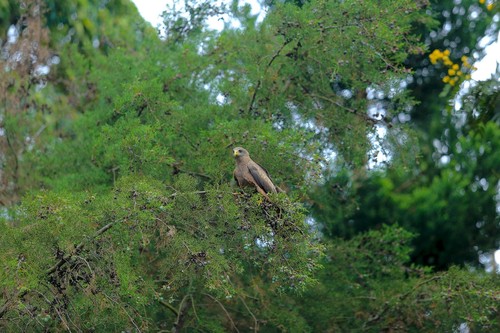
Yellow-billed Kite
55-60 cm long; wingspan 130-155 cm
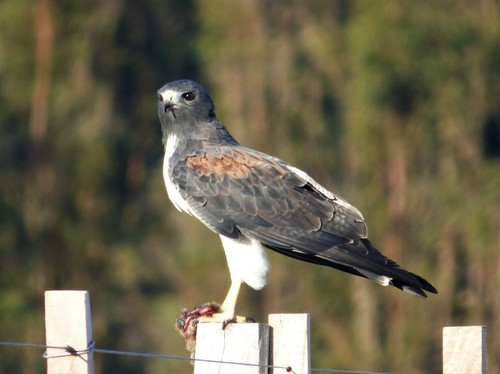
White-tailed Hawk
46-59 cm (18-23 in) long, 122-142 cm (48-56 in) wingspan