
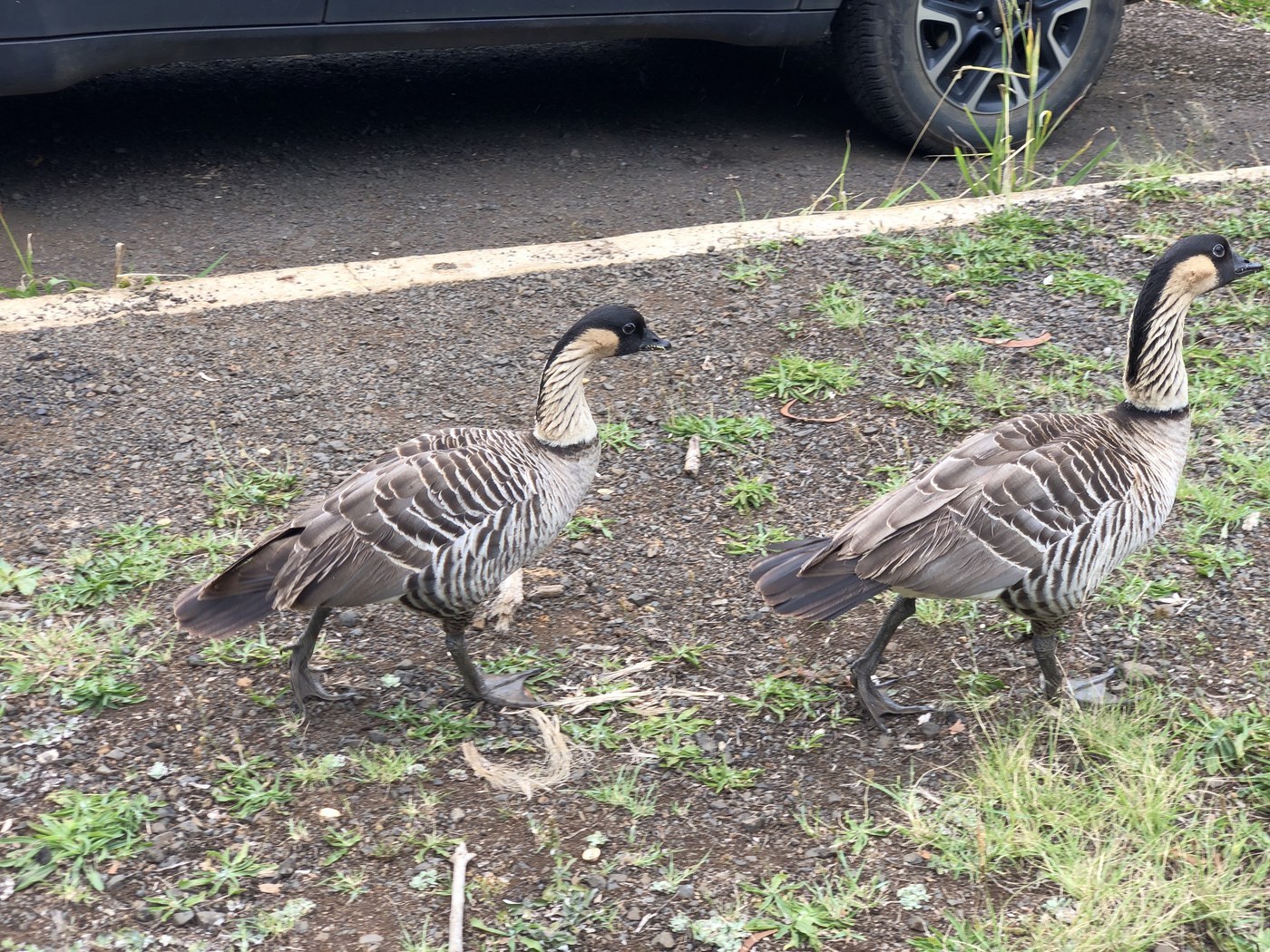
Nene
Branta sandvicensis
Hawaii's state bird and the world's rarest goose, a buff-necked, black-faced goose descended from Canada Geese that adapted to life on volcanic terrain.
- Size
- 51-71 cm (20-28 in) long, about 90 cm wingspan
- Habitat
- volcanic slopes, lava fields, grasslands, and shrublands of the Hawaiian Islands
- Type
- waterfowl
Spotted a bird like this?
Identify any bird from a photo, free.
Overview
The Nene, or Hawaiian Goose, is a medium-small goose with a black face and crown, a buff-and-black furrowed neck pattern, and a grey-brown body with black barring. It is the official state bird of Hawaii and is believed to have descended from Canada Geese that colonized the islands hundreds of thousands of years ago, subsequently evolving reduced webbing between the toes as an adaptation to walking on rough lava terrain rather than swimming.
Unlike most geese, Nene spend relatively little time in water, instead favoring open volcanic slopes and grasslands where they walk and graze.
How to identify it
Key field marks
- Black face, crown, and hindneck
- Buff-cream neck deeply furrowed with diagonal black stripes
- Grey-brown body with black-edged feathers giving a barred look
- Only partially webbed feet, an adaptation to walking on lava rock
Similar species
Within Hawaii, the Nene has no similar native species; its closest relative, the Canada Goose, is not found in the islands. The distinctly furrowed buff-and-black neck pattern and terrestrial habits make it unmistakable where it occurs.
Habitat & range
Range and habitat
The Nene is endemic to the Hawaiian Islands and today is found mainly on Hawaii Island, Maui, Kauai, and Molokai, occupying volcanic slopes, lava flows, native shrubland, and increasingly golf courses and pastures at various elevations.
Migration
Nene are non-migratory residents that may make local elevational movements between breeding and molting areas but do not undertake long-distance migration.
Behavior & voice
Behavior
Nene walk more than they swim or fly, spending most of their time grazing on foot across open ground, often in pairs or small family groups, and are generally less wary than mainland geese due to a historic lack of predators.
Voice
The call is a soft, moaning "nay-nay" or "ne-ne," from which the bird takes its name, quieter than the honking of most geese.
Feeding
They graze on grasses, herbs, and berries, including the fruits and leaves of native Hawaiian shrubs, foraging mostly on land rather than in water.
Nesting and breeding
Nests are shallow scrapes lined with down, placed under shrubs or in dense vegetation on volcanic slopes; breeding season runs mainly from autumn through winter, unusual timing tied to the islands' wet-season plant growth.
Frequently asked questions
Is the Nene endangered?
Yes, it is classified as Vulnerable and was once nearly extinct, dropping to only around 30 individuals in the 1950s before intensive captive breeding and reintroduction efforts.
Why does the Nene have less webbing on its feet?
Because it spends most of its life walking on rough volcanic lava rather than swimming, it evolved reduced webbing between its toes compared to other geese.
Is the Nene related to the Canada Goose?
Yes, genetic and fossil evidence indicates the Nene descended from Canada Geese that colonized the Hawaiian Islands and adapted to a terrestrial, volcanic habitat.
Where can you see Nene in the wild?
They are found mainly on Hawaii Island, Maui, Kauai, and Molokai, including in Hawaii Volcanoes and Haleakala National Parks.
Nene guides
In-depth guides for identifying, finding, and understanding Nene.
Other birds you may enjoy
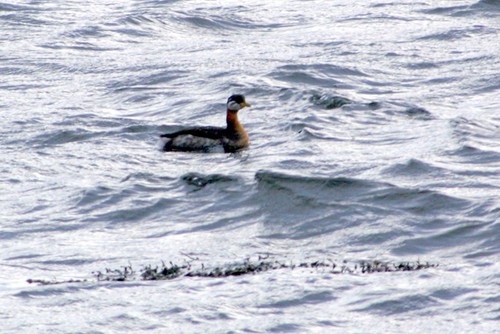
Red-necked Grebe
40-55 cm (16-22 in) long, 77-85 cm wingspan
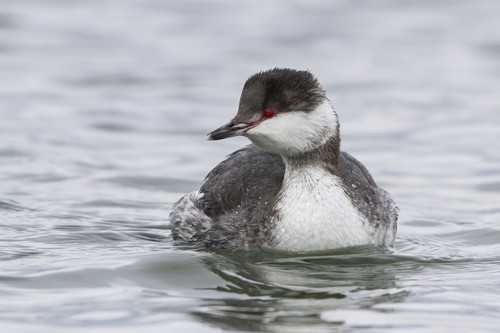
Horned Grebe
31-38 cm (12-15 in) long, 46-55 cm wingspan
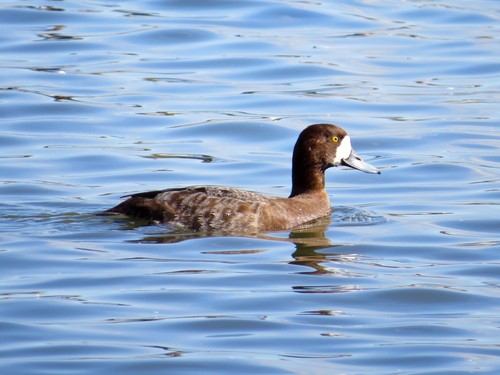
Greater Scaup
42-51 cm (16.5-20 in) long, 71-84 cm wingspan
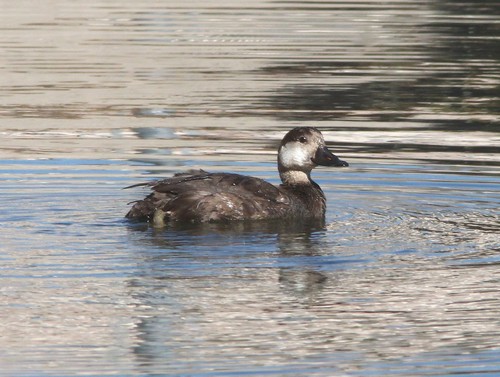
Black Scoter
43-54 cm (17-21 in) long, 79-90 cm wingspan
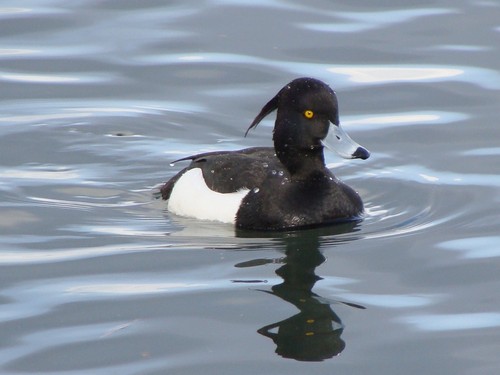
Tufted Duck
40-47 cm (16-18.5 in) long, 67-73 cm wingspan
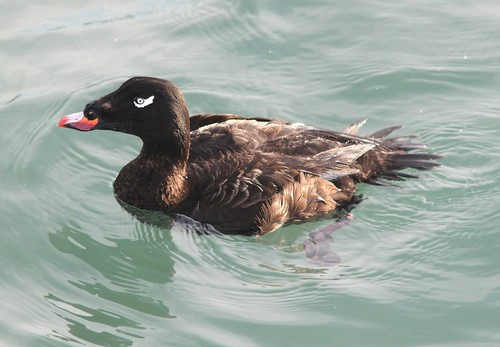
White-winged Scoter
48-58 cm (19-23 in) long, 86-99 cm wingspan
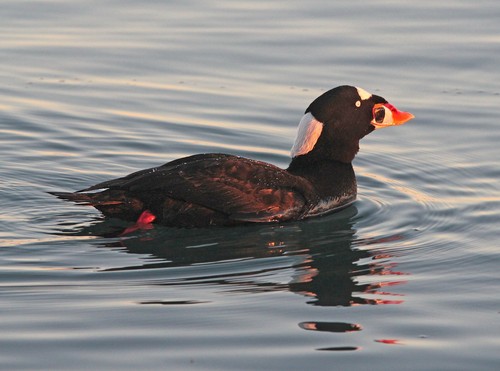
Surf Scoter
45-56 cm (18-22 in) long, 78-92 cm wingspan
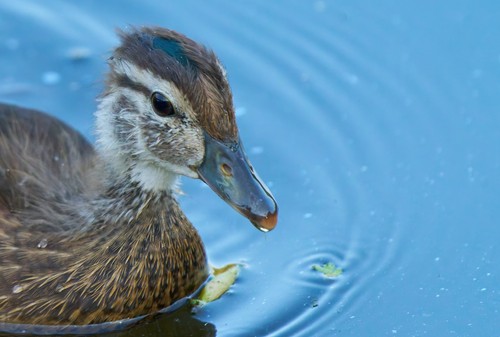
Wood Duck
47-54 cm (18.5-21 in) long, 66-73 cm wingspan
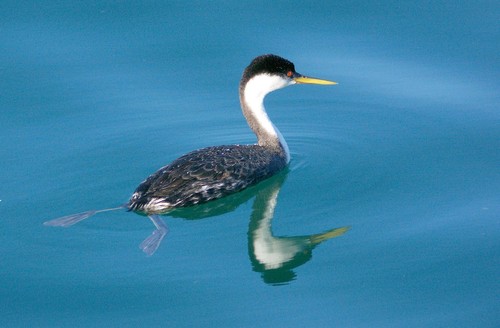
Western Grebe
56-74 cm (22-29 in) long, 79-102 cm wingspan
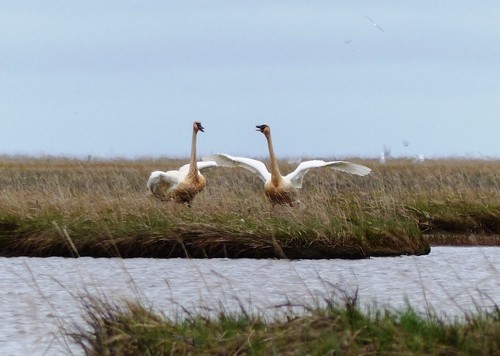
Tundra Swan
115-150 cm (45-59 in) long, about 180 cm wingspan
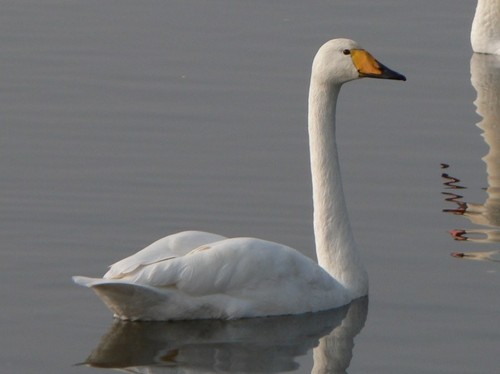
Whooper Swan
140-165 cm (55-65 in) long, 205-235 cm wingspan
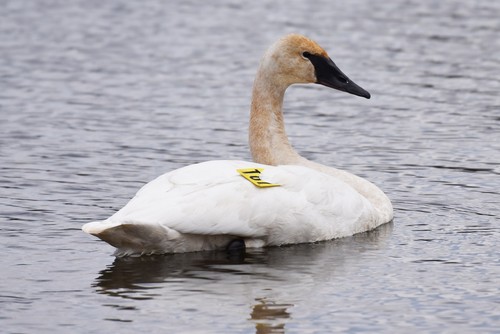
Trumpeter Swan
150-180 cm (59-71 in) long, up to 300 cm wingspan