
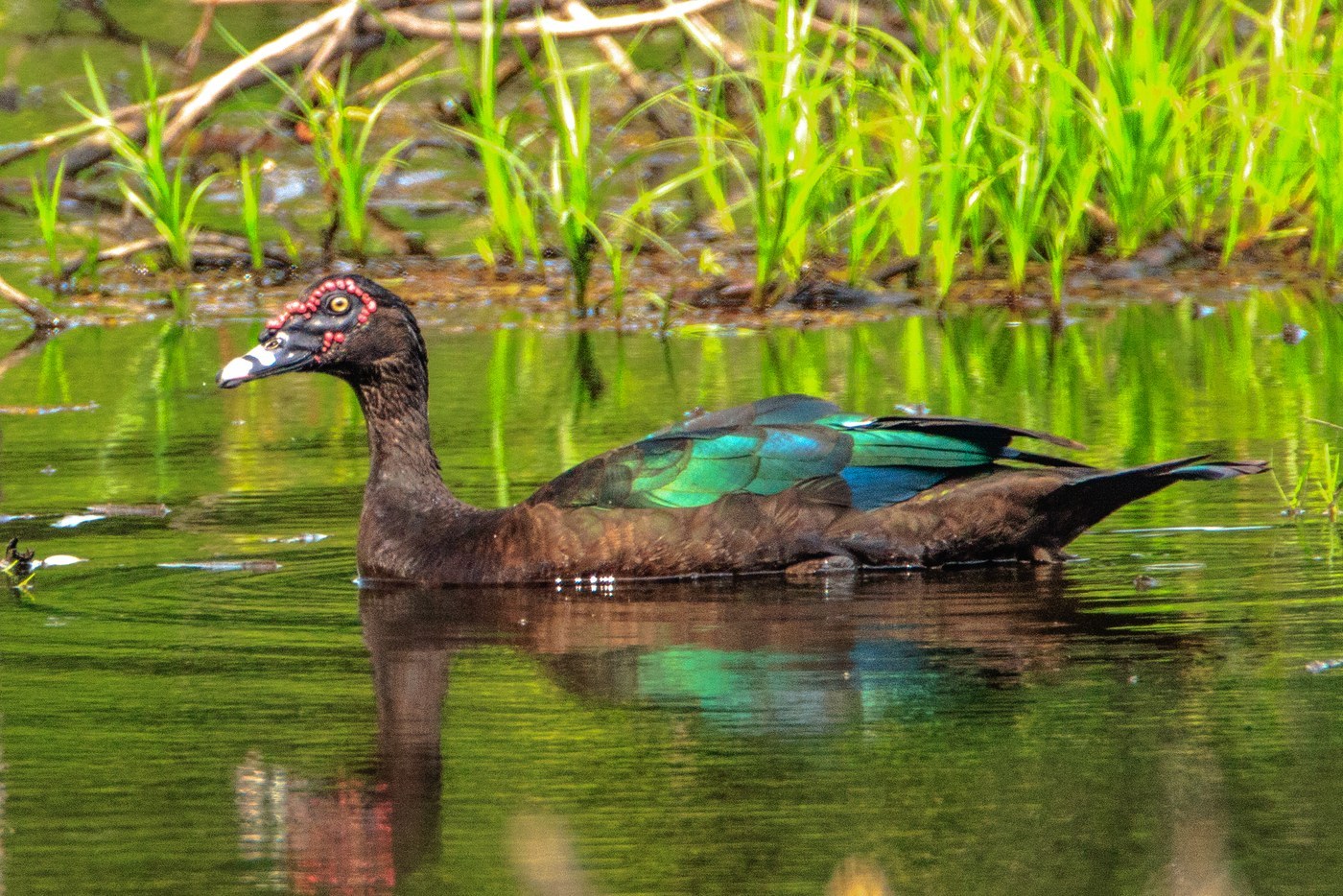
Muscovy Duck
Cairina moschata
A large, heavy-bodied waterfowl native to the American tropics, wild birds glossy black-green with white wing patches and bare red facial skin.
- Size
- 66-84 cm (26-33 in) long, 137-152 cm wingspan (males larger than females)
- Habitat
- wooded wetlands, rivers, and lagoons in tropical lowlands; also parks and urban ponds where feral
- Type
- waterfowl
Spotted a bird like this?
Identify any bird from a photo, free.
Overview
The Muscovy Duck is a large, heavy-bodied waterfowl native to the tropical lowlands of Mexico, Central America, and South America. Wild birds are mostly glossy blackish-green with white patches on the wings (more extensive in males), a long tail, and males have bare, warty red or blackish facial skin and a small crest. Domesticated and feral Muscovy Ducks, common on ponds in parks and urban areas worldwide, show far more variable plumage, often mixing white, black, and pied patterns.
Males are considerably larger than females and are among the heaviest ducks in the world, with a slow, powerful flight quite different from most other waterfowl.
How to identify it
Key field marks
- Large, heavy body with a long tail and broad wings
- Wild-type plumage: glossy blackish-green with white wing patches, more extensive in males
- Bare, warty red or dark facial skin, more pronounced in males, with a small ragged crest
- Feral/domestic birds show highly variable plumage including all-white, pied, and buff forms
Similar species
No other duck shares the combination of large size, bare red facial skin, and glossy black-green plumage; feral flocks in parks (often white or pied) are easily recognized by their bulky shape and caruncled face even when plumage color varies widely from the wild form.
Habitat & range
In its native range, the Muscovy Duck inhabits wooded wetlands, rivers, ponds, and lagoons in tropical lowland forest from Mexico south through much of South America, typically roosting and nesting in trees. Long domesticated, feral and semi-domestic populations are now widespread on ponds, parks, and urban waterways well outside the native range, including much of the United States and other countries.
Behavior & voice
Behavior
Muscovy Ducks are strong, direct fliers despite their bulk and are also capable of perching and roosting in trees, an unusual trait among ducks. Feral populations are often tame and approachable around human settlements.
Voice
Mostly silent; males give a low, breathy hissing sound rather than typical duck quacks, while females give quiet, weak quacking notes.
Feeding
Omnivorous, eating plant material, seeds, aquatic vegetation, and small invertebrates and other small animals gleaned from water and land.
Nesting
Nests in tree cavities or dense vegetation, often well above ground in its native range; clutches can be large, with females capable of raising sizeable broods.
Frequently asked questions
Is the Muscovy Duck native to North America?
No, it is native to the tropical lowlands of Mexico, Central America, and South America; the widespread park and feral populations elsewhere are introduced or descended from domesticated stock.
Why does the Muscovy Duck have red skin on its face?
The bare, warty (caruncled) red facial skin is a natural feature of the species, more developed in males, and is not a sign of illness or injury.
Do Muscovy Ducks quack like other ducks?
No, they are largely silent and communicate with soft hisses and low breathy notes rather than the classic quack of dabbling ducks.
Can Muscovy Ducks perch in trees?
Yes, unusually for a duck, wild Muscovy Ducks roost and nest in tree cavities and branches.
Muscovy Duck guides
In-depth guides for identifying, finding, and understanding Muscovy Duck.
Other birds you may enjoy
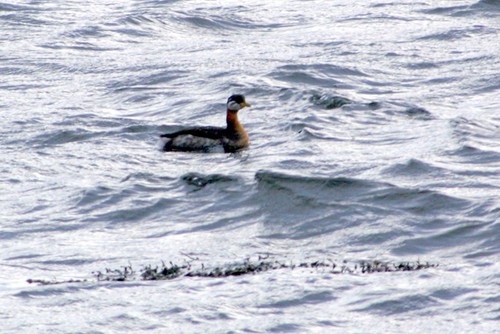
Red-necked Grebe
40-55 cm (16-22 in) long, 77-85 cm wingspan
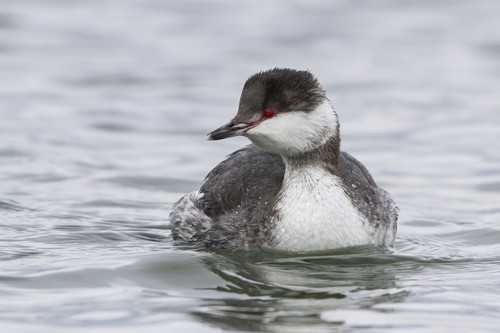
Horned Grebe
31-38 cm (12-15 in) long, 46-55 cm wingspan
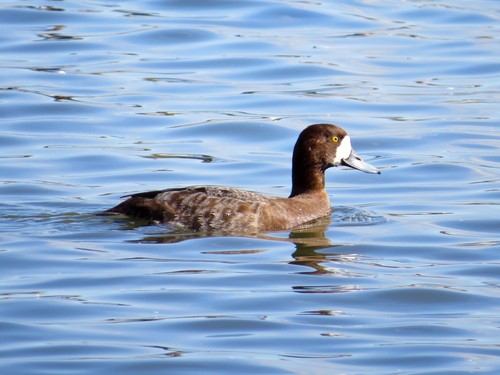
Greater Scaup
42-51 cm (16.5-20 in) long, 71-84 cm wingspan
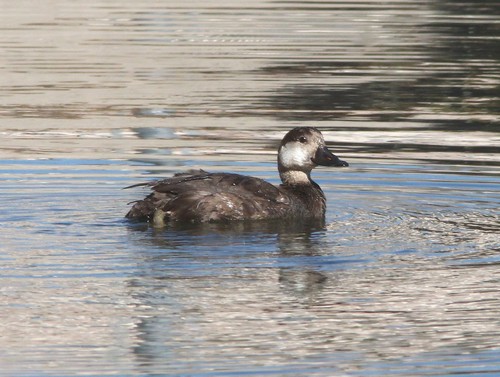
Black Scoter
43-54 cm (17-21 in) long, 79-90 cm wingspan
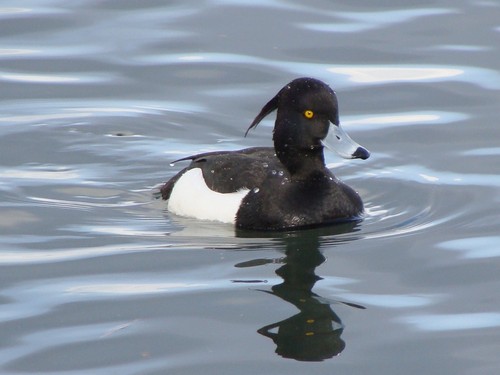
Tufted Duck
40-47 cm (16-18.5 in) long, 67-73 cm wingspan
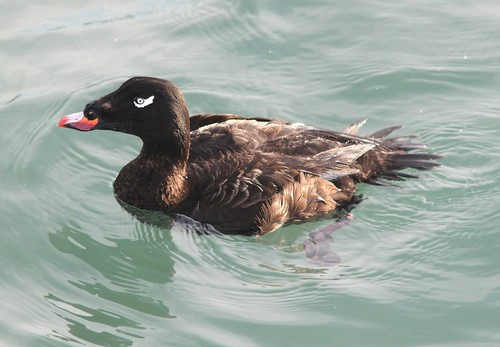
White-winged Scoter
48-58 cm (19-23 in) long, 86-99 cm wingspan
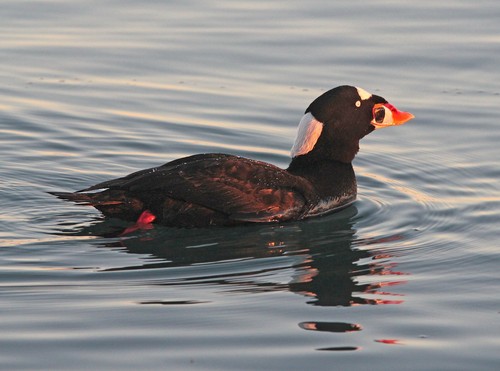
Surf Scoter
45-56 cm (18-22 in) long, 78-92 cm wingspan
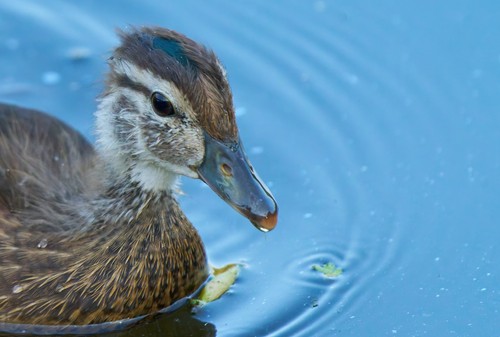
Wood Duck
47-54 cm (18.5-21 in) long, 66-73 cm wingspan
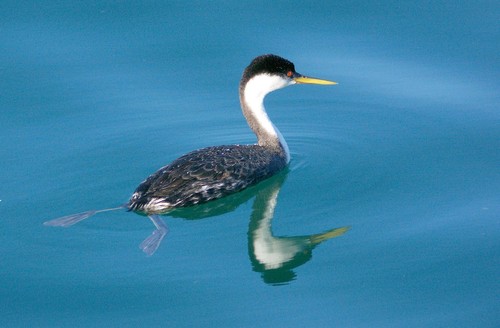
Western Grebe
56-74 cm (22-29 in) long, 79-102 cm wingspan
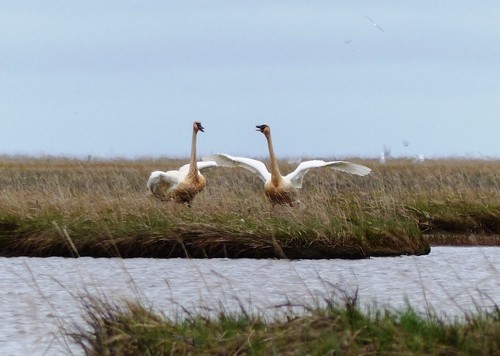
Tundra Swan
115-150 cm (45-59 in) long, about 180 cm wingspan
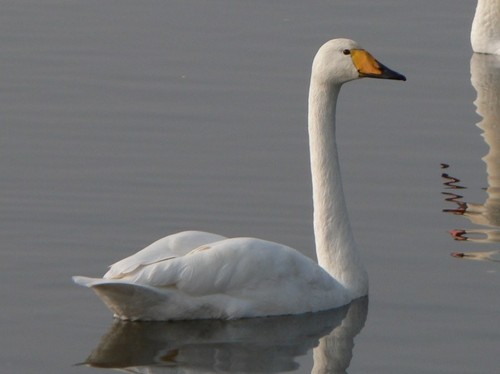
Whooper Swan
140-165 cm (55-65 in) long, 205-235 cm wingspan
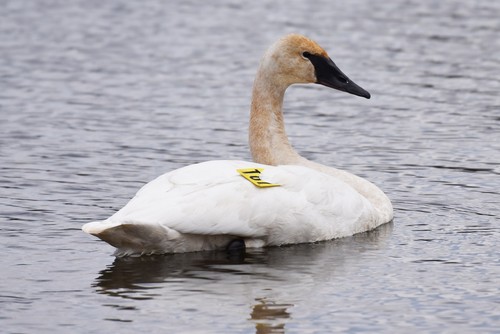
Trumpeter Swan
150-180 cm (59-71 in) long, up to 300 cm wingspan