
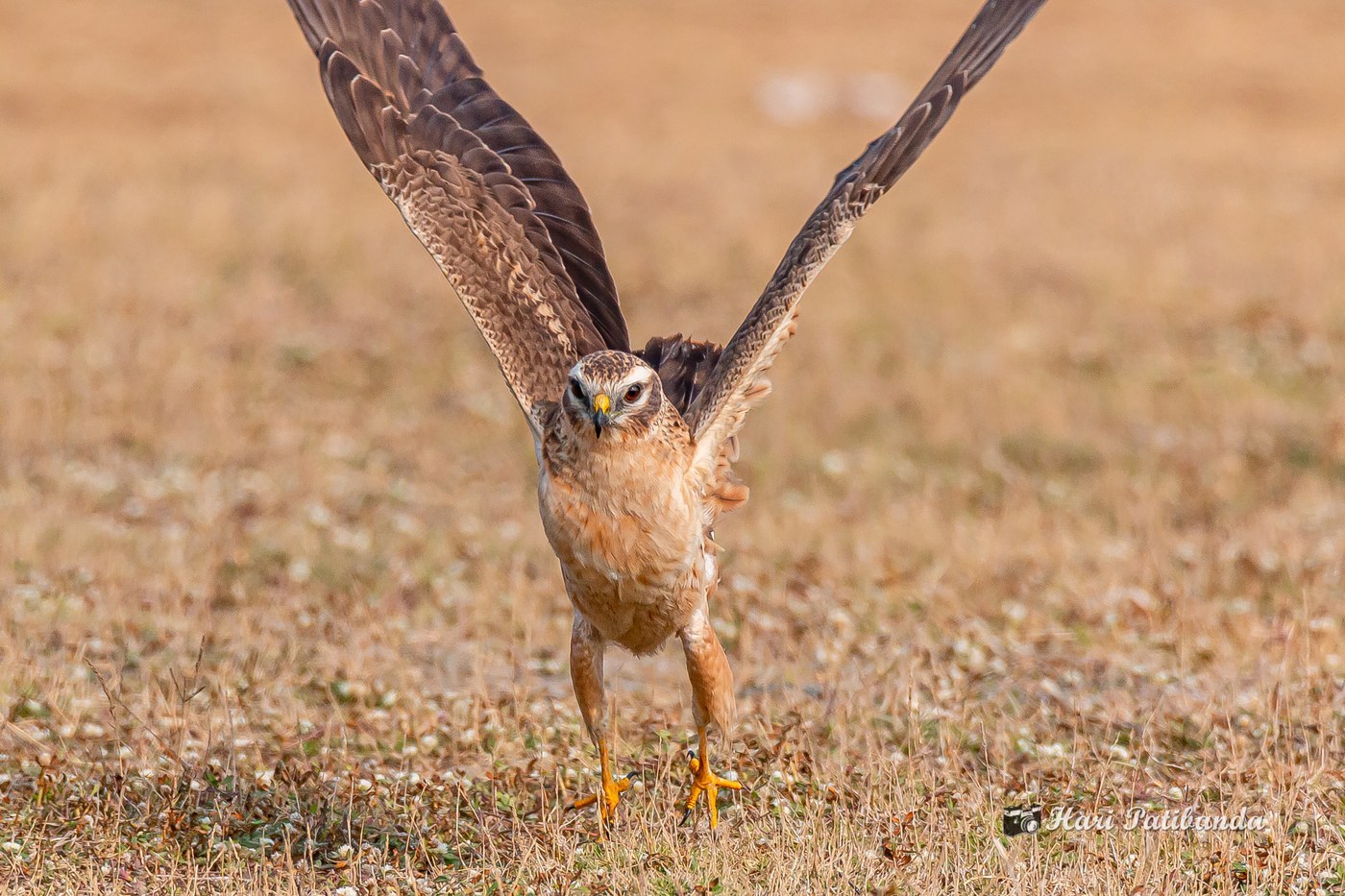
Montagu's Harrier
Circus pygargus
The slimmest and most elegant of the harriers, a long-distance migrant that increasingly nests in arable farmland.
- Size
- Body 39-50 cm; wingspan 96-116 cm
- Habitat
- Open farmland, steppe, grassland, and dry heathland
- Type
- raptor
Spotted a bird like this?
Identify any bird from a photo, free.
Overview
Montagu's Harrier is a slender, graceful, long-winged raptor and the most aerial and buoyant of the harrier species regularly seen in Europe, well known for its long migration to Africa each year.
Appearance
- Adult males: pale blue-grey above with a black bar across the secondaries (visible from above and below), black wingtips, and rufous streaking on the flanks and underwing coverts.
- Adult females: brown above with streaked underparts, a banded tail, and a pale collar; closely resembles female Hen Harrier but slimmer.
- Juveniles: warm rufous-orange underparts with little streaking, distinct from juvenile Hen Harrier.
- Narrow, pointed wings and a long tail give a very light, tern-like flight action.
How to identify it
Key field marks
- Slim build with narrow, pointed wings and buoyant, almost tern-like flight
- Male shows a black bar across the wing (secondaries) and rufous streaks on flanks/underwing, unlike Hen Harrier
- Juveniles are strikingly plain rufous-orange below with an unstreaked look
- Longer-winged and lighter-flying than Hen Harrier, with quicker, more flexible wingbeats
Similar species
- Hen Harrier male lacks the black secondary bar and rufous flank streaking; female Hen Harrier is bulkier with broader wings.
- Pallid Harrier male is paler with a narrower black wingtip wedge and no secondary bar; females are extremely similar and separated mainly by underwing pattern and structure.
- Western Marsh Harrier is much larger and bulkier with a heavier flight.
Habitat & range
Habitat
Originally a bird of open steppe, grassland, marshes, and heathland, but across much of modern Europe it now breeds mainly in cereal and arable farmland, adapting to nest among crops.
Range
Breeds patchily across Europe into western and central Asia; a genuine long-distance migrant among the harriers.
Migration
Winters almost entirely in sub-Saharan Africa, making one of the longest migrations of any European raptor, crossing the Sahara twice each year.
Behavior & voice
Behavior
Hunts with light, buoyant, tern-like flight low over open ground, frequently changing direction to surprise prey; often nests loosely colonially where suitable habitat and food supply allow.
Voice
Generally quiet away from the breeding grounds; gives a fast, high-pitched chattering 'kek-kek-kek' near the nest and during display flights.
Feeding
Takes small mammals (especially voles), small birds, lizards, and large insects, hunted by quartering low over crops, grassland, and marsh vegetation.
Nesting & breeding
Nests on the ground, often within growing cereal crops in modern agricultural landscapes, which makes nests vulnerable to harvesting machinery; lays 3-5 eggs; conservation programs in some countries locate and protect nests in farmland during harvest.
Frequently asked questions
How do you identify a male Montagu's Harrier?
Look for pale blue-grey plumage with a black bar across the secondaries and rufous streaking on the flanks and underwing, features lacking in the male Hen Harrier.
Where does Montagu's Harrier spend the winter?
Almost the entire population migrates to sub-Saharan Africa for the winter, one of the longest migrations of any European bird of prey.
Why do Montagu's Harriers nest in farmland?
As natural steppe and marsh habitat has declined, the species has adapted to nest on the ground within cereal crops across much of its European range.
What is the difference between Montagu's Harrier and Pallid Harrier?
Males differ subtly in the width of the black wingtip wedge and presence of a secondary bar in Montagu's; females of the two species are very similar and require careful comparison of underwing pattern and structure.
What do Montagu's Harriers eat?
They feed on small mammals such as voles, small birds, lizards, and large insects caught while quartering low over open ground.
Montagu's Harrier guides
In-depth guides for identifying, finding, and understanding Montagu's Harrier.
Other birds you may enjoy
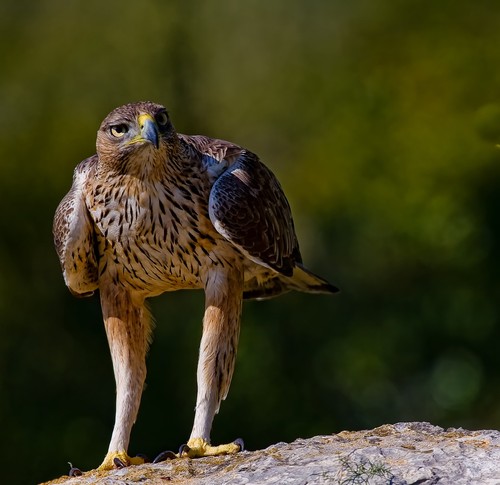
Bonelli's Eagle
Body 65–72 cm (26–28 in); wingspan 150–180 cm (59–71 in)
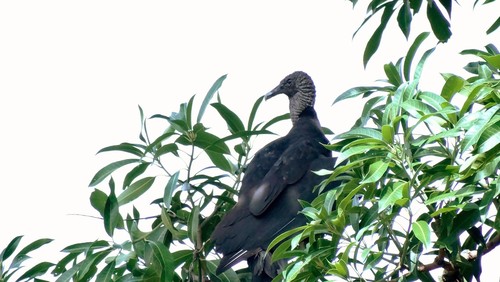
Black Vulture
56-68 cm (22-27 in) long, 137-165 cm wingspan
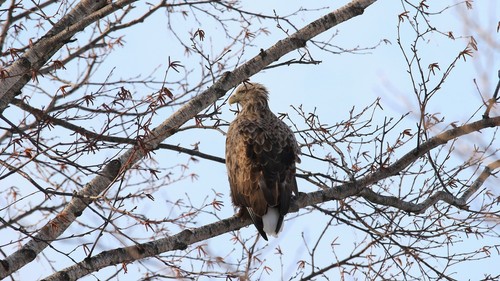
White-tailed Eagle
66-94 cm body length; wingspan 178-245 cm, among the largest eagles in the world
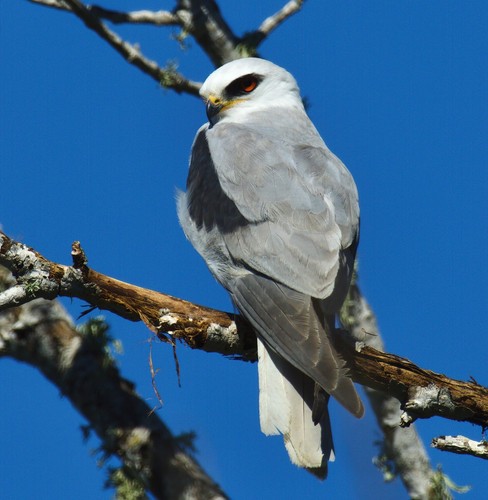
White-tailed Kite
35-43 cm (14-17 in) long, 88-102 cm (35-40 in) wingspan
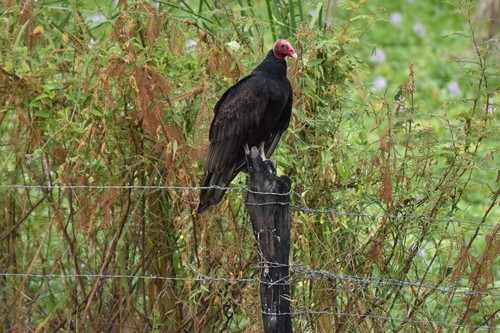
Turkey Vulture
64-81 cm (25-32 in) long, 160-183 cm wingspan
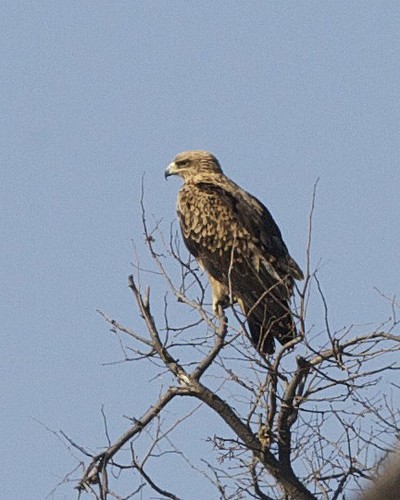
Tawny Eagle
62–75 cm long; wingspan 1.65–2.0 m
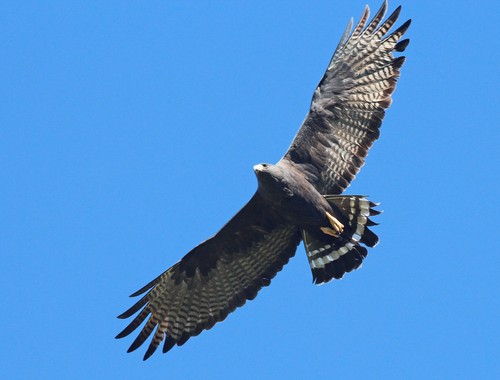
Zone-tailed Hawk
46-56 cm (18-22 in) long, 118-140 cm (46-55 in) wingspan
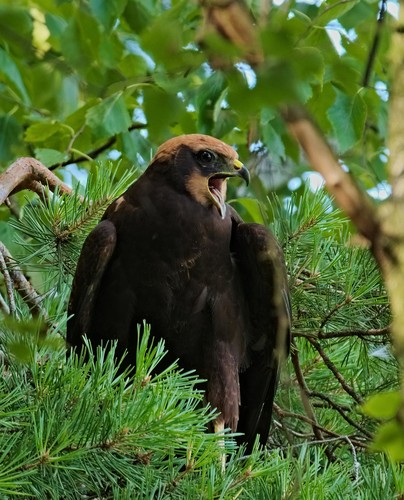
Western Marsh Harrier
Body 43-56 cm; wingspan 115-140 cm
Swallow-tailed Kite
48-68 cm (19-27 in) long including tail streamers, 112-136 cm (44-54 in) wingspan
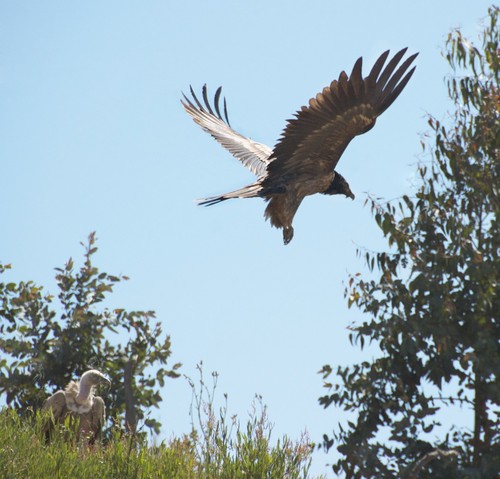
White-backed Vulture
78-98 cm long, wingspan 1.96-2.25 m
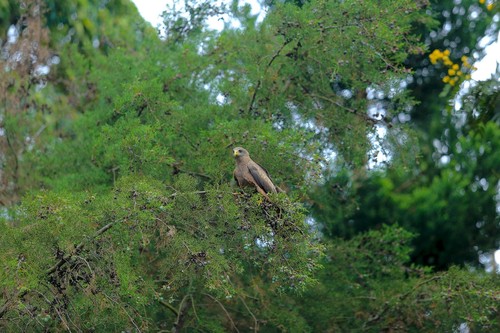
Yellow-billed Kite
55-60 cm long; wingspan 130-155 cm
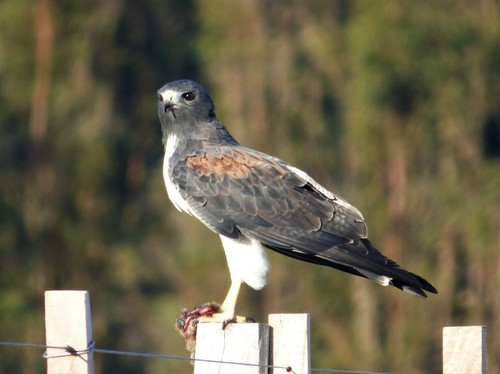
White-tailed Hawk
46-59 cm (18-23 in) long, 122-142 cm (48-56 in) wingspan