
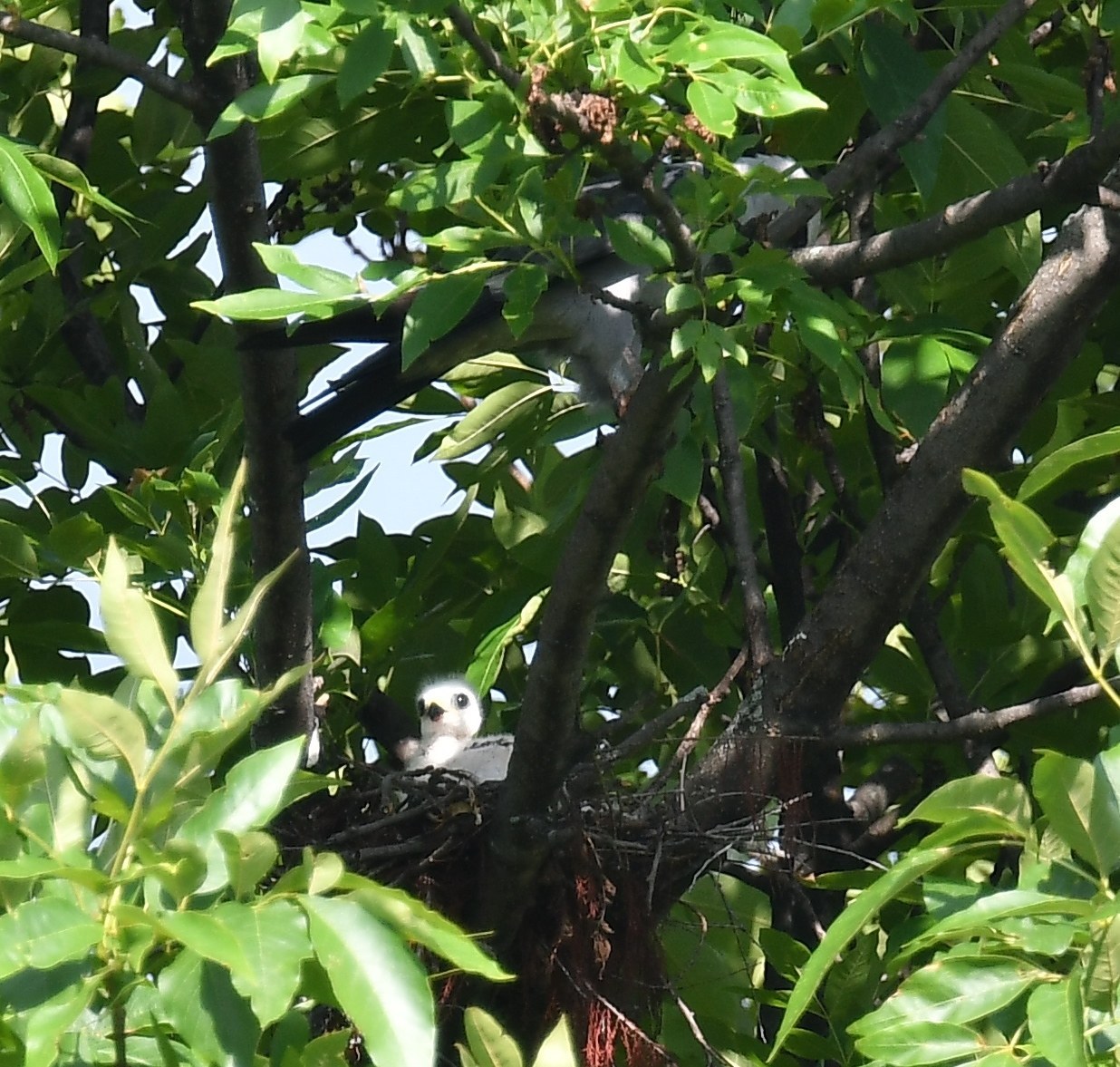
Mississippi Kite
Ictinia mississippiensis
A sleek, buoyant gray falcon-like kite that catches cicadas and dragonflies on the wing over Great Plains and southern woodlands.
- Size
- 30-37 cm (12-14.5 in) long, 75-83 cm (30-33 in) wingspan
- Habitat
- open woodlands, riparian corridors, shelterbelts, and urban parks
- Type
- raptor
Spotted a bird like this?
Identify any bird from a photo, free.
Overview
The Mississippi Kite is a slim, elegant raptor with an overall pale to dark gray body, a black tail, and pointed, falcon-shaped wings. Adults have a pale, almost silvery head and a dark mask through the eye, while the wings show a subtle two-toned pattern in flight. Its buoyant, effortless flight style, more like a large swallow or falcon than a typical hawk, is part of what makes it so distinctive.
This kite is a highly aerial hunter, often seen catching large flying insects directly out of the air and eating them on the wing, a behavior that has earned it a reputation as one of the most graceful fliers among North American raptors.
How to identify it
Key Field Marks
- Overall pale to medium gray body, darker gray flight feathers, and a solidly black tail
- Pale, whitish head contrasting with darker back
- Long, pointed wings and a buoyant, tern-like or falcon-like flight
- Frequently seen in small flocks, especially during migration
Similar Species
- White-tailed Kite: white below with black shoulder patches and a white tail, unlike the gray body and black tail of the Mississippi Kite.
- Peregrine Falcon: bulkier with a barred belly and dark hood, and a more powerful, direct flight.
- Merlin: smaller and stockier with heavier streaking below, lacking the kite's uniform gray tones.
Habitat & range
Range
Mississippi Kites breed across the southern Great Plains and southeastern United States, from Arizona and Texas east to the Carolinas, with an expanding range into the central Plains and Midwest. They winter in South America.
Habitat
They nest in open woodlands, shelterbelts, riparian corridors, and increasingly in shaded urban and suburban parks and golf courses, especially in Texas and Oklahoma towns, where mature trees provide nest sites near open foraging areas.
Behavior & voice
Aerial Feeding
Mississippi Kites do most of their foraging on the wing, snatching large insects such as cicadas, dragonflies, and grasshoppers directly out of the air and often eating them in flight without landing.
Voice
The call is a thin, high, whistled "phee-phew" or squeaky two-note note, often given in flight or from a perch near the nest.
Nesting
Pairs build a small stick nest high in a tree, sometimes in loose colonies. They are known to aggressively defend nests against intruders, including swooping at humans who venture too close, and typically raise a single chick per season.
Frequently asked questions
What do Mississippi Kites eat?
Mostly large flying insects like cicadas, dragonflies, and grasshoppers, caught and often eaten in mid-air, with occasional small vertebrates.
Where do Mississippi Kites nest?
In open woodlands, shelterbelts, and increasingly shaded urban parks and neighborhoods across the southern Great Plains and southeastern United States.
Are Mississippi Kites aggressive?
They can be assertively territorial near the nest, swooping at people or animals that come too close, though they are not generally aggressive away from nesting areas.
Do Mississippi Kites migrate?
Yes, they are long-distance migrants that winter in South America and return to North America to breed each spring.
Mississippi Kite guides
In-depth guides for identifying, finding, and understanding Mississippi Kite.
Other birds you may enjoy
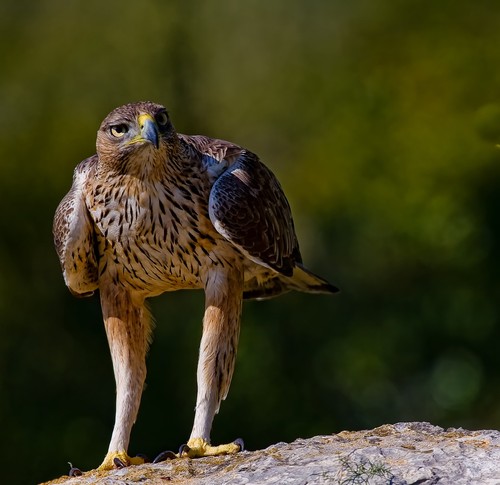
Bonelli's Eagle
Body 65–72 cm (26–28 in); wingspan 150–180 cm (59–71 in)
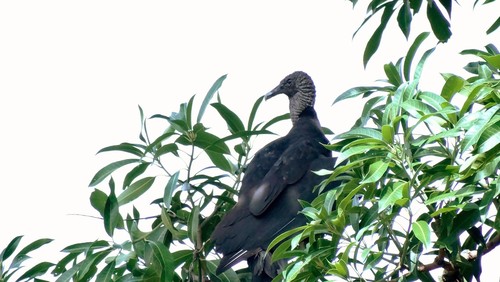
Black Vulture
56-68 cm (22-27 in) long, 137-165 cm wingspan
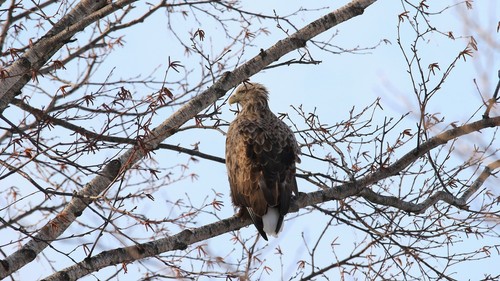
White-tailed Eagle
66-94 cm body length; wingspan 178-245 cm, among the largest eagles in the world
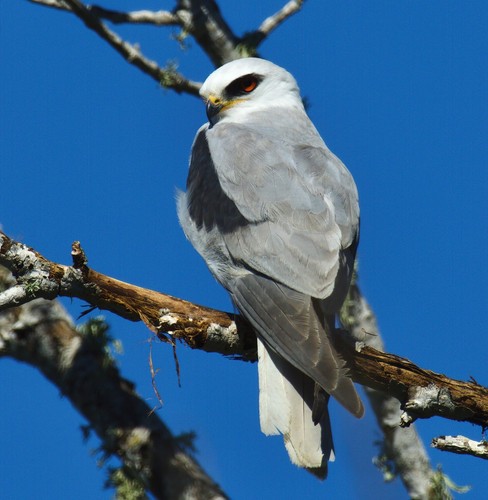
White-tailed Kite
35-43 cm (14-17 in) long, 88-102 cm (35-40 in) wingspan
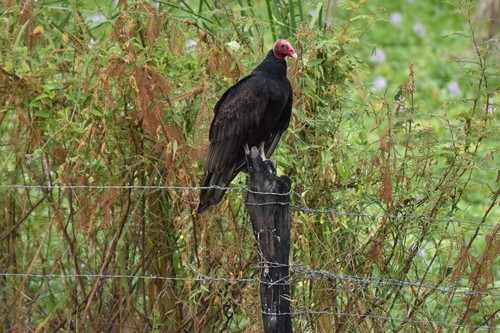
Turkey Vulture
64-81 cm (25-32 in) long, 160-183 cm wingspan
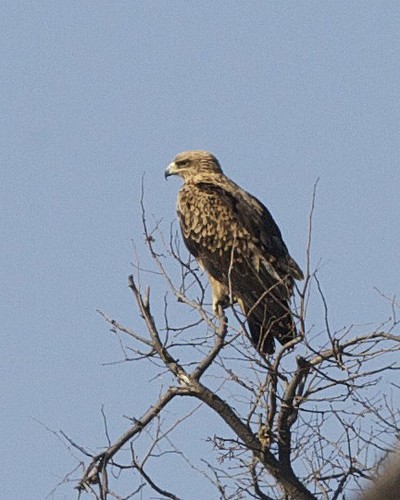
Tawny Eagle
62–75 cm long; wingspan 1.65–2.0 m
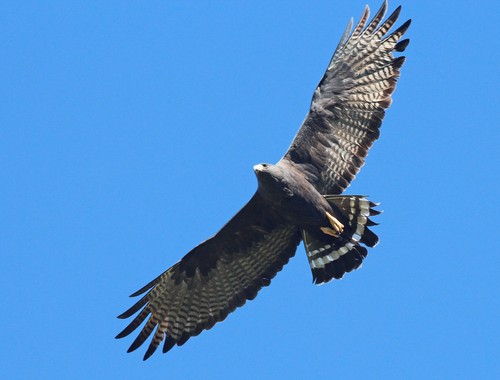
Zone-tailed Hawk
46-56 cm (18-22 in) long, 118-140 cm (46-55 in) wingspan
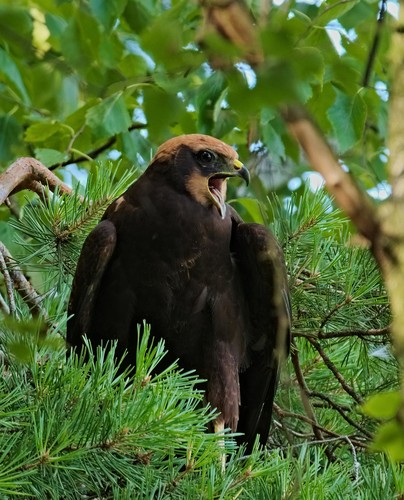
Western Marsh Harrier
Body 43-56 cm; wingspan 115-140 cm
Swallow-tailed Kite
48-68 cm (19-27 in) long including tail streamers, 112-136 cm (44-54 in) wingspan
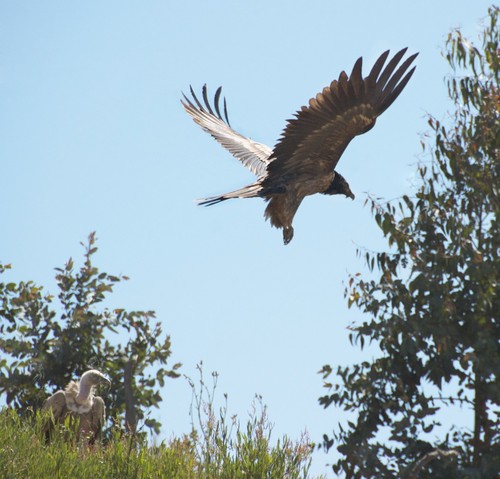
White-backed Vulture
78-98 cm long, wingspan 1.96-2.25 m
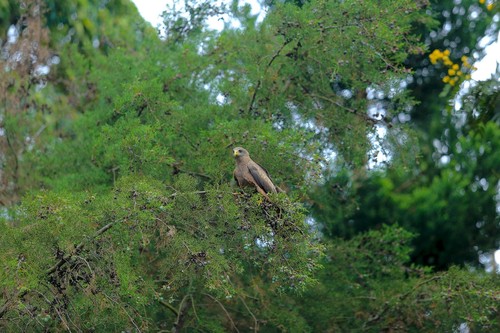
Yellow-billed Kite
55-60 cm long; wingspan 130-155 cm
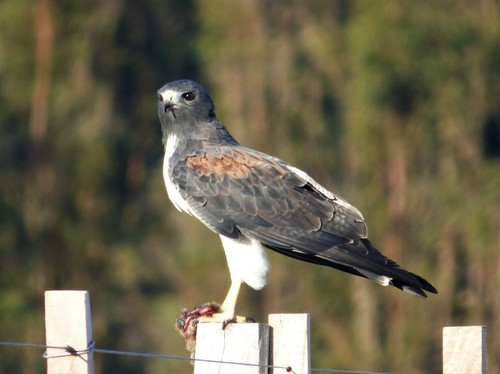
White-tailed Hawk
46-59 cm (18-23 in) long, 122-142 cm (48-56 in) wingspan