
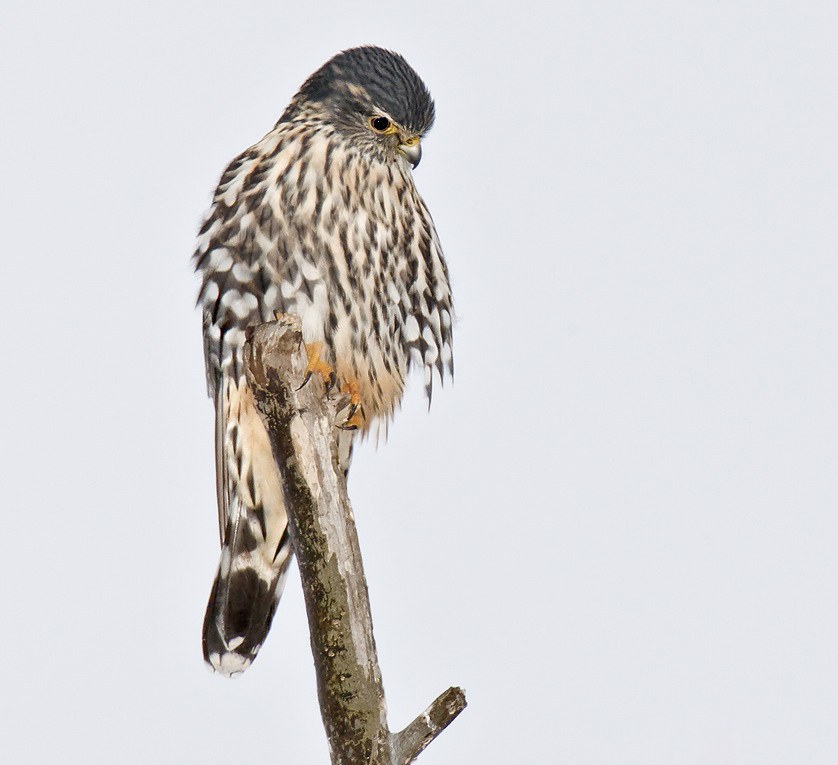
Merlin
Falco columbarius
A compact, fast-flying falcon that chases down small birds with relentless, low-level pursuit rather than a high stoop.
- Size
- 24-33 cm (9.5-13 in) long, 50-62 cm (20-24 in) wingspan
- Habitat
- open woodlands, tundra edges, coastlines, and increasingly urban areas in winter
- Type
- raptor
Spotted a bird like this?
Identify any bird from a photo, free.
Overview
The Merlin is a small, stocky falcon, slightly larger and bulkier than an American Kestrel but with a much plainer, less patterned face lacking a strong moustache mark. Males are blue-gray above, while females and immatures are brown, and both sexes show heavy dark streaking on the underparts and a banded tail.
Unlike the Peregrine's high stoop, Merlins typically hunt with fast, low, direct pursuit flights, chasing down small birds in open terrain with sheer speed and persistence rather than a dramatic aerial dive.
How to identify it
Key Field Marks
- Compact, powerful build with heavily streaked underparts and a banded tail
- Males blue-gray above; females and immatures brown above
- Faint or absent facial moustache mark compared to other falcons
- Fast, low, direct flight, often chasing small birds close to the ground
Similar Species
- American Kestrel: smaller, more colorful with a rufous back and bold facial stripes.
- Peregrine Falcon: larger with a strong facial moustache mark and different hunting style (high stoops rather than low pursuit).
Habitat & range
Range
Merlins breed across the boreal forest and open woodlands of Canada, Alaska, and the northern United States, wintering across much of the U.S., Mexico, and into Central and South America.
Habitat
Breeding habitat includes open boreal forest edges, tundra shrub, and parkland; in winter, Merlins are found in open country, coastlines, farmland, and increasingly cities, where they hunt flocking songbirds around parks and feeders.
Behavior & voice
Hunting
Merlins hunt with fast, low, aggressive pursuit flights, often surprising small birds by attacking from a concealed low approach and relying on speed and agility rather than height.
Voice
The call is a rapid, high-pitched chattering "ki-ki-ki," typically given near the nest or during interactions with other falcons.
Nesting
Merlins do not build their own nests, instead using old stick nests of crows or other raptors in trees, or nesting on the ground in open tundra habitat in some populations.
Frequently asked questions
How is a Merlin different from an American Kestrel?
Merlins are bulkier and darker with heavy streaking below and little facial pattern, while kestrels are smaller, more colorful, and show bold facial stripes and a rufous back.
How do Merlins hunt?
They chase small birds in fast, low, direct pursuit flights close to the ground, relying on speed and surprise rather than a high stoop like a Peregrine Falcon.
Where do Merlins nest?
They do not build their own nests, instead using abandoned stick nests of crows or other birds, or nesting on the ground in open tundra.
Merlin guides
In-depth guides for identifying, finding, and understanding Merlin.
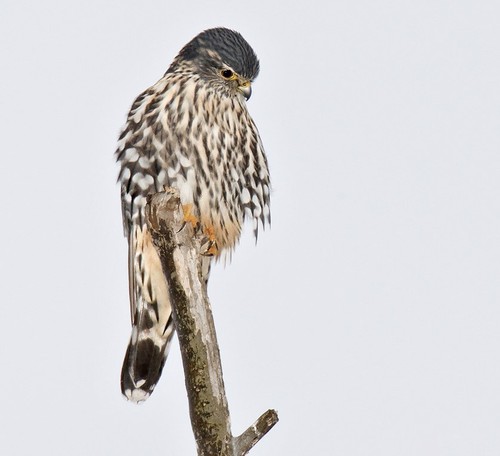
Other birds you may enjoy
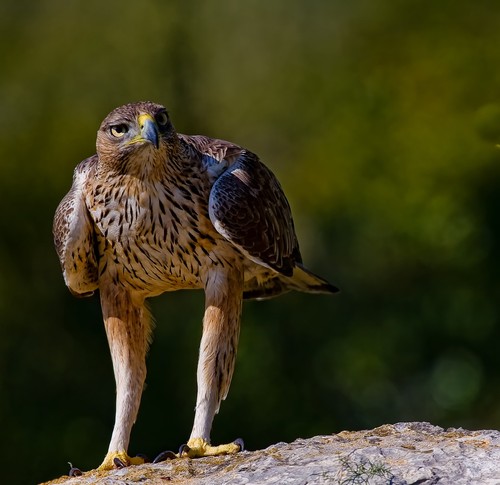
Bonelli's Eagle
Body 65–72 cm (26–28 in); wingspan 150–180 cm (59–71 in)
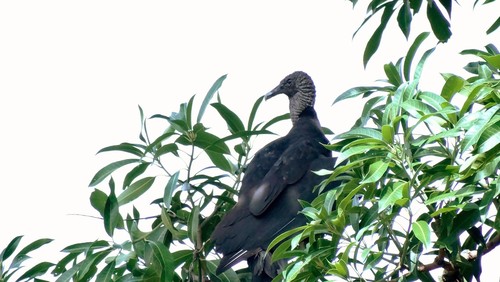
Black Vulture
56-68 cm (22-27 in) long, 137-165 cm wingspan
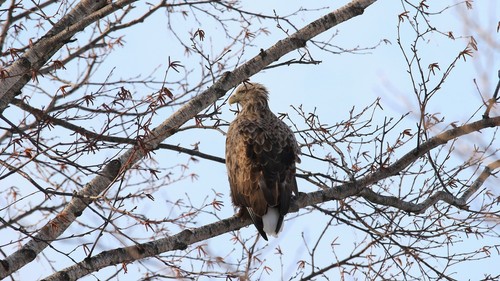
White-tailed Eagle
66-94 cm body length; wingspan 178-245 cm, among the largest eagles in the world
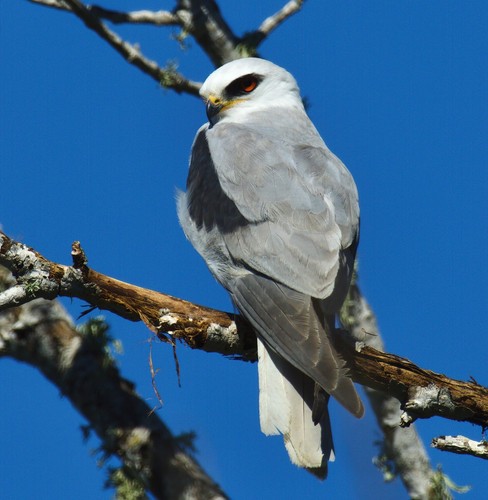
White-tailed Kite
35-43 cm (14-17 in) long, 88-102 cm (35-40 in) wingspan
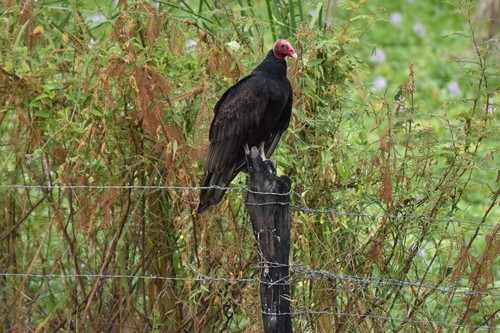
Turkey Vulture
64-81 cm (25-32 in) long, 160-183 cm wingspan
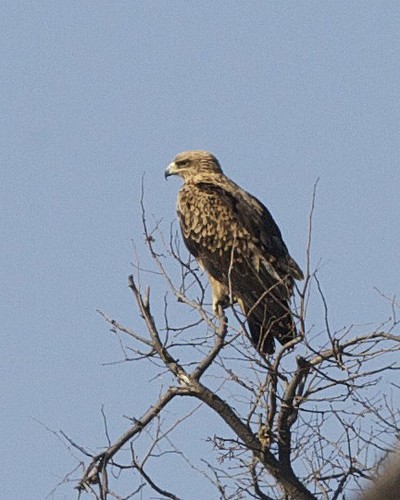
Tawny Eagle
62–75 cm long; wingspan 1.65–2.0 m
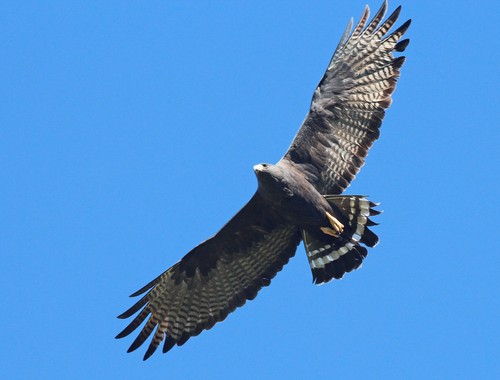
Zone-tailed Hawk
46-56 cm (18-22 in) long, 118-140 cm (46-55 in) wingspan
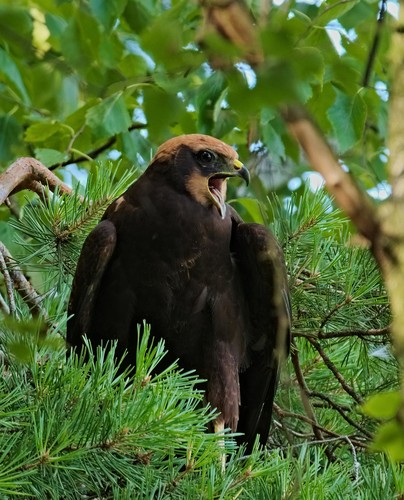
Western Marsh Harrier
Body 43-56 cm; wingspan 115-140 cm
Swallow-tailed Kite
48-68 cm (19-27 in) long including tail streamers, 112-136 cm (44-54 in) wingspan
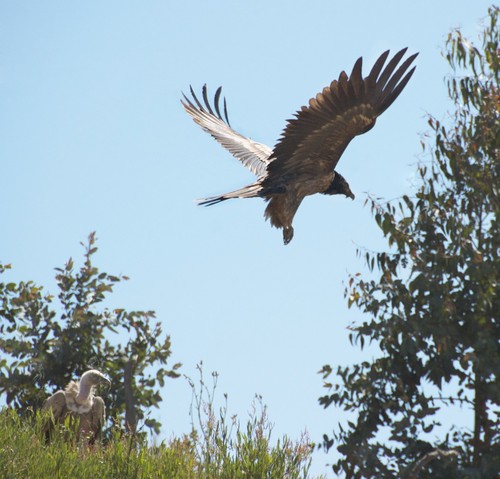
White-backed Vulture
78-98 cm long, wingspan 1.96-2.25 m
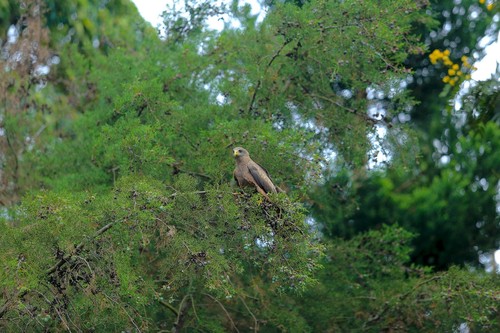
Yellow-billed Kite
55-60 cm long; wingspan 130-155 cm
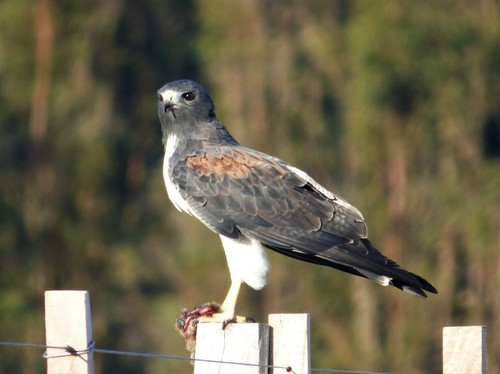
White-tailed Hawk
46-59 cm (18-23 in) long, 122-142 cm (48-56 in) wingspan