
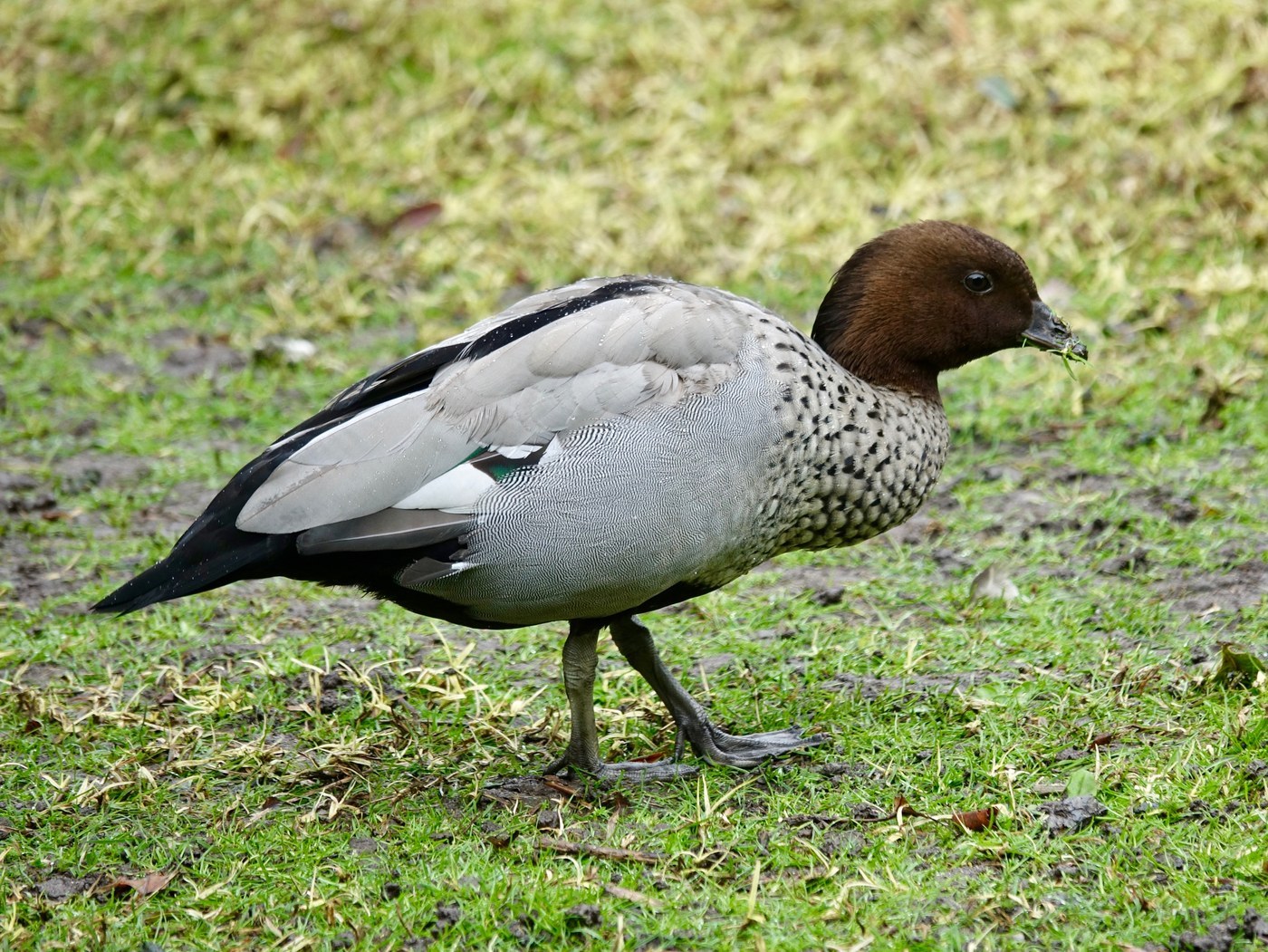
Maned Duck
Chenonetta jubata
A common Australian duck, also called the Australian Wood Duck, known for its dark maned head and its habit of grazing on grass far from water.
- Size
- 44-50 cm (17-20 in) long
- Habitat
- grasslands, pastures, and parks near dams, wetlands, and rivers
- Type
- waterfowl
Spotted a bird like this?
Identify any bird from a photo, free.
Overview
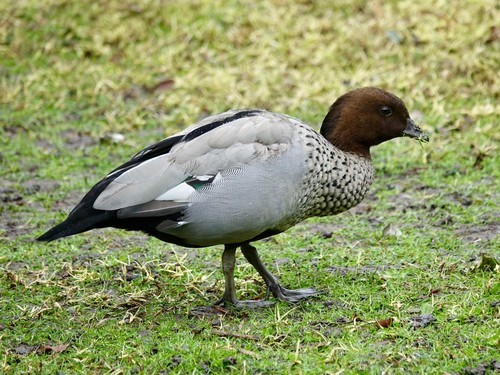
The Maned Duck, more commonly called the Australian Wood Duck, is a distinctive, goose-like waterfowl found across much of Australia. Males have a dark chocolate-brown head topped with a short, shaggy mane, a mottled grey body, and black-and-white markings on the flanks, while females are duller brown with pale stripes above and below the eye.
This species is unusual among ducks in behaving much like a goose: it spends the majority of its time grazing on grass in paddocks, parks, and ovals, often well away from any water body, and readily perches and roosts in trees.
Thanks to its adaptability to farmland and urban green spaces, the Maned Duck has become one of the most frequently seen waterfowl in Australian towns and cities, often observed walking across lawns in family groups.
How to identify it
Key field marks
- Dark chocolate-brown maned head in the male, contrasting with a pale grey bill
- Mottled grey-brown body with black-and-white flank patterning
- Female: duller, with pale eye stripes above and below the eye
- Frequently seen grazing on open grass rather than swimming
Similar species
The Pacific Black Duck is larger and uniformly dark brown with a bold facial eye-stripe and rarely grazes away from water. No other Australian duck shares the Maned Duck's combination of a maned head and predominantly terrestrial, grazing lifestyle.
Habitat & range
Habitat
Maned Ducks favour open, grassy habitats near water, including farm dams, pastures, wetlands, golf courses, and parklands, and adapt readily to artificial waterways in suburban areas.
Range
The species occurs across most of Australia excluding the driest desert regions, and is especially common in the southeast and southwest, including many major cities.
Migration
It is mostly sedentary but shows local nomadic movements linked to rainfall and grass or water availability, sometimes forming larger post-breeding flocks.
Behavior & voice
Behavior
This duck spends much of the day grazing on land in pairs or small groups, walking with an upright gait, and readily perches in trees, both to roost and to nest.
Voice
Males give a soft, mewing or wheezy whistle, while females utter a harsher, descending quack, often given in flight.
Feeding
It feeds primarily by grazing on short grasses, clover, and herbs, and takes relatively little food from open water compared with most ducks.
Nesting and breeding
Pairs nest in tree hollows, sometimes far from water and high above ground level; after hatching, the ducklings leap from the nest to the ground and are led by their parents to feeding areas and water.
Frequently asked questions
Is the Maned Duck the same as the Australian Wood Duck?
Yes, Maned Duck and Australian Wood Duck are two common names for the same species, Chenonetta jubata.
Why does the Maned Duck graze on grass?
It has an unusually terrestrial, goose-like lifestyle among ducks, with a bill suited to grazing vegetation on land rather than dabbling in water.
Where does the Maned Duck nest?
It nests in tree hollows, sometimes well away from water, with ducklings jumping to the ground soon after hatching.
What does the Maned Duck eat?
Mainly grasses, clover, and herbs, along with some insects, obtained by grazing on land.
Where can I see Maned Ducks?
They are common on farmland, parks, golf courses, and suburban water bodies across much of Australia.
Maned Duck guides
In-depth guides for identifying, finding, and understanding Maned Duck.
Other birds you may enjoy
Red-necked Grebe
40-55 cm (16-22 in) long, 77-85 cm wingspan
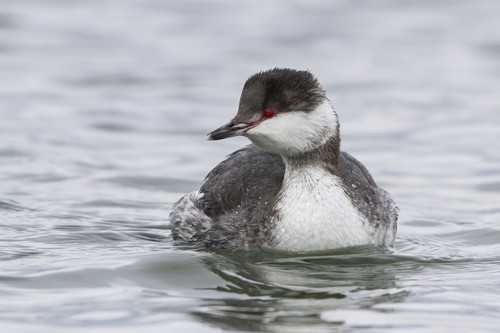
Horned Grebe
31-38 cm (12-15 in) long, 46-55 cm wingspan
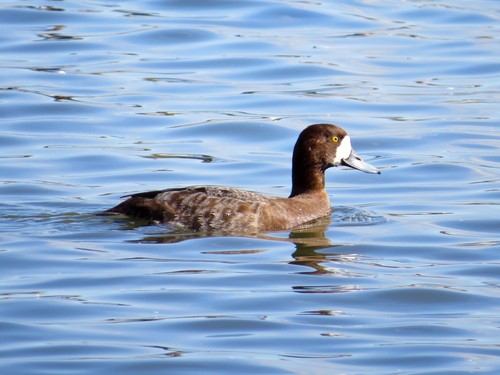
Greater Scaup
42-51 cm (16.5-20 in) long, 71-84 cm wingspan
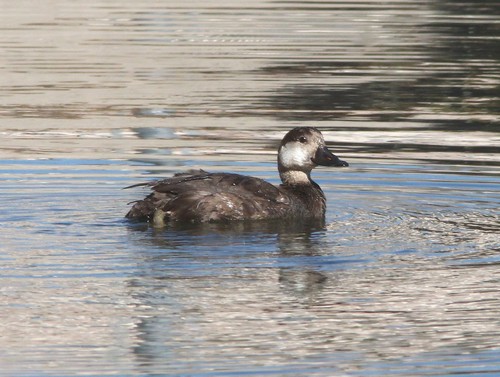
Black Scoter
43-54 cm (17-21 in) long, 79-90 cm wingspan
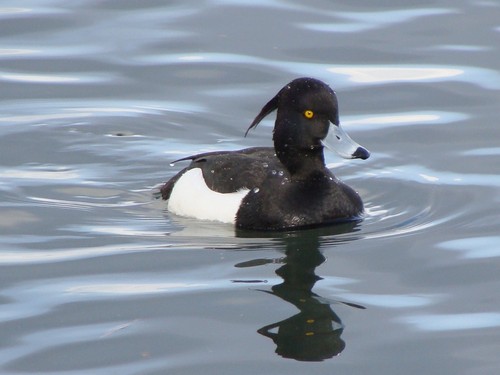
Tufted Duck
40-47 cm (16-18.5 in) long, 67-73 cm wingspan
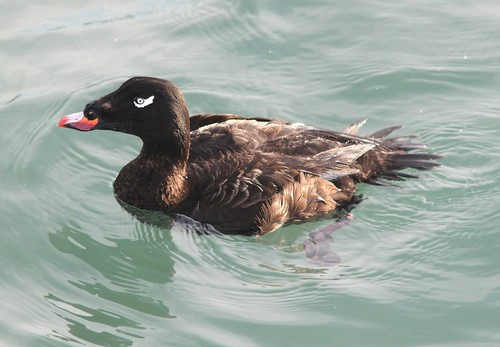
White-winged Scoter
48-58 cm (19-23 in) long, 86-99 cm wingspan
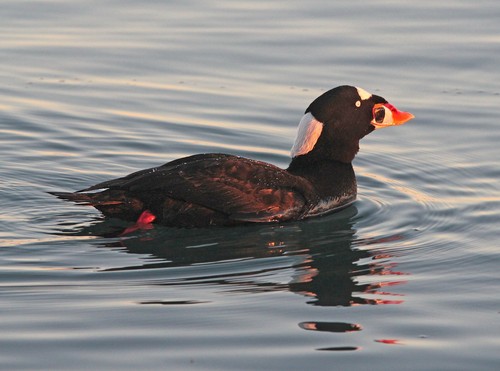
Surf Scoter
45-56 cm (18-22 in) long, 78-92 cm wingspan
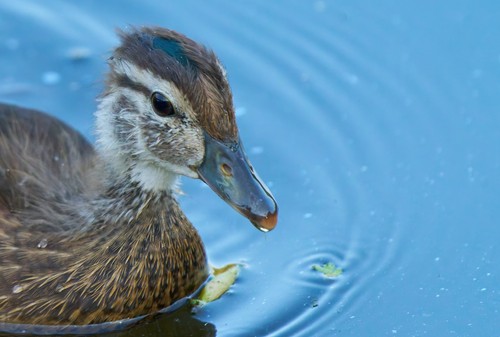
Wood Duck
47-54 cm (18.5-21 in) long, 66-73 cm wingspan
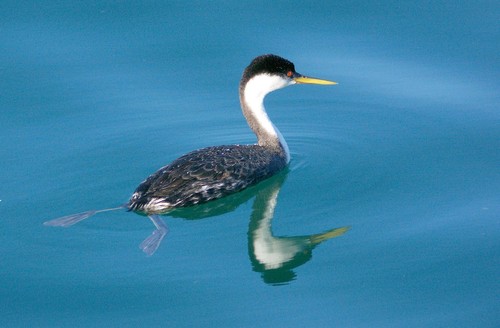
Western Grebe
56-74 cm (22-29 in) long, 79-102 cm wingspan
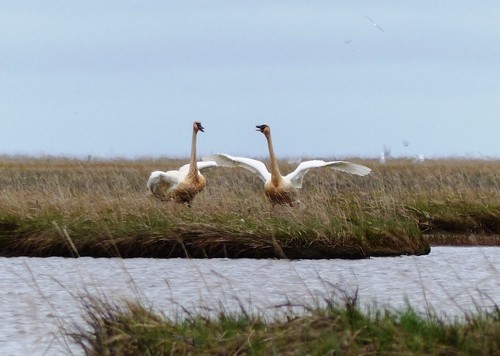
Tundra Swan
115-150 cm (45-59 in) long, about 180 cm wingspan
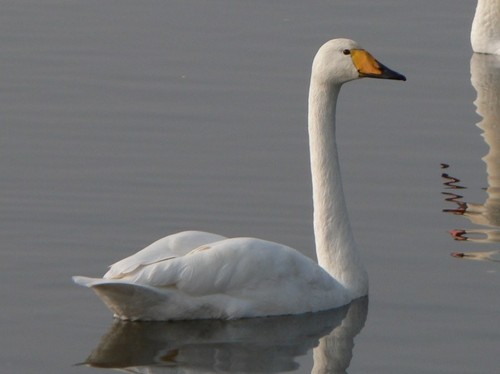
Whooper Swan
140-165 cm (55-65 in) long, 205-235 cm wingspan
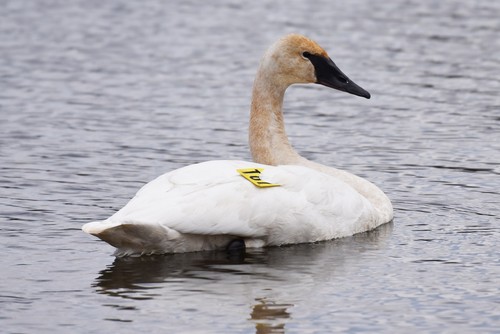
Trumpeter Swan
150-180 cm (59-71 in) long, up to 300 cm wingspan