
Mandarin Duck
Aix galericulata
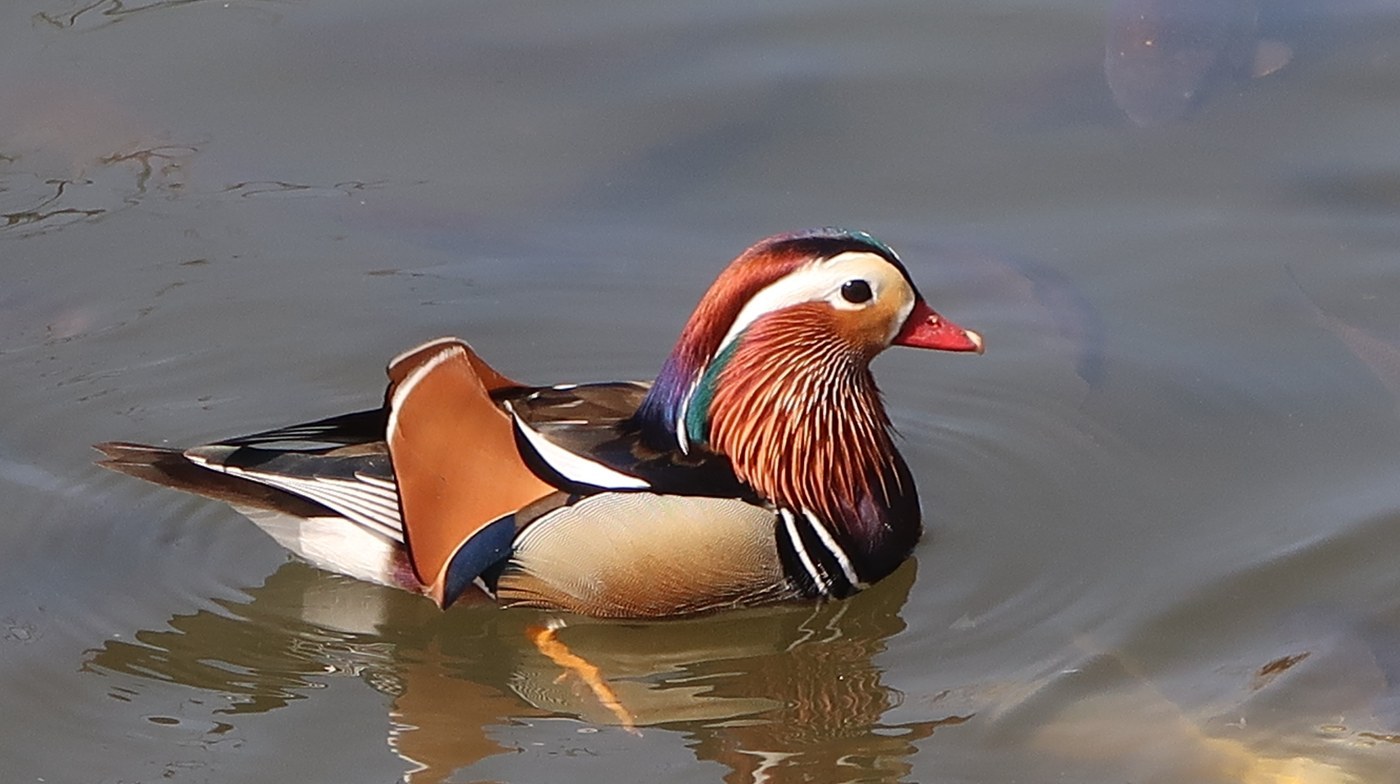
One of the world's most ornately colored waterfowl, the Mandarin Duck drake sports orange 'sail' feathers, a fan-shaped crest, and intricate facial patterning.
- Size
- 41-49 cm (16-19 in) long, 65-75 cm wingspan
- Habitat
- wooded ponds, lakes, and slow rivers; native to East Asia, with feral populations established elsewhere
- Type
- waterfowl
Spotted a bird like this?
Identify any bird from a photo, free.
Overview
The Mandarin Duck is the East Asian counterpart and closest relative of the Wood Duck, and is often considered the most spectacularly plumaged duck in the world. The breeding drake displays an extraordinary combination of features: a broad, multicolored crest sweeping back from the head, bold white eyebrow stripes, orange "whiskers" on the cheeks, and a pair of large, upright orange "sail" feathers rising from the back near the folded wings.
Females are far plainer, mottled gray-brown with a white eye-ring and stripe trailing back from the eye, similar in general pattern to a female Wood Duck. The species is native to East Asia but is also widely kept in captivity worldwide, leading to established feral populations in parts of Europe and North America.
How to identify it
Key Field Marks
- Breeding drake: multicolored fan-like crest, white eyebrow stripe, orange cheek whiskers, purple breast, upright orange "sail" feathers on the back
- Female: gray-brown with a white eye-ring and trailing eye-stripe, small crest
- Both sexes: relatively small, compact duck shape similar to Wood Duck
Similar Species
The Wood Duck is the closest relative and most similar species; male Wood Ducks lack the Mandarin's orange sail feathers and cheek whiskers and instead show an all-iridescent green-and-purple head with a red eye. Female Mandarin and Wood Ducks are very similar and best separated by subtle eye-ring shape and range/context.
Habitat & range
Mandarin Ducks are native to forested wetlands, ponds, and slow rivers of eastern Asia, including China, Korea, Japan, and the Russian Far East, where northern populations migrate south for winter. The species nests in tree cavities near water, much like the Wood Duck.
Due to widespread ornamental captive-keeping, feral breeding populations have become established in parts of Western Europe (notably the United Kingdom) and, more locally, in North America, where escaped or released birds occasionally breed in the wild.
Behavior & voice
Mandarin Ducks forage by dabbling in shallow water and walking on land, eating seeds, acorns, grain, and aquatic invertebrates, similar in habits to the Wood Duck. They are agile perchers, comfortable moving among tree branches near their nesting cavities.
The male's calls include soft whistles and a variety of quiet notes used during courtship displays, which involve elaborate posturing that shows off the ornate plumage, including the raised sail feathers. Like the Wood Duck, females nest in tree cavities and lead ducklings to water shortly after they hatch and leap from the nest entrance.
Frequently asked questions
Is the Mandarin Duck native to North America?
No, it is native to East Asia; feral populations exist in parts of Europe and small numbers occur locally in North America from escaped or released captive birds.
How is the Mandarin Duck related to the Wood Duck?
They are each other's closest relatives, placed together in the genus Aix, and share a similar body shape, tree-cavity nesting habit, and ornate male plumage.
What does a male Mandarin Duck look like?
It has a multicolored crest, white eyebrow stripe, orange cheek whiskers, and distinctive upright orange 'sail' feathers on its back.
Where do Mandarin Ducks nest?
Like Wood Ducks, they nest in tree cavities near water.
What do Mandarin Ducks eat?
They eat seeds, acorns, grain, and aquatic invertebrates, foraging both in water and on land.
Mandarin Duck guides
In-depth guides for identifying, finding, and understanding Mandarin Duck.
Other birds you may enjoy
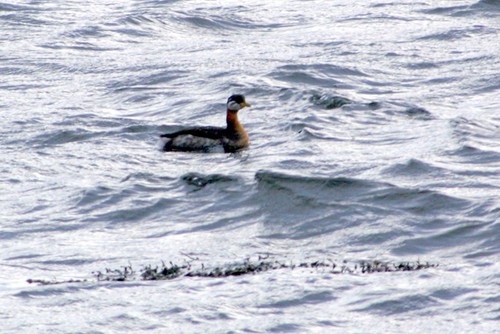
Red-necked Grebe
40-55 cm (16-22 in) long, 77-85 cm wingspan
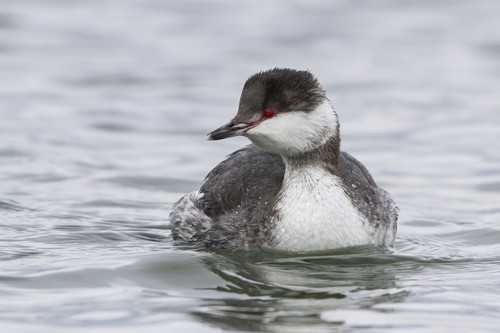
Horned Grebe
31-38 cm (12-15 in) long, 46-55 cm wingspan
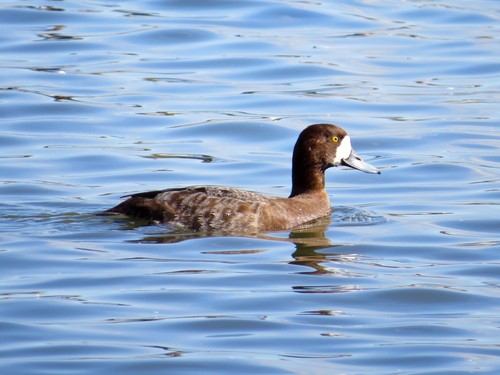
Greater Scaup
42-51 cm (16.5-20 in) long, 71-84 cm wingspan
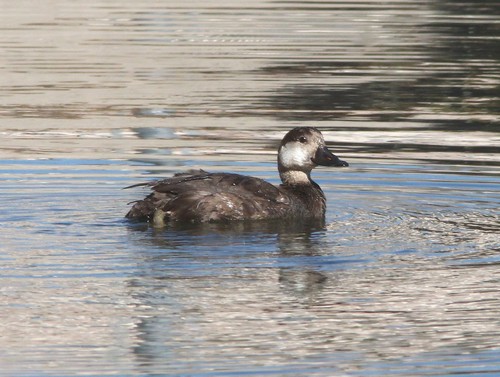
Black Scoter
43-54 cm (17-21 in) long, 79-90 cm wingspan
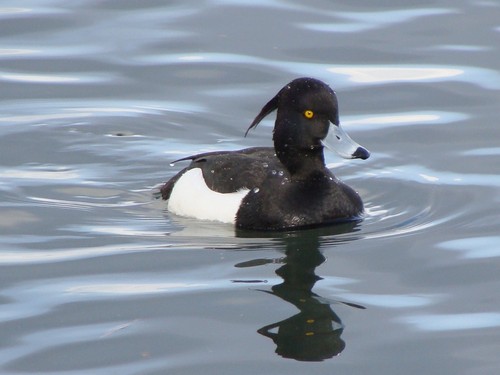
Tufted Duck
40-47 cm (16-18.5 in) long, 67-73 cm wingspan
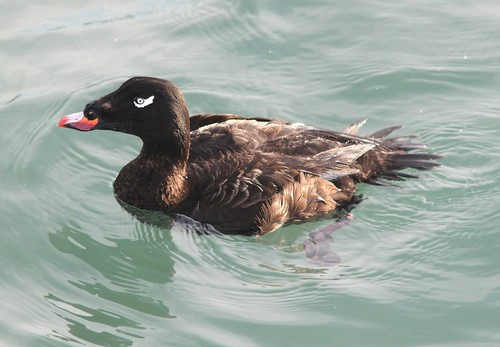
White-winged Scoter
48-58 cm (19-23 in) long, 86-99 cm wingspan
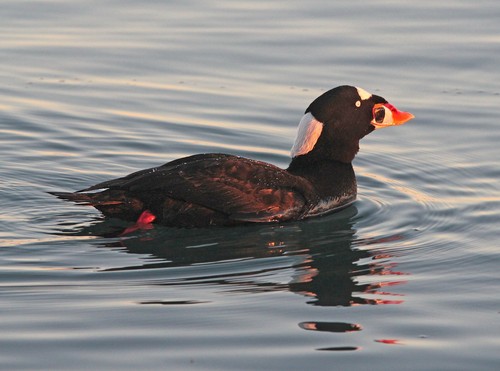
Surf Scoter
45-56 cm (18-22 in) long, 78-92 cm wingspan
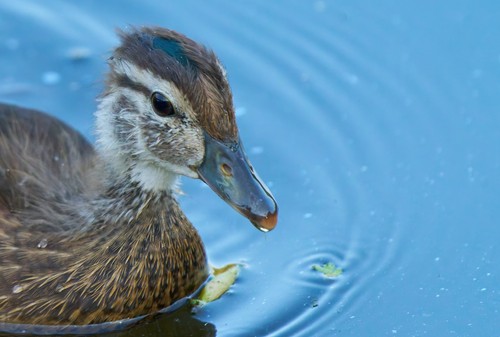
Wood Duck
47-54 cm (18.5-21 in) long, 66-73 cm wingspan
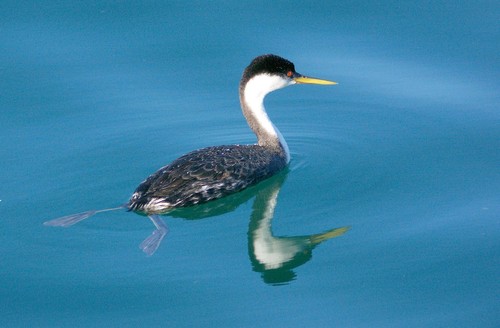
Western Grebe
56-74 cm (22-29 in) long, 79-102 cm wingspan
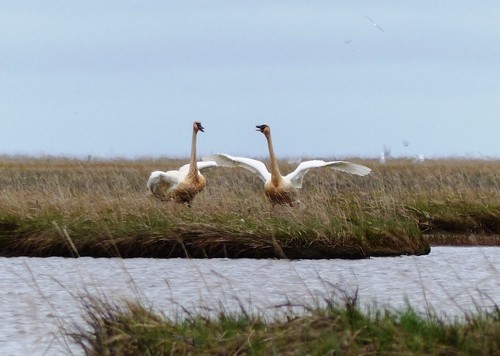
Tundra Swan
115-150 cm (45-59 in) long, about 180 cm wingspan
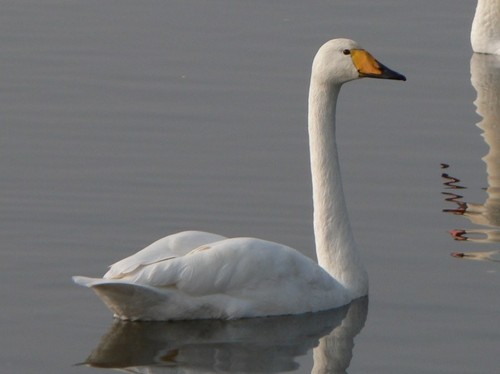
Whooper Swan
140-165 cm (55-65 in) long, 205-235 cm wingspan
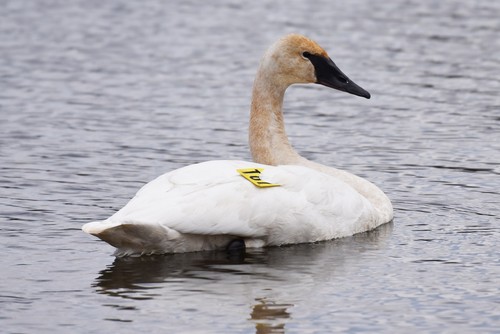
Trumpeter Swan
150-180 cm (59-71 in) long, up to 300 cm wingspan