
Mallard
Anas platyrhynchos
The most familiar and widespread duck in the world, with the male's glossy green head, yellow bill, and white neck ring recognizable on ponds nearly everywhere.
- Size
- 50-65 cm (20-26 in) long, 81-98 cm wingspan
- Habitat
- ponds, lakes, marshes, rivers, and urban parks across nearly all of the Northern Hemisphere
- Type
- waterfowl
Spotted a bird like this?
Identify any bird from a photo, free.
Overview
The Mallard is the archetypal wild duck, ancestor to nearly all domestic duck breeds and one of the most widely distributed waterfowl species on Earth. The breeding drake is unmistakable: an iridescent bottle-green head, bright yellow bill, chestnut breast, gray flanks, and a curled black tail feather, all set off by a crisp white neck ring.
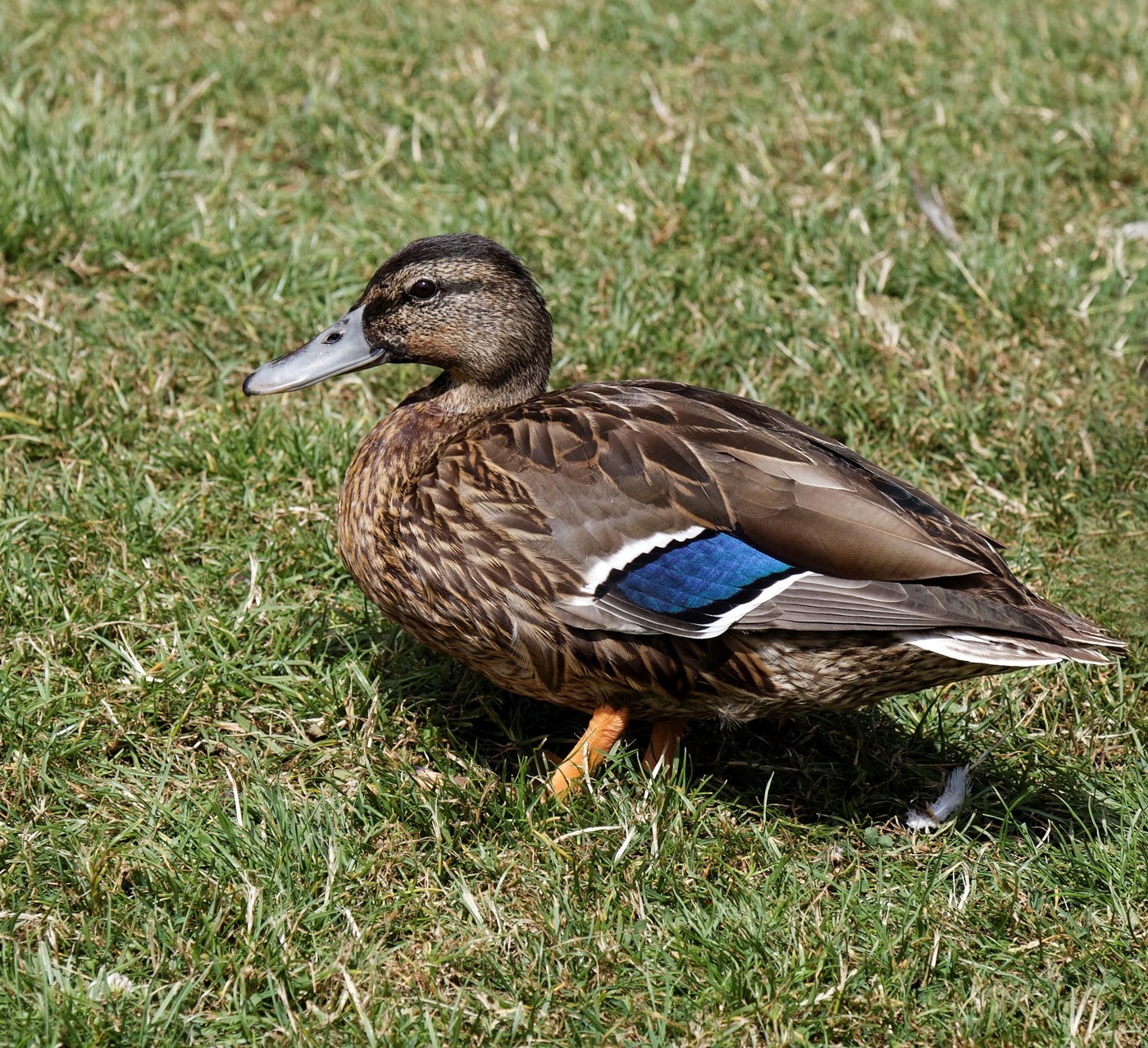
Females are mottled brown overall with an orange-and-black bill, providing camouflage while nesting, but both sexes share a bright blue speculum (wing patch) bordered in white, visible in flight or at rest. Mallards are highly adaptable and comfortable around people, making them the default "duck" familiar to most people worldwide.
How to identify it
Key Field Marks
- Breeding drake: glossy green head, yellow bill, white neck ring, chestnut breast, gray body, curled black tail feather
- Female: mottled brown overall, orange bill with dark saddle marking
- Both sexes: blue speculum bordered front and back with white bars
- Orange legs and feet
Similar Species
American Black Ducks are darker overall with a duller olive bill and lack the male Mallard's bright coloring; female Mallards can resemble female American Black Ducks but are paler and browner with a more contrasting bill pattern. Domestic and hybrid ducks derived from Mallards can show unusual plumage combinations, but pure wild Mallards follow the classic pattern described above.
Habitat & range
Mallards are extraordinarily adaptable, found on virtually any body of water from wilderness lakes and marshes to farm ponds, city park lagoons, and roadside ditches. They breed across most of North America, Europe, and Asia, and have been introduced widely elsewhere.
Many northern populations are migratory, moving south in fall to escape freezing water, while Mallards in milder climates and urban areas often remain resident year-round. They tolerate a very wide range of habitats and climates, contributing to their status as the most numerous and widespread duck species in the world.
Behavior & voice
Mallards are dabbling ducks, feeding by tipping forward to graze on submerged vegetation and invertebrates rather than diving, and they also readily graze on land and accept handouts in urban settings. Their diet includes aquatic plants, seeds, grain, and various invertebrates.
The female's voice is the classic loud, descending "quack-quack-quack" familiar from cartoons and childhood books, while the male's call is quieter and raspier. Pairs form in fall and winter, and females build a nest of grasses and down on the ground, often near water but sometimes surprisingly far from it, laying 8-13 eggs that she incubates alone. Mallards are also notable for readily hybridizing with many other duck species.
Frequently asked questions
What does a male Mallard look like?
It has a glossy green head, yellow bill, white neck ring, chestnut breast, gray body, and a small curled black tail feather.
Why do only female Mallards quack loudly?
The classic loud descending quack is given by females; males produce a quieter, raspier call.
Are Mallards the ancestor of domestic ducks?
Yes, nearly all domestic duck breeds (aside from Muscovy Ducks) are descended from wild Mallards.
Do Mallards migrate?
Northern populations migrate south for winter, but Mallards in milder or urban areas often remain resident year-round.
What do Mallards eat?
They dabble for aquatic vegetation, seeds, grain, and invertebrates, and readily forage on land as well.
Mallard guides
In-depth guides for identifying, finding, and understanding Mallard.
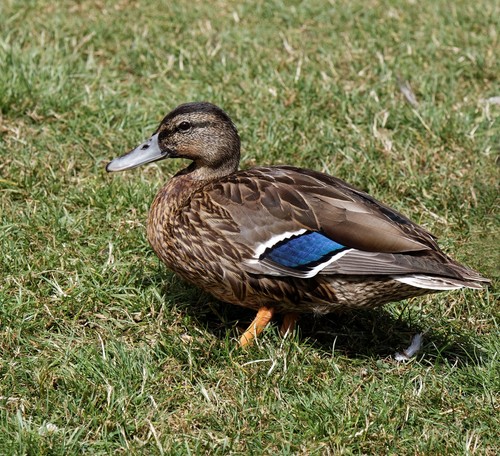
Mallard identified by the community
Real birds identified with Bird Identifier.
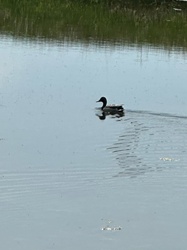
Other birds you may enjoy
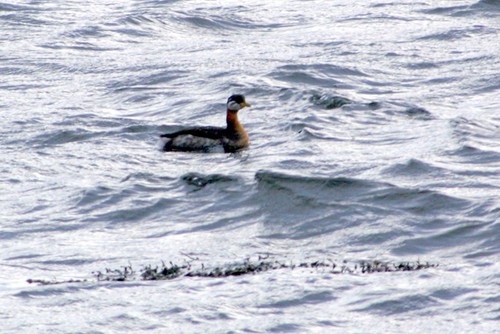
Red-necked Grebe
40-55 cm (16-22 in) long, 77-85 cm wingspan
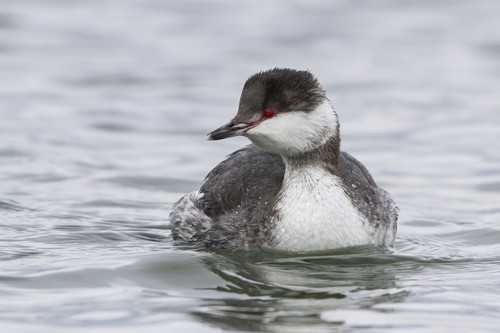
Horned Grebe
31-38 cm (12-15 in) long, 46-55 cm wingspan
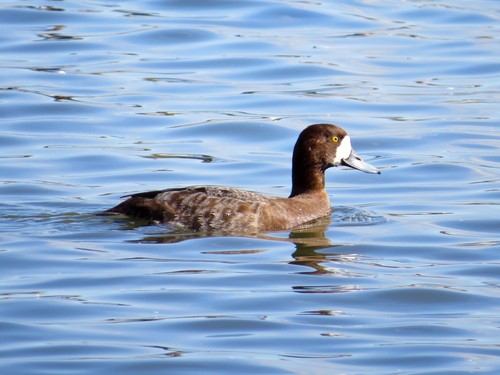
Greater Scaup
42-51 cm (16.5-20 in) long, 71-84 cm wingspan
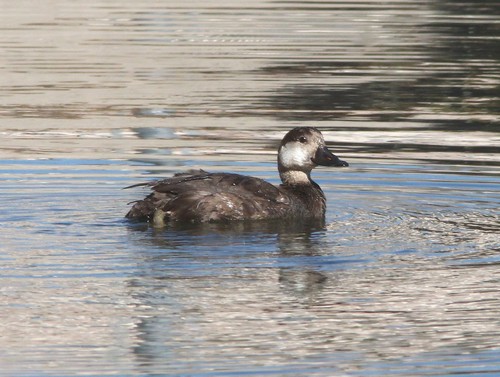
Black Scoter
43-54 cm (17-21 in) long, 79-90 cm wingspan
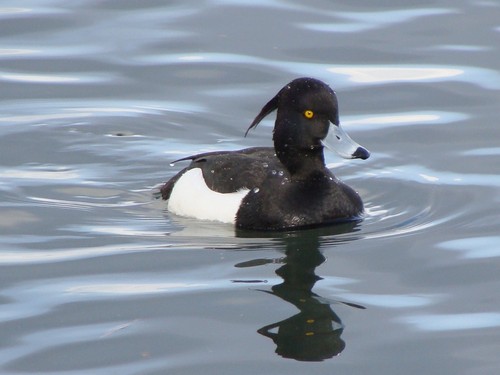
Tufted Duck
40-47 cm (16-18.5 in) long, 67-73 cm wingspan
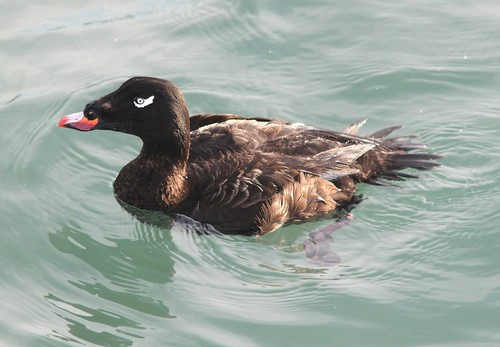
White-winged Scoter
48-58 cm (19-23 in) long, 86-99 cm wingspan
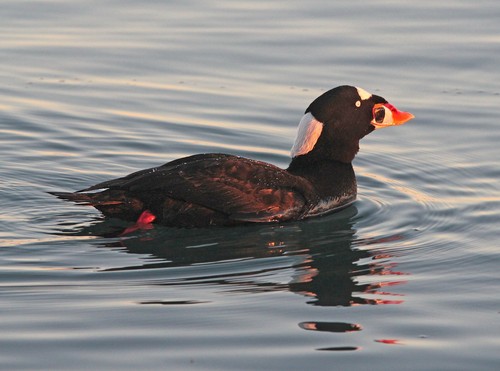
Surf Scoter
45-56 cm (18-22 in) long, 78-92 cm wingspan
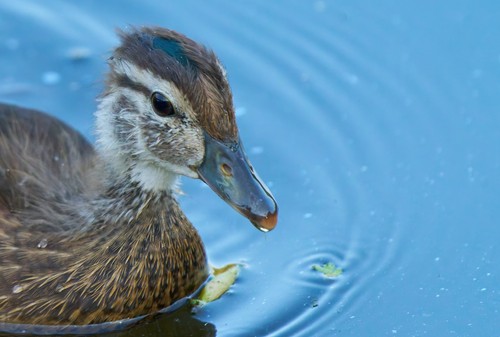
Wood Duck
47-54 cm (18.5-21 in) long, 66-73 cm wingspan
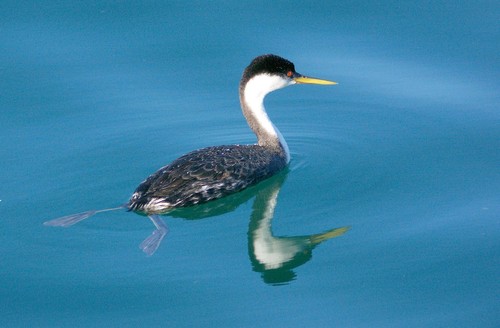
Western Grebe
56-74 cm (22-29 in) long, 79-102 cm wingspan
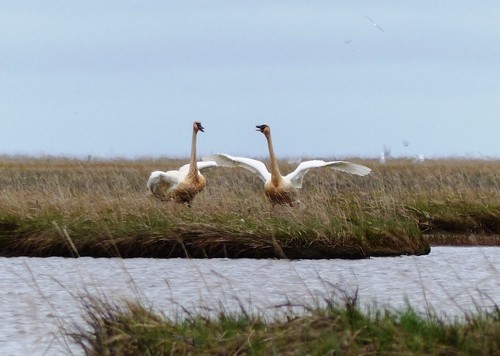
Tundra Swan
115-150 cm (45-59 in) long, about 180 cm wingspan
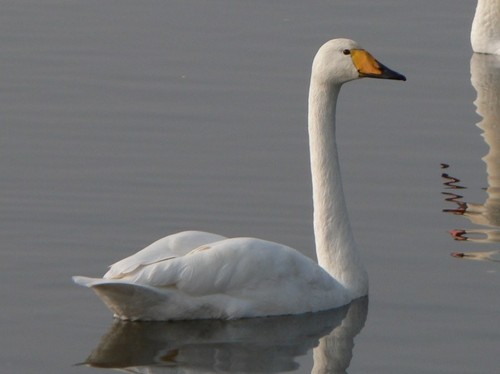
Whooper Swan
140-165 cm (55-65 in) long, 205-235 cm wingspan
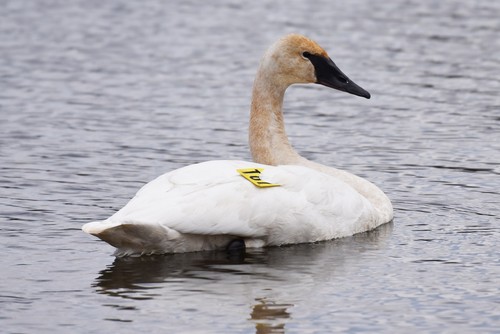
Trumpeter Swan
150-180 cm (59-71 in) long, up to 300 cm wingspan