
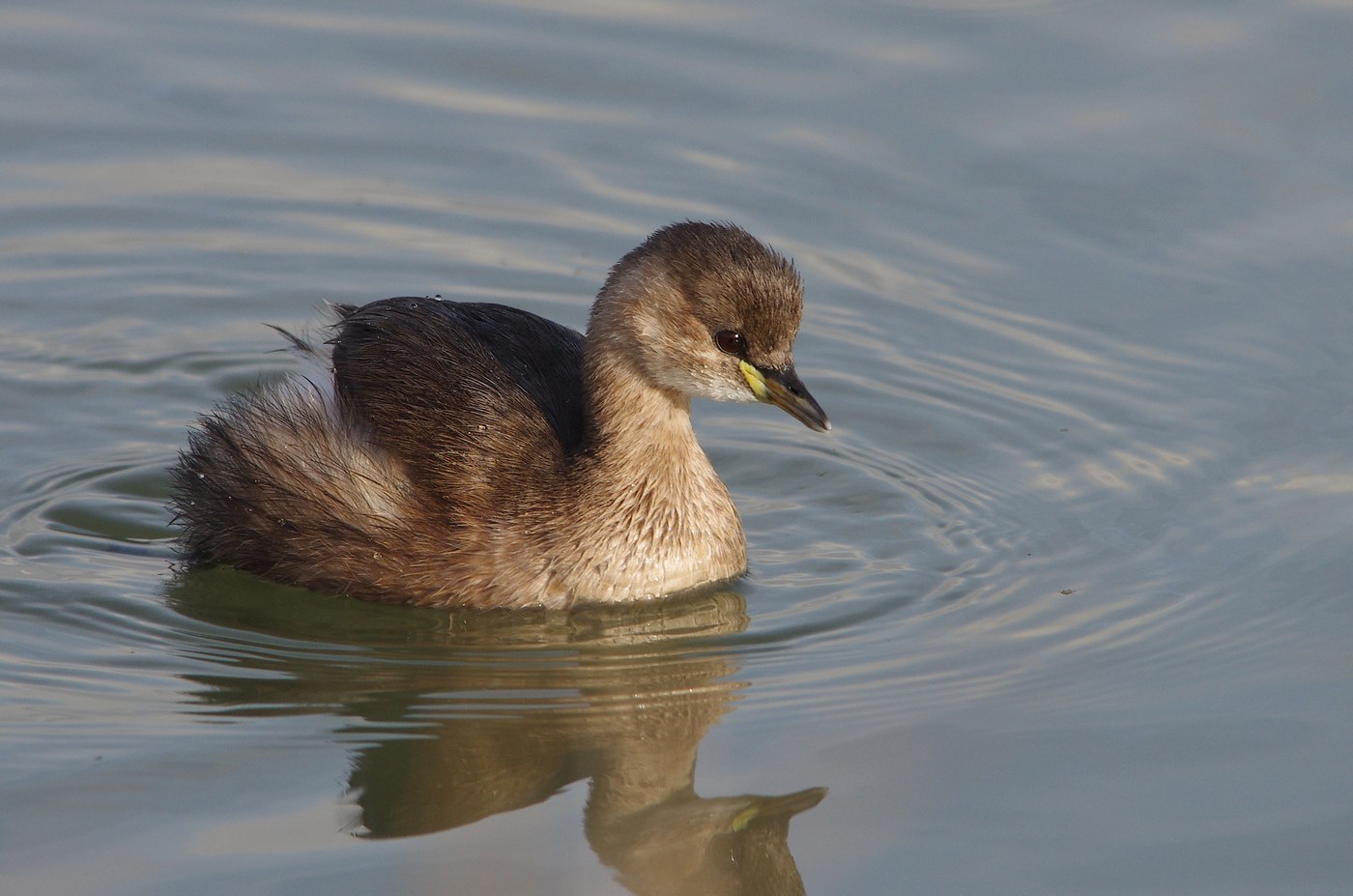
Little Grebe
Tachybaptus ruficollis
A tiny, round, chestnut-faced grebe of the Old World, often heard giving a whinnying trill from dense waterside vegetation before it is seen.
- Size
- 23-29 cm (9-11 in) long, 40-45 cm wingspan
- Habitat
- small ponds, ditches, and slow-moving freshwater with dense vegetation
- Type
- waterfowl
Spotted a bird like this?
Identify any bird from a photo, free.
Overview
The Little Grebe, widely nicknamed the "dabchick," is a small, dumpy waterbird with a short neck, a fluffy, almost tailless rear end, and a stubby bill. In breeding plumage it shows a rich chestnut face, throat, and neck sides, a dark cap, and a pale spot at the base of the bill. Outside the breeding season it becomes duller brown above and paler below, retaining its characteristically rounded, compact silhouette.
Often more easily heard than seen, it tends to skulk among reeds and waterside vegetation, diving frequently and popping up unpredictably some distance from where it submerged.
How to identify it
Key field marks
- Very small, compact, almost tailless body shape
- Breeding: chestnut face, throat, and neck with a dark cap and a pale spot at the bill base
- Non-breeding: duller brown-grey plumage, still retaining the rounded, dumpy shape
Similar species
- Pied-billed Grebe, its ecological counterpart in the Americas, has a thicker, paler bill and lacks the chestnut face.
- Its small size and rounded shape readily separate it from all larger grebe species within its Old World range.
Habitat & range
Habitat
Favors small, still or slow-moving freshwater bodies with dense fringing or emergent vegetation, including ponds, ditches, canals, and small lakes.
Range
Widespread across Europe, Africa, and Asia.
Migration
Mostly resident in milder regions, though northern populations move short distances to avoid freezing waters in winter.
Behavior & voice
Behavior
Shy and often difficult to observe, tending to dive and disappear into vegetation when disturbed rather than flying; frequently gives away its presence with its distinctive call before being seen.
Voice
Gives a loud, rippling, whinnying trill, often repeated and highly vocal during the breeding season.
Feeding
Dives to catch aquatic insects, small fish, and crustaceans in shallow water.
Nesting
Builds a small floating nest of waterweed anchored to vegetation; typically lays 4-6 whitish eggs that soon become stained brown.
Frequently asked questions
Why is the Little Grebe called a dabchick?
"Dabchick" is a traditional British nickname for the Little Grebe, referring to its small, dumpy shape and frequent diving behavior.
How big is a Little Grebe?
It is one of the smallest grebe species, typically only 23-29 cm (9-11 inches) long, with a compact, rounded body.
What does the Little Grebe sound like?
It gives a loud, rippling, whinnying trill that often reveals its presence in dense waterside vegetation before it is seen.
Where does the Little Grebe live?
It is found on small ponds, ditches, and slow freshwater habitats across Europe, Africa, and Asia.
Little Grebe guides
In-depth guides for identifying, finding, and understanding Little Grebe.
Other birds you may enjoy
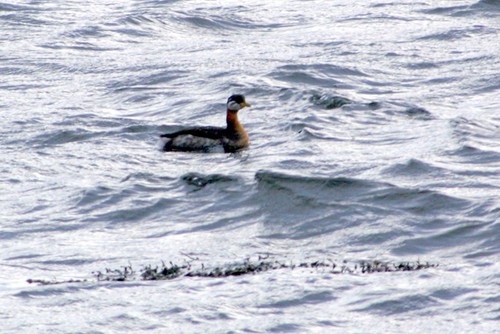
Red-necked Grebe
40-55 cm (16-22 in) long, 77-85 cm wingspan
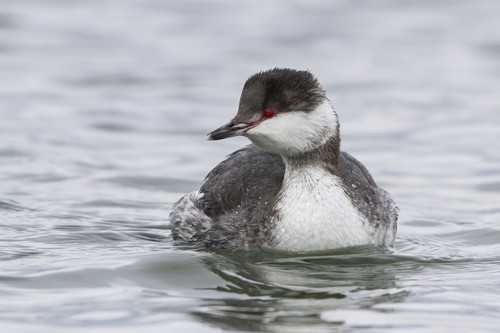
Horned Grebe
31-38 cm (12-15 in) long, 46-55 cm wingspan
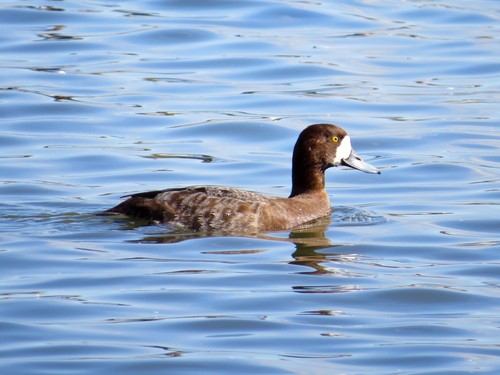
Greater Scaup
42-51 cm (16.5-20 in) long, 71-84 cm wingspan
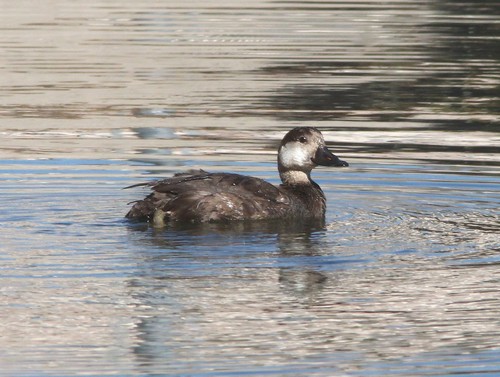
Black Scoter
43-54 cm (17-21 in) long, 79-90 cm wingspan
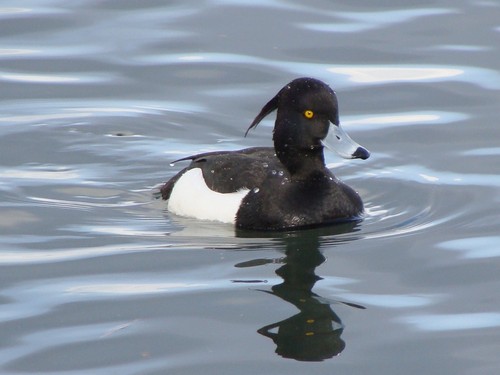
Tufted Duck
40-47 cm (16-18.5 in) long, 67-73 cm wingspan
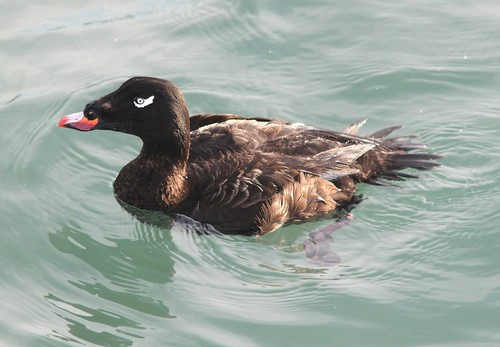
White-winged Scoter
48-58 cm (19-23 in) long, 86-99 cm wingspan
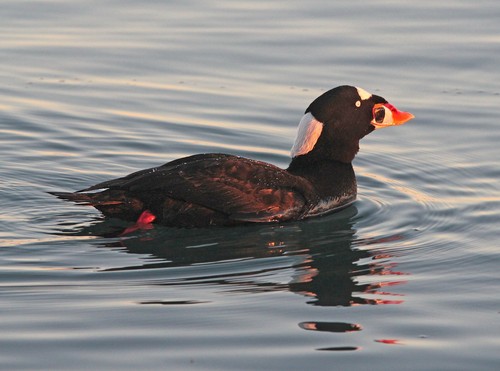
Surf Scoter
45-56 cm (18-22 in) long, 78-92 cm wingspan
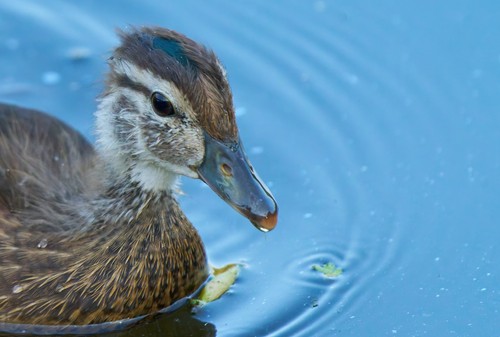
Wood Duck
47-54 cm (18.5-21 in) long, 66-73 cm wingspan
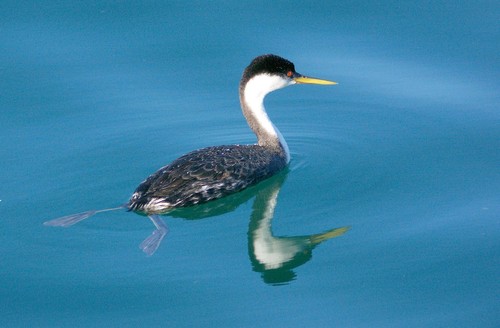
Western Grebe
56-74 cm (22-29 in) long, 79-102 cm wingspan
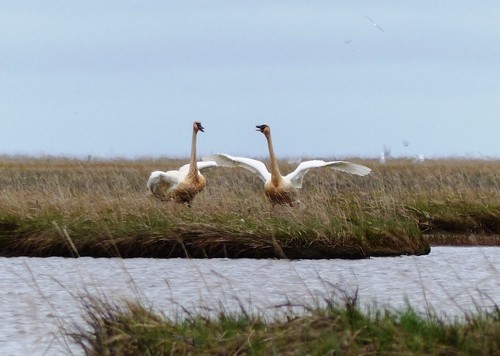
Tundra Swan
115-150 cm (45-59 in) long, about 180 cm wingspan
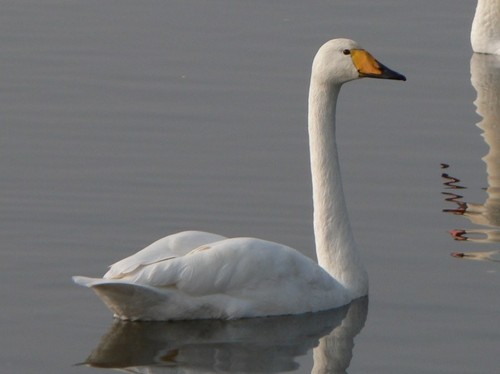
Whooper Swan
140-165 cm (55-65 in) long, 205-235 cm wingspan
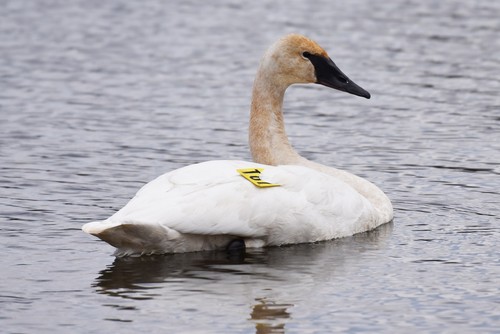
Trumpeter Swan
150-180 cm (59-71 in) long, up to 300 cm wingspan