
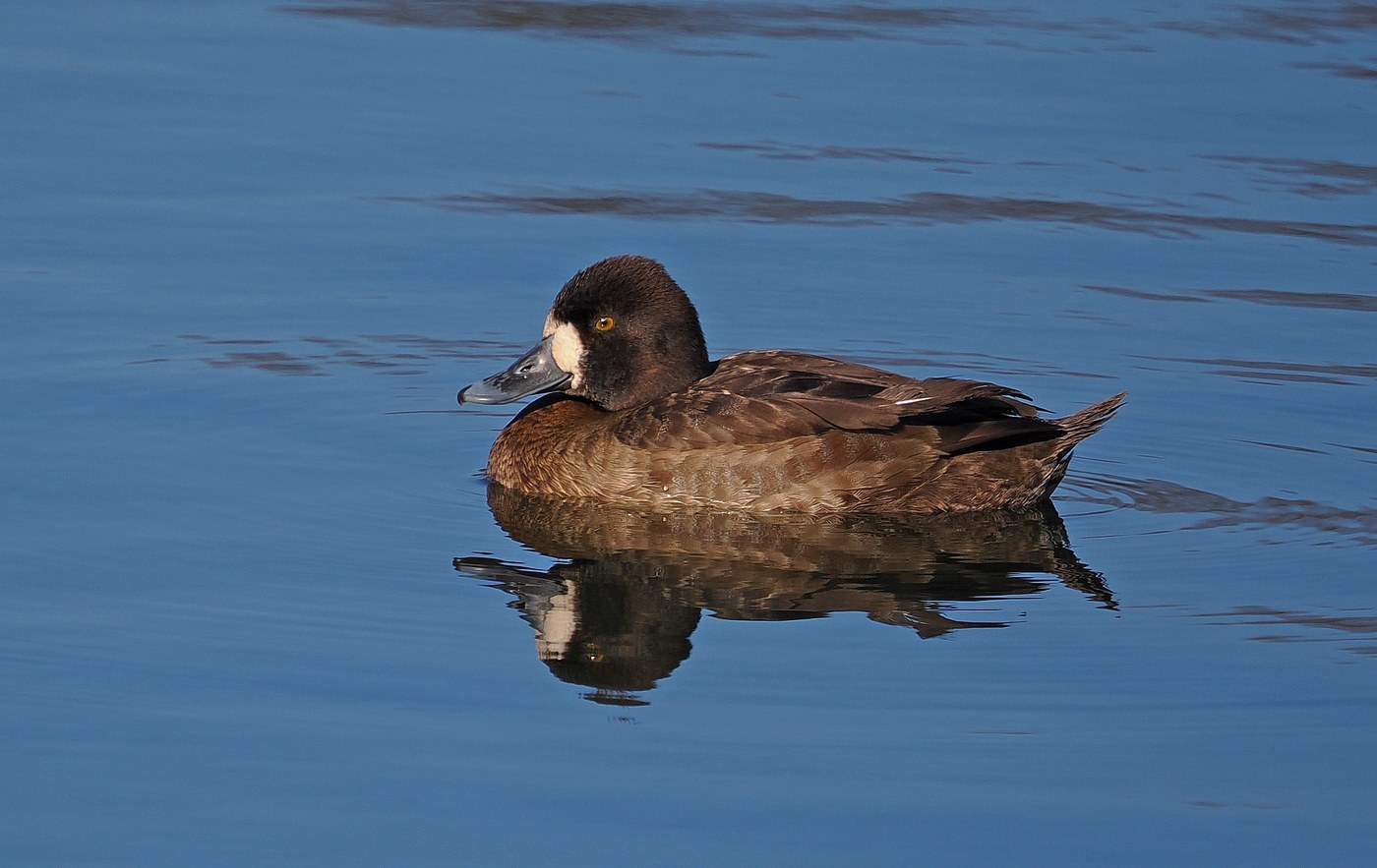
Lesser Scaup
Aythya affinis
North America's most abundant diving duck, closely resembling the Greater Scaup but with a peaked crown and a purplish (rather than greenish) head gloss.
- Size
- 38-48 cm (15-19 in) long, 68-78 cm wingspan
- Habitat
- lakes, ponds, marshes, and coastal bays across North America
- Type
- waterfowl
Spotted a bird like this?
Identify any bird from a photo, free.
Overview
The Lesser Scaup is the most numerous diving duck in North America and the smaller, more widespread of the two scaup species. The breeding drake shares the Greater Scaup's overall black-white-and-gray pattern, but its head shows a subtle purplish gloss (versus greenish) and is more peaked, with the highest point of the crown toward the rear rather than evenly rounded.
Females closely resemble female Greater Scaup, brown overall with a bold white patch at the base of the bill, and the two species require careful attention to head shape and, in flight, wing-stripe pattern to reliably distinguish.
How to identify it
Key Field Marks
- Peaked crown, highest toward the rear of the head, giving a slight bump profile
- Breeding drake: subtle purplish head gloss, black breast, pale gray back, white flanks
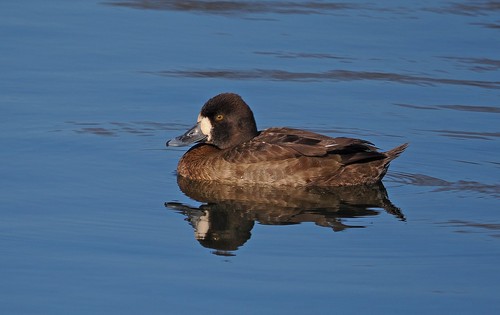
- Female: brown overall with a bold white patch at the base of the bill
- In flight, white wing stripe is shorter, mostly confined to the secondary feathers (versus extending into the primaries on Greater Scaup)
Similar Species
The Greater Scaup is very similar but slightly larger, with a rounder head (broadest toward the back), a greenish head gloss, and a longer white wing stripe extending into the primaries. Ring-necked Ducks have a more angular, sharply peaked head and a ringed bill, and females lack the scaup's bold white face patch.
Habitat & range
Lesser Scaup breed across the northern prairies, parklands, and boreal regions of North America, favoring marshes, ponds, and lakes with good emergent vegetation, extending somewhat farther south and inland than the more Arctic-breeding Greater Scaup. They winter very widely across the United States, Mexico, and Central America on lakes, reservoirs, rivers, and coastal bays.
As the most abundant diving duck on the continent, Lesser Scaup form large wintering flocks, sometimes numbering in the thousands, on productive lakes and coastal waters, though populations have declined somewhat from historic highs.
Behavior & voice
Lesser Scaup are diving ducks, feeding on mollusks, aquatic invertebrates, seeds, and plant material obtained by diving in a wide range of freshwater and coastal habitats. They are highly social, often forming large, dense rafts on open water, especially during migration and winter.
The voice is generally quiet outside the breeding season; males give soft, wheezy courtship notes, while females give a harsher scolding call. Nests are built on the ground in dense grass or marsh vegetation near water, with females incubating a clutch of 8-12 eggs alone.
Frequently asked questions
Is the Lesser Scaup the most common diving duck in North America?
Yes, it is generally considered the most abundant diving duck species on the continent.
How do you tell Lesser Scaup from Greater Scaup?
Lesser Scaup have a more peaked crown and a purplish head gloss, with a shorter white wing stripe in flight confined mainly to the secondaries, while Greater Scaup have a rounder head, greenish gloss, and a longer wing stripe extending into the primaries.
What do Lesser Scaup eat?
They dive for mollusks, aquatic invertebrates, seeds, and plant material across a wide range of habitats.
Where do Lesser Scaup breed?
They breed across northern prairies, parklands, and boreal regions of North America, somewhat farther south than the more Arctic Greater Scaup.
Why are scaup called 'bluebills'?
Both scaup species have a pale blue-gray bill, giving rise to the common hunting nickname 'bluebill.'
Lesser Scaup guides
In-depth guides for identifying, finding, and understanding Lesser Scaup.
Other birds you may enjoy
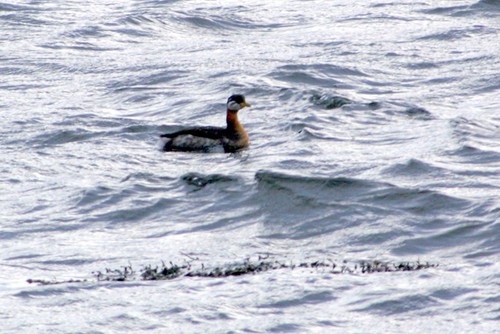
Red-necked Grebe
40-55 cm (16-22 in) long, 77-85 cm wingspan
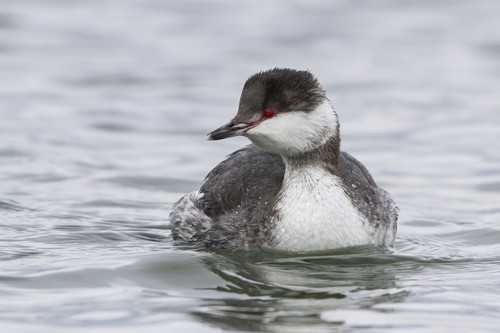
Horned Grebe
31-38 cm (12-15 in) long, 46-55 cm wingspan
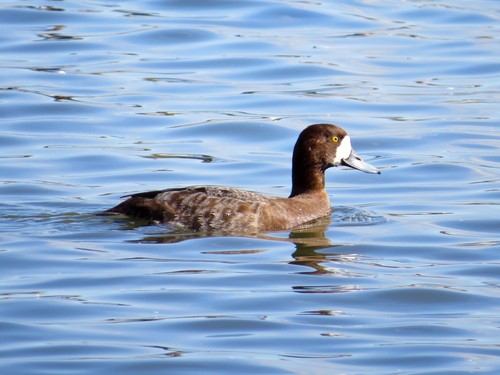
Greater Scaup
42-51 cm (16.5-20 in) long, 71-84 cm wingspan
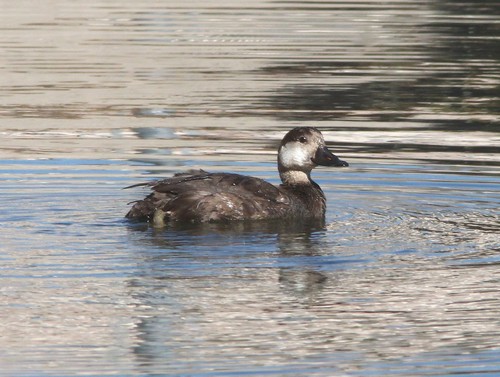
Black Scoter
43-54 cm (17-21 in) long, 79-90 cm wingspan
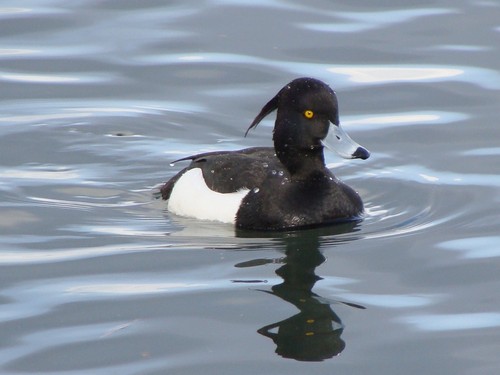
Tufted Duck
40-47 cm (16-18.5 in) long, 67-73 cm wingspan
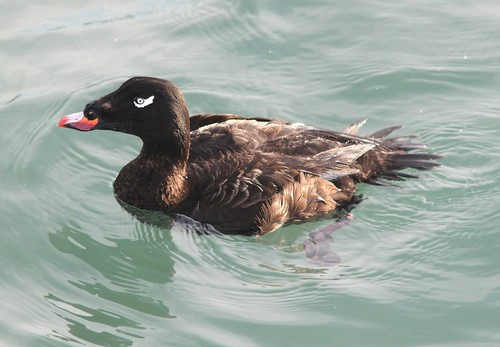
White-winged Scoter
48-58 cm (19-23 in) long, 86-99 cm wingspan
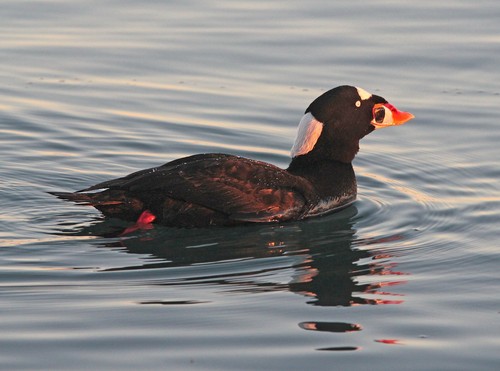
Surf Scoter
45-56 cm (18-22 in) long, 78-92 cm wingspan
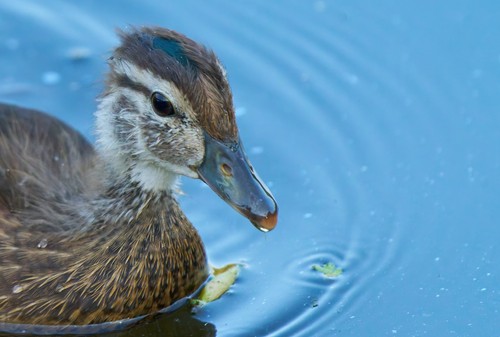
Wood Duck
47-54 cm (18.5-21 in) long, 66-73 cm wingspan
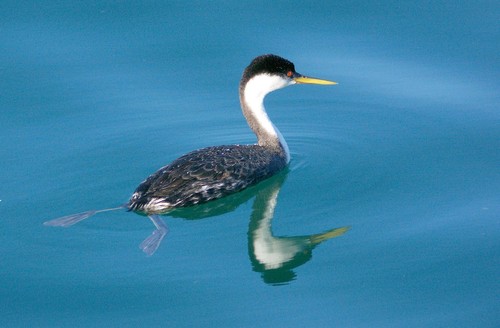
Western Grebe
56-74 cm (22-29 in) long, 79-102 cm wingspan
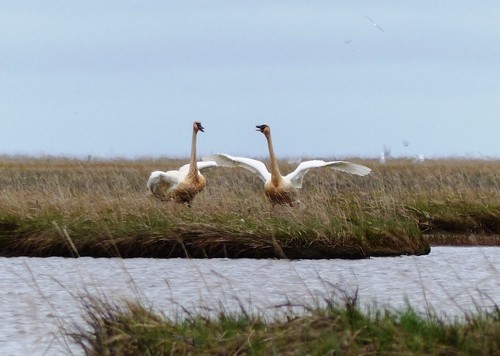
Tundra Swan
115-150 cm (45-59 in) long, about 180 cm wingspan
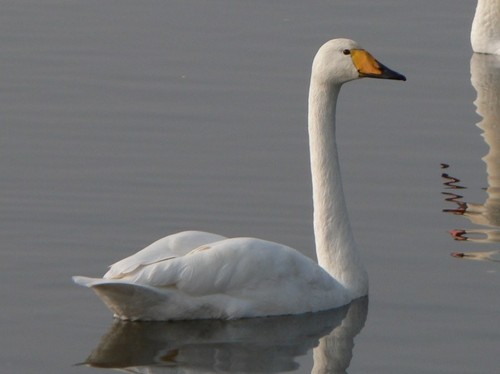
Whooper Swan
140-165 cm (55-65 in) long, 205-235 cm wingspan
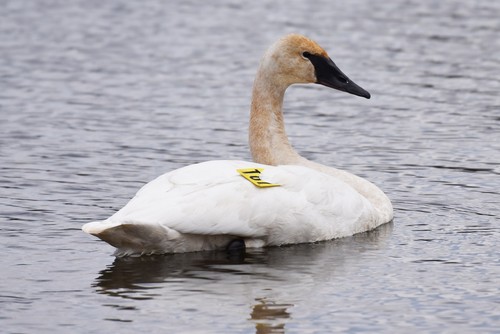
Trumpeter Swan
150-180 cm (59-71 in) long, up to 300 cm wingspan