
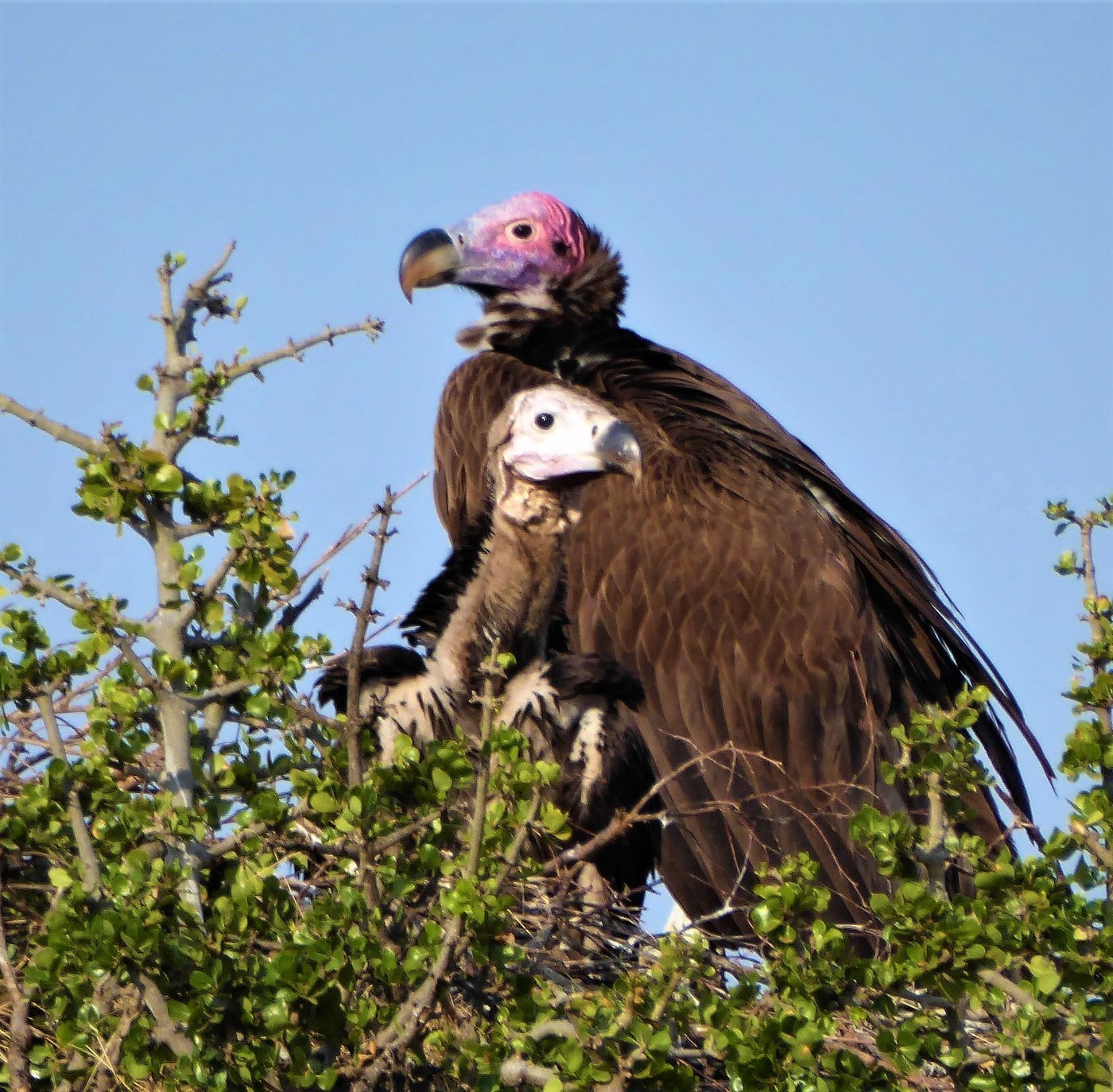
Lappet-faced Vulture
Torgos tracheliotos
Africa's largest vulture, instantly recognizable by its massive bill and bare pink-red head draped with fleshy folds of skin.
- Size
- 95–115 cm long; wingspan 2.5–2.9 m; among the largest Old World vultures
- Habitat
- Arid savanna, semi-desert, and open plains
- Type
- raptor
Spotted a bird like this?
Identify any bird from a photo, free.
Overview
The Lappet-faced Vulture is the largest vulture in Africa and one of the largest in the world, an imposing scavenger with dark brown to blackish body plumage and pale, whitish feathering on the thighs. Its bare head and neck are pink to red, marked by loose folds of skin, or lappets, hanging along the sides of the neck, which give the species its name.
Its bill is disproportionately massive and powerfully hooked, among the largest and strongest of any vulture, an adaptation that lets it tear open tough carcass hide and sinew inaccessible to smaller vulture species.
How to identify it
Key field marks
- Huge size and an exceptionally massive, deep hooked bill
- Bare pink-to-red head and neck with loose folds of skin (lappets) along the neck sides
- Pale, whitish thigh feathering contrasting with dark body plumage
- Broad wings with a pale band along the leading edge, visible in flight
Similar species
It is larger and heavier-billed than the more numerous White-backed and Rüppell's Vultures, which have smaller, less colorful heads and lack lappets. The White-headed Vulture also has a brightly colored bare head but is much smaller with a distinctive black-and-white plumage pattern quite unlike the Lappet-faced Vulture's overall dark, bulky build.
Habitat & range
Range
Occurs across sub-Saharan Africa, with a small, disjunct population on the Arabian Peninsula.
Habitat
Prefers arid and semi-arid savanna, semi-desert, and open plains, generally avoiding dense vegetation and high-altitude terrain.
Movement
Sedentary, with pairs defending large, low-density territories and ranging widely in search of carrion.
Behavior & voice
Behavior
Unlike the highly gregarious vulture species that arrive at carcasses in large flocks, the Lappet-faced Vulture is more often seen alone or in pairs. Its powerful bill lets it be one of the first to open a tough carcass, tearing through thick hide, tendons, and ligaments that other vultures cannot manage, which then allows smaller species access to the softer tissue beneath.
Voice
Generally silent away from the nest or carcasses, where it may give hoarse hissing or grunting sounds during disputes over food.
Nesting
Builds an unusually large stick nest, often in an isolated flat-topped tree, and typically lays a single egg. Its low reproductive rate, combined with threats from poisoning and habitat loss, contributes to its Endangered status and ongoing population declines across its range.
Frequently asked questions
Why is it called the Lappet-faced Vulture?
Its name comes from the loose folds of bare skin, called lappets, that hang along the sides of its pink-to-red head and neck.
Is the Lappet-faced Vulture the largest African vulture?
Yes, it is the largest vulture in Africa and one of the largest vultures in the world, with a wingspan approaching 2.9 meters.
What role does the Lappet-faced Vulture play at carcasses?
Its massive, powerful bill lets it tear open tough hide, tendons, and ligaments that other vultures cannot manage, often opening a carcass for smaller species to then feed on.
Why is the Lappet-faced Vulture endangered?
It faces population declines from poisoning (including deliberate and incidental poisoning of carcasses), habitat loss, and a naturally low reproductive rate of just one egg per nesting attempt.
Does the Lappet-faced Vulture feed in flocks like other vultures?
No, it is typically more solitary at carcasses, appearing alone or in pairs rather than the large, gregarious flocks seen in species like the White-backed Vulture.
Lappet-faced Vulture guides
In-depth guides for identifying, finding, and understanding Lappet-faced Vulture.
Other birds you may enjoy
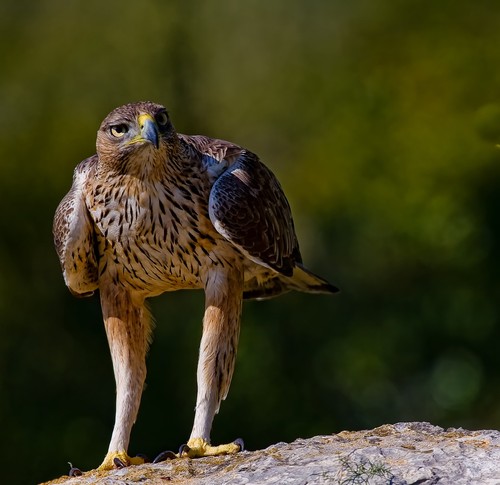
Bonelli's Eagle
Body 65–72 cm (26–28 in); wingspan 150–180 cm (59–71 in)
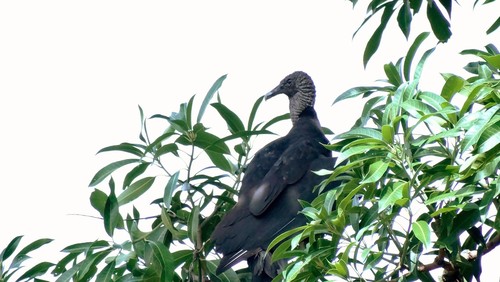
Black Vulture
56-68 cm (22-27 in) long, 137-165 cm wingspan
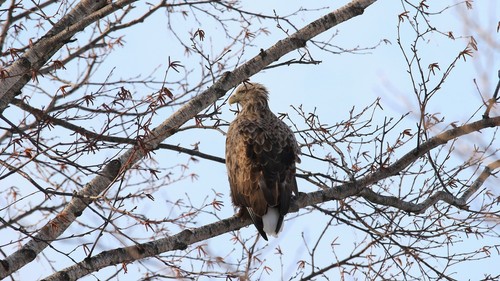
White-tailed Eagle
66-94 cm body length; wingspan 178-245 cm, among the largest eagles in the world
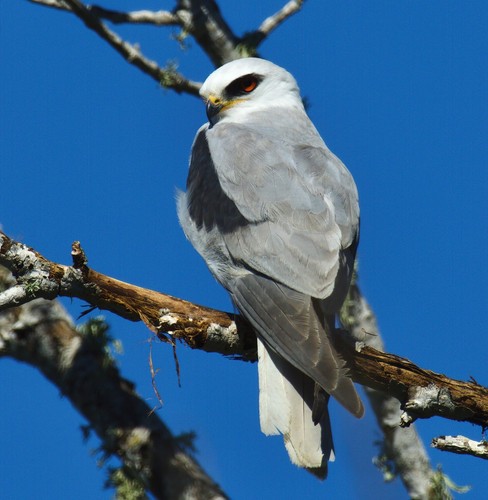
White-tailed Kite
35-43 cm (14-17 in) long, 88-102 cm (35-40 in) wingspan
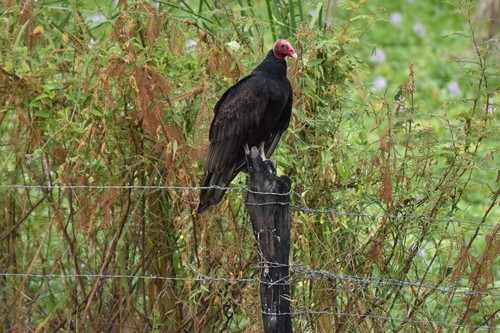
Turkey Vulture
64-81 cm (25-32 in) long, 160-183 cm wingspan
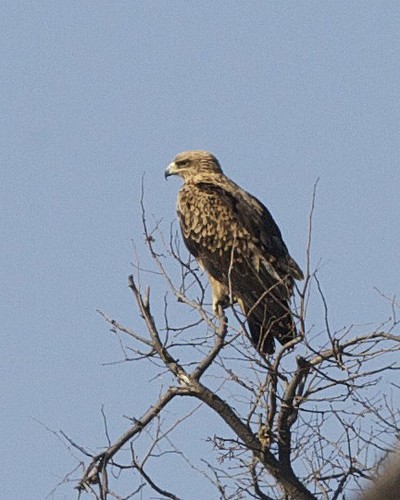
Tawny Eagle
62–75 cm long; wingspan 1.65–2.0 m
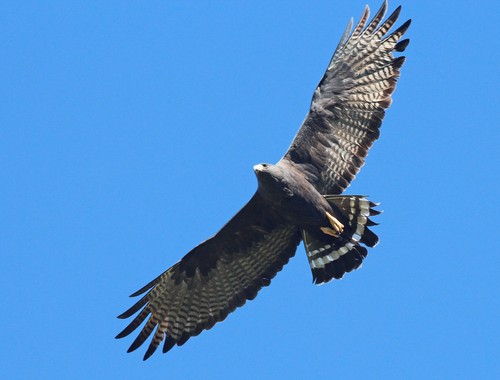
Zone-tailed Hawk
46-56 cm (18-22 in) long, 118-140 cm (46-55 in) wingspan
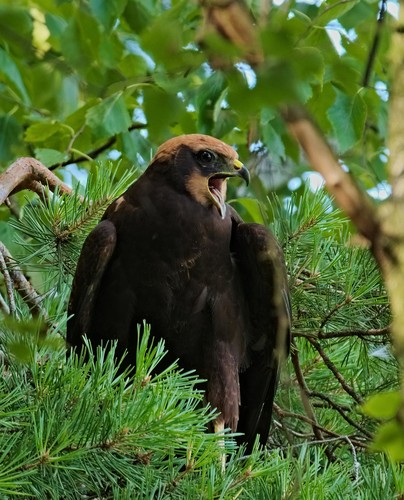
Western Marsh Harrier
Body 43-56 cm; wingspan 115-140 cm
Swallow-tailed Kite
48-68 cm (19-27 in) long including tail streamers, 112-136 cm (44-54 in) wingspan
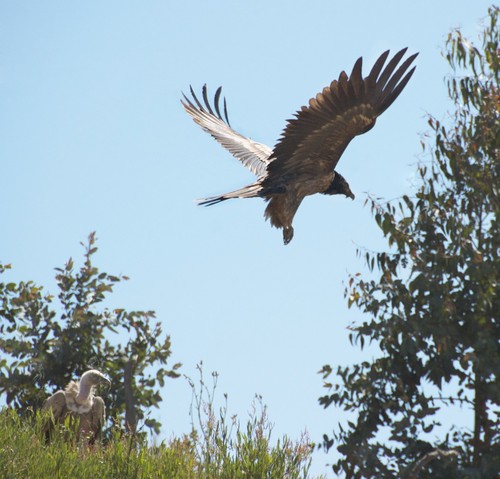
White-backed Vulture
78-98 cm long, wingspan 1.96-2.25 m
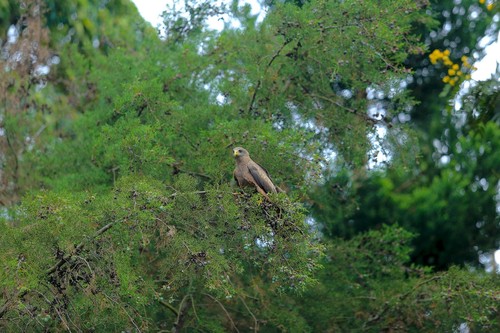
Yellow-billed Kite
55-60 cm long; wingspan 130-155 cm
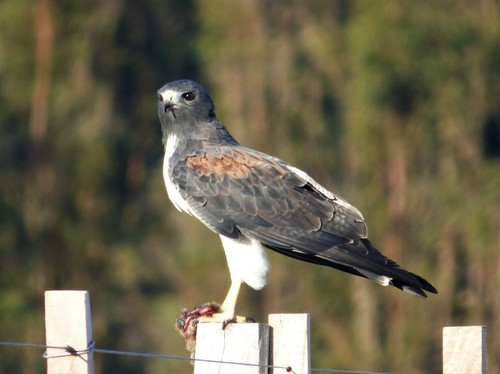
White-tailed Hawk
46-59 cm (18-23 in) long, 122-142 cm (48-56 in) wingspan