
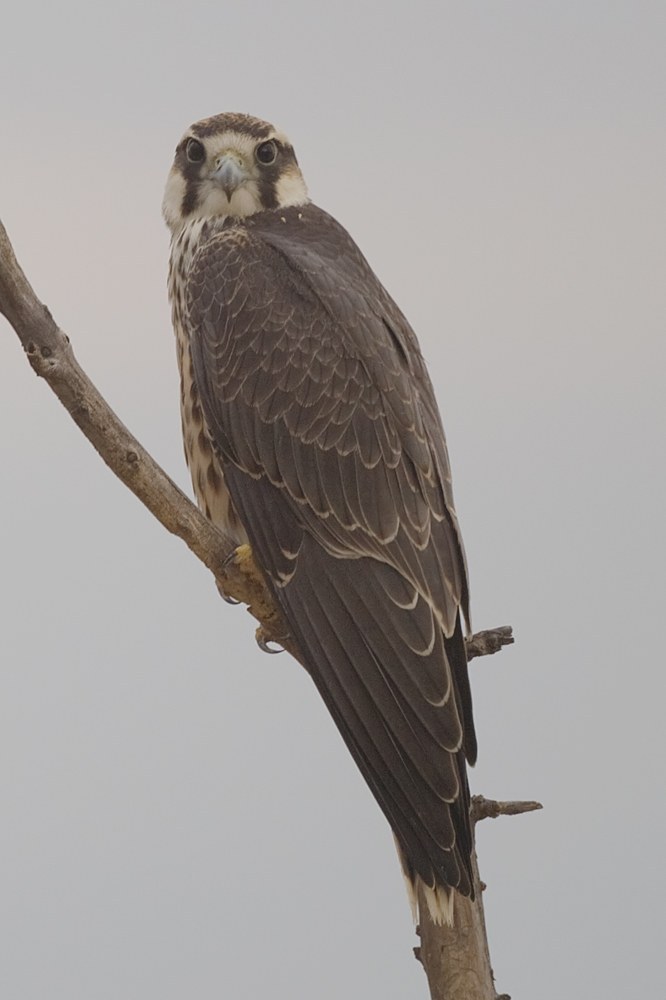
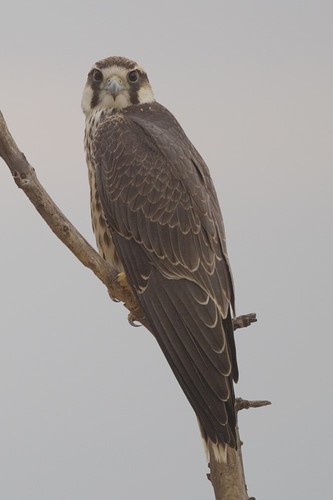
Lanner Falcon
Falco biarmicus
A medium-large falcon of Africa and southern Eurasia recognized by its rusty crown and fast, agile flight in open country.
- Size
- 43-50 cm long, wingspan 95-115 cm
- Habitat
- Open savanna, semi-desert, grassland, and mountainous terrain
- Type
- raptor
Spotted a bird like this?
Identify any bird from a photo, free.
Overview
The Lanner Falcon is a robust, medium-large falcon widespread across Africa and parts of southern Europe and the Middle East. It shares the general falcon silhouette of pointed wings and a fast, direct flight but is stockier and less streamlined than a Peregrine.
Adults show blue-grey upperparts, a distinctive rufous-chestnut crown and nape, and a whitish-buff face with a moderate dark moustachial stripe. The underparts are pale, ranging from cream to pale buff, with light spotting on the breast and flanks. Juveniles are browner overall with heavier streaking below and lack the full rufous cap of adults.
How to identify it
Key field marks
- Rufous-chestnut crown and nape, contrasting with grey-brown back
- Pale, lightly marked underparts
- Moderate moustachial stripe, narrower and less bold than Peregrine's
- Broad-based, pointed wings and relatively long tail
Similar species
- Peregrine Falcon: darker slate-grey above, bold black hood and thick moustache, no rufous crown
- Saker Falcon: larger, paler sandy-brown overall, with an even fainter facial pattern and no rufous cap
- Barbary Falcon: smaller, with a more contrasting rufous nape patch restricted to the back of the head rather than the full crown
Habitat & range
Range
Widespread across sub-Saharan Africa, North Africa, the Middle East, and parts of southeastern Europe (notably Italy and the Balkans).
Habitat
Inhabits open country including savanna, semi-desert, grassland, and rocky or mountainous terrain with cliffs for nesting. Also found around cultivated land and near wetlands where prey birds concentrate.
Migration
Mostly resident, though some northern and high-altitude populations show local or seasonal movements in response to food availability.
Behavior & voice
Hunting
Hunts birds on the wing with fast, agile flight, often working in pairs to flush and chase prey; also takes small mammals and insects, sometimes hunting from a perch.
Voice
Utters a harsh, repeated kek-kek-kek alarm call and various wailing or chattering notes around the nest site.
Nesting
Nests on cliff ledges, in old nests of other large birds in trees, or occasionally on man-made structures. Typically lays 3-4 eggs, with both parents involved in raising the young.
Social behavior
Often seen hunting in pairs, a cooperative technique that helps it catch fast-flying bird prey more effectively than solitary hunting.
Frequently asked questions
What does a Lanner Falcon look like?
It has a rufous-chestnut crown, blue-grey back, and pale, lightly spotted underparts, with a moderate dark moustachial stripe on the face.
Where is the Lanner Falcon found?
It occurs widely across Africa, the Middle East, and parts of southeastern Europe, favoring open savanna, semi-desert, and mountainous terrain.
How does a Lanner Falcon hunt?
It chases birds in fast, agile flight, sometimes hunting cooperatively in pairs, and also takes small mammals.
Is the Lanner Falcon endangered?
No, it is currently listed as Least Concern, though some regional populations have declined.
How do you tell a Lanner Falcon from a Peregrine Falcon?
The Lanner has a paler, more rufous-crowned head and a fainter moustache mark, while the Peregrine shows a darker slate back and a bold black facial hood.
Lanner Falcon guides
In-depth guides for identifying, finding, and understanding Lanner Falcon.
Other birds you may enjoy
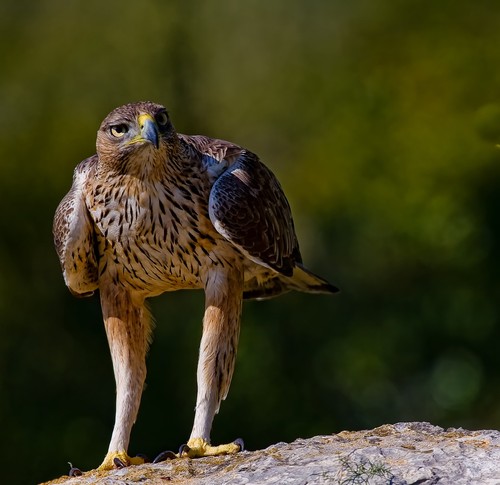
Bonelli's Eagle
Body 65–72 cm (26–28 in); wingspan 150–180 cm (59–71 in)
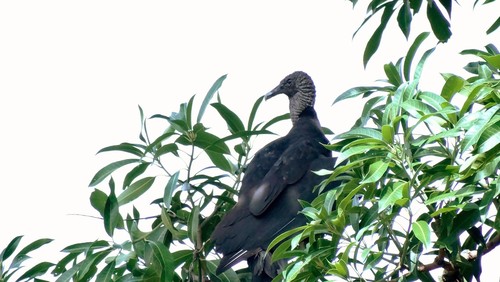
Black Vulture
56-68 cm (22-27 in) long, 137-165 cm wingspan
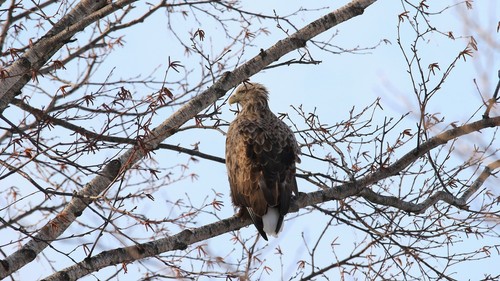
White-tailed Eagle
66-94 cm body length; wingspan 178-245 cm, among the largest eagles in the world
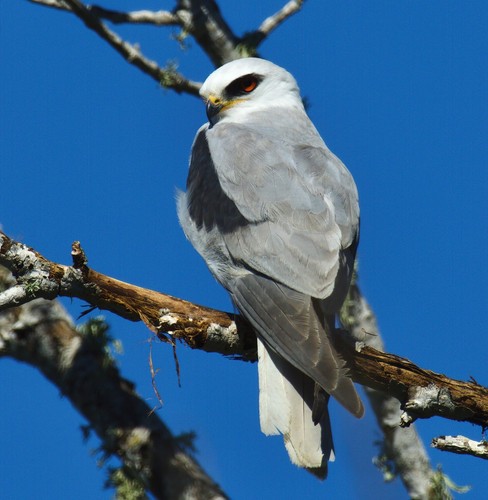
White-tailed Kite
35-43 cm (14-17 in) long, 88-102 cm (35-40 in) wingspan
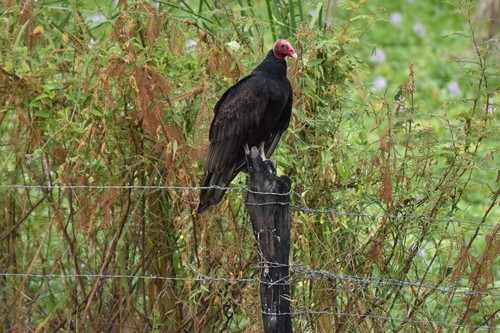
Turkey Vulture
64-81 cm (25-32 in) long, 160-183 cm wingspan
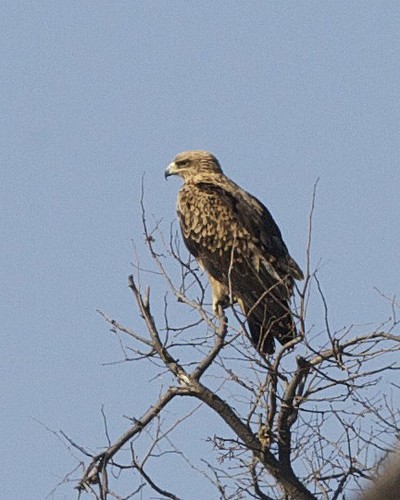
Tawny Eagle
62–75 cm long; wingspan 1.65–2.0 m
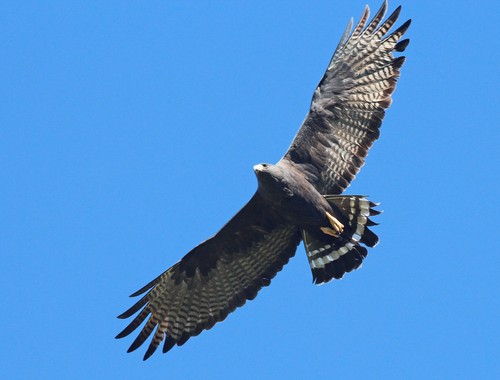
Zone-tailed Hawk
46-56 cm (18-22 in) long, 118-140 cm (46-55 in) wingspan
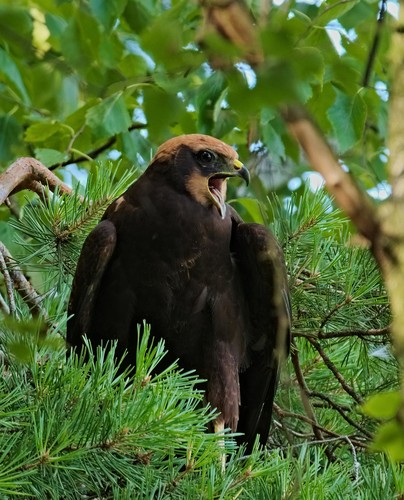
Western Marsh Harrier
Body 43-56 cm; wingspan 115-140 cm
Swallow-tailed Kite
48-68 cm (19-27 in) long including tail streamers, 112-136 cm (44-54 in) wingspan
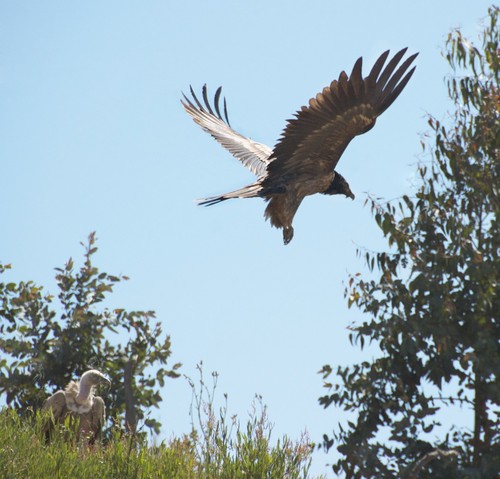
White-backed Vulture
78-98 cm long, wingspan 1.96-2.25 m
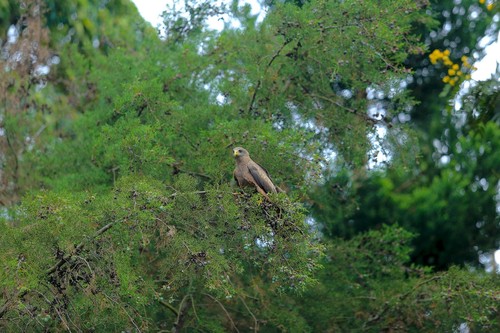
Yellow-billed Kite
55-60 cm long; wingspan 130-155 cm
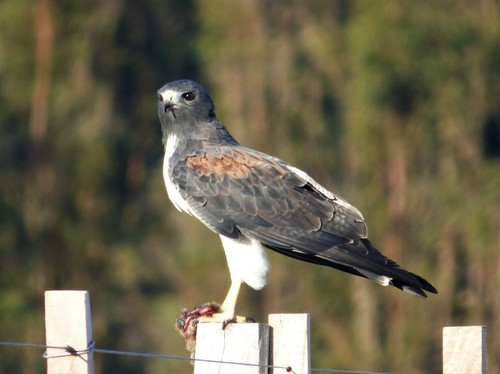
White-tailed Hawk
46-59 cm (18-23 in) long, 122-142 cm (48-56 in) wingspan