
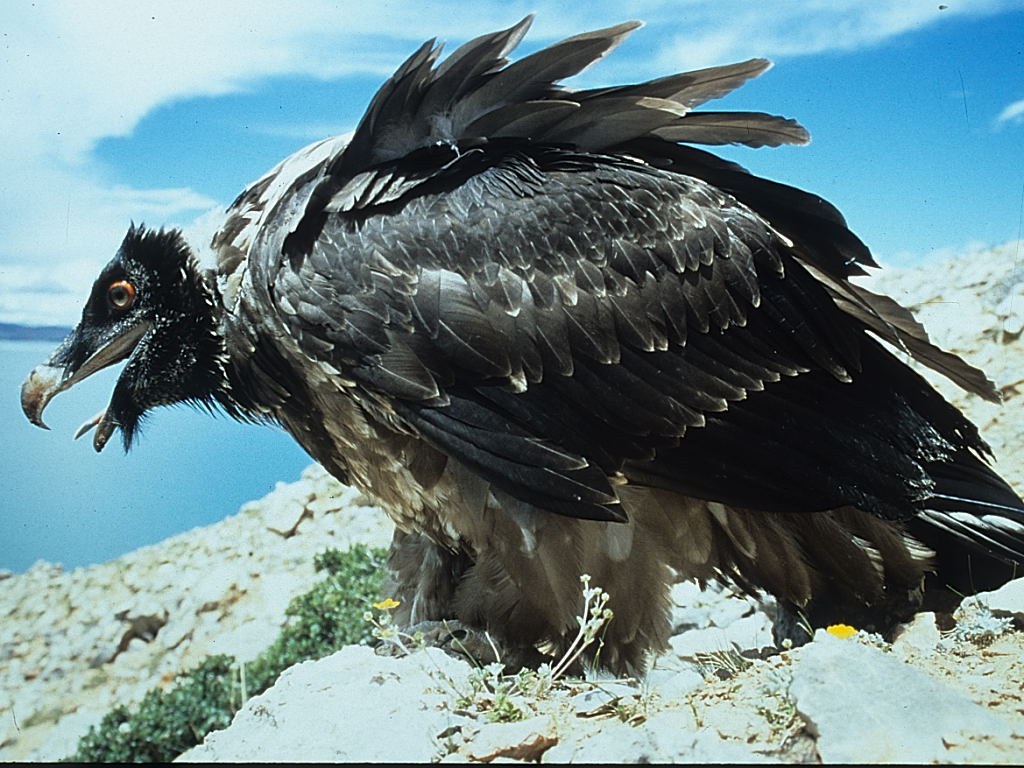
Lammergeier
Gypaetus barbatus
A huge Old World vulture famous for dropping bones onto rocks to crack them open and feeding almost exclusively on bone marrow.
- Size
- 94-125 cm long, wingspan up to 2.3-2.8 m
- Habitat
- High mountain cliffs and alpine terrain of Eurasia and Africa
- Type
- raptor
Spotted a bird like this?
Identify any bird from a photo, free.
Overview
The Lammergeier, also called the Bearded Vulture, is a massive Old World vulture of high mountain ranges in Europe, Africa, and Asia. It is unusual among vultures for its striking orange-rust wash across the head, breast, and underparts, thought to result from deliberate dust-bathing in iron-oxide-rich soil or mud rather than true pigment.
The upperparts are dark grey to blackish, the head is pale golden-buff with a black mask through the eye, and bristly black feathers form a distinctive "beard" beneath the bill, giving the species its common name.
Distinctive Silhouette
Unlike most vultures, which have bare heads and fan-shaped or rounded tails, the Lammergeier has a fully feathered head and a long, wedge-shaped (diamond) tail, giving it a falcon-like or eagle-like profile in flight.
How to identify it
Key Field Marks
- Long, wedge-shaped (diamond-shaped) tail, unlike the fan or rounded tails of other vultures
- Long, narrow, pointed wings
- Bristly black "beard" of feathers at the chin
- Adults show orange-buff underparts and head; juveniles are dark sooty grey-black overall, taking 5-7 years to reach full adult plumage
Similar Species
- Egyptian Vulture — much smaller, mostly white with black flight feathers, also wedge-tailed but far less bulky
- Griffon Vulture — broad, rounded wings and a fan-shaped tail, with a bare (not feathered) head
The combination of feathered head, wedge tail, and long narrow wings makes the Lammergeier essentially unmistakable once size and shape are noted.
Habitat & range
Range
Lammergeiers inhabit high mountain ranges including the Pyrenees, Alps, Caucasus, Himalayas, Ethiopian Highlands, Atlas Mountains, and mountains of southern Africa such as the Drakensberg.
Habitat
They favor remote, rugged terrain with cliffs for nesting, typically at elevations between roughly 1,000 and 4,500 meters.
Movements
Most populations are sedentary, holding large home ranges year-round rather than migrating.
Behavior & voice
Feeding
Lammergeiers soar for hours over mountain terrain searching for bones left behind by other scavengers and predators. They carry bones aloft, sometimes weighing several kilograms, and drop them from height onto rocky "ossuaries" to smash them into swallowable fragments. Their highly acidic stomach (around pH 1) dissolves even large bone fragments, allowing them to extract marrow.
Voice
Generally silent; occasionally gives thin, weak whistling calls.
Nesting and Breeding
Pairs are monogamous with long-term bonds. Nests are built on inaccessible cliff ledges or in caves. Typically two eggs are laid, but sibling aggression usually means only one chick survives (a behavior known as cainism or siblicide). Breeding begins in winter across much of the range.
Frequently asked questions
Why do Lammergeiers drop bones?
They drop large bones from height onto rocks to break them into pieces small enough to swallow, then digest them with an extremely acidic stomach to extract the marrow.
Why are Lammergeiers orange-colored?
The orange tint comes from dust-bathing in iron-oxide-rich soil or mud, likely a deliberate cosmetic behavior rather than a natural feather pigment.
Where do Lammergeiers live?
In high mountain ranges of Europe, Africa, the Middle East, and Central and South Asia.
Are Lammergeiers endangered?
They are listed as Near Threatened; populations declined historically but reintroduction programs, such as in the Alps, have helped some regions recover.
How big is a Lammergeier?
It has a wingspan of up to 2.8 meters (about 9 feet), making it one of the largest Old World vultures.
Lammergeier guides
In-depth guides for identifying, finding, and understanding Lammergeier.
Other birds you may enjoy
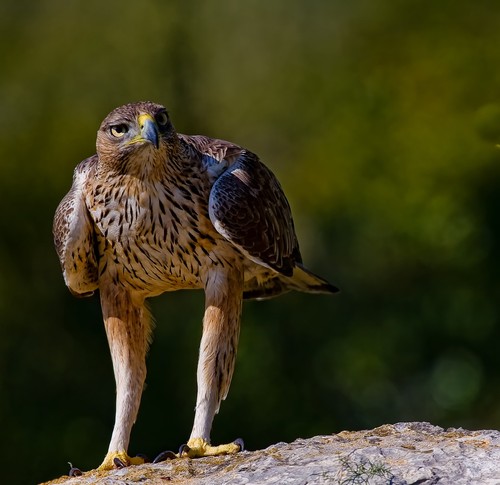
Bonelli's Eagle
Body 65–72 cm (26–28 in); wingspan 150–180 cm (59–71 in)
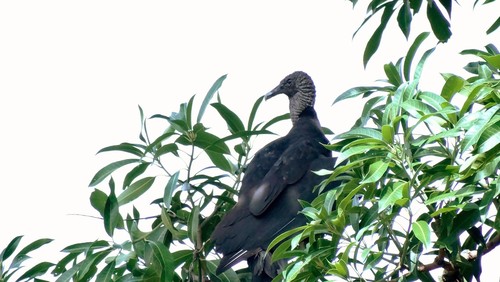
Black Vulture
56-68 cm (22-27 in) long, 137-165 cm wingspan
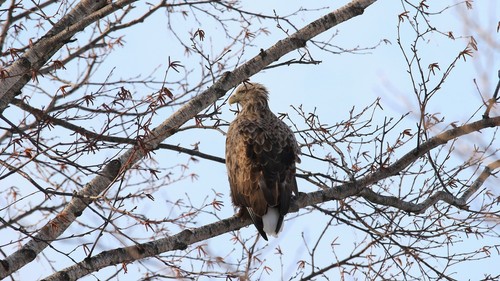
White-tailed Eagle
66-94 cm body length; wingspan 178-245 cm, among the largest eagles in the world
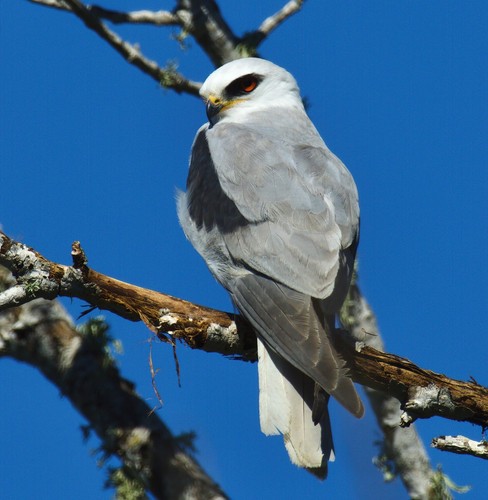
White-tailed Kite
35-43 cm (14-17 in) long, 88-102 cm (35-40 in) wingspan
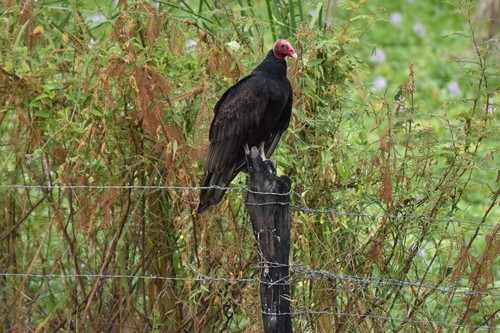
Turkey Vulture
64-81 cm (25-32 in) long, 160-183 cm wingspan
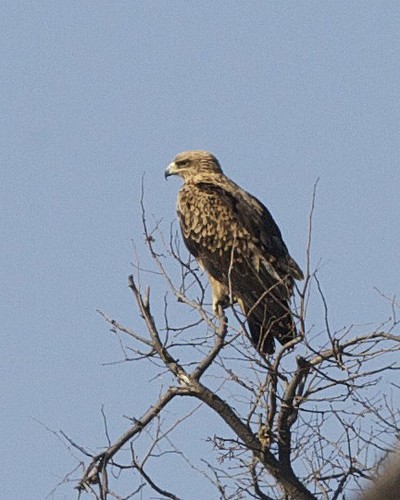
Tawny Eagle
62–75 cm long; wingspan 1.65–2.0 m
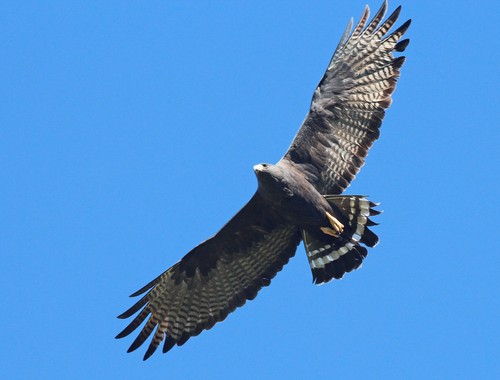
Zone-tailed Hawk
46-56 cm (18-22 in) long, 118-140 cm (46-55 in) wingspan
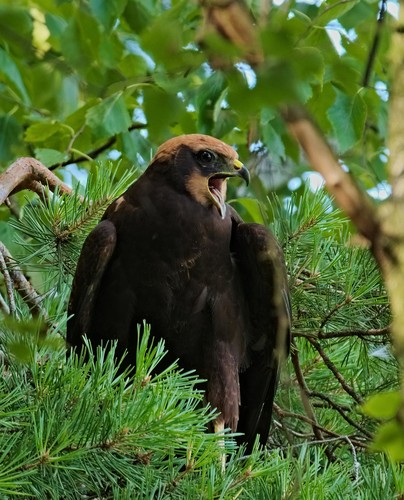
Western Marsh Harrier
Body 43-56 cm; wingspan 115-140 cm
Swallow-tailed Kite
48-68 cm (19-27 in) long including tail streamers, 112-136 cm (44-54 in) wingspan
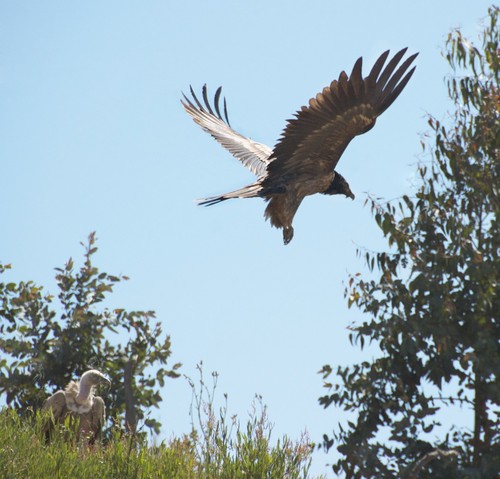
White-backed Vulture
78-98 cm long, wingspan 1.96-2.25 m
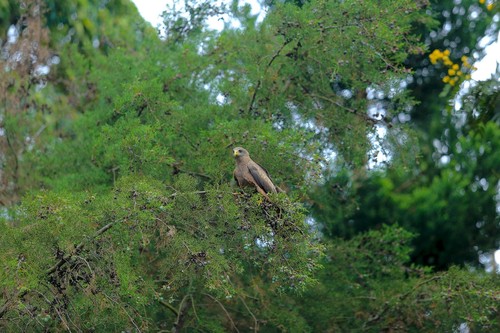
Yellow-billed Kite
55-60 cm long; wingspan 130-155 cm
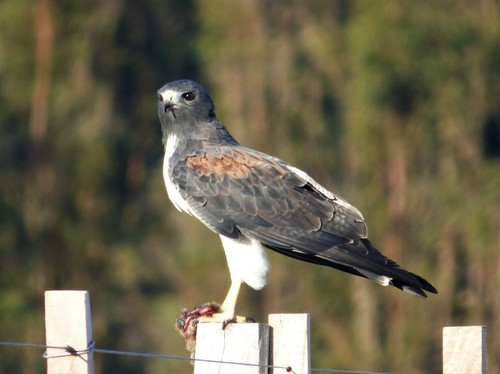
White-tailed Hawk
46-59 cm (18-23 in) long, 122-142 cm (48-56 in) wingspan