
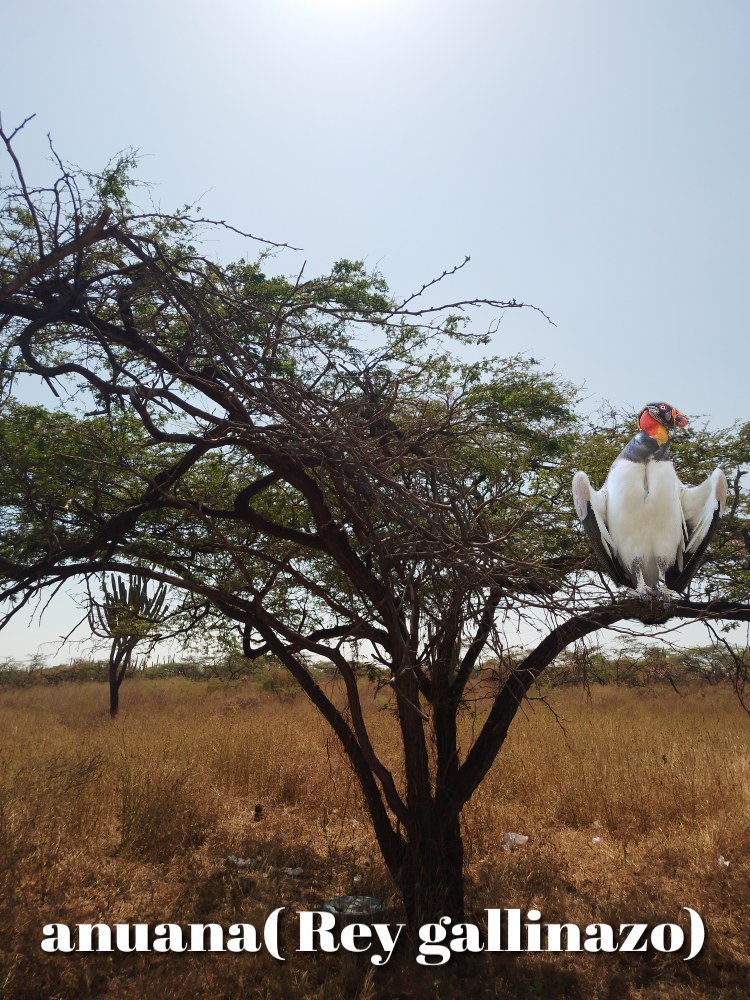
King Vulture
Sarcoramphus papa
A large, boldly colored Neotropical vulture with a strikingly multicolored bare head that dominates carcasses in tropical forests.
- Size
- 67-81 cm long, wingspan 170-198 cm
- Habitat
- Tropical lowland forest and savanna of Central and South America
- Type
- raptor
Spotted a bird like this?
Identify any bird from a photo, free.
Overview
The King Vulture is a large, striking New World vulture found throughout the lowland tropics of Central and South America. Unlike the mostly black or brown plumage typical of other vultures, adults have a predominantly white to cream-colored body, contrasting sharply with black flight feathers and tail.
Its most distinctive feature is the bare, vividly multicolored head and neck, patterned with patches of orange, yellow, red, purple, and blue, along with a fleshy orange caruncle (wattle) at the base of the bill. This colorful, wrinkled skin and the bird's commanding presence at carcasses inspired both its common name and its role in some indigenous cultures as a symbolic ruler among vultures. Juveniles are almost entirely dark grey-black and take several years to develop the adult's pale body and colorful head.
How to identify it
Key field marks
- Adult: white/cream body plumage contrasting with black flight feathers, tail, and a black ruff collar
- Bare head and neck vividly patterned in orange, yellow, red, and blue tones
- Fleshy orange caruncle on the bill
- Broad, relatively short-winged, soaring silhouette compared to condors
Similar species
- Andean Condor: much larger, with a white neck ruff but black body (not white) and a duller bare head
- Turkey Vulture: entirely brown-black with a small red head, no white body
- White-headed vultures of Africa (unrelated Old World species): superficially similar pale-bodied look but different range and family
Habitat & range
Range
Occurs from southern Mexico through Central America and much of South America east of the Andes, south to northern Argentina.
Habitat
Primarily inhabits tropical lowland rainforest, gallery forest, and adjacent savanna or grassland, typically remaining below about 1,500 meters elevation.
Migration
Generally non-migratory and resident, though individuals may wander over large home ranges in search of carrion.
Behavior & voice
Feeding
Feeds on carrion, often being one of the first and most dominant vultures to arrive at a carcass; its powerful bill allows it to tear open tough hides that smaller vultures cannot, after which other species may follow to feed.
Voice
Generally silent, producing only low grunts, hisses, or wheezing sounds, mainly during feeding disputes or courtship.
Flight
Soars effortlessly on thermals over forest canopy, often at considerable height, with broad wings held flat.
Nesting
Does not build a nest, instead laying a single egg directly on the ground in a hollow log, tree cavity, or crevice within forest habitat.
Frequently asked questions
What does a King Vulture look like?
It has a mostly white/cream body with black flight feathers and tail, and a bare head vividly colored in orange, yellow, red, and blue.
What does a King Vulture eat?
It feeds on carrion and is often among the first vultures to open a carcass thanks to its powerful bill.
Where do King Vultures live?
They range through tropical lowland forests and savannas from southern Mexico to northern Argentina.
Why is the King Vulture's head so colorful?
The multicolored bare skin and fleshy caruncle likely play a role in social signaling and species recognition among vultures at carcasses.
How is the King Vulture different from the Andean Condor?
The King Vulture is smaller with a white body, while the Andean Condor is larger with mostly black plumage and a white neck ruff.
King Vulture guides
In-depth guides for identifying, finding, and understanding King Vulture.
Other birds you may enjoy
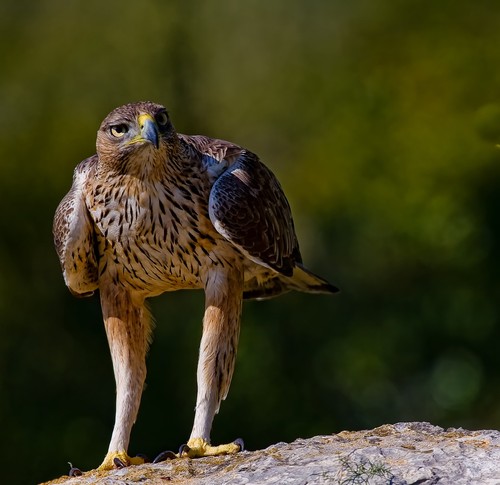
Bonelli's Eagle
Body 65–72 cm (26–28 in); wingspan 150–180 cm (59–71 in)
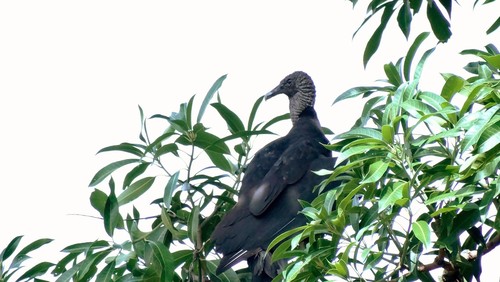
Black Vulture
56-68 cm (22-27 in) long, 137-165 cm wingspan
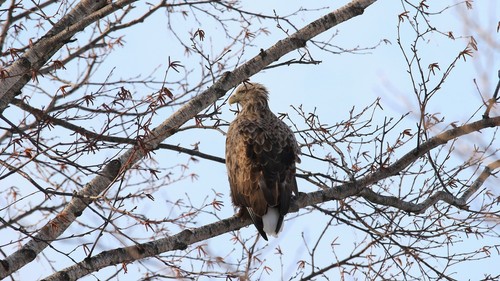
White-tailed Eagle
66-94 cm body length; wingspan 178-245 cm, among the largest eagles in the world
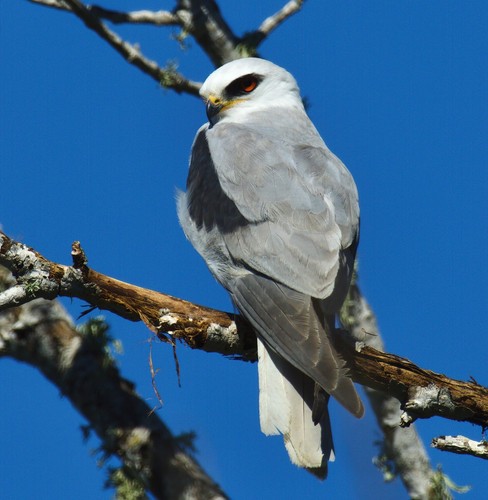
White-tailed Kite
35-43 cm (14-17 in) long, 88-102 cm (35-40 in) wingspan
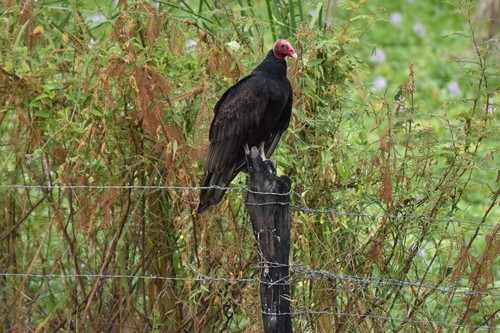
Turkey Vulture
64-81 cm (25-32 in) long, 160-183 cm wingspan
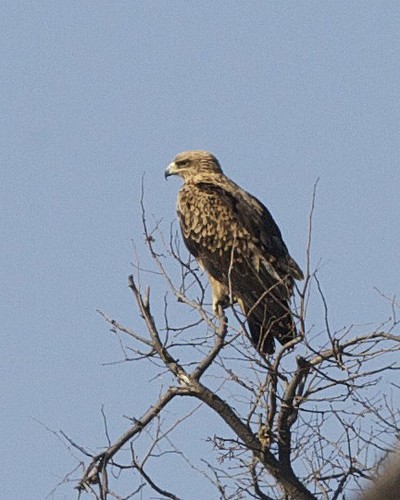
Tawny Eagle
62–75 cm long; wingspan 1.65–2.0 m
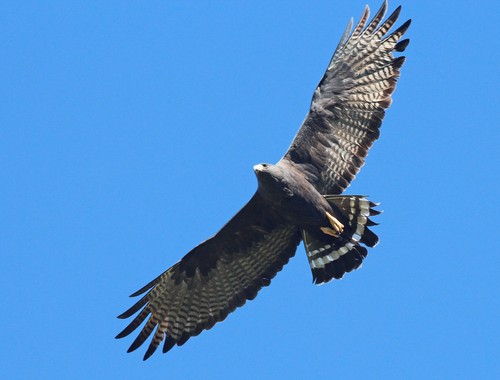
Zone-tailed Hawk
46-56 cm (18-22 in) long, 118-140 cm (46-55 in) wingspan
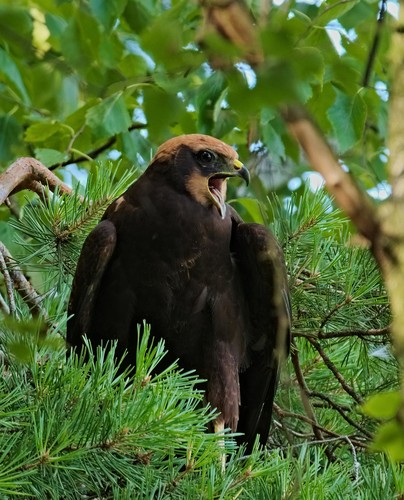
Western Marsh Harrier
Body 43-56 cm; wingspan 115-140 cm
Swallow-tailed Kite
48-68 cm (19-27 in) long including tail streamers, 112-136 cm (44-54 in) wingspan
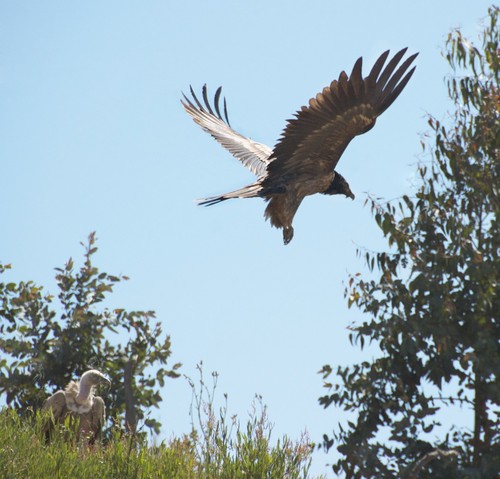
White-backed Vulture
78-98 cm long, wingspan 1.96-2.25 m
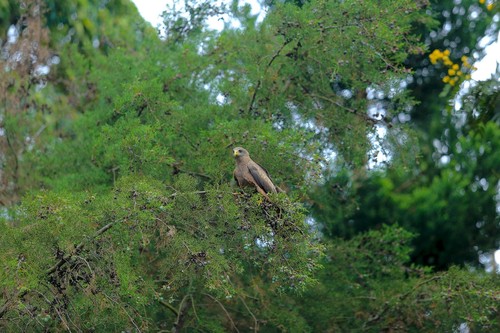
Yellow-billed Kite
55-60 cm long; wingspan 130-155 cm
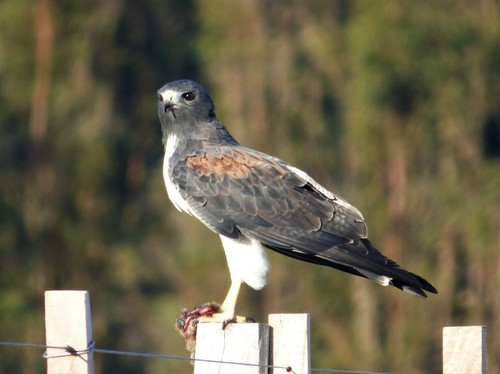
White-tailed Hawk
46-59 cm (18-23 in) long, 122-142 cm (48-56 in) wingspan