
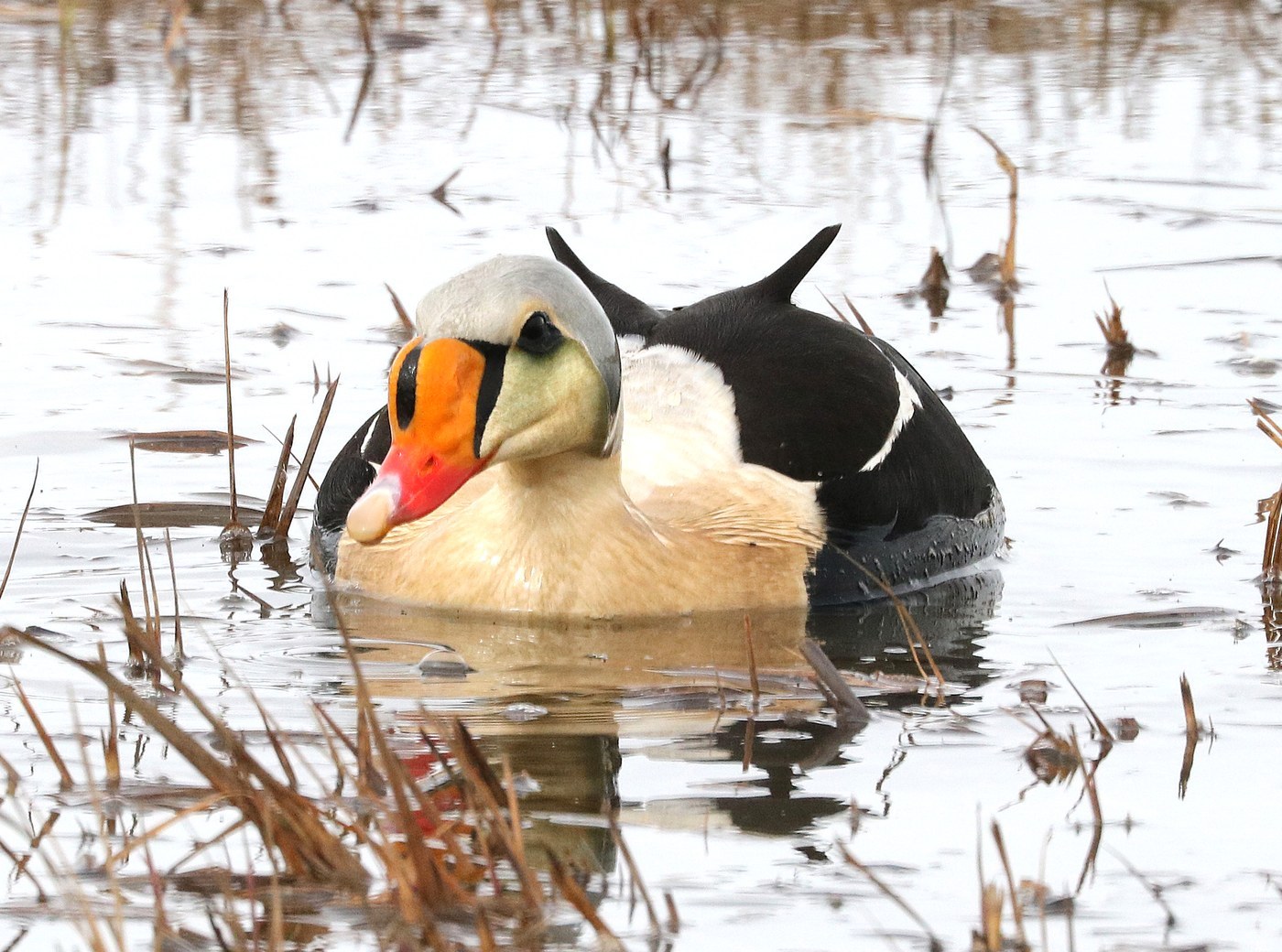
King Eider
Somateria spectabilis
An Arctic sea duck whose males sport a bulbous orange bill knob and a colorful blue-gray and mint-green head.
- Size
- 47-63 cm (19-25 in) long, 86-102 cm wingspan
- Habitat
- Arctic tundra ponds and coasts (breeding), open ocean and pack ice edges (winter)
- Type
- waterfowl
Spotted a bird like this?
Identify any bird from a photo, free.
Overview
The King Eider is a striking Arctic sea duck best known for the male's ornate head pattern. Breeding males show a powder-blue crown and nape, a pale mint-green face, a black body offset by a white chest, and a large orange bill shield swollen at the base into a distinctive knob. Females are warm cinnamon-brown with crescent-shaped dark barring, differing subtly from female Common Eiders in tone and pattern.
King Eiders breed on high Arctic tundra, often farther north than Common Eiders, and spend much of the year on open ocean, sometimes far from shore, including near pack ice.
How to identify it
Key field marks
- Breeding male: blue-gray crown, pale green face, black body with white chest, and a large orange knobbed bill shield outlined in black
- Female: rich rufous-cinnamon with crescent-shaped (not wavy) barring, shorter bill than Common Eider without the sloped profile
- In flight, males show a black back (unlike the white-backed Common Eider male)
Similar species
The Common Eider male has a white back and a smoothly sloped bill/forehead profile lacking the bulbous shield; female Common Eiders are duller brown with finer, wavier barring and a longer, more wedge-shaped bill.
Habitat & range
King Eiders breed on wet tundra across the high Arctic of North America, Greenland, and Eurasia, often farther inland and farther north than Common Eiders. Outside the breeding season they are highly pelagic, wintering on open ocean waters, near pack ice edges, and in some sheltered northern bays, frequently ranging farther offshore than Common Eiders.
Behavior & voice
Behavior
King Eiders are strong divers capable of foraging in deep water, sometimes diving to considerable depths to reach the seabed.
Voice
Displaying males give a soft, dove-like cooing note; females give low growling quacks.
Feeding
Mollusks, crustaceans, and echinoderms such as sea urchins and sand dollars, taken by diving.
Nesting
Nests on open tundra near small ponds or coastal areas, often solitarily rather than in dense colonies; females incubate 4-7 eggs alone, lined with down plucked from their own breast.
Frequently asked questions
What is the orange knob on a King Eider's bill?
It is a fleshy, swollen bill shield found on breeding males, one of the species' most distinctive features and a key identification mark.
How do you tell a male King Eider from a male Common Eider?
King Eider males have a blue-gray crown, orange knobbed bill shield, and black back, while Common Eider males have a white back and a smoothly sloped bill profile without a knob.
Where do King Eiders spend the winter?
Mostly on open ocean waters, often near pack ice, ranging farther offshore than Common Eiders.
What do King Eiders eat?
Mollusks, crustaceans, and echinoderms obtained by diving, sometimes to considerable depths.
King Eider guides
In-depth guides for identifying, finding, and understanding King Eider.
Other birds you may enjoy
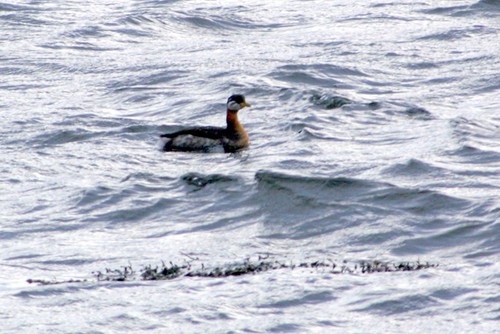
Red-necked Grebe
40-55 cm (16-22 in) long, 77-85 cm wingspan
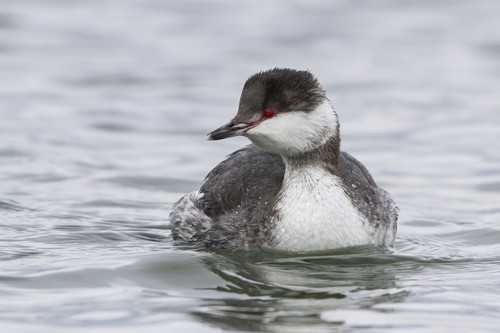
Horned Grebe
31-38 cm (12-15 in) long, 46-55 cm wingspan
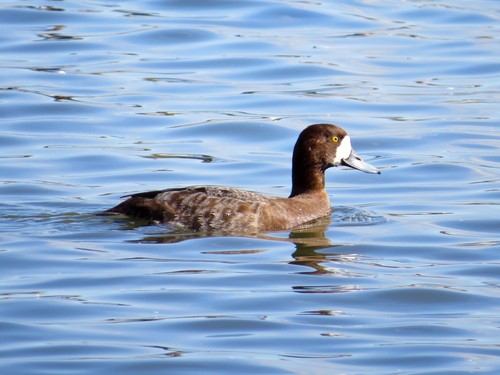
Greater Scaup
42-51 cm (16.5-20 in) long, 71-84 cm wingspan
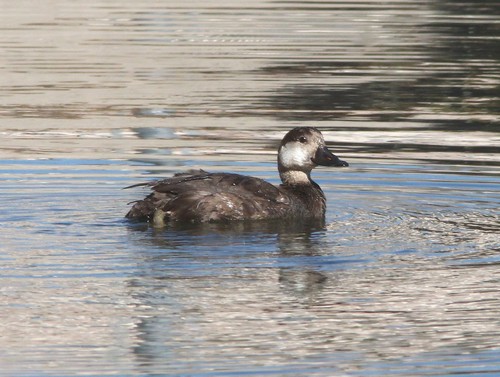
Black Scoter
43-54 cm (17-21 in) long, 79-90 cm wingspan
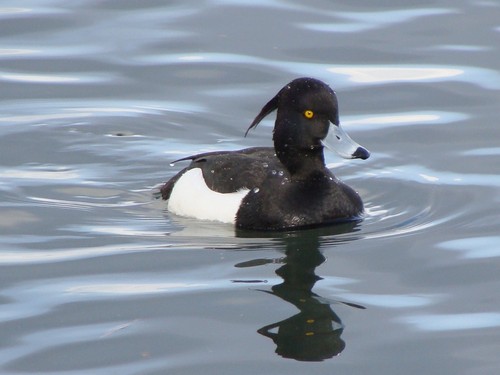
Tufted Duck
40-47 cm (16-18.5 in) long, 67-73 cm wingspan
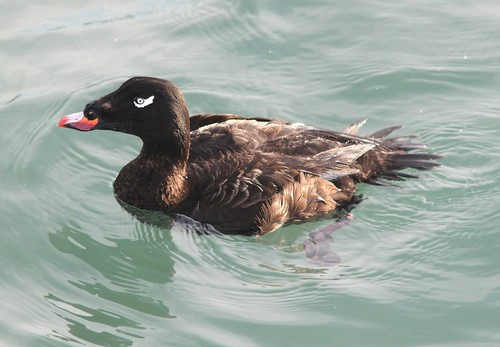
White-winged Scoter
48-58 cm (19-23 in) long, 86-99 cm wingspan
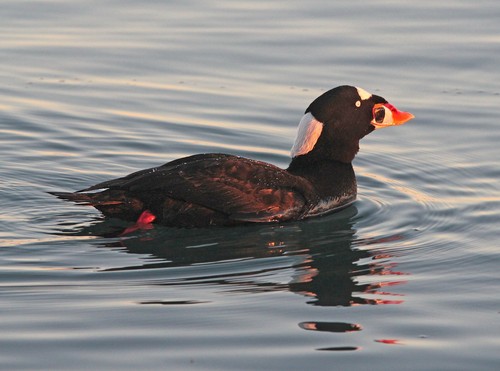
Surf Scoter
45-56 cm (18-22 in) long, 78-92 cm wingspan
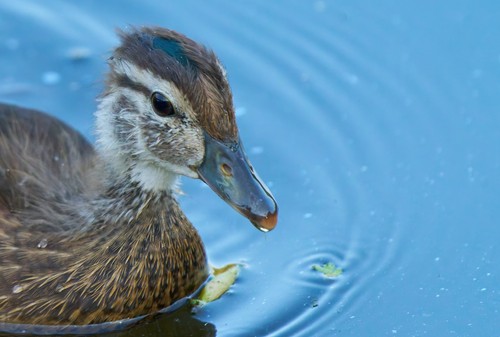
Wood Duck
47-54 cm (18.5-21 in) long, 66-73 cm wingspan
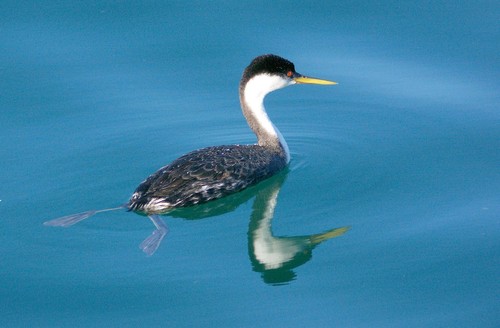
Western Grebe
56-74 cm (22-29 in) long, 79-102 cm wingspan
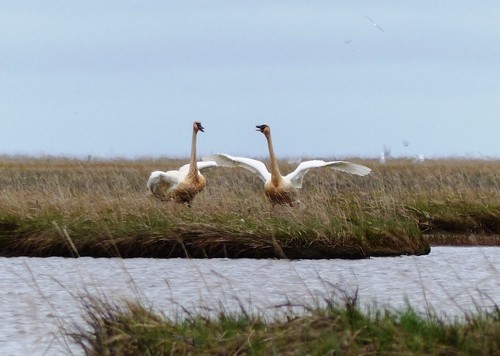
Tundra Swan
115-150 cm (45-59 in) long, about 180 cm wingspan
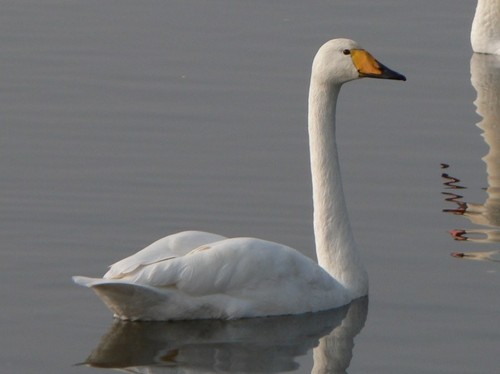
Whooper Swan
140-165 cm (55-65 in) long, 205-235 cm wingspan
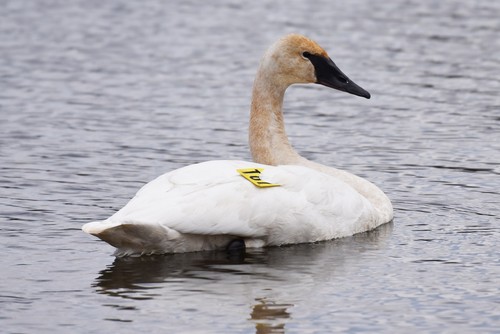
Trumpeter Swan
150-180 cm (59-71 in) long, up to 300 cm wingspan