
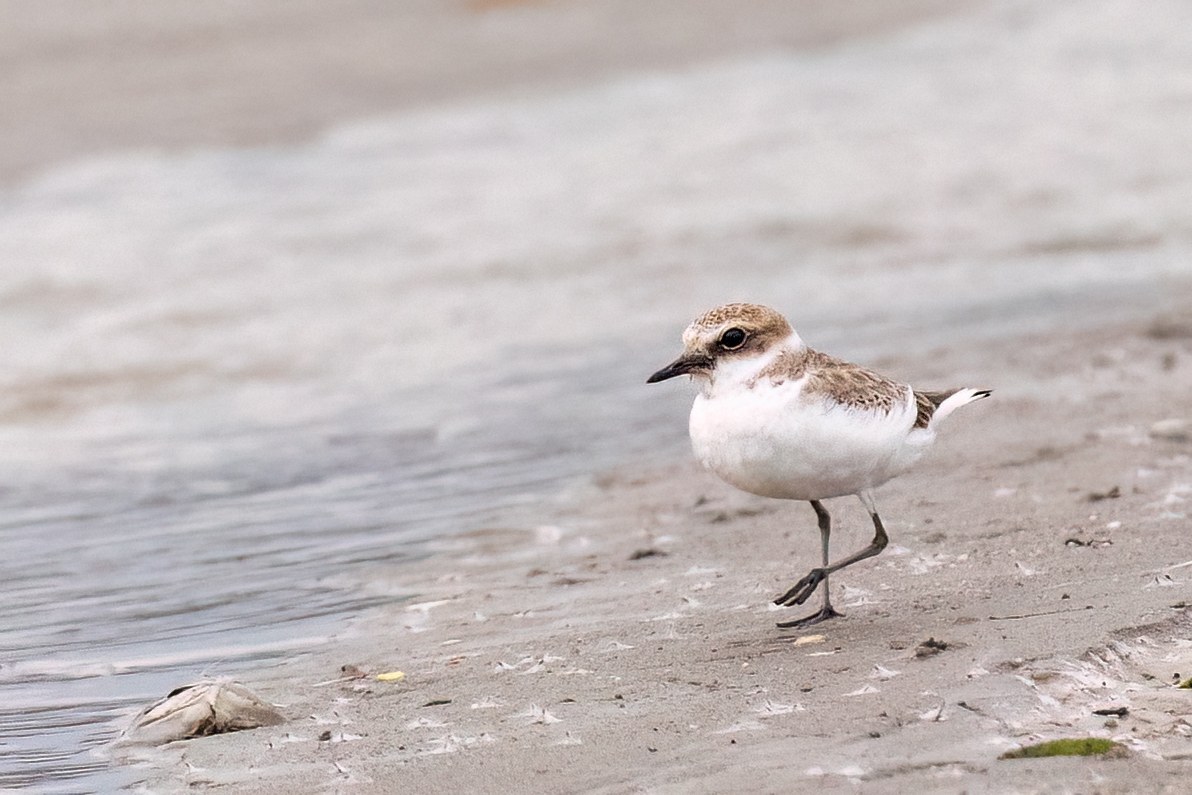
Kentish Plover
Charadrius alexandrinus
A small, pale plover of Old World coasts and salt pans, the Eurasian and African counterpart of the American Snowy Plover.
- Size
- 15-17 cm (6-6.7 in) long, 42-45 cm wingspan
- Habitat
- coastal beaches, salt pans, and inland mudflats
- Type
- shorebird
Spotted a bird like this?
Identify any bird from a photo, free.
Overview
The Kentish Plover is a small, pale, sandy-brown shorebird with white underparts and a slim, energetic gait. Breeding males show a rufous wash on the crown, a black bar across the forehead, and dark patches at the sides of the breast; females and non-breeding birds are duller with brownish rather than black markings.
It is widespread across Europe, Africa, and Asia, occupying open, sparsely vegetated ground near water, from ocean beaches to inland salt lakes.
The species name refers to Kent, England, where it was first described, though it has since become extinct as a breeder in Britain.
How to identify it
Key field marks
- Pale sandy upperparts, clean white underparts
- Dark patches at the sides of the breast that do not meet in the center
- Thin, entirely black bill
- Black legs
- Breeding males show a rufous-tinged crown and black forehead bar
Similar species
- Snowy Plover is virtually identical in appearance but occurs only in the Americas.
- White-fronted Plover (Africa) is paler still with a more extensive white forehead.
- Common Ringed Plover is larger and stockier with a complete dark breast band and orange-based bill.
Habitat & range
Kentish Plovers breed on open sandy or gravelly ground near water across a huge range spanning coastal and inland Europe, Africa, the Middle East, and Asia, including beaches, salt pans, and the margins of saline and brackish lakes.
Northern populations are migratory, wintering along the coasts of southern Europe, Africa, and southern Asia, while populations in warmer regions are largely resident.
Behavior & voice
Voice
A short, sharp twit or pit contact call and a soft trilling display call given in flight or on the ground during courtship.
Feeding
Runs in quick bursts and pauses to pick insects, small crustaceans, and other invertebrates from the surface of sand, mud, or salt pan crust.
Nesting
Lays eggs in a shallow, unlined scrape on open ground, relying on cryptic egg coloration for protection. The species has an unusual mating system in some populations, with frequent polyandry and mate desertion, where one parent may leave to start a second brood elsewhere.
Frequently asked questions
Where does the Kentish Plover get its name?
It was first described from specimens collected in Kent, England, although it no longer breeds regularly in Britain.
How is the Kentish Plover related to the Snowy Plover?
The two were long treated as a single species; they are now usually split, with Kentish Plover in the Old World and Snowy Plover in the Americas.
What does a Kentish Plover eat?
Small invertebrates such as insects and tiny crustaceans picked from sand, mud, or salt-pan surfaces.
Is the Kentish Plover endangered?
Globally it is classified as Least Concern, though some regional and island populations have declined.
Kentish Plover guides
In-depth guides for identifying, finding, and understanding Kentish Plover.
Other birds you may enjoy
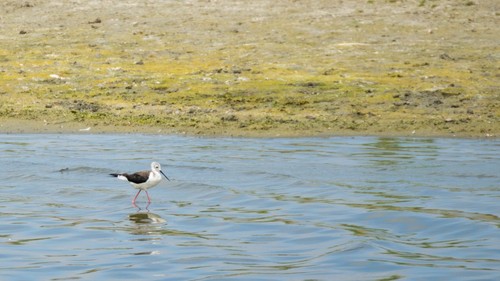
Black-winged Stilt
33-36 cm (13-14 in) long, wingspan 67-83 cm
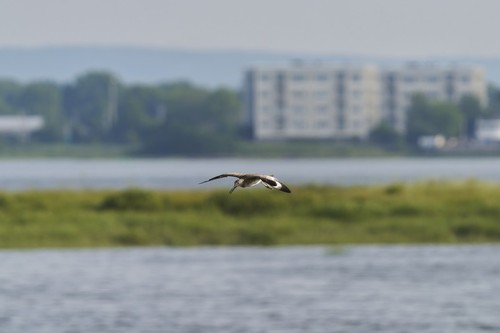
Willet
33-41 cm (13-16 in) long, 65-70 cm wingspan
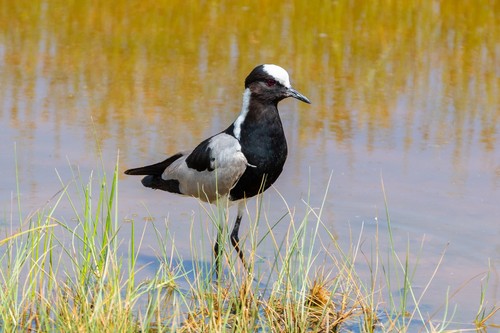
Blacksmith Lapwing
Body length about 30 cm; wingspan 55-65 cm
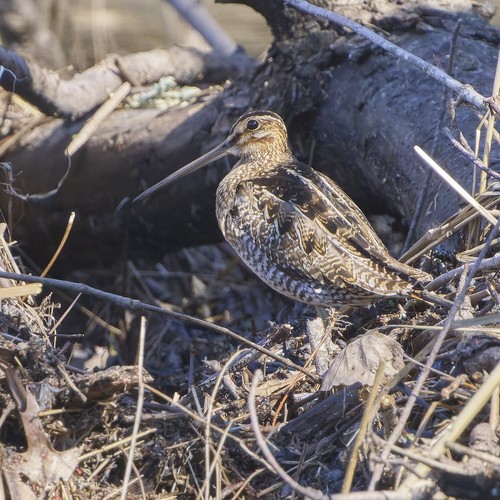
Wilson's Snipe
25-30 cm (10-12 in) long, 39-45 cm wingspan
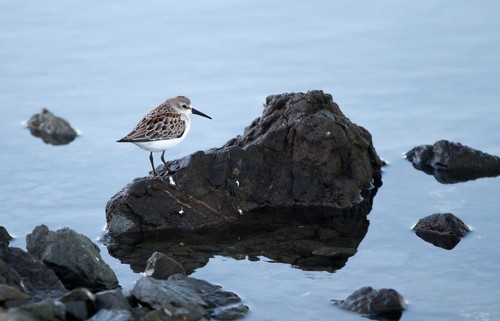
Western Sandpiper
14-17 cm (5.5-6.7 in) long, 28-37 cm wingspan
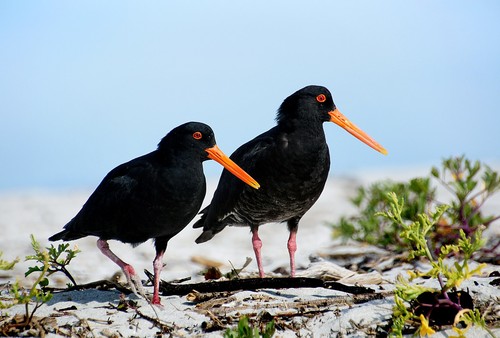
Variable Oystercatcher
46-49 cm (18-19 in) long
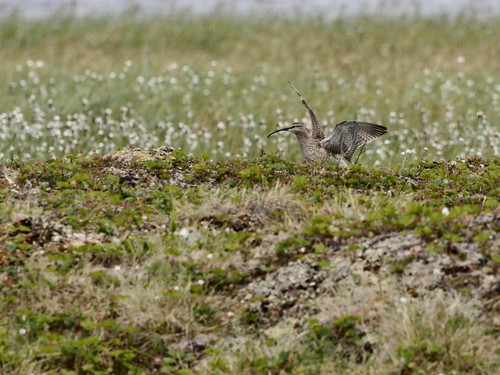
Whimbrel
40-46 cm (16-18 in) long, 76-89 cm wingspan
Wilson's Phalarope
22-24 cm (8.5-9.5 in) long, 37-43 cm wingspan
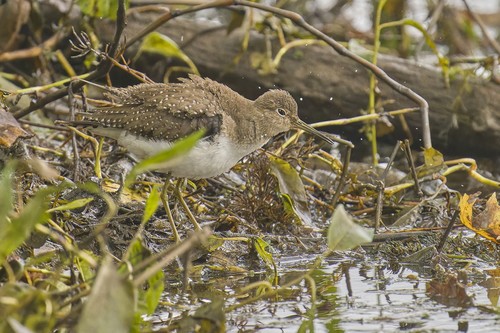
Solitary Sandpiper
19-23 cm (7.5-9 in) long, 50-56 cm wingspan
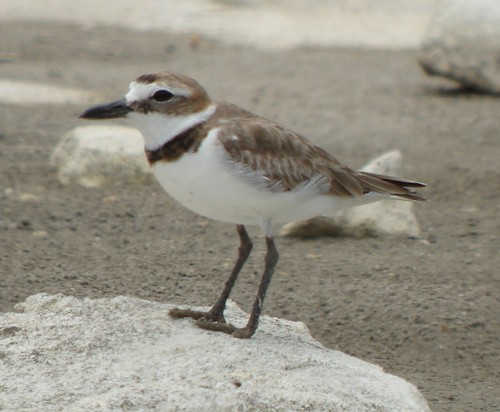
Wilson's Plover
17-19 cm (6.7-7.5 in) long, 45-50 cm wingspan
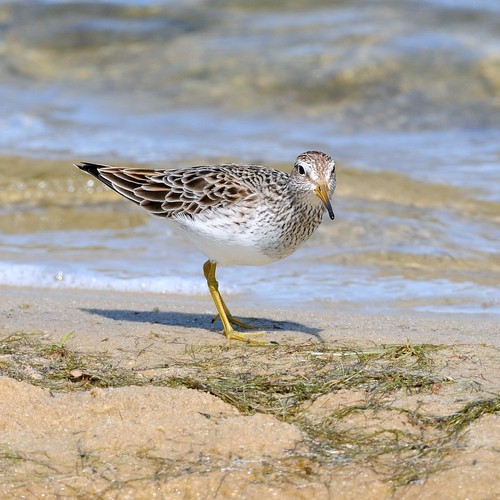
Pectoral Sandpiper
19-23 cm (7.5-9 in) long, 43-49 cm wingspan
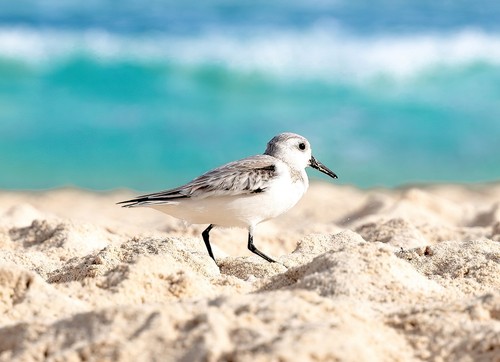
Sanderling
18-20 cm (7-8 in) long, 40-43 cm wingspan