
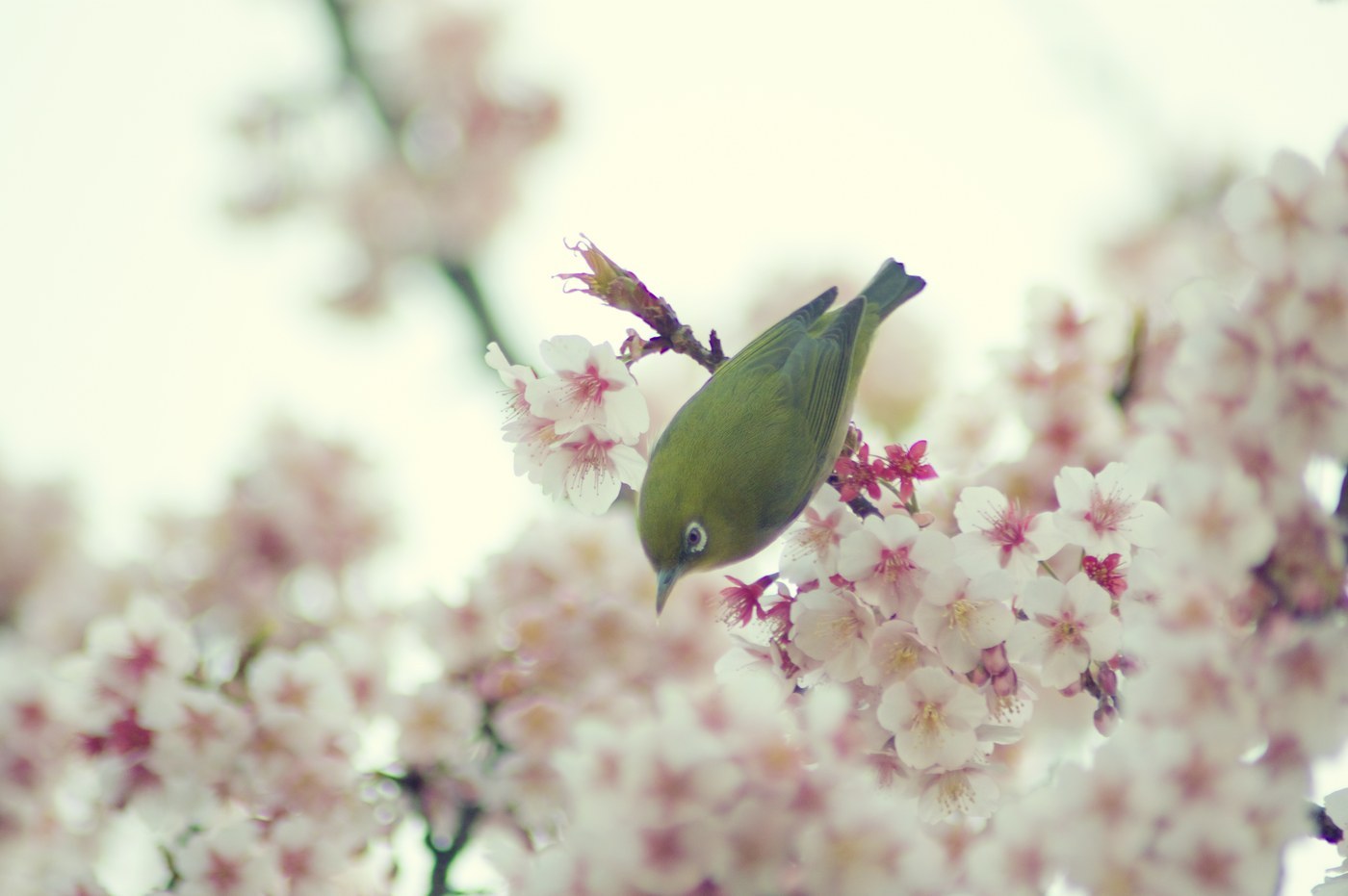
Japanese White-eye
Zosterops japonicus
A tiny, olive-green songbird instantly recognizable by the bold white ring encircling each eye.
- Size
- 10-11 cm (4-4.3 in) long
- Habitat
- forests, woodland edges, gardens, and parks
- Type
- songbird
Spotted a bird like this?
Identify any bird from a photo, free.
Overview
The Japanese White-eye is a small, energetic songbird with bright olive-green upperparts, a yellow throat, and pale grayish-white underparts. Its most distinctive feature is the conspicuous ring of white feathers encircling each eye, which gives the whole family its common name. The bill is short, thin, and slightly downcurved, well suited to probing flowers for nectar and gleaning tiny insects.
Highly social, white-eyes travel in small, constantly chattering flocks that move through the canopy and shrub layer together, rarely staying still for long. The species has also been introduced outside its native range, most notably to the Hawaiian Islands, where it is now one of the most abundant land birds.
How to identify it
Key field marks
- Bright olive-green back, head, and wings
- Bold, unbroken white eye-ring on an otherwise plain face
- Yellow throat and upper breast, fading to pale grayish-white belly
- Small size and constant, active movement in flocks
Similar species
- Warbling White-eye in Hawaii is the same species (introduced) and looks identical.
- Other regional white-eye species can be very similar; range and subtle underpart color are the main clues.
- No other small East Asian songbird combines the white eye-ring with an all-green back and yellow throat.
Habitat & range
Habitat
Occupies forest canopy and edge, secondary growth, bamboo thickets, and readily uses gardens, orchards, and urban parks with flowering trees.
Range
Native to Japan, Korea, Taiwan, and eastern China; introduced and now well established in Hawaii and other Pacific islands.
Migration
Northern populations are partially migratory, moving south for winter, while southern and introduced populations are largely resident.
Behavior & voice
Behavior
Forages in constantly moving, twittering flocks, gleaning insects from leaves and probing blossoms for nectar; agile and acrobatic, often hanging from thin branches.
Voice
A thin, high, wheezy warbling song and a soft, contact "tsee" or "chee" call kept up almost continuously by flock members.
Feeding
Eats small insects and spiders, nectar from flowering trees and shrubs, and soft fruit, using its brush-tipped tongue to lap up nectar.
Nesting
Builds a small, neat cup nest of grass, moss, and spider silk suspended in a fork of a shrub or low tree branch; lays 2-4 pale blue eggs.
Frequently asked questions
What is the white ring around a Japanese White-eye's eye?
It is a ring of small, dense white feathers that gives the entire white-eye family its name and is the easiest field mark for identifying the species.
Is the Japanese White-eye native to Hawaii?
No, it was introduced to Hawaii in the 1920s from Japan and is now one of the most common forest birds in the islands.
What does a Japanese White-eye eat?
Small insects and spiders, flower nectar, and soft fruit, foraged actively in flocks through foliage and blossoms.
How big is a Japanese White-eye?
It is tiny, about 10-11 cm (4-4.3 in) long, similar in size to a warbler.
Japanese White-eye guides
In-depth guides for identifying, finding, and understanding Japanese White-eye.
Other birds you may enjoy
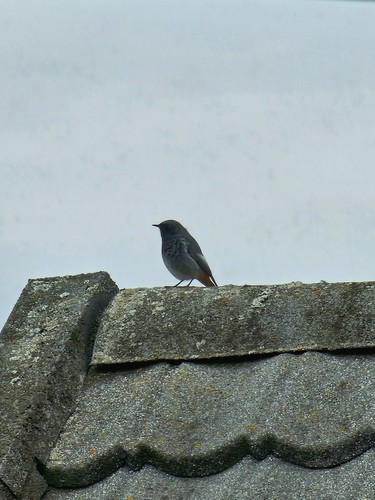
Black Redstart
13-14.5 cm (5.1-5.7 in) long, 23-26 cm wingspan
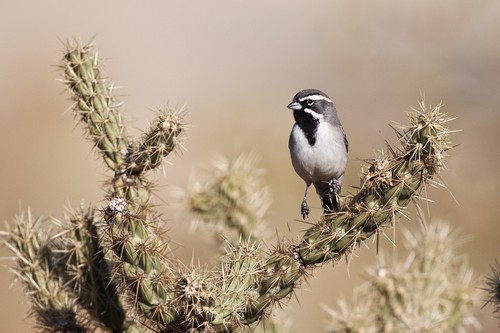
Black-throated Sparrow
12-14 cm (4.7-5.5 in) long, about 19-20 cm (7.5-8 in) wingspan
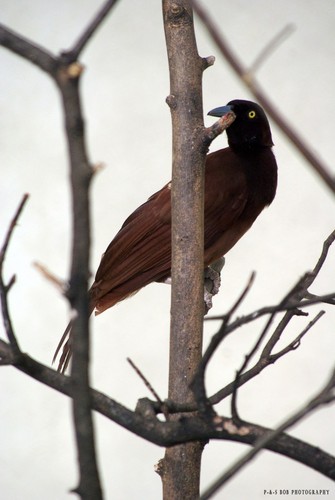
Greater Bird-of-paradise
Body about 43 cm; males with additional flank plumes up to 50 cm and long tail wires
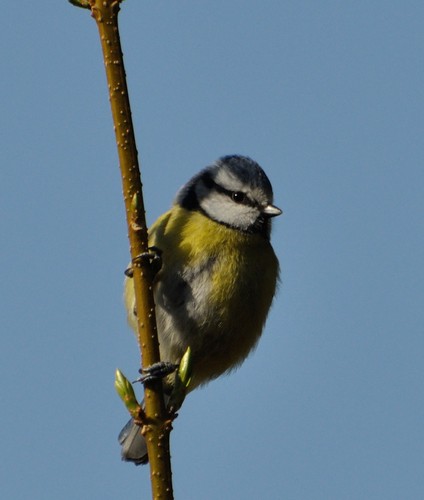
Blue Tit
11-12 cm (4.3-4.7 in) long, 17-20 cm wingspan
Red-billed Quelea
11.5–13 cm long, wingspan about 20–22 cm
White-plumed Antbird
13-14 cm (5-5.5 in) long
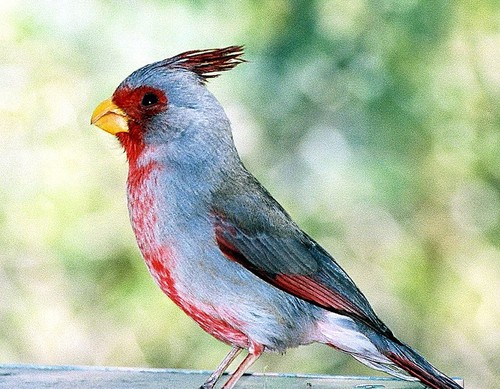
Pyrrhuloxia
19-22 cm (7.5-8.7 in) long, 30 cm wingspan
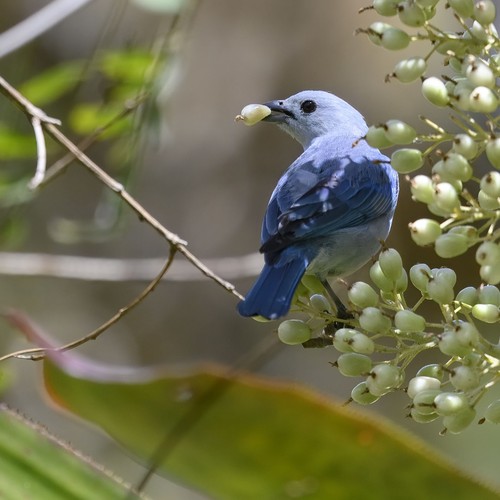
Blue-gray Tanager
16-18 cm (6-7 in) long
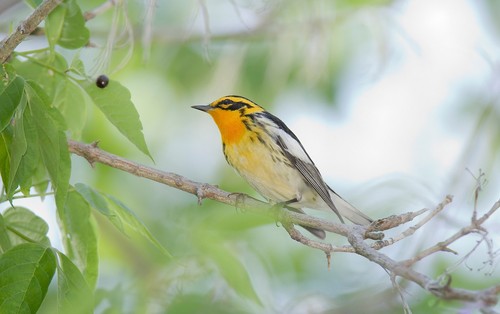
Blackburnian Warbler
11-13 cm (4.3-5.1 in) long, 20-22 cm wingspan
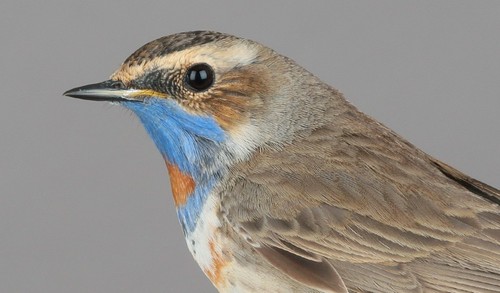
Bluethroat
13-14 cm (5.1-5.5 in) long, 20-22 cm wingspan
Eurasian Nuthatch
12-14.5 cm (4.7-5.7 in) long, 22.5-27 cm wingspan
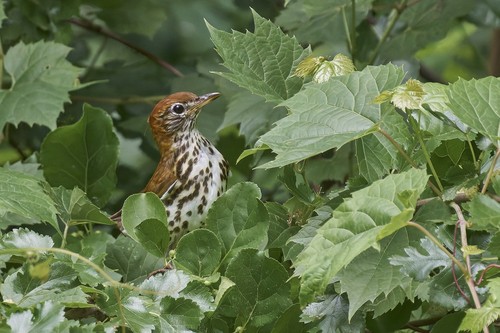
Wood Thrush
19-21 cm (7.5-8.3 in) long, about 33 cm (13 in) wingspan