

James's Flamingo
Phoenicoparrus jamesi
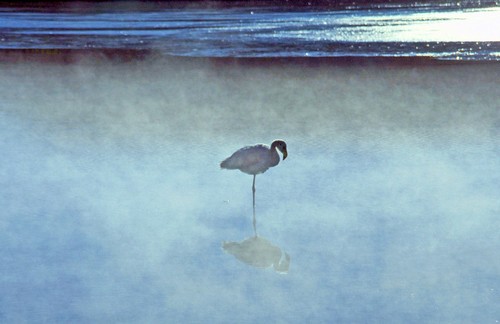
The smallest flamingo of the high Andes, pale pink with brick-red legs and a short, mostly yellow bill.
- Size
- 90-92 cm (35-36 in) tall
- Habitat
- high-altitude Andean salt lakes and alkaline wetlands
- Type
- wading-bird
Spotted a bird like this?
Identify any bird from a photo, free.
Overview
James's Flamingo, also known as the Puna Flamingo, is the smallest of the three high-Andean flamingo species and among the smallest flamingos in the world. It has pale pink plumage with a carmine-red line down the neck, deep red wing coverts, and distinctive brick-red to orange legs. Its bill is short, mostly bright yellow with only a small black tip, an adaptation for skimming diatoms from the surface film of alkaline lakes.
It was long thought extinct before being rediscovered breeding on remote Andean salt lakes in the 1950s, and it remains one of the least-studied flamingo species due to the remoteness of its habitat.
How to identify it
Key field marks
- Small size, the smallest of the Andean flamingos
- Bright brick-red to orange legs
- Short bill, mostly yellow with a small black tip
- Carmine streak down the foreneck
Similar species
- Andean Flamingo is larger with yellow legs and a longer, mostly black bill.
- Chilean Flamingo has gray legs with pink joints, not solid red legs.
- Often seen mixed with the other two species on shared Andean lakes.
Habitat & range
Habitat
Restricted almost entirely to high-altitude saline lakes and salt flats of the Andean altiplano, typically above 3,500 meters.
Range
Breeds in Bolivia, Chile, and Argentina, with non-breeding birds also occurring in Peru.
Migration
Moves seasonally between remote high-altitude breeding lakes and lower-elevation lakes in winter.
Behavior & voice
Behavior
Feeds by walking slowly through shallow water, skimming the surface film with its shallow-keeled bill rather than filtering mud like larger flamingos.
Voice
Honking and cackling calls, generally higher-pitched than those of larger flamingo species.
Feeding
Specializes on diatoms and microscopic algae skimmed from the water's surface layer.
Nesting
Breeds in dense colonies on remote salt lakes, building mud mound nests; lays a single white egg.
Frequently asked questions
Is James's Flamingo the smallest flamingo species?
It is the smallest of the three high-Andean flamingo species and one of the smaller flamingos worldwide, though the Lesser Flamingo of Africa and Asia is slightly smaller.
How can you identify James's Flamingo?
Look for brick-red legs, a short bill that is mostly yellow with a small black tip, and a carmine streak down the neck.
Where does James's Flamingo live?
On remote high-altitude salt lakes of the Andes in Bolivia, Chile, Argentina, and Peru.
Was James's Flamingo ever thought extinct?
Yes, it was believed extinct for decades until breeding colonies were rediscovered on remote Andean salt lakes in the 1950s.
James's Flamingo guides
In-depth guides for identifying, finding, and understanding James's Flamingo.
Other birds you may enjoy
Demoiselle Crane
85-100 cm (33-39 in) long, 155-180 cm wingspan
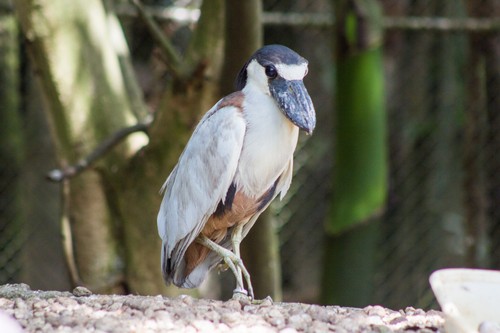
Boat-billed Heron
41-56 cm (16-22 in) long
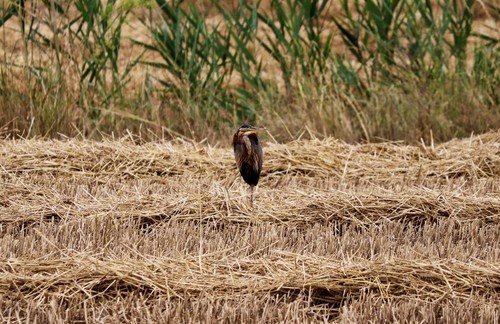
Purple Heron
78-90 cm (31-35 in) long, 120-152 cm wingspan
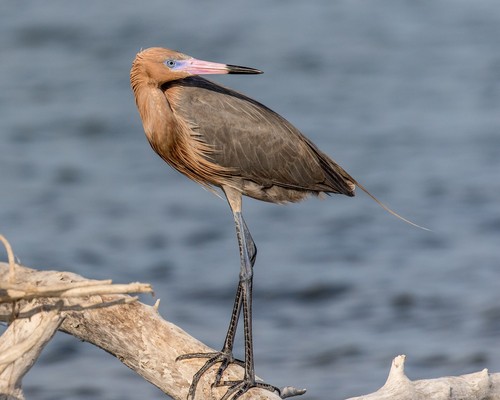
Reddish Egret
68-82 cm (27-32 in) long, 116-125 cm wingspan
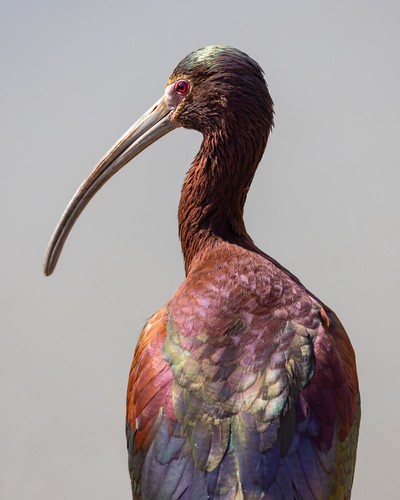
White-faced Ibis
46-56 cm (18-22 in) long, 88-93 cm wingspan
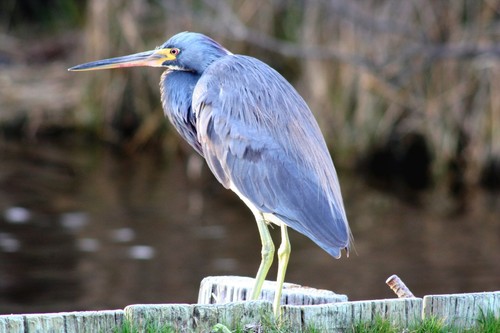
Tricolored Heron
61-76 cm (24-30 in) long, about 96 cm wingspan
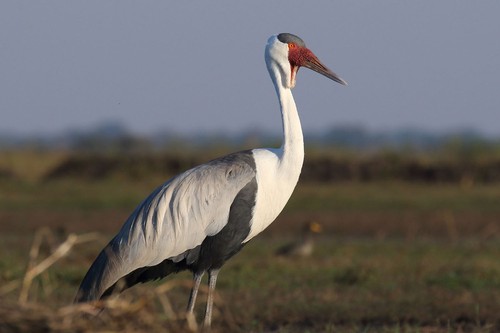
Wattled Crane
120-175 cm (47-69 in) tall, one of the tallest cranes, wingspan up to about 230 cm (7.5 ft)
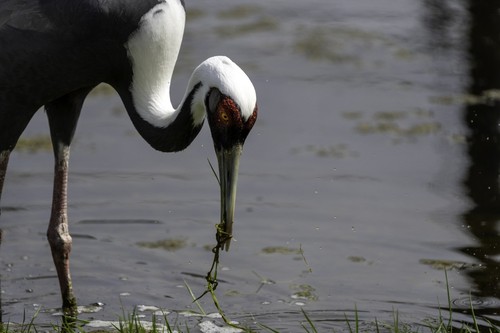
White-naped Crane
112-125 cm (44-49 in) long, 195-210 cm wingspan
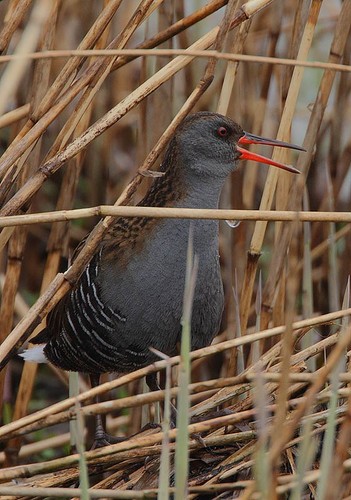
Water Rail
23-28 cm (9-11 in) long, wingspan 38-45 cm
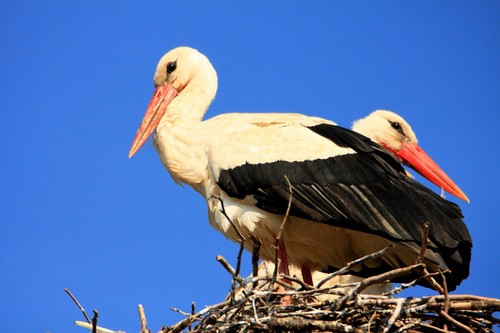
White Stork
100-125 cm (39-49 in) long, 155-215 cm wingspan
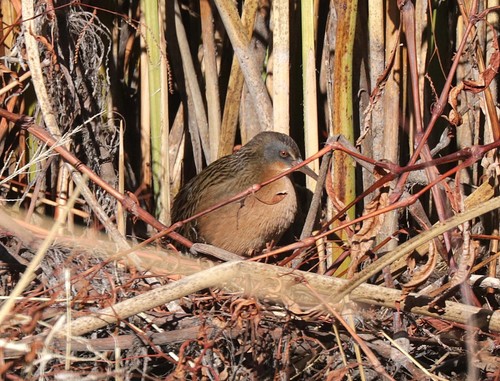
Virginia Rail
20-27 cm (8-11 in) long, wingspan 32-38 cm
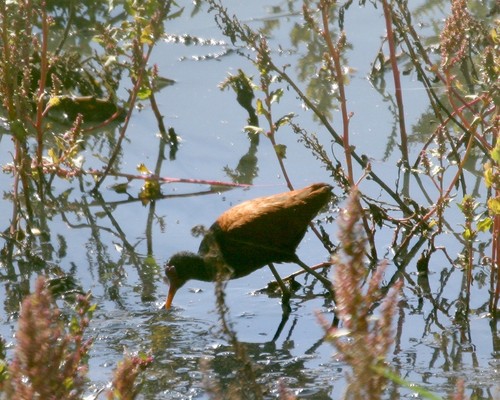
Wattled Jacana
17-23 cm (7-9 in) long