
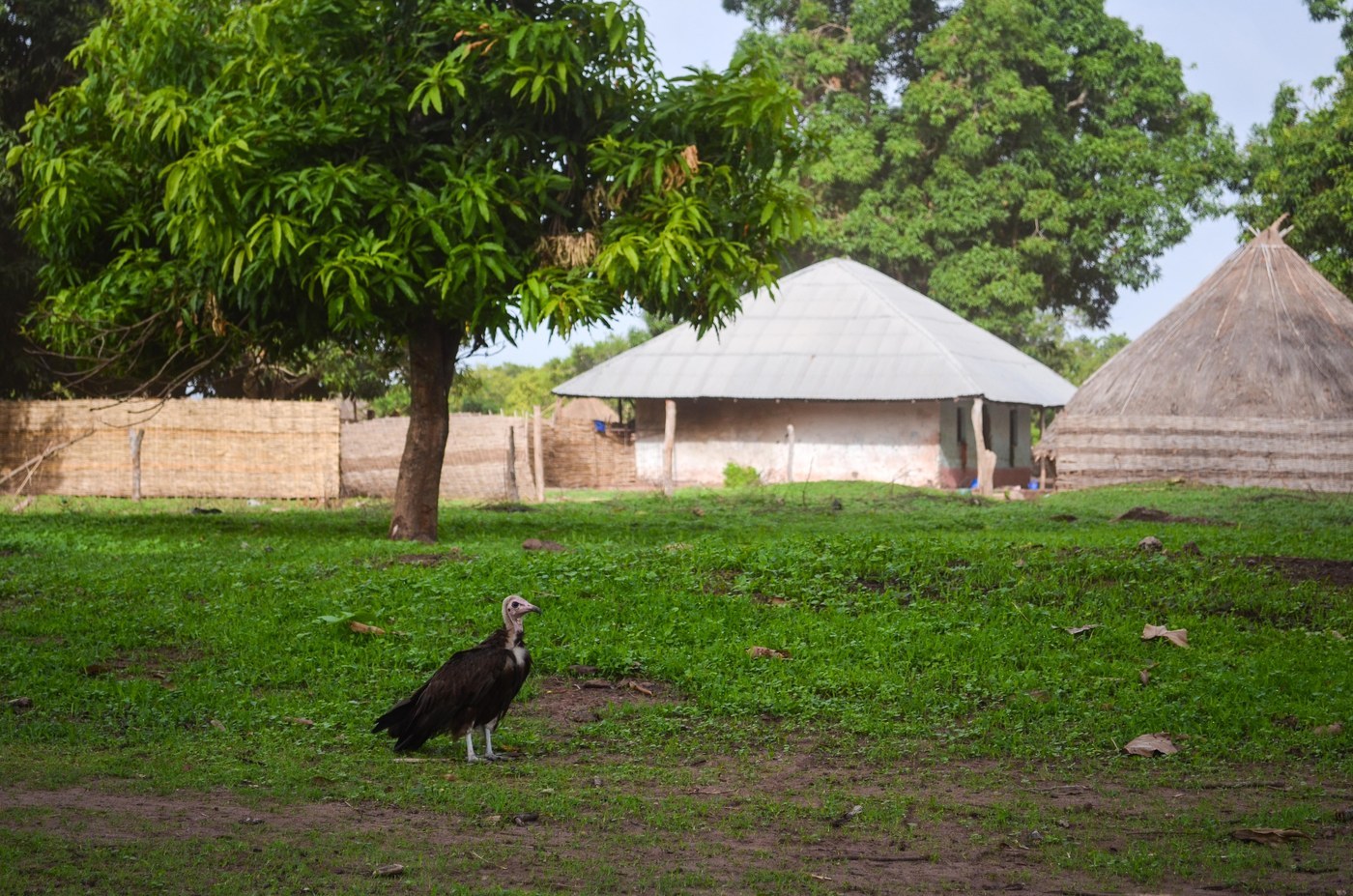
Hooded Vulture
Necrosyrtes monachus
A small, drab, bare-faced vulture of Africa that scavenges close to towns and villages and has suffered catastrophic population declines.
- Size
- 62-72 cm long; wingspan 155-180 cm
- Habitat
- Savanna, open woodland, and areas around towns and human settlements across sub-Saharan Africa
- Type
- raptor
Spotted a bird like this?
Identify any bird from a photo, free.
Overview
The Hooded Vulture is a small, slender Old World vulture found across sub-Saharan Africa. It is named for the fluffy, pale down that covers the back and sides of its otherwise bare head, giving a hooded appearance.
Appearance
Plumage is a uniform dull brown, darker on the wings and paler on the underparts. The bare facial skin is pinkish to grayish and flushes red when the bird is agitated. The bill is long, thin, and relatively weak compared to other vultures, an adaptation for feeding on scraps rather than tearing tough hide.
Juveniles are darker overall with more extensively feathered heads that gradually become bare with age.
How to identify it
Key field marks
- Small size and slim build compared to other African vultures
- Bare, pale pinkish-gray face and thin, weak-looking bill
- Fluffy whitish-brown down on the nape and hindneck (the "hood")
- Uniform dark brown body plumage with no strong pattern
Similar species
The White-backed Vulture is larger and bulkier with a heavier bill and (in adults) a pale back patch. The Egyptian Vulture has bold white plumage with black flight feathers and a wedge-shaped tail, quite unlike the plain brown Hooded Vulture. In flight, the Hooded Vulture shows narrower, more rectangular wings and a longer tail than most Gyps vultures, and often soars in small, loose groups near towns and abattoirs.
Habitat & range
Habitat
Hooded Vultures favor open and semi-open country, including savanna, woodland edges, and, distinctively, the vicinity of towns, villages, and refuse sites, where they scavenge alongside dogs and other vultures.
Range
The species occurs widely across sub-Saharan Africa, from Senegal and Mauritania east to Somalia and Ethiopia, and south through East and Central Africa to South Africa.
Migration
Most populations are largely resident and sedentary, remaining near reliable food sources such as settlements and carcass sites, though some local and seasonal movements occur in response to food availability.
Behavior & voice
Behavior
Hooded Vultures are highly social scavengers, often the first and most numerous vultures to arrive at carcasses in and around human settlements. They are subordinate to larger vulture species at carcasses and typically wait at the periphery, using their thin bills to probe into small crevices and scraps that larger vultures cannot access.
Voice
Generally silent away from nests or carcasses; at feeding sites and nests they give hissing and thin squealing calls during disputes over food.
Feeding
Opportunistic scavengers that feed on carrion, slaughterhouse waste, and human refuse; they also take insects, small vertebrates, and occasionally raid other birds' nests.
Nesting and breeding
Pairs build stick nests in the canopy of tall trees, often near settlements. A single egg is typically laid, and both parents share incubation and chick-rearing duties over an extended breeding cycle lasting several months.
Frequently asked questions
Why is the Hooded Vulture Critically Endangered?
Populations have collapsed due to poisoning (both accidental and deliberate, including poisoning targeted at other predators), loss of food availability from improved sanitation, and use in traditional medicine trade, causing declines of over 80% in recent decades.
How do you tell a Hooded Vulture from other African vultures?
Look for its small size, thin weak bill, bare pinkish face, and fluffy pale down on the neck; it lacks the bulkier build and pale back patch of larger Gyps vultures.
Where do Hooded Vultures live?
They range across sub-Saharan Africa, commonly seen near towns, villages, and rubbish dumps as well as in open savanna.
What do Hooded Vultures eat?
Mainly carrion and human refuse; they scavenge at carcasses, slaughterhouses, and garbage sites, and occasionally eat insects or small animals.
Hooded Vulture guides
In-depth guides for identifying, finding, and understanding Hooded Vulture.
Other birds you may enjoy
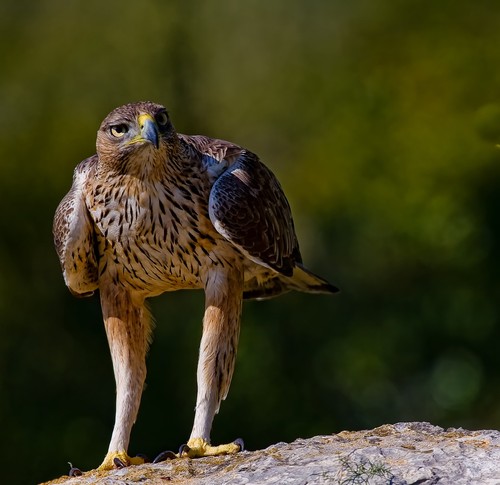
Bonelli's Eagle
Body 65–72 cm (26–28 in); wingspan 150–180 cm (59–71 in)
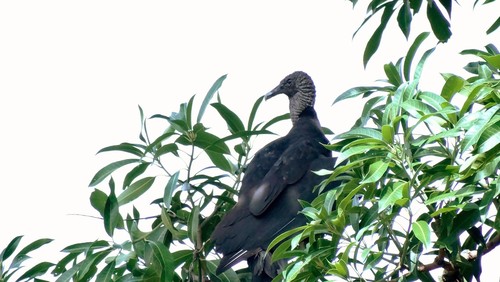
Black Vulture
56-68 cm (22-27 in) long, 137-165 cm wingspan
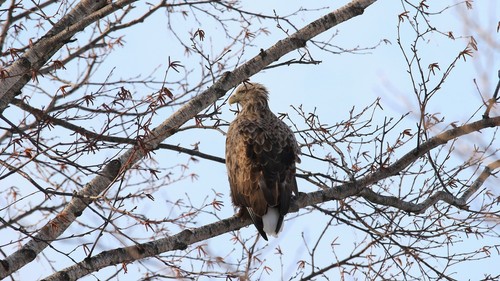
White-tailed Eagle
66-94 cm body length; wingspan 178-245 cm, among the largest eagles in the world
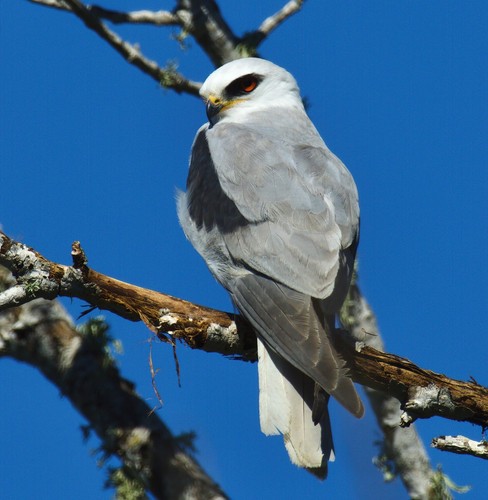
White-tailed Kite
35-43 cm (14-17 in) long, 88-102 cm (35-40 in) wingspan
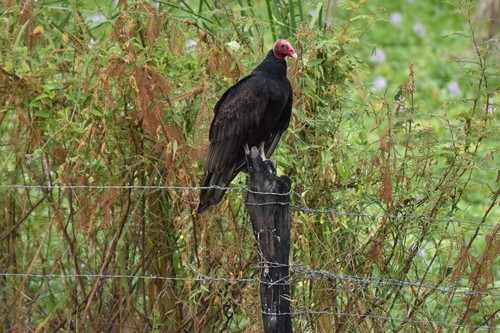
Turkey Vulture
64-81 cm (25-32 in) long, 160-183 cm wingspan
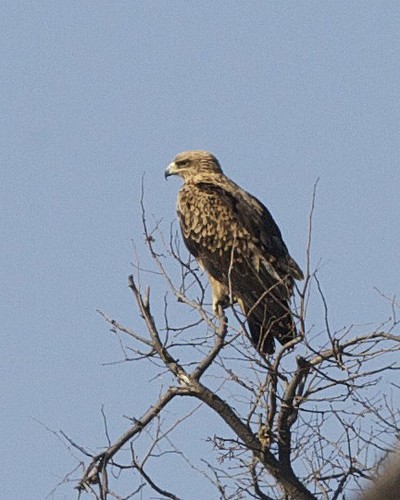
Tawny Eagle
62–75 cm long; wingspan 1.65–2.0 m
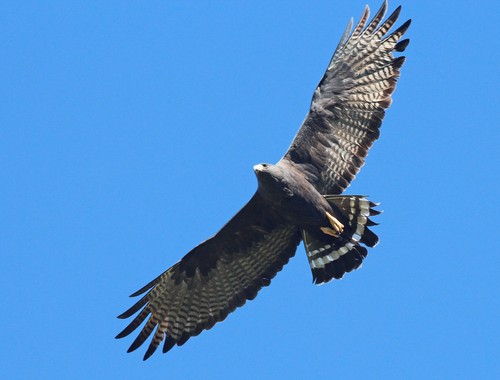
Zone-tailed Hawk
46-56 cm (18-22 in) long, 118-140 cm (46-55 in) wingspan
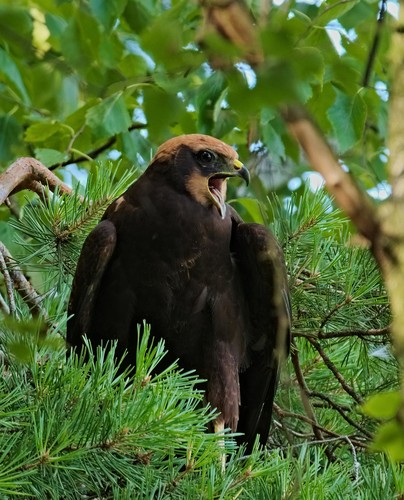
Western Marsh Harrier
Body 43-56 cm; wingspan 115-140 cm
Swallow-tailed Kite
48-68 cm (19-27 in) long including tail streamers, 112-136 cm (44-54 in) wingspan
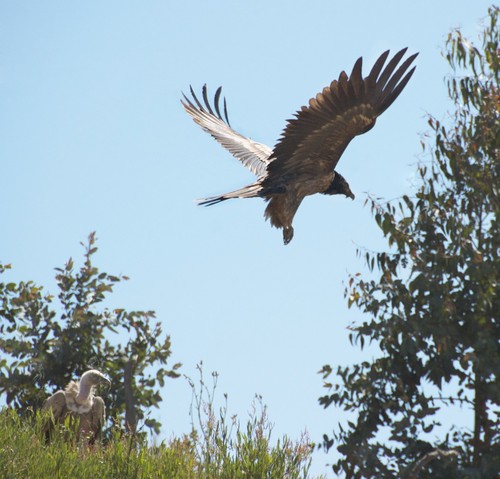
White-backed Vulture
78-98 cm long, wingspan 1.96-2.25 m
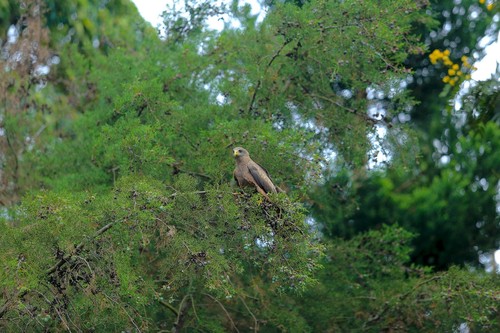
Yellow-billed Kite
55-60 cm long; wingspan 130-155 cm
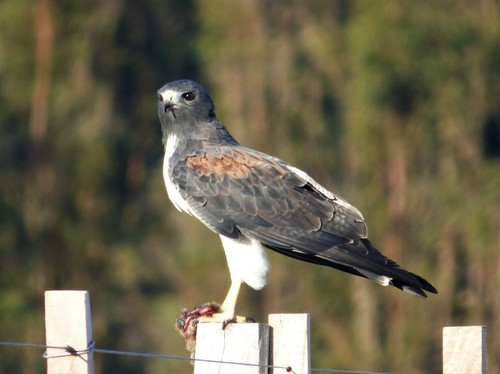
White-tailed Hawk
46-59 cm (18-23 in) long, 122-142 cm (48-56 in) wingspan