
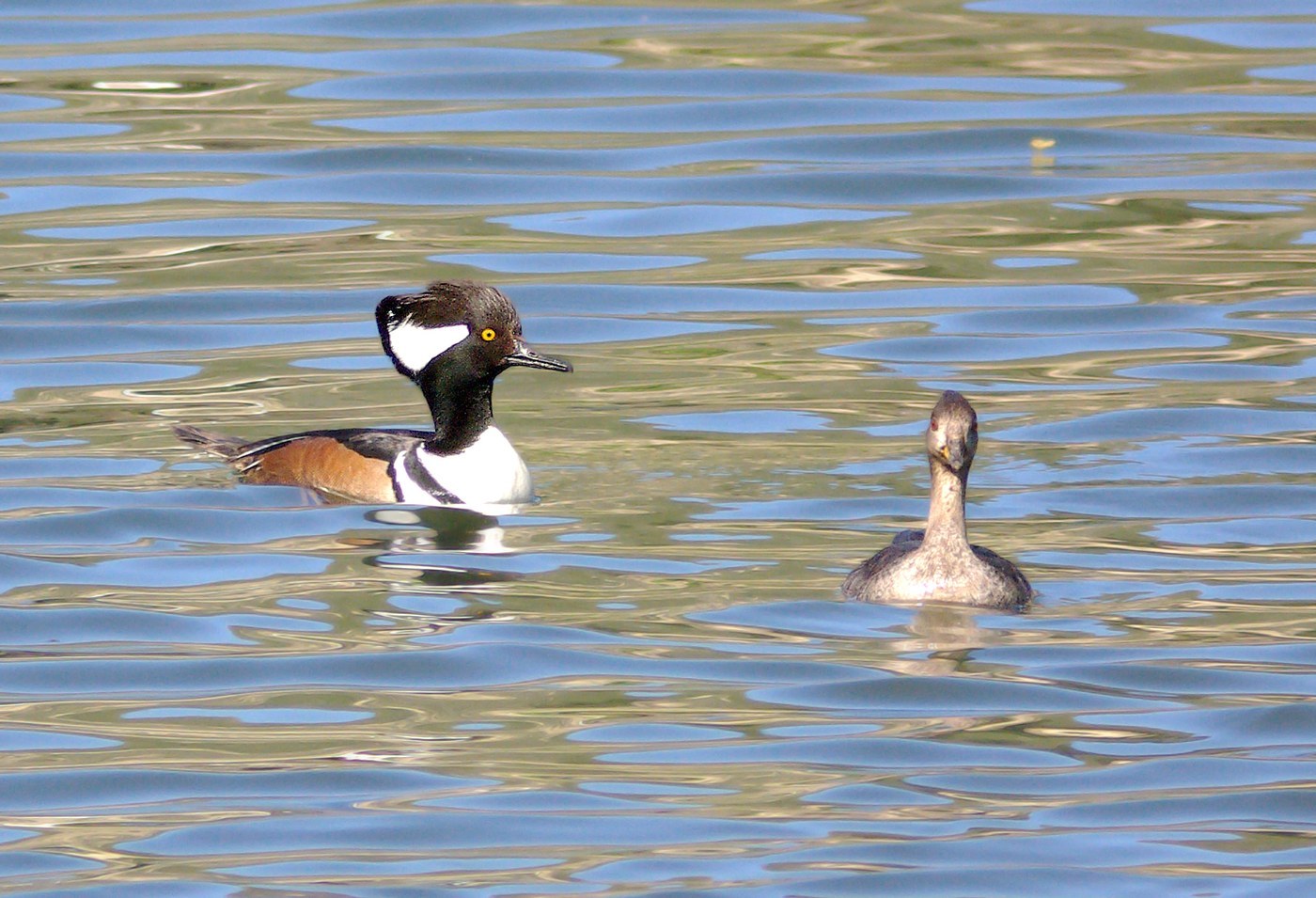
Hooded Merganser
Lophodytes cucullatus
The smallest North American merganser, with males sporting a dramatic fan-shaped black-and-white crest.
- Size
- 40-49 cm (16-19 in) long, 56-70 cm wingspan
- Habitat
- wooded ponds, swamps, beaver ponds, and small lakes
- Type
- waterfowl
Spotted a bird like this?
Identify any bird from a photo, free.
Overview
The Hooded Merganser is the smallest of North America's mergansers and one of its most striking waterfowl. Breeding males have a large, fan-shaped black-and-white crest that can be raised into a bold white patch or flattened down, a black back, chestnut flanks, and a slender dark bill. Females are subtler, warm grayish-brown with a shaggy cinnamon-tinged crest of their own.
Unlike the larger mergansers, Hooded Mergansers favor quiet, wooded ponds, swamps, and small lakes rather than open water, and their compact size and thin bill set them apart at a glance.
How to identify it
Key field marks
- Small size, thin black bill, and golden-yellow eye
- Breeding male: large white crest patch bordered in black, black back, chestnut-barred flanks, two black bars on the white breast
- Female: grayish body with a puffy cinnamon-brown crest
- Crest is raised and lowered at will, dramatically changing head shape
Similar species
Much smaller and more compact than the Common and Red-breasted Mergansers, with a proportionally shorter, thinner bill. Female Bufflehead and female Wood Duck can superficially suggest a female Hooded Merganser but lack the shaggy crest and thin serrated bill.
Habitat & range
Hooded Mergansers breed across forested wetlands, wooded ponds, beaver ponds, and swamps in North America, nesting in tree cavities near water. They winter on similar sheltered freshwater habitats as well as quiet coastal bays and estuaries where ice-free water remains available. The species is largely restricted to North America, unlike the more widespread Common and Red-breasted Mergansers.
Behavior & voice
Behavior
Hooded Mergansers dive to hunt in clear, shallow water, sometimes using specialized eyesight adaptations that help them see underwater. Males perform courtship displays that dramatically expand and contract the crest.
Voice
Generally quiet; displaying males give a low, frog-like rolling croak, and females give a hoarse "gack" note.
Feeding
Small fish, crayfish, aquatic insects, and other invertebrates gleaned by underwater pursuit in clear ponds and streams.
Nesting
Nests in tree cavities or nest boxes near wooded wetlands; clutches typically hold 10-12 eggs. Ducklings leave the nest within a day of hatching, jumping down to follow the female to water.
Frequently asked questions
Why does the Hooded Merganser have a fan-shaped crest?
Both sexes can raise or lower their crest at will; males use the dramatic white-and-black fan in courtship displays and to signal alarm or excitement.
Is the Hooded Merganser the smallest merganser?
Yes, it is the smallest of the mergansers found in North America, notably smaller than the Common and Red-breasted Mergansers.
What habitat do Hooded Mergansers prefer?
Quiet, wooded ponds, swamps, beaver ponds, and small lakes rather than open rivers or coastal waters.
What do Hooded Mergansers eat?
Small fish, crayfish, and aquatic insects caught by diving in clear water.
Hooded Merganser guides
In-depth guides for identifying, finding, and understanding Hooded Merganser.
Other birds you may enjoy
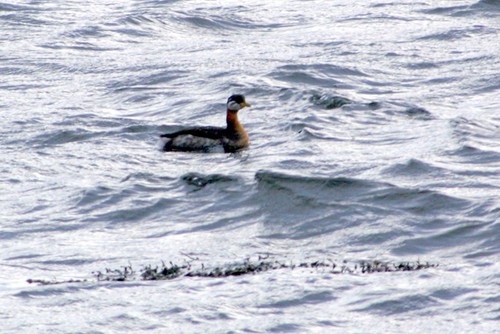
Red-necked Grebe
40-55 cm (16-22 in) long, 77-85 cm wingspan
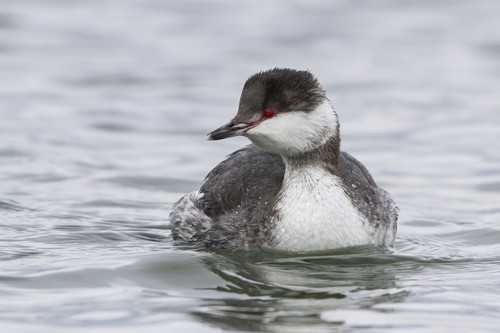
Horned Grebe
31-38 cm (12-15 in) long, 46-55 cm wingspan
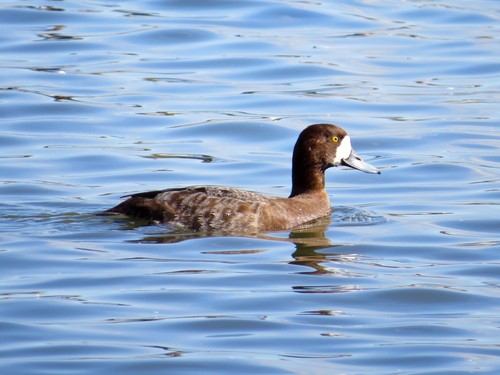
Greater Scaup
42-51 cm (16.5-20 in) long, 71-84 cm wingspan
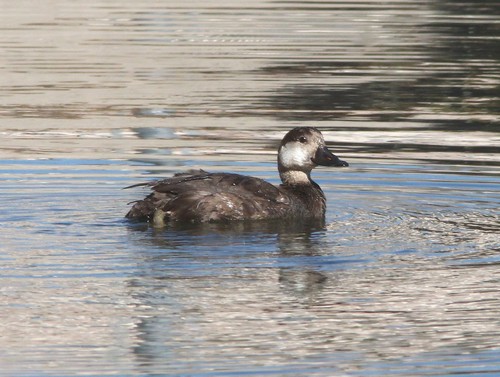
Black Scoter
43-54 cm (17-21 in) long, 79-90 cm wingspan
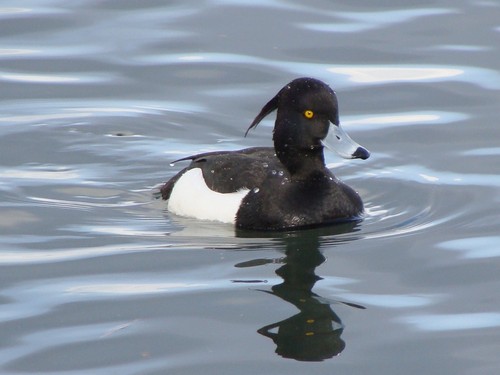
Tufted Duck
40-47 cm (16-18.5 in) long, 67-73 cm wingspan
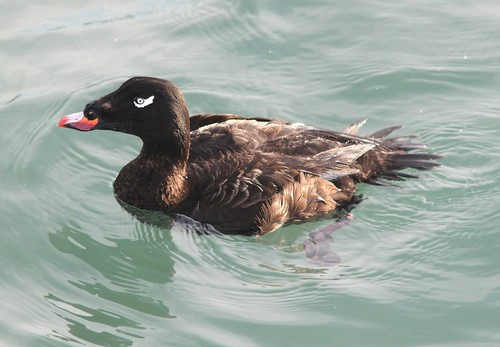
White-winged Scoter
48-58 cm (19-23 in) long, 86-99 cm wingspan
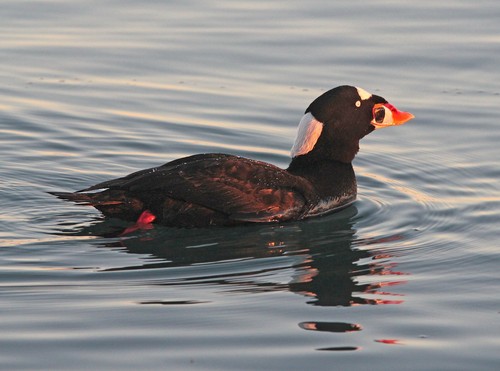
Surf Scoter
45-56 cm (18-22 in) long, 78-92 cm wingspan
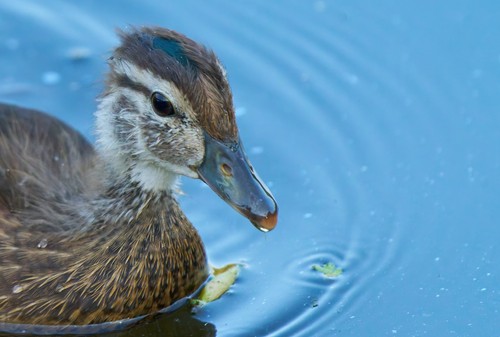
Wood Duck
47-54 cm (18.5-21 in) long, 66-73 cm wingspan
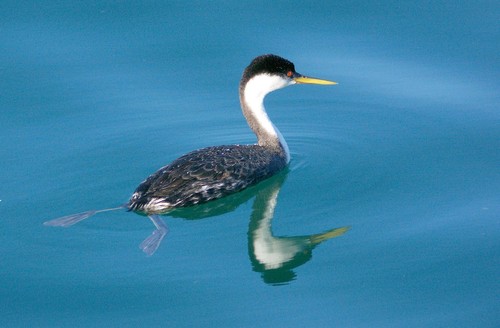
Western Grebe
56-74 cm (22-29 in) long, 79-102 cm wingspan
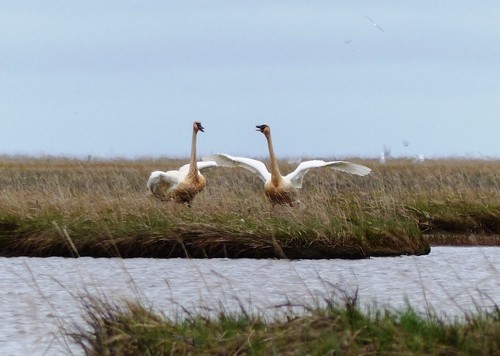
Tundra Swan
115-150 cm (45-59 in) long, about 180 cm wingspan
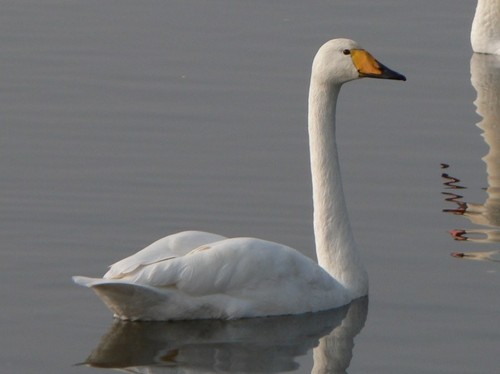
Whooper Swan
140-165 cm (55-65 in) long, 205-235 cm wingspan
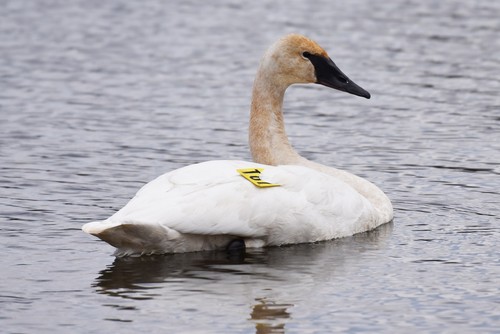
Trumpeter Swan
150-180 cm (59-71 in) long, up to 300 cm wingspan