
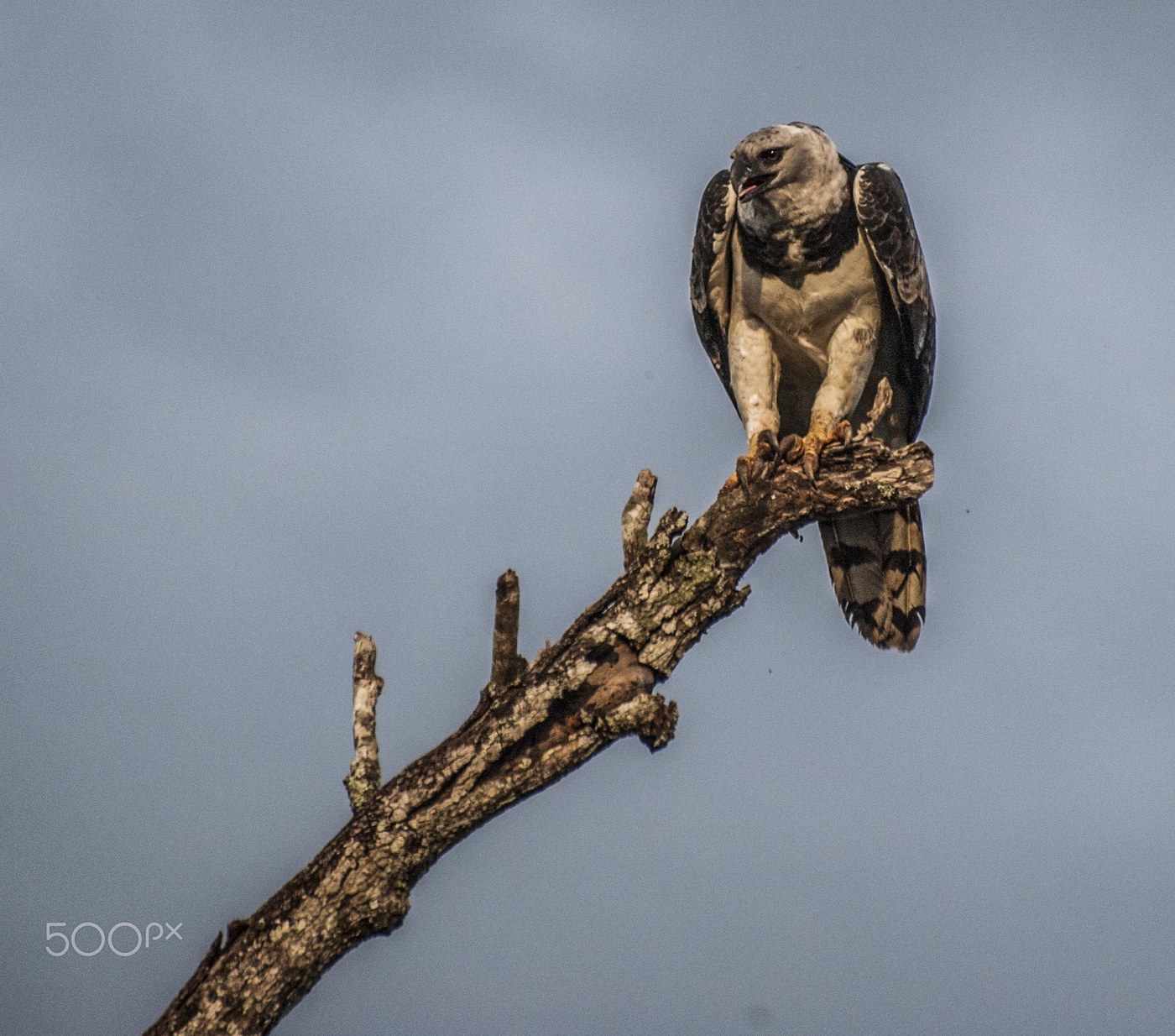
Harpy Eagle
Harpia harpyja
One of the largest and most powerful eagles on Earth, the Harpy Eagle is a massive gray-and-white raptor of the Neotropical rainforest canopy, famed for hunting sloths and monkeys.
- Size
- Body 86–107 cm (34–42 in); wingspan 176–224 cm (69–88 in); females much larger than males
- Habitat
- Lowland tropical rainforest canopy and emergent trees
- Type
- raptor
Spotted a bird like this?
Identify any bird from a photo, free.
Overview
The Harpy Eagle is one of the largest and most powerful of all living eagles, a dominant apex predator of the Neotropical rainforest canopy. It ranges from southern Mexico through Central America to Brazil and northern Argentina, though it has vanished from much of its former range.
Adults have a pale gray head, a black band across the upper breast, and a striking double crest of blackish feathers that is raised into a fan-like shape when the bird is alert or alarmed. The upperparts are blackish-gray, the underparts white, and the tail is long and banded black and gray. Its most extraordinary features are its enormous yellow legs and talons, which are proportionally among the largest of any eagle, allowing it to grip and kill prey many times its own body mass.
Females are dramatically larger than males, a form of reversed sexual size dimorphism common among raptors that take large prey, and can weigh nearly twice as much as their mates.
How to identify it
Key field marks
- Double, pointed gray-and-black crest, raised into a fan when alarmed
- Pale gray head and neck contrasting with a black breast band
- Black upperparts and white underparts with black tail bars
- Massive yellow legs and enormous black talons
- Broad, relatively short wings and long tail suited to maneuvering through dense canopy
Similar species
The Crested Eagle (Morphnus guianensis) overlaps in range and shares a crest, but is more slender, has a single crest rather than a double one, longer proportionally, and lacks the Harpy's massive feet. No other Neotropical raptor approaches the Harpy Eagle's sheer bulk and leg thickness, making a good look at the legs and feet usually diagnostic.
Habitat & range
Range
The Harpy Eagle occurs from southern Mexico and Central America south through the Amazon Basin to northern Argentina, though populations are now fragmented and it has been extirpated from much of Central America and parts of Brazil's Atlantic Forest.
Habitat
It depends on large, continuous tracts of lowland tropical rainforest, hunting from and nesting in emergent trees that rise above the canopy. Because each pair requires an enormous home range to find enough prey, the species is extremely sensitive to deforestation and forest fragmentation.
Migration
Harpy Eagles are non-migratory and sedentary, remaining on large permanent territories for life.
Behavior & voice
Hunting and feeding
The Harpy Eagle is a stealth ambush predator, perching quietly for long periods before flying rapid, powerful attacks through the forest canopy. Its diet consists mainly of arboreal mammals, especially sloths and monkeys, supplemented by opossums, coatis, porcupines, and occasionally large birds or reptiles.
Voice
Harpy Eagles are generally quiet away from the nest, giving high, thin, whistled calls between mates and to communicate with chicks.
Nesting and breeding
Pairs build enormous stick nests high in emergent trees such as kapok (ceiba), often reusing the same nest for years. A single egg is typically laid, and the chick remains dependent on its parents for close to two years, so successful pairs generally breed only once every two to three years.
Frequently asked questions
How big is a Harpy Eagle?
Females can reach over a meter in body length with a wingspan approaching 2.2 meters (7 ft) and weigh up to 9 kg (20 lb), making them among the heaviest eagles in the world; males are notably smaller.
What does a Harpy Eagle eat?
Mainly arboreal mammals, especially sloths and monkeys, along with opossums, coatis, and occasionally large birds or reptiles.
Where do Harpy Eagles live?
In lowland tropical rainforest from southern Mexico and Central America through the Amazon Basin to northern Argentina, always in large, undisturbed tracts of forest.
Is the Harpy Eagle the largest eagle in the world?
It is among the largest and most powerful eagles by body size and talon strength, though the Philippine Eagle and Steller's Sea Eagle rival it in different measurements such as length or weight.
Why does a Harpy Eagle raise its crest?
The double crest is raised into a fan shape to signal alertness or alarm, functioning much like a mood indicator visible to other eagles and observers.
Harpy Eagle guides
In-depth guides for identifying, finding, and understanding Harpy Eagle.
Other birds you may enjoy
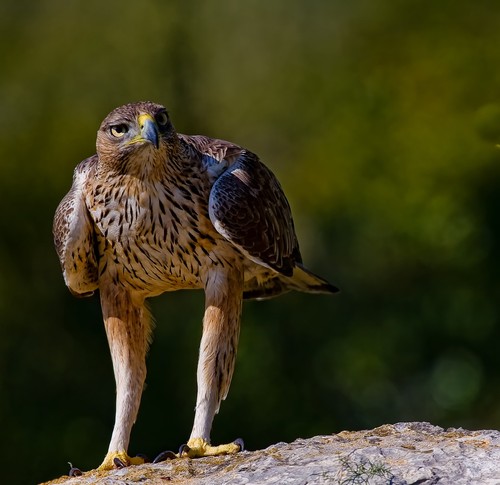
Bonelli's Eagle
Body 65–72 cm (26–28 in); wingspan 150–180 cm (59–71 in)
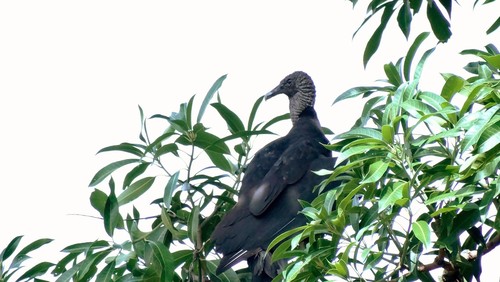
Black Vulture
56-68 cm (22-27 in) long, 137-165 cm wingspan
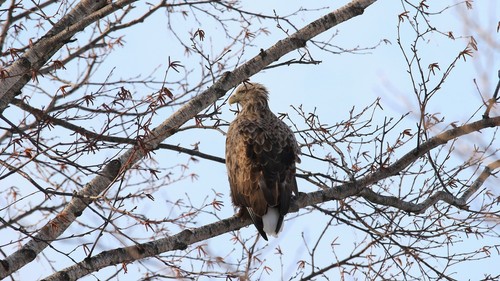
White-tailed Eagle
66-94 cm body length; wingspan 178-245 cm, among the largest eagles in the world
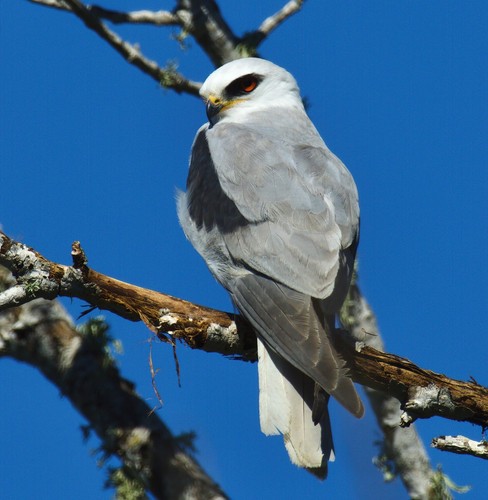
White-tailed Kite
35-43 cm (14-17 in) long, 88-102 cm (35-40 in) wingspan
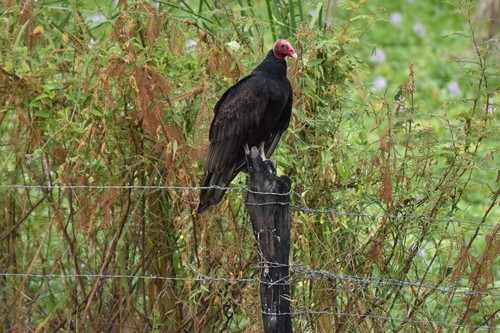
Turkey Vulture
64-81 cm (25-32 in) long, 160-183 cm wingspan
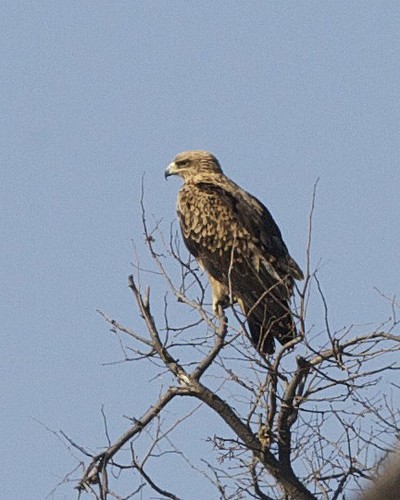
Tawny Eagle
62–75 cm long; wingspan 1.65–2.0 m
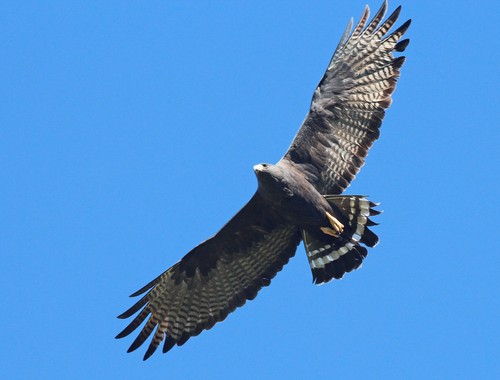
Zone-tailed Hawk
46-56 cm (18-22 in) long, 118-140 cm (46-55 in) wingspan
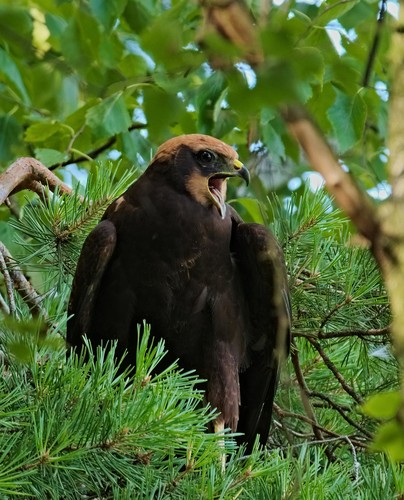
Western Marsh Harrier
Body 43-56 cm; wingspan 115-140 cm
Swallow-tailed Kite
48-68 cm (19-27 in) long including tail streamers, 112-136 cm (44-54 in) wingspan
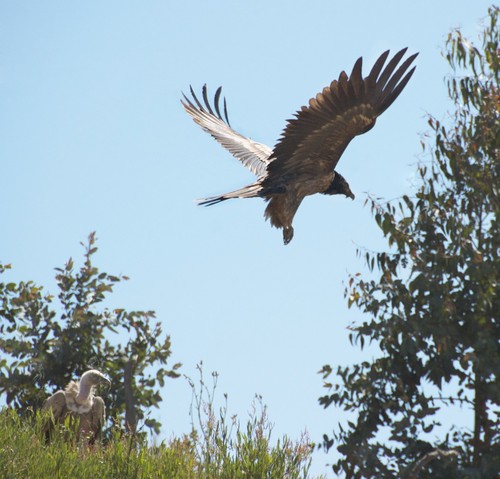
White-backed Vulture
78-98 cm long, wingspan 1.96-2.25 m
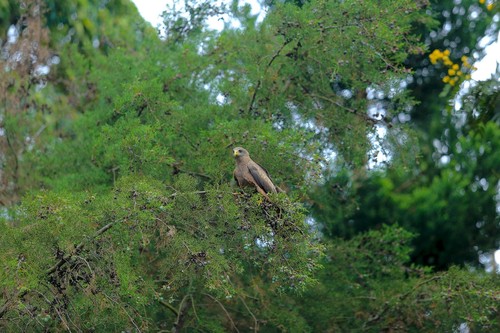
Yellow-billed Kite
55-60 cm long; wingspan 130-155 cm
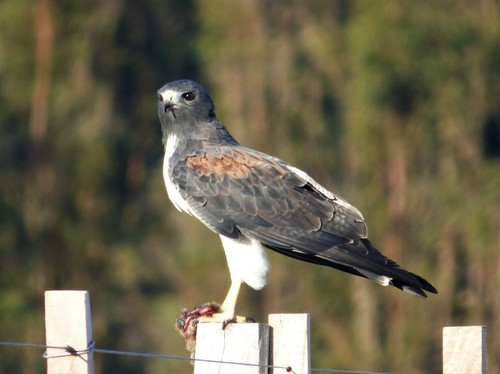
White-tailed Hawk
46-59 cm (18-23 in) long, 122-142 cm (48-56 in) wingspan