
Harlequin Duck
Histrionicus histrionicus
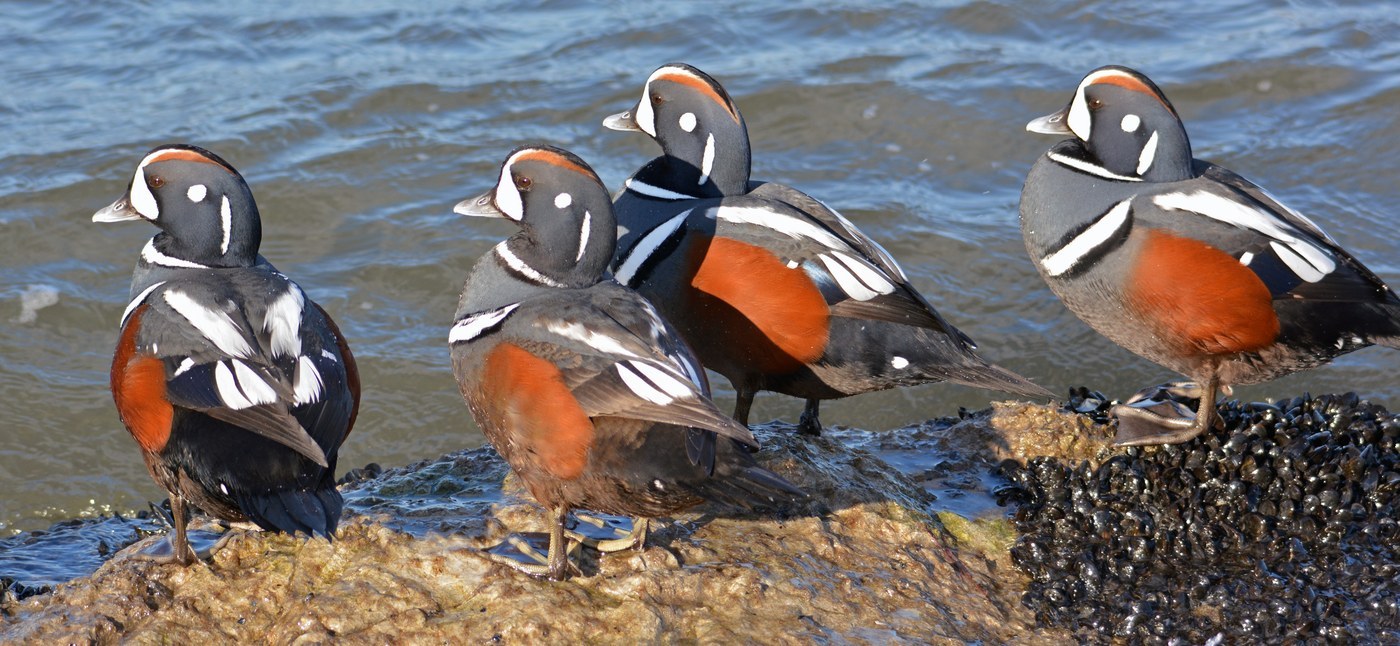
A small, compact sea duck with intricately patterned slate-blue, chestnut, and white plumage, at home in whitewater rivers and pounding surf.
- Size
- 38-45 cm (15-18 in) long, 63-67 cm wingspan
- Habitat
- fast-flowing mountain streams (breeding), rocky turbulent coastlines (winter)
- Type
- waterfowl
Spotted a bird like this?
Identify any bird from a photo, free.
Overview
The Harlequin Duck is a small, compact sea duck named for the male's bold, theatrical plumage: slate-blue body marked with chestnut flanks and intricate white stripes, spots, and crescents outlined in black. Females are plainer grayish-brown with three small white face patches, providing camouflage among rocks and rushing water.
This species is unusual among ducks for breeding along fast, turbulent mountain streams and wintering on rocky, wave-battered coastlines, making it one of the most habitat-specialized waterfowl in North America.
How to identify it
Key field marks
- Small size, rounded head, and short bill
- Breeding male: slate-blue overall with chestnut flanks, and crisp white stripes/spots edged in black on the head, neck, and body
- Female: dusky brown with three whitish spots on the face (in front of and behind the eye, and near the base of the bill)
- Often seen bobbing in whitewater rapids or riding ocean swells close to rocks
Similar species
Males are unmistakable once seen well. Females can be confused with female scoters or other small dark ducks, but the three distinct white facial spots and small, rounded shape are diagnostic.
Habitat & range
Harlequin Ducks breed along fast-flowing, turbulent mountain rivers and streams in western North America, eastern Canada/Greenland, and parts of Iceland and Russia, nesting on the ground near rushing water. After breeding, they migrate to rocky, surf-battered coastlines, where they spend the winter riding the waves close to shore, often among rocks and jetties.
Behavior & voice
Behavior
Harlequin Ducks are superb swimmers adapted to turbulent water, diving and foraging among rocks in both fast rivers and pounding surf; they are also strong fliers with rapid wingbeats.
Voice
Makes a distinctive high-pitched squeaking or mouse-like call, giving rise to old nicknames referencing its unusual voice.
Feeding
Aquatic insect larvae in fast streams during the breeding season, switching to mollusks and crustaceans gleaned from rocky coastal waters in winter.
Nesting
Nests on the ground in dense vegetation or rock crevices close to fast-flowing streams; clutches typically number 5-7 eggs, and females raise the brood alone.
Frequently asked questions
Why is it called the Harlequin Duck?
Its name comes from the male's flamboyant, multicolored plumage of slate-blue, chestnut, and crisp white markings, reminiscent of a harlequin costume.
Where do Harlequin Ducks live in summer versus winter?
They breed along fast, turbulent mountain streams and rivers, then migrate to rocky, wave-battered ocean coastlines for the winter.
What sound does a Harlequin Duck make?
It gives a distinctive high, squeaky call, which has earned it informal nicknames referencing its mouse-like voice.
What do Harlequin Ducks eat?
Aquatic insect larvae in streams during breeding season, and mollusks and crustaceans in coastal waters during winter.
Harlequin Duck guides
In-depth guides for identifying, finding, and understanding Harlequin Duck.
Other birds you may enjoy
Red-necked Grebe
40-55 cm (16-22 in) long, 77-85 cm wingspan
Horned Grebe
31-38 cm (12-15 in) long, 46-55 cm wingspan
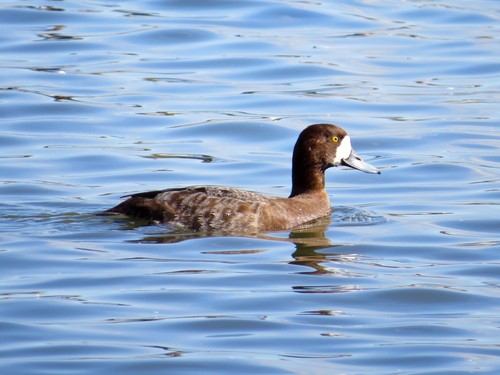
Greater Scaup
42-51 cm (16.5-20 in) long, 71-84 cm wingspan
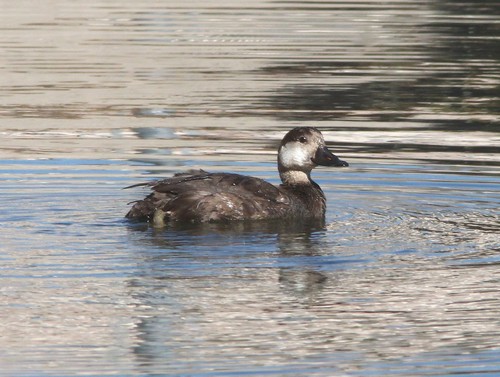
Black Scoter
43-54 cm (17-21 in) long, 79-90 cm wingspan
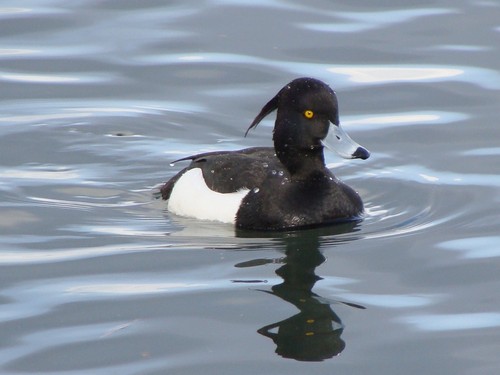
Tufted Duck
40-47 cm (16-18.5 in) long, 67-73 cm wingspan
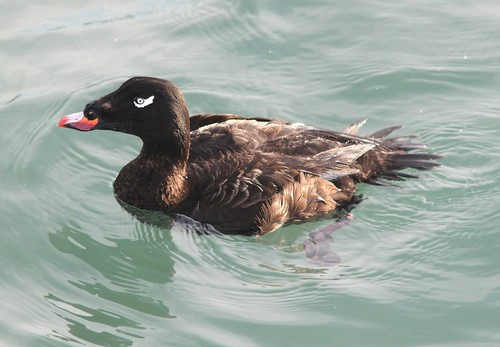
White-winged Scoter
48-58 cm (19-23 in) long, 86-99 cm wingspan
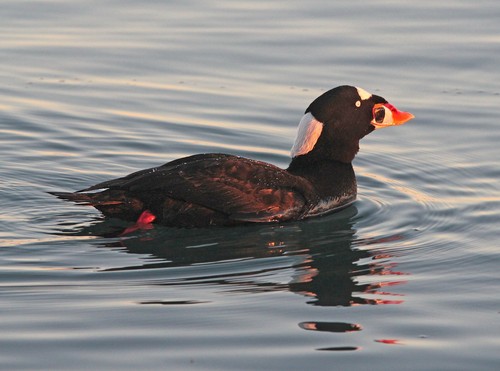
Surf Scoter
45-56 cm (18-22 in) long, 78-92 cm wingspan
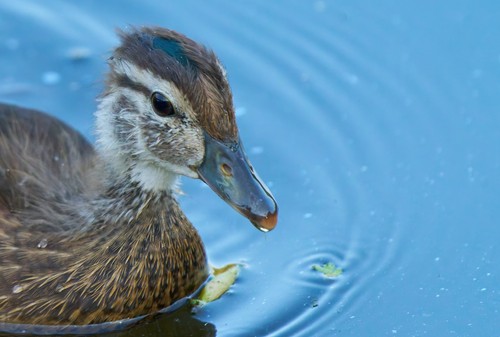
Wood Duck
47-54 cm (18.5-21 in) long, 66-73 cm wingspan
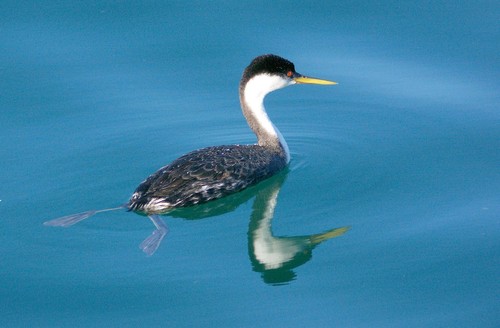
Western Grebe
56-74 cm (22-29 in) long, 79-102 cm wingspan
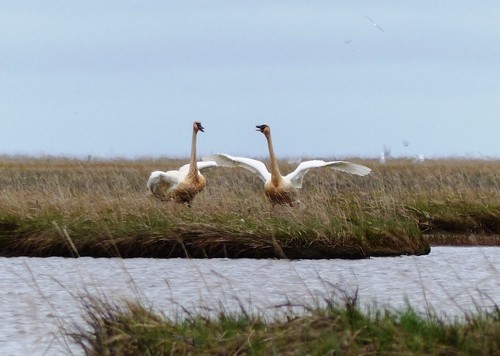
Tundra Swan
115-150 cm (45-59 in) long, about 180 cm wingspan
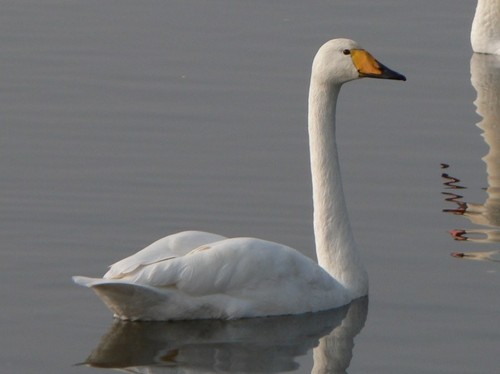
Whooper Swan
140-165 cm (55-65 in) long, 205-235 cm wingspan
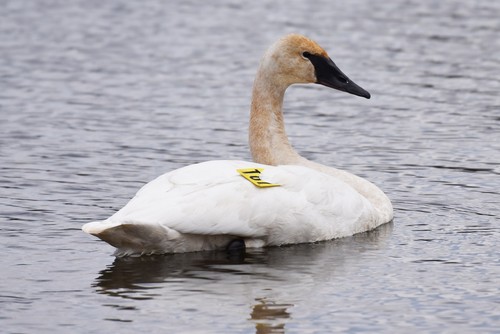
Trumpeter Swan
150-180 cm (59-71 in) long, up to 300 cm wingspan