
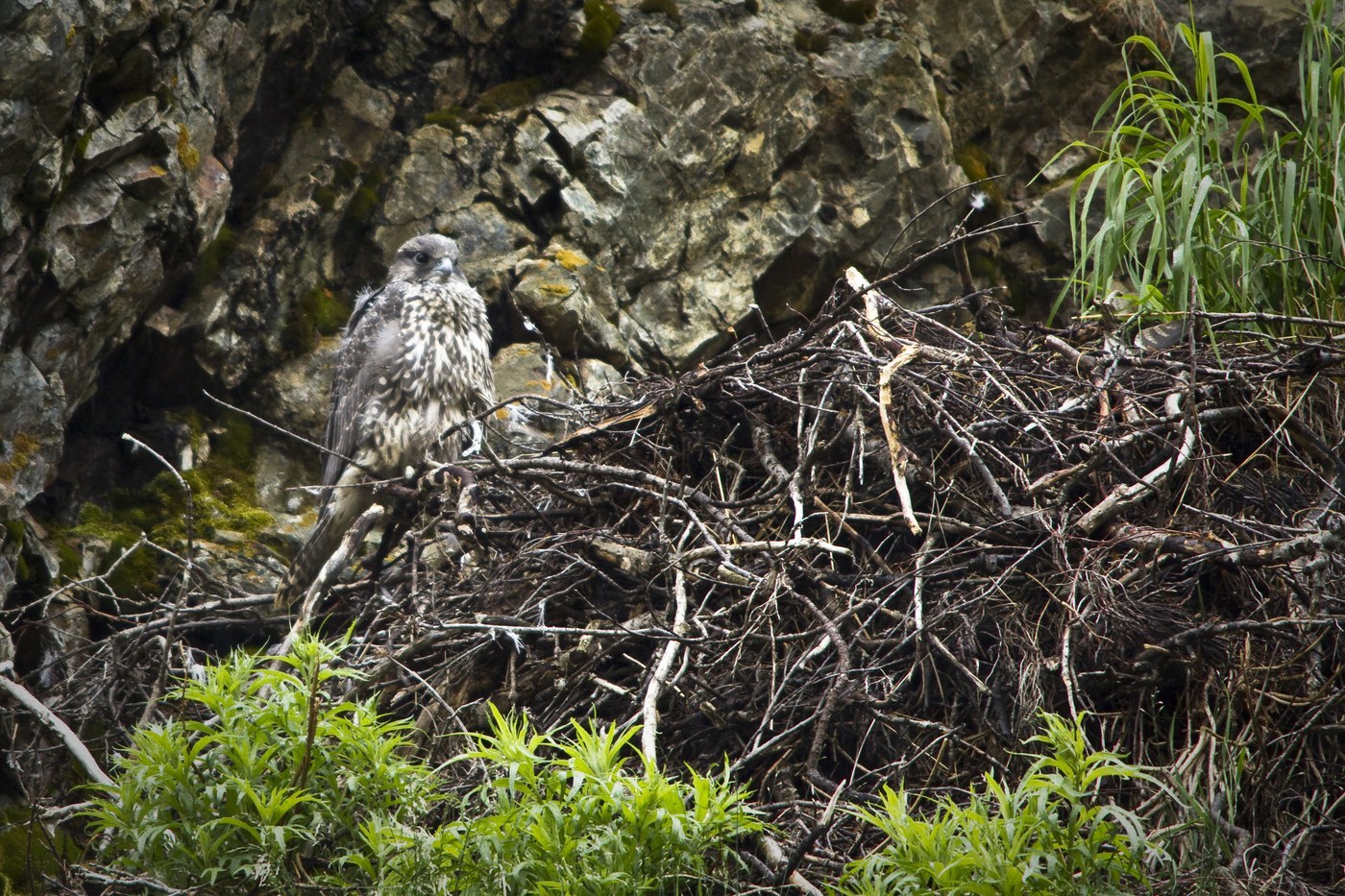
Gyrfalcon
Falco rusticolus
The largest falcon in the world, a powerful Arctic hunter that ranges from pure white to dark slate-gray in color.
- Size
- 48-65 cm (19-26 in) long, 110-160 cm (43-63 in) wingspan
- Habitat
- Arctic tundra, coastal cliffs, and open circumpolar terrain
- Type
- raptor
Spotted a bird like this?
Identify any bird from a photo, free.
Overview
The Gyrfalcon is the largest and most powerful falcon in the world, a heavily built Arctic specialist with broad-based, less pointed wings than other falcons and a proportionally longer tail. Plumage is highly variable across a color spectrum from nearly pure white (most common in high Arctic populations) through gray to very dark, almost blackish-brown morphs, all sharing the same powerful build and flight style.
Adapted to some of the harshest environments on Earth, Gyrfalcons breed farther north than any other falcon, nesting on Arctic cliffs and hunting ptarmigan and waterfowl across vast stretches of open tundra.
How to identify it
Key Field Marks
- Large, bulky falcon with broad-based wings and a long tail compared to other falcons
- Plumage ranges from white morph (heavily spotted with dark markings) to gray and dark morphs
- Powerful, direct flight with slow, deep wingbeats compared to smaller falcons
- Found in open Arctic and subarctic terrain, rarely in wooded or urban habitat
Similar Species
- Peregrine Falcon: smaller and more slender, with more pointed wings and a bolder facial moustache mark.
- Snowy Owl (white morph Gyrfalcon confusion): owls have a rounded head and different flight (silent, buoyant) versus the falcon's powerful, direct wingbeats and pointed wing shape.
Habitat & range
Range
Gyrfalcons breed circumpolar across the Arctic regions of North America, Greenland, Europe, and Asia. Most populations are largely resident or make only short-distance movements south in winter, occasionally reaching the northern United States.
Habitat
They nest on cliffs overlooking open Arctic tundra and coastal areas, relying on healthy populations of ptarmigan and other tundra birds, and often use the same nest ledge, sometimes an old raven or eagle nest, for many years.
Behavior & voice
Hunting
Gyrfalcons hunt with powerful, sustained pursuit flight, often chasing ptarmigan and waterfowl low over open tundra rather than relying on a high stoop, using raw speed and endurance to run down prey.
Voice
The call is a harsh, deep, repeated "kak-kak-kak," lower-pitched than that of smaller falcons, given mainly near the nest site.
Nesting
Gyrfalcons do not build nests, instead using cliff ledges or old nests built by other large birds such as ravens or Golden Eagles. Clutches typically contain three to four eggs, and pairs often reuse the same site for decades.
Frequently asked questions
What is the largest falcon in the world?
The Gyrfalcon, a powerful Arctic species that can weigh well over a kilogram and has a wingspan up to 160 cm (63 in).
Why do Gyrfalcons come in different colors?
The species shows a natural color spectrum from nearly white to dark gray or blackish-brown, thought to relate to camouflage against varying Arctic backgrounds and possibly genetic factors within populations.
Where do Gyrfalcons live?
They breed on Arctic cliffs across North America, Greenland, Europe, and Asia, mostly remaining in far northern regions year-round.
What do Gyrfalcons eat?
Mainly ptarmigan and other tundra birds, along with waterfowl and seabirds, caught in fast, sustained pursuit flight.
Gyrfalcon guides
In-depth guides for identifying, finding, and understanding Gyrfalcon.
Other birds you may enjoy
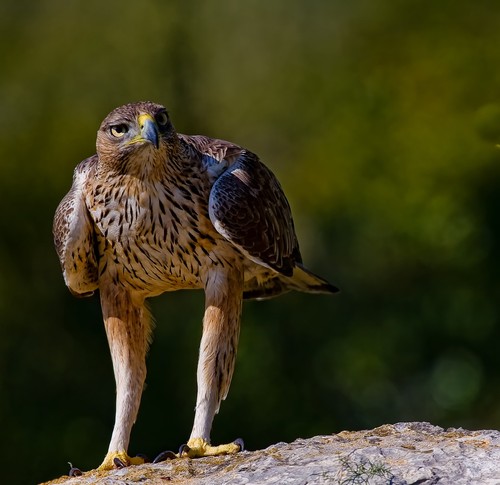
Bonelli's Eagle
Body 65–72 cm (26–28 in); wingspan 150–180 cm (59–71 in)
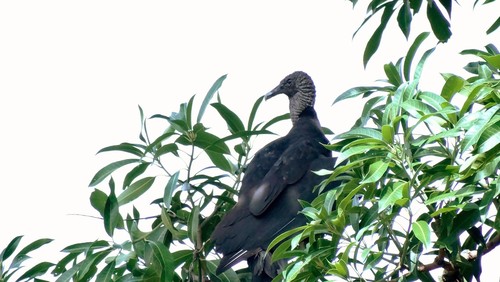
Black Vulture
56-68 cm (22-27 in) long, 137-165 cm wingspan
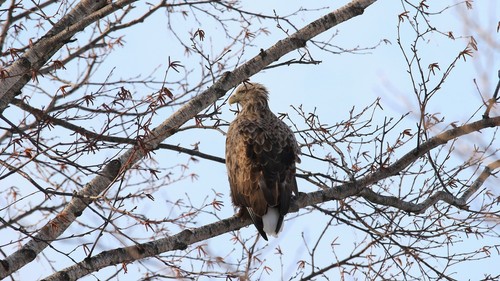
White-tailed Eagle
66-94 cm body length; wingspan 178-245 cm, among the largest eagles in the world
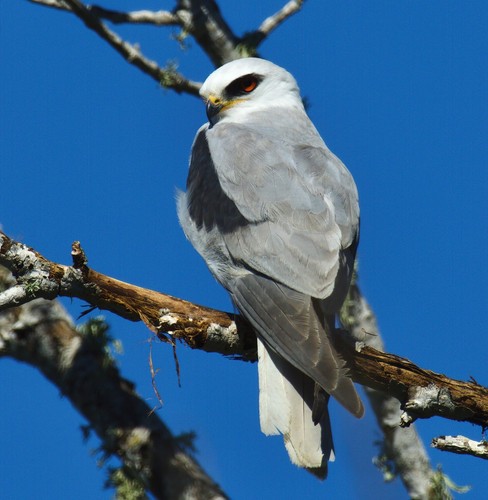
White-tailed Kite
35-43 cm (14-17 in) long, 88-102 cm (35-40 in) wingspan
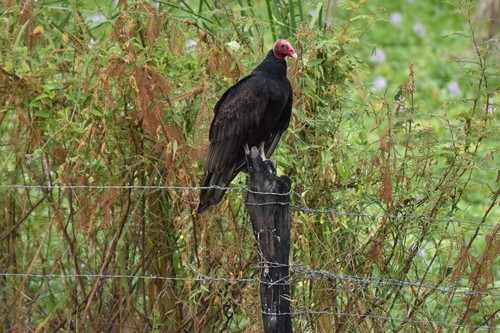
Turkey Vulture
64-81 cm (25-32 in) long, 160-183 cm wingspan
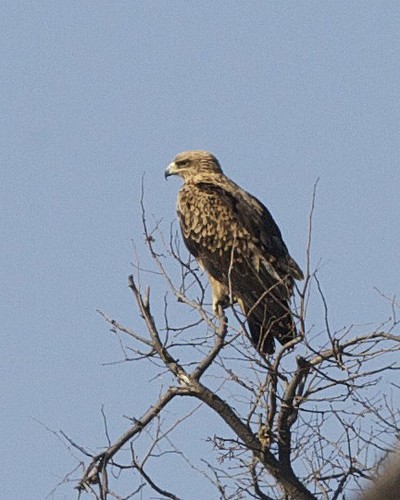
Tawny Eagle
62–75 cm long; wingspan 1.65–2.0 m
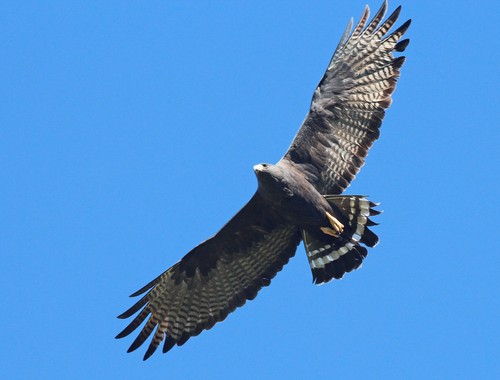
Zone-tailed Hawk
46-56 cm (18-22 in) long, 118-140 cm (46-55 in) wingspan
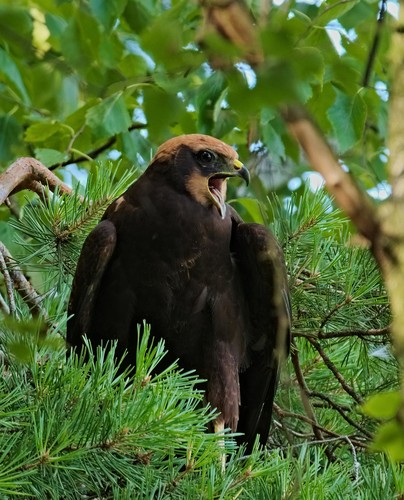
Western Marsh Harrier
Body 43-56 cm; wingspan 115-140 cm
Swallow-tailed Kite
48-68 cm (19-27 in) long including tail streamers, 112-136 cm (44-54 in) wingspan
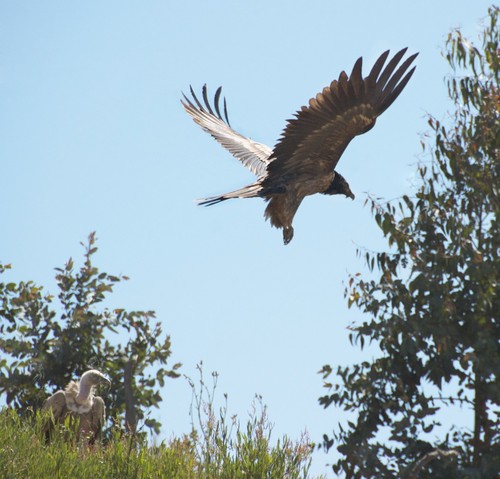
White-backed Vulture
78-98 cm long, wingspan 1.96-2.25 m
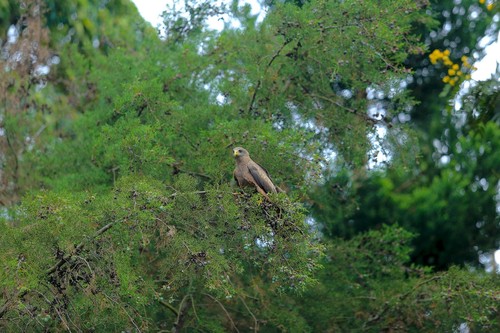
Yellow-billed Kite
55-60 cm long; wingspan 130-155 cm
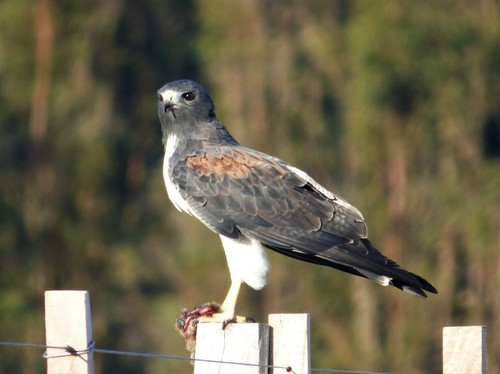
White-tailed Hawk
46-59 cm (18-23 in) long, 122-142 cm (48-56 in) wingspan