
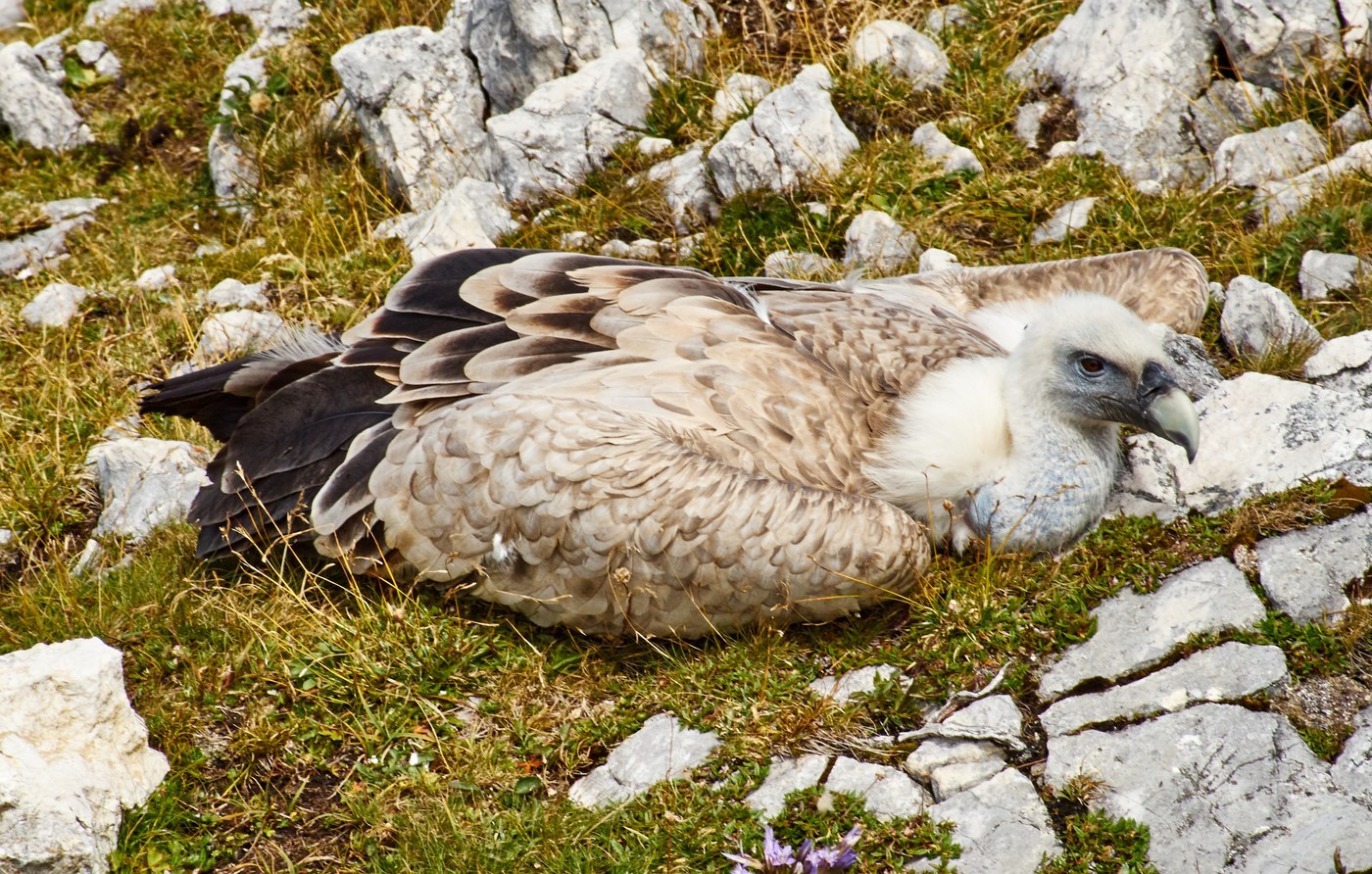
Griffon Vulture
Gyps fulvus
A huge, broad-winged Old World vulture that soars in flocks over mountains and plains searching for large animal carcasses.
- Size
- 93-122 cm long, wingspan 230-280 cm
- Habitat
- Mountains, cliffs, and open plains across Southern Europe, North Africa, and Asia
- Type
- raptor
Spotted a bird like this?
Identify any bird from a photo, free.
Overview
The Griffon Vulture is a large Old World vulture with a heavy, robust build, broad wings, and a short tail well suited to soaring flight. Its plumage is overall pale sandy-brown to buff, with darker, contrasting blackish flight feathers and tail visible in flight.
The head and long neck are covered in white down rather than feathers, an adaptation for hygienically feeding deep inside carcasses, and it has a distinctive pale ruff of longer feathers around the base of the neck. The bill is stout and pale-colored. Juveniles are darker and more streaked than adults, with a browner ruff, gradually paling with age.
How to identify it
Key field marks
- Very large, bulky vulture with broad, "barn-door" wings and a short tail
- Overall sandy-buff body contrasting with blackish flight feathers and tail
- Bare, whitish downy head and neck with a pale feathered ruff at the base
- Often seen soaring in large flocks or loose groups over open terrain
Similar species
- Cinereous (Black) Vulture: darker overall, blackish-brown plumage, larger and heavier bill, dark ruff
- Egyptian Vulture: much smaller, white body with black flight feathers and a wedge-shaped tail, yellow bare face
- Rüppell's Vulture: similar shape but darker, scaly-patterned plumage with pale feather edges
Habitat & range
Range
Breeds across southern Europe (notably Spain, the Balkans, and parts of France and Italy), North Africa, the Middle East, and into Central and South Asia.
Habitat
Associated with mountainous and rocky terrain with cliffs for nesting, adjacent to open plains, grassland, or pasture where it forages over wide areas for carcasses.
Migration
Mostly resident or partially migratory; some populations, especially juveniles and those from northern parts of the range, disperse or migrate seasonally, with regular movements recorded across the Strait of Gibraltar and Bosphorus.
Behavior & voice
Feeding
A highly social scavenger, often gathering in large numbers at carcasses, using keen eyesight and the behavior of other vultures to locate food; can travel long distances daily while soaring in search of carrion.
Voice
Mostly silent away from the nest or carcasses, where it produces hissing, growling, and cackling sounds during feeding disputes.
Flight
An efficient soarer, using thermals and updrafts to travel with minimal energy expenditure, often in loose flocks.
Nesting
Breeds colonially on cliff ledges, building a stick nest and typically laying a single egg. Colonies can include dozens to hundreds of pairs at favorable sites.
Frequently asked questions
How big is a Griffon Vulture?
It is a very large vulture with a wingspan that can reach nearly 2.8 meters (over 9 feet).
What does a Griffon Vulture eat?
It feeds exclusively on carrion, especially the carcasses of large mammals such as sheep, goats, and wild ungulates.
Where do Griffon Vultures live?
They breed in mountainous regions of southern Europe, North Africa, the Middle East, and Central/South Asia.
Do Griffon Vultures nest in groups?
Yes, they typically nest colonially on cliff ledges, sometimes in colonies of many pairs.
How do you tell a Griffon Vulture from a Black Vulture?
The Griffon is paler sandy-buff with a whitish downy head, while the Cinereous (Black) Vulture is darker brown-black overall with a heavier bill.
Griffon Vulture guides
In-depth guides for identifying, finding, and understanding Griffon Vulture.
Other birds you may enjoy
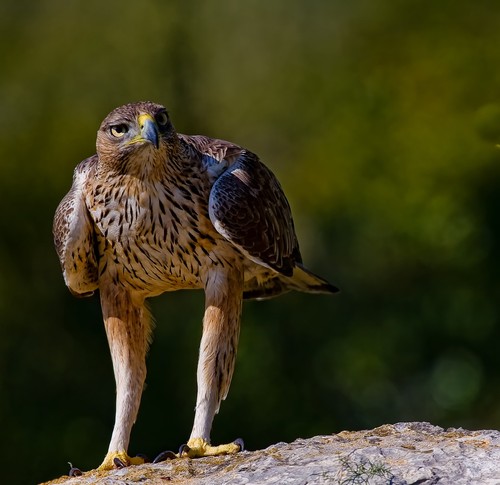
Bonelli's Eagle
Body 65–72 cm (26–28 in); wingspan 150–180 cm (59–71 in)
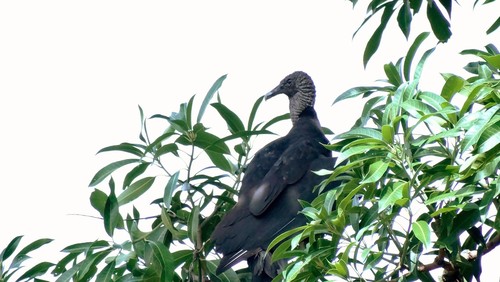
Black Vulture
56-68 cm (22-27 in) long, 137-165 cm wingspan
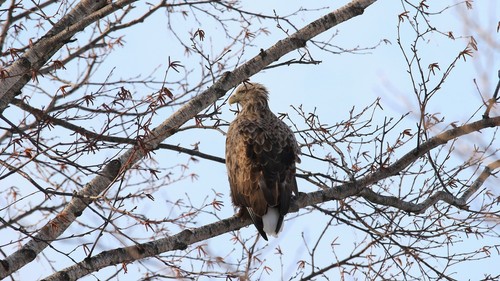
White-tailed Eagle
66-94 cm body length; wingspan 178-245 cm, among the largest eagles in the world
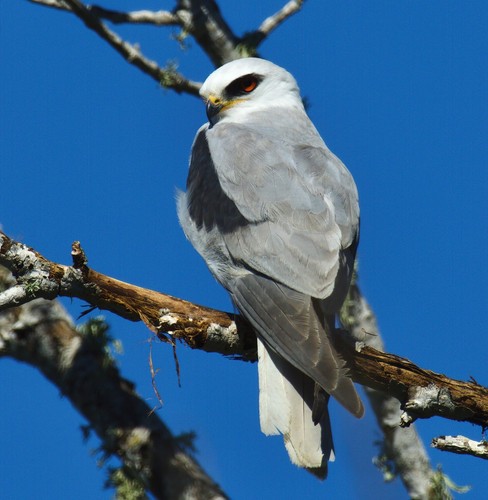
White-tailed Kite
35-43 cm (14-17 in) long, 88-102 cm (35-40 in) wingspan
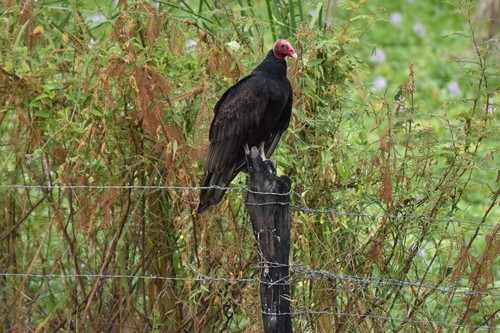
Turkey Vulture
64-81 cm (25-32 in) long, 160-183 cm wingspan
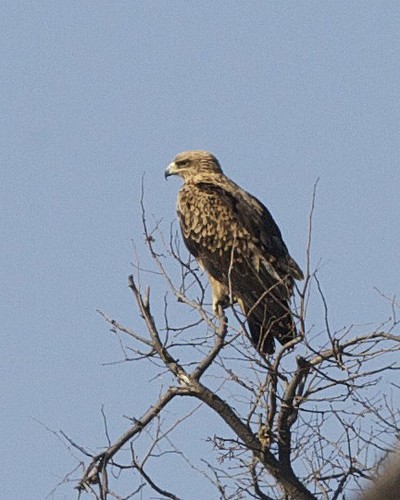
Tawny Eagle
62–75 cm long; wingspan 1.65–2.0 m
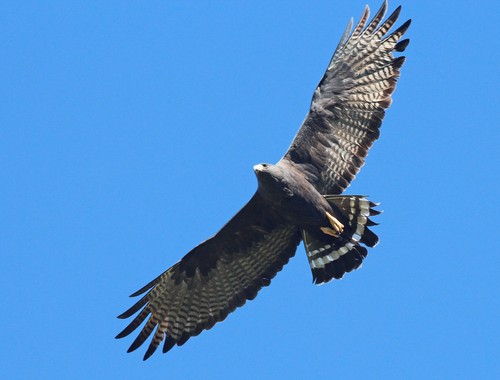
Zone-tailed Hawk
46-56 cm (18-22 in) long, 118-140 cm (46-55 in) wingspan
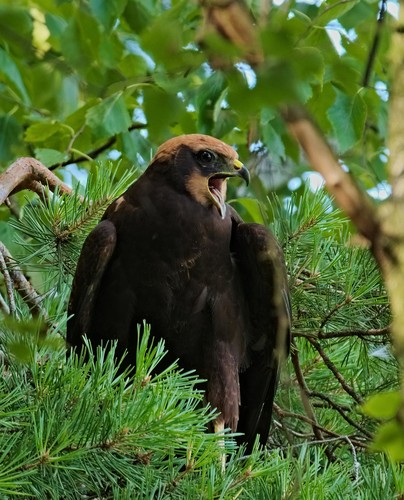
Western Marsh Harrier
Body 43-56 cm; wingspan 115-140 cm
Swallow-tailed Kite
48-68 cm (19-27 in) long including tail streamers, 112-136 cm (44-54 in) wingspan
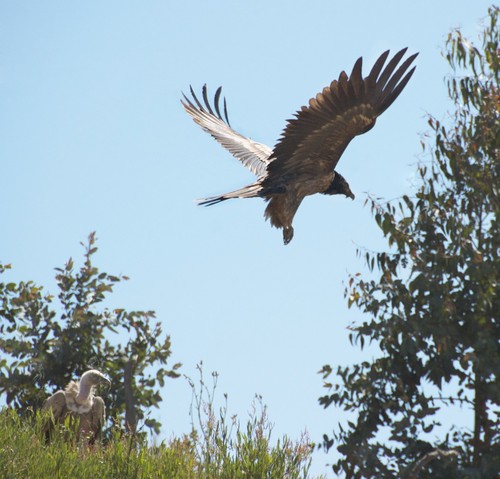
White-backed Vulture
78-98 cm long, wingspan 1.96-2.25 m
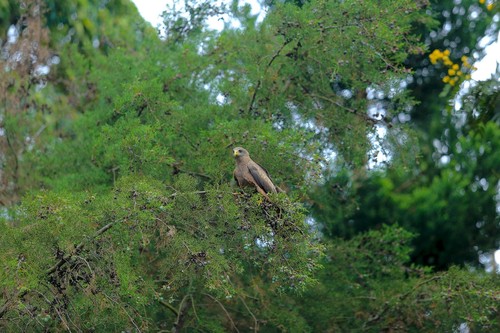
Yellow-billed Kite
55-60 cm long; wingspan 130-155 cm
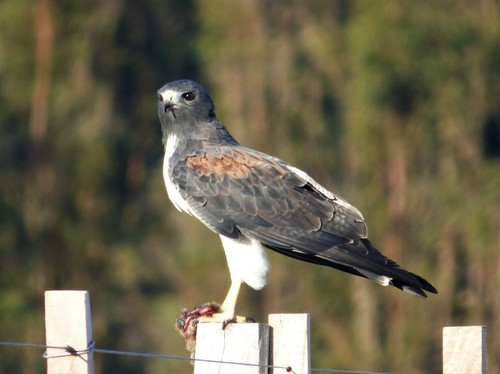
White-tailed Hawk
46-59 cm (18-23 in) long, 122-142 cm (48-56 in) wingspan