
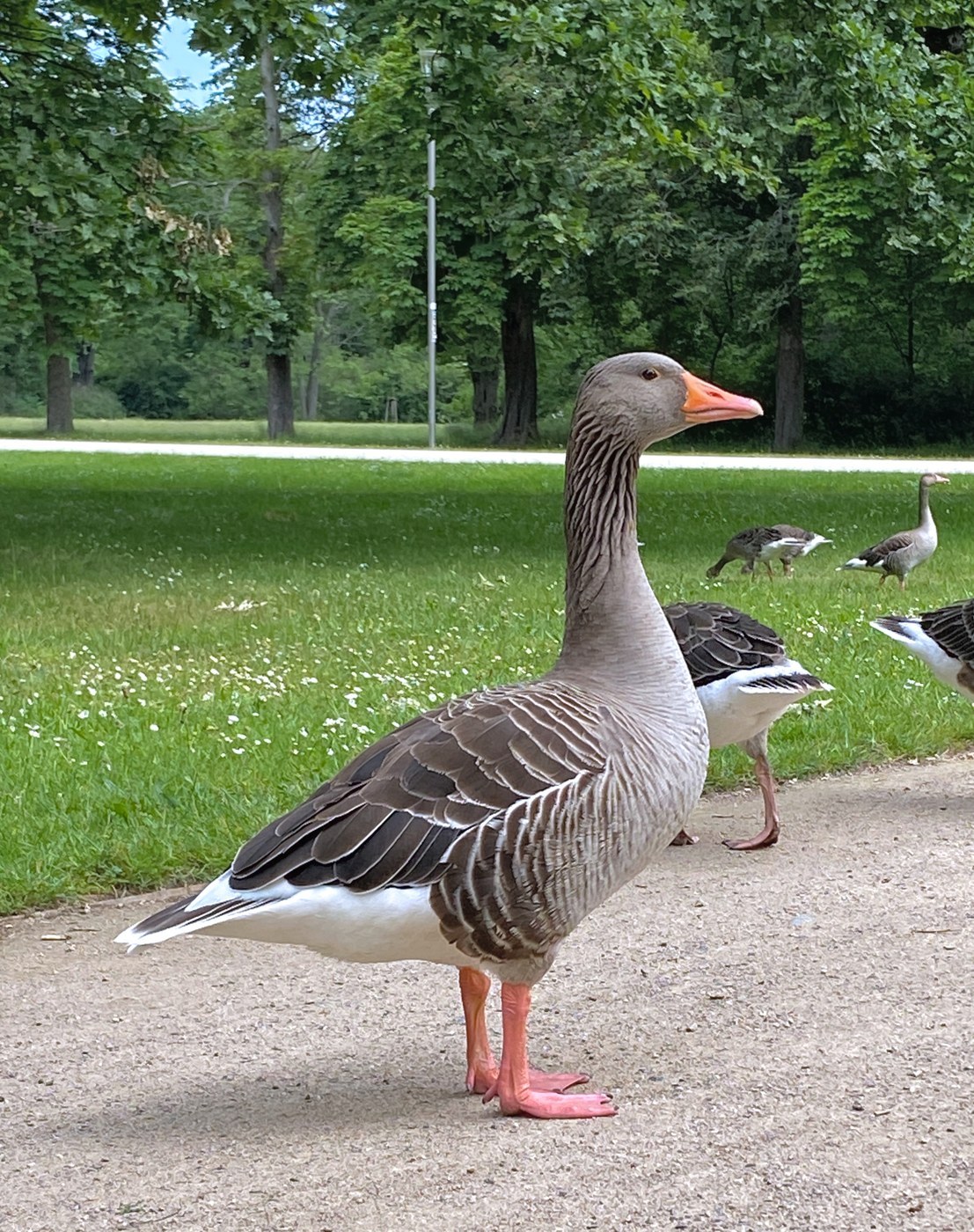
Greylag Goose
Anser anser
A large bulky gray-brown goose, ancestor of most domestic geese, with a heavy orange bill.
- Size
- 74-91 cm (29-36 in) long, 147-180 cm wingspan
- Habitat
- freshwater wetlands, farmland, and lakes across Europe and Asia
- Type
- waterfowl
Spotted a bird like this?
Identify any bird from a photo, free.
Overview
The Greylag Goose is a large, bulky gray-brown goose and the wild ancestor of most breeds of domestic geese. It has a heavy, pale orange bill, pink legs, and an overall grayish-brown plumage with paler feather edges creating a subtly barred look on the back and flanks, along with a pale gray forewing visible in flight.
Widespread across Europe and Asia, the Greylag Goose is a familiar bird of wetlands and farmland, and feral or semi-domestic populations descended from farmyard geese are common in parks and urban waterways in many regions.
How to identify it
Key field marks
- Large, bulky body with a heavy, pale orange to pinkish bill and pink legs
- Overall gray-brown plumage with pale feather fringes giving a subtly scalloped look
- Pale bluish-gray forewing patch, conspicuous in flight
Similar species
The Greater White-fronted Goose is smaller with a white face patch and belly barring, and a more slender pink bill. The Bar-headed Goose is paler overall with a distinctive black-and-white head pattern. Domestic geese derived from Greylag stock can show white or pied plumage, unlike wild birds.
Habitat & range
Greylag Geese breed across a broad swath of Europe and Asia, using freshwater marshes, lakes, and wetlands adjacent to farmland and grassland. Many populations are migratory, moving to milder wintering areas farther south or west, though numerous resident and feral populations, especially descended from domestic stock, remain year-round in parks, farmland, and wetlands across much of their range.
Behavior & voice
Behavior
Greylag Geese are highly social, forming large flocks outside the breeding season, and graze extensively on land; pairs form strong, long-term bonds.
Voice
Gives loud, deep, cackling honks, the ancestral call behind the familiar 'honking' of farmyard geese.
Feeding
Grasses, grains, roots, and other plant material, obtained mainly by grazing on land as well as some aquatic foraging.
Nesting
Nests on the ground, usually well concealed near water; clutches typically hold 4-6 eggs, and both parents help guard the goslings.
Frequently asked questions
Is the Greylag Goose the ancestor of domestic geese?
Yes, most breeds of domestic geese in Europe are descended from the wild Greylag Goose.
How do you identify a Greylag Goose?
Look for a large, bulky gray-brown body, a heavy pale orange bill, pink legs, and a pale bluish-gray forewing patch visible in flight.
What does the Greylag Goose eat?
Mostly grasses, grains, and roots obtained by grazing on land, along with some aquatic plant material.
Where is the Greylag Goose found?
Across a broad range of Europe and Asia, in wetlands, farmland, and grasslands, with many feral and resident populations in parks and urban areas.
Greylag Goose guides
In-depth guides for identifying, finding, and understanding Greylag Goose.
Other birds you may enjoy
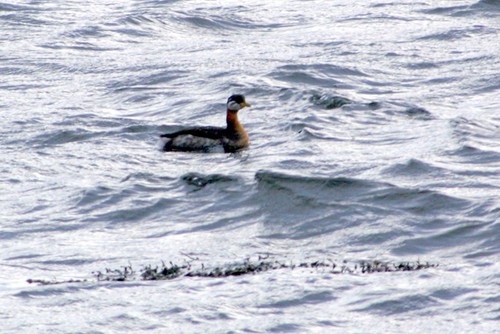
Red-necked Grebe
40-55 cm (16-22 in) long, 77-85 cm wingspan
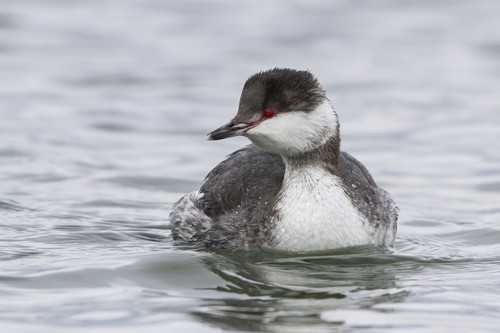
Horned Grebe
31-38 cm (12-15 in) long, 46-55 cm wingspan
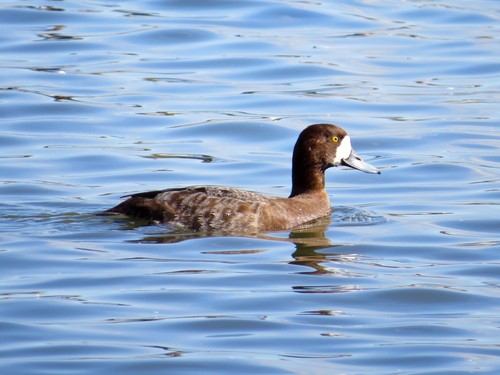
Greater Scaup
42-51 cm (16.5-20 in) long, 71-84 cm wingspan
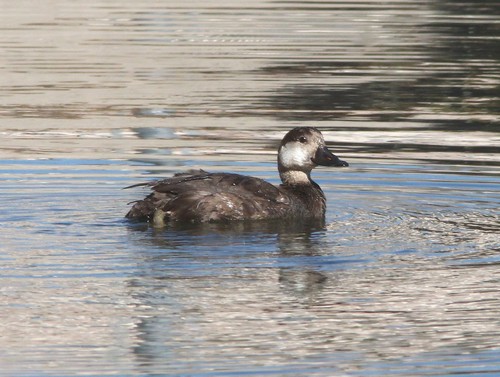
Black Scoter
43-54 cm (17-21 in) long, 79-90 cm wingspan
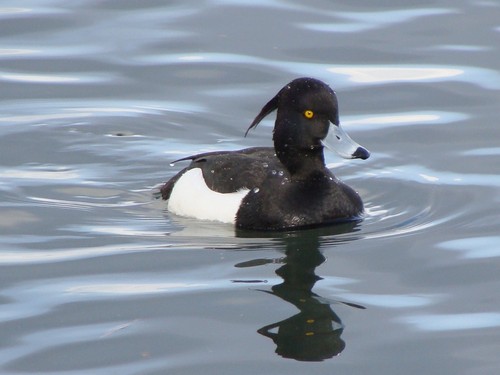
Tufted Duck
40-47 cm (16-18.5 in) long, 67-73 cm wingspan
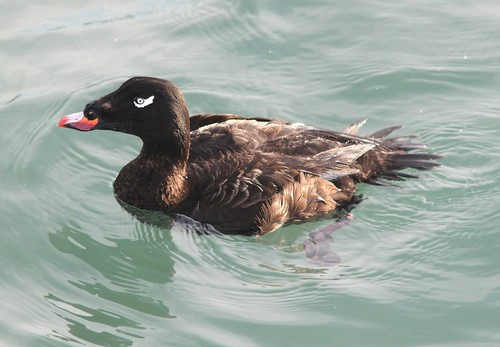
White-winged Scoter
48-58 cm (19-23 in) long, 86-99 cm wingspan
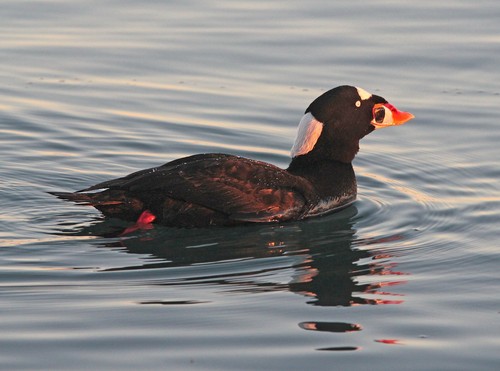
Surf Scoter
45-56 cm (18-22 in) long, 78-92 cm wingspan
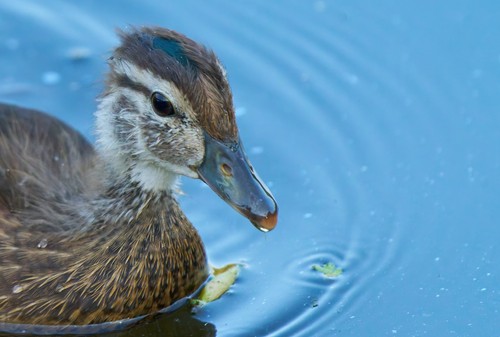
Wood Duck
47-54 cm (18.5-21 in) long, 66-73 cm wingspan
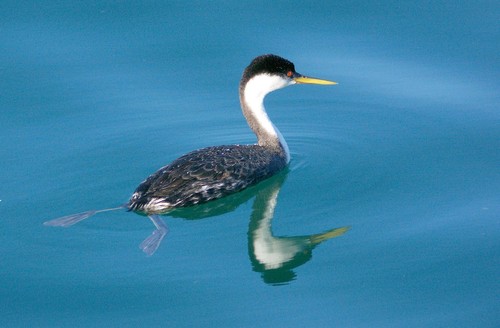
Western Grebe
56-74 cm (22-29 in) long, 79-102 cm wingspan
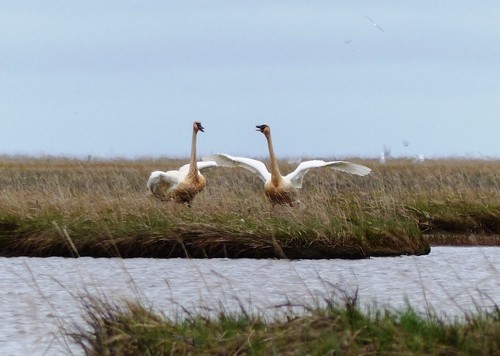
Tundra Swan
115-150 cm (45-59 in) long, about 180 cm wingspan
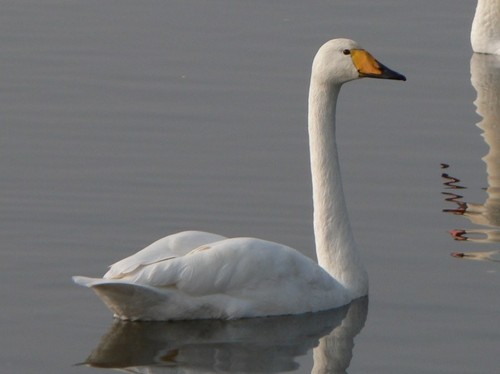
Whooper Swan
140-165 cm (55-65 in) long, 205-235 cm wingspan
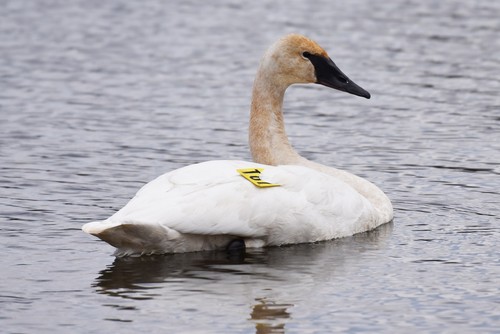
Trumpeter Swan
150-180 cm (59-71 in) long, up to 300 cm wingspan