
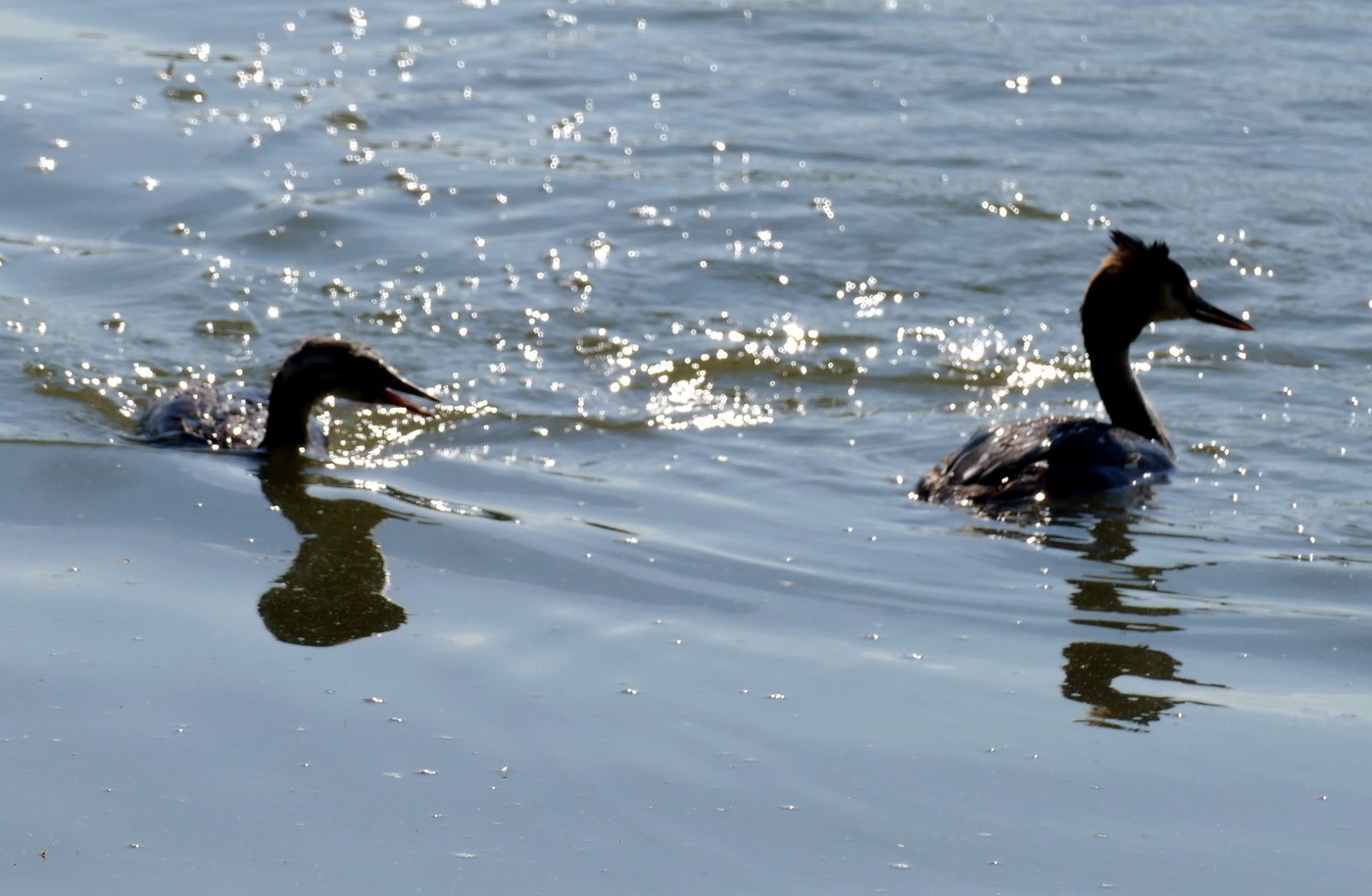
Great Crested Grebe
Podiceps cristatus
A large, elegant Old World grebe with ornate double head plumes and chestnut-and-black facial tippets, famed for its elaborate courtship dances.
- Size
- 46-51 cm (18-20 in) long, 59-73 cm wingspan
- Habitat
- freshwater lakes and reservoirs for breeding, coastal and open waters in winter
- Type
- waterfowl
Spotted a bird like this?
Identify any bird from a photo, free.
Overview
The Great Crested Grebe is the largest grebe found across Europe, Asia, Africa, and Australia, notable for its ornate breeding plumage: dark double crests atop the head and prominent chestnut-and-black feather tippets fanning out from the cheeks like a ruff. It has a long, slender white neck, a straight pinkish bill, and glowing red eyes. Non-breeding birds lose the ornate head plumes, appearing simpler with a white face and dark cap.
The species is celebrated for its intricate courtship rituals, including synchronized head-shaking and the iconic "weed dance," in which paired birds rise breast to breast on the water while holding beakfuls of vegetation.
How to identify it
Key field marks
- Breeding: dark double head crest and chestnut-black facial tippets/ruff, long white neck
- Non-breeding: white face and foreneck with a dark cap, lacking the ornate plumes
- Long, slender neck and straight pink bill
Similar species
- Red-necked Grebe is smaller and stockier with a chestnut neck rather than a white one, and lacks head plumes.
- No other grebe in its range shares the combination of large size, long white neck, and elaborate head ornamentation.
Habitat & range
Habitat
Breeds on freshwater lakes, reservoirs, and slow rivers with reedy margins; winters on larger lakes, reservoirs, and sheltered coastal waters.
Range
Widespread across Europe, Asia, Africa, and Australia and New Zealand.
Migration
Northern populations migrate to milder wintering areas, while populations in warmer regions are largely resident.
Behavior & voice
Behavior
Famous for elaborate courtship displays, including mirrored head-shaking, "cat" displays with raised crests, and the celebrated "weed dance" where paired birds rear up together holding water weed in their bills.
Voice
Gives loud, barking and growling calls, especially during courtship and territorial encounters.
Feeding
Dives to catch fish and aquatic invertebrates, sometimes foraging cooperatively.
Nesting
Builds a floating platform nest anchored to reeds or other vegetation; typically lays 3-4 chalky white eggs that become nest-stained over time.
Frequently asked questions
What is the Great Crested Grebe's weed dance?
It is an elaborate courtship display in which a paired male and female rear up breast to breast on the water's surface while each holds a beakful of water weed, performed in near-perfect synchrony.
How can you identify a Great Crested Grebe?
Look for a large grebe with a long white neck, dark double head crests, and chestnut-and-black facial tippets in breeding plumage.
Where is the Great Crested Grebe found?
It is widespread across freshwater lakes and wetlands of Europe, Asia, Africa, and Australasia.
What does the Great Crested Grebe look like outside the breeding season?
It loses its ornate head plumes, showing a plainer white face and foreneck with a dark cap and a long slender pinkish bill.
Great Crested Grebe guides
In-depth guides for identifying, finding, and understanding Great Crested Grebe.
Other birds you may enjoy
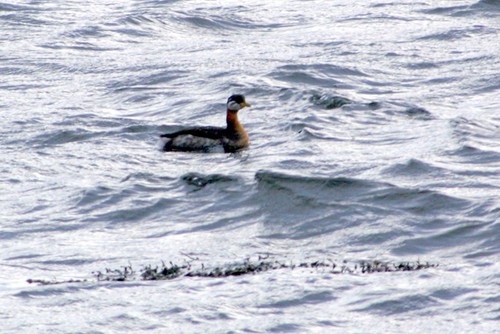
Red-necked Grebe
40-55 cm (16-22 in) long, 77-85 cm wingspan
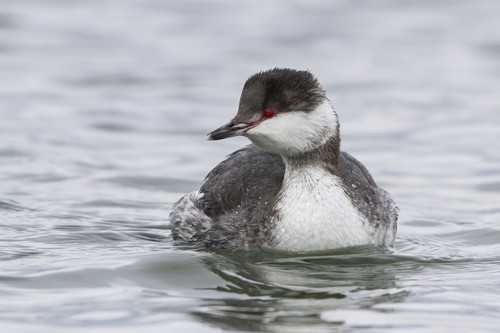
Horned Grebe
31-38 cm (12-15 in) long, 46-55 cm wingspan
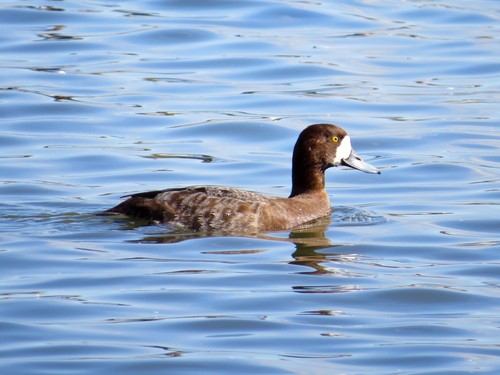
Greater Scaup
42-51 cm (16.5-20 in) long, 71-84 cm wingspan
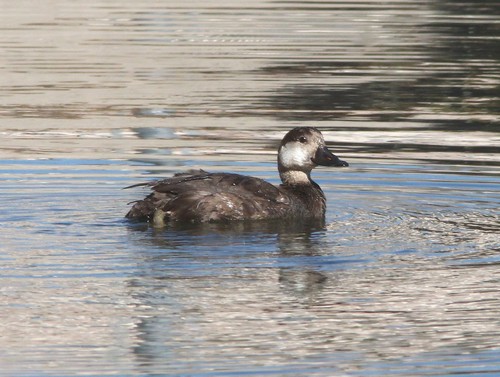
Black Scoter
43-54 cm (17-21 in) long, 79-90 cm wingspan
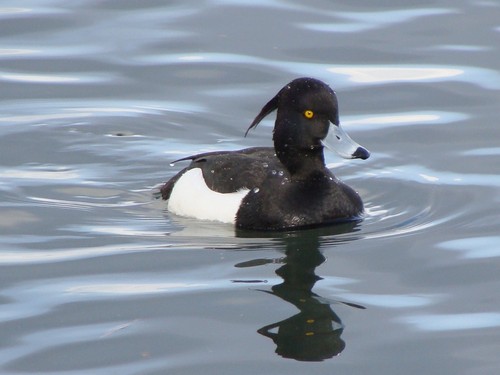
Tufted Duck
40-47 cm (16-18.5 in) long, 67-73 cm wingspan
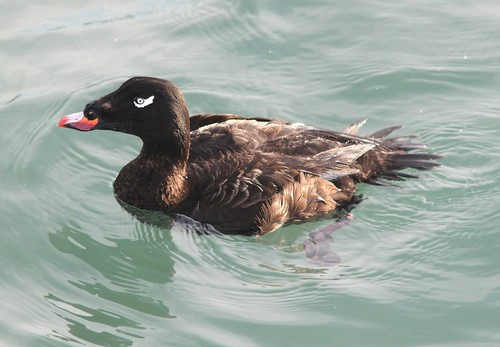
White-winged Scoter
48-58 cm (19-23 in) long, 86-99 cm wingspan
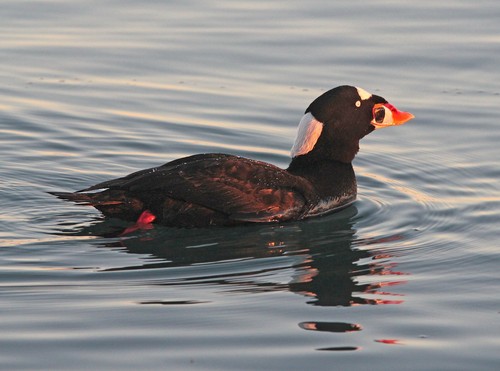
Surf Scoter
45-56 cm (18-22 in) long, 78-92 cm wingspan
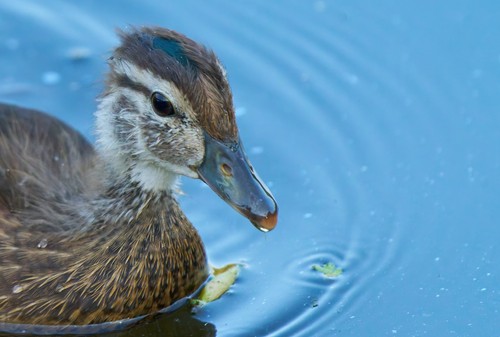
Wood Duck
47-54 cm (18.5-21 in) long, 66-73 cm wingspan
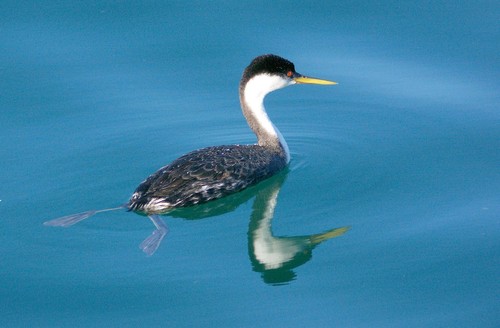
Western Grebe
56-74 cm (22-29 in) long, 79-102 cm wingspan
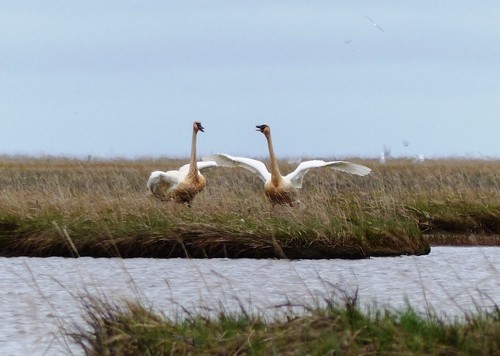
Tundra Swan
115-150 cm (45-59 in) long, about 180 cm wingspan
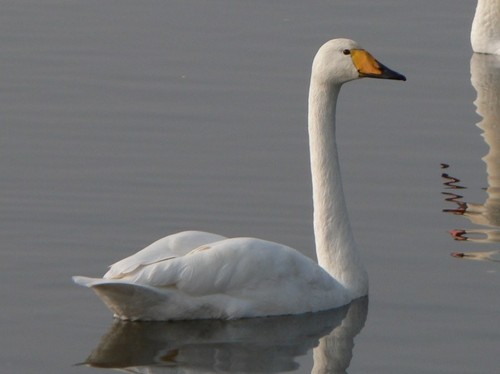
Whooper Swan
140-165 cm (55-65 in) long, 205-235 cm wingspan
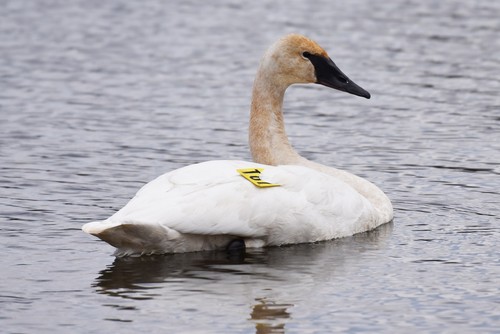
Trumpeter Swan
150-180 cm (59-71 in) long, up to 300 cm wingspan