
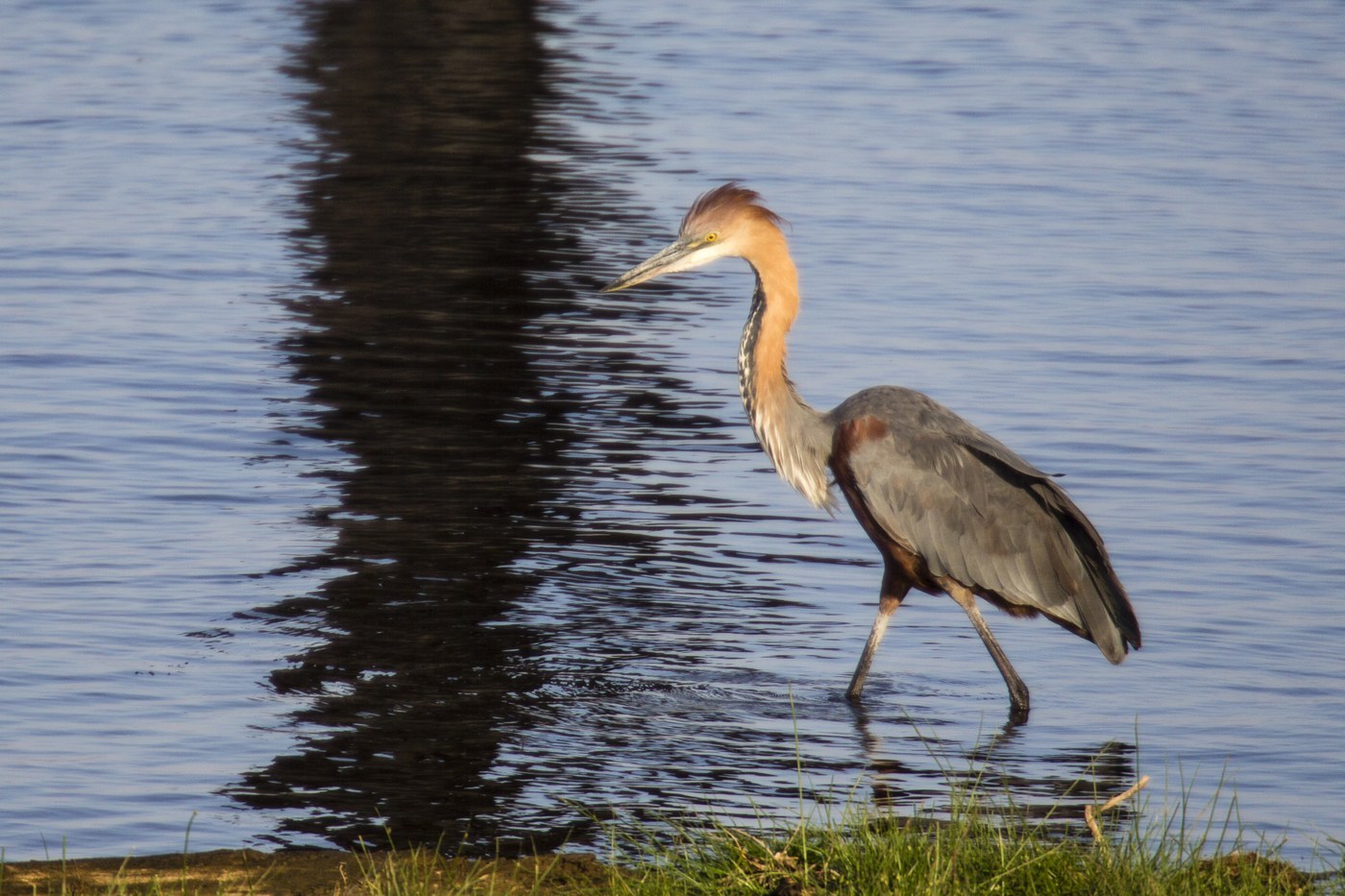
Goliath Heron
Ardea goliath
The world's largest heron, a towering African giant with a massive chestnut head and dagger-like bill built for spearing big fish.
- Size
- 120-152 cm (47-60 in) tall, 185-230 cm wingspan
- Habitat
- lakes, rivers, swamps, and mangroves across sub-Saharan Africa
- Type
- wading-bird
Spotted a bird like this?
Identify any bird from a photo, free.
Overview
The Goliath Heron is the largest living heron species, standing well over a metre tall with a correspondingly massive bill and heavy build. It has a chestnut-rufous head, crest, and neck, streaked with black and white on the foreneck, while the back and wings are slate-grey washed with chestnut. The underparts are grey with a chestnut belly, and the legs are dark and powerful.
Everything about this bird is oversized: its bill alone can approach 20 cm in length, allowing it to tackle fish far larger than other herons could manage. Despite its bulk, it is a wary, largely solitary bird, most often seen standing motionless at the edge of African lakes, rivers, and estuaries.
How to identify it
Key field marks
- Enormous size, clearly larger and heavier than any other heron in its range
- Chestnut head, crest, and neck with black-and-white streaking on the throat
- Slate-grey back and wings with a chestnut wash
- Massive, heavy dark bill
- Dark legs
Similar species
The Purple Heron shares a chestnut neck but is far smaller and slimmer, with a proportionally thinner bill. The Great Blue Heron (found in the Americas, not Africa) is similar in general shape but is grey-headed rather than chestnut-headed. In flight, the Goliath Heron's huge size and slow, heavy wingbeats are diagnostic.
Habitat & range
Habitat
Goliath Herons favor undisturbed shallow water at the edges of lakes, rivers, swamps, and mangrove-lined coasts, generally avoiding areas with heavy human activity.
Range and migration
It is found across sub-Saharan Africa, with a small isolated population in South and Southeast Asia. Most populations are largely resident, although some local movements track seasonal water availability.
Behavior & voice
Behavior
This is a solitary, sedentary bird that will stand motionless for long periods watching the water before making a sudden lunging strike. It is easily disturbed and will fly off with slow, deep wingbeats and a loud call when approached.
Voice
A deep, harsh "kowoork" or barking croak, one of the loudest calls of any heron, often given in flight.
Feeding
Goliath Herons specialize in large fish, which they spear or grab with their powerful bill, often wading into deeper water than most other herons will attempt.
Nesting and breeding
Pairs build large stick platform nests, usually in trees, reedbeds, or on small islands, and typically raise a small brood of 2-4 chicks.
Frequently asked questions
Is the Goliath Heron the largest heron in the world?
Yes, it is the tallest and heaviest heron species, standing over 1.2 metres tall.
Where do Goliath Herons live?
They are found across sub-Saharan Africa's lakes, rivers, and swamps, with a small population in parts of Asia.
What does a Goliath Heron eat?
Primarily large fish, which it spears with its massive bill, along with frogs and other aquatic prey.
How can I tell a Goliath Heron from a Purple Heron?
The Goliath Heron is much larger and bulkier with a heavier bill, while the Purple Heron is slim and considerably smaller.
Goliath Heron guides
In-depth guides for identifying, finding, and understanding Goliath Heron.
Other birds you may enjoy
Demoiselle Crane
85-100 cm (33-39 in) long, 155-180 cm wingspan
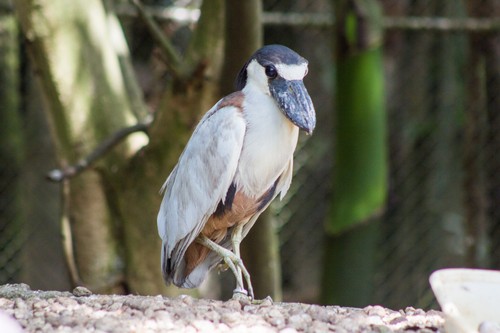
Boat-billed Heron
41-56 cm (16-22 in) long
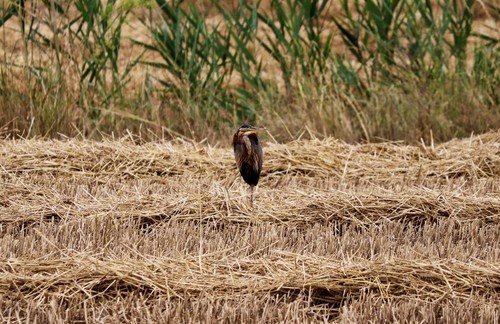
Purple Heron
78-90 cm (31-35 in) long, 120-152 cm wingspan
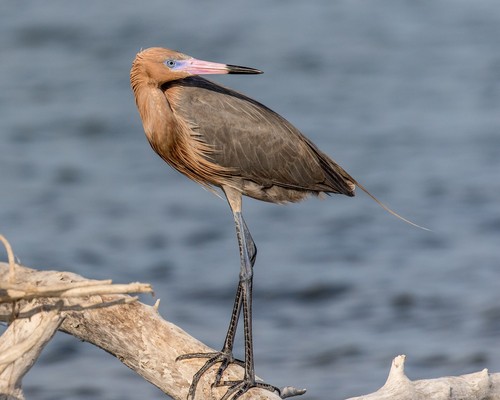
Reddish Egret
68-82 cm (27-32 in) long, 116-125 cm wingspan
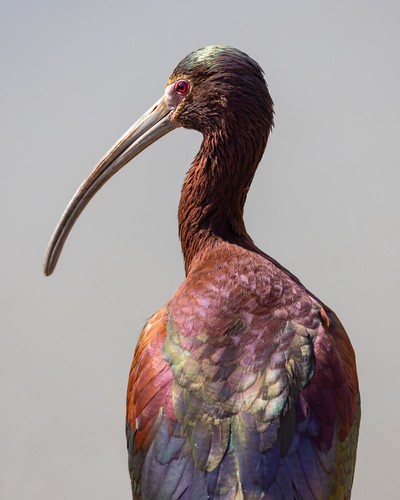
White-faced Ibis
46-56 cm (18-22 in) long, 88-93 cm wingspan
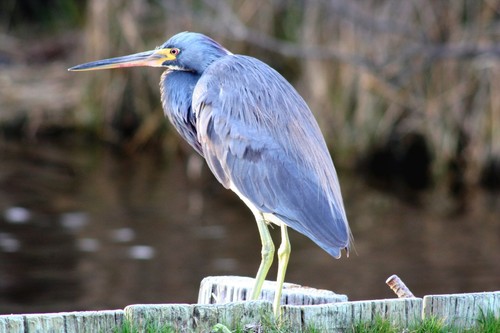
Tricolored Heron
61-76 cm (24-30 in) long, about 96 cm wingspan
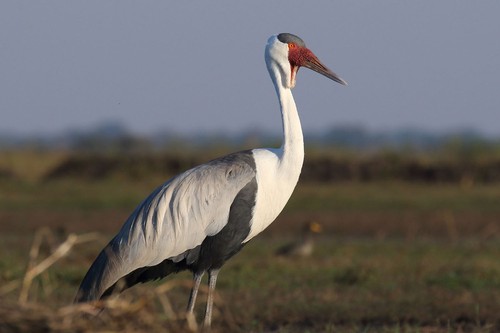
Wattled Crane
120-175 cm (47-69 in) tall, one of the tallest cranes, wingspan up to about 230 cm (7.5 ft)
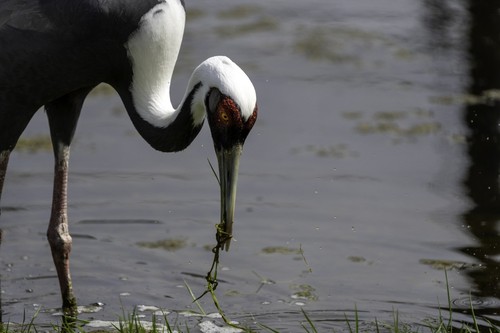
White-naped Crane
112-125 cm (44-49 in) long, 195-210 cm wingspan
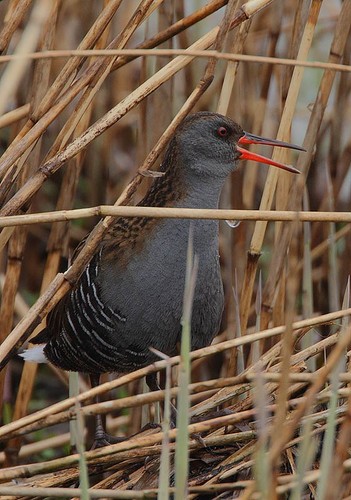
Water Rail
23-28 cm (9-11 in) long, wingspan 38-45 cm
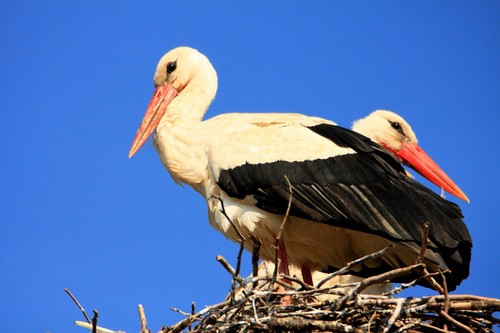
White Stork
100-125 cm (39-49 in) long, 155-215 cm wingspan
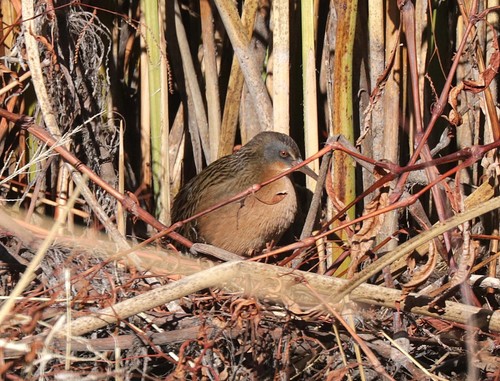
Virginia Rail
20-27 cm (8-11 in) long, wingspan 32-38 cm
Wattled Jacana
17-23 cm (7-9 in) long