
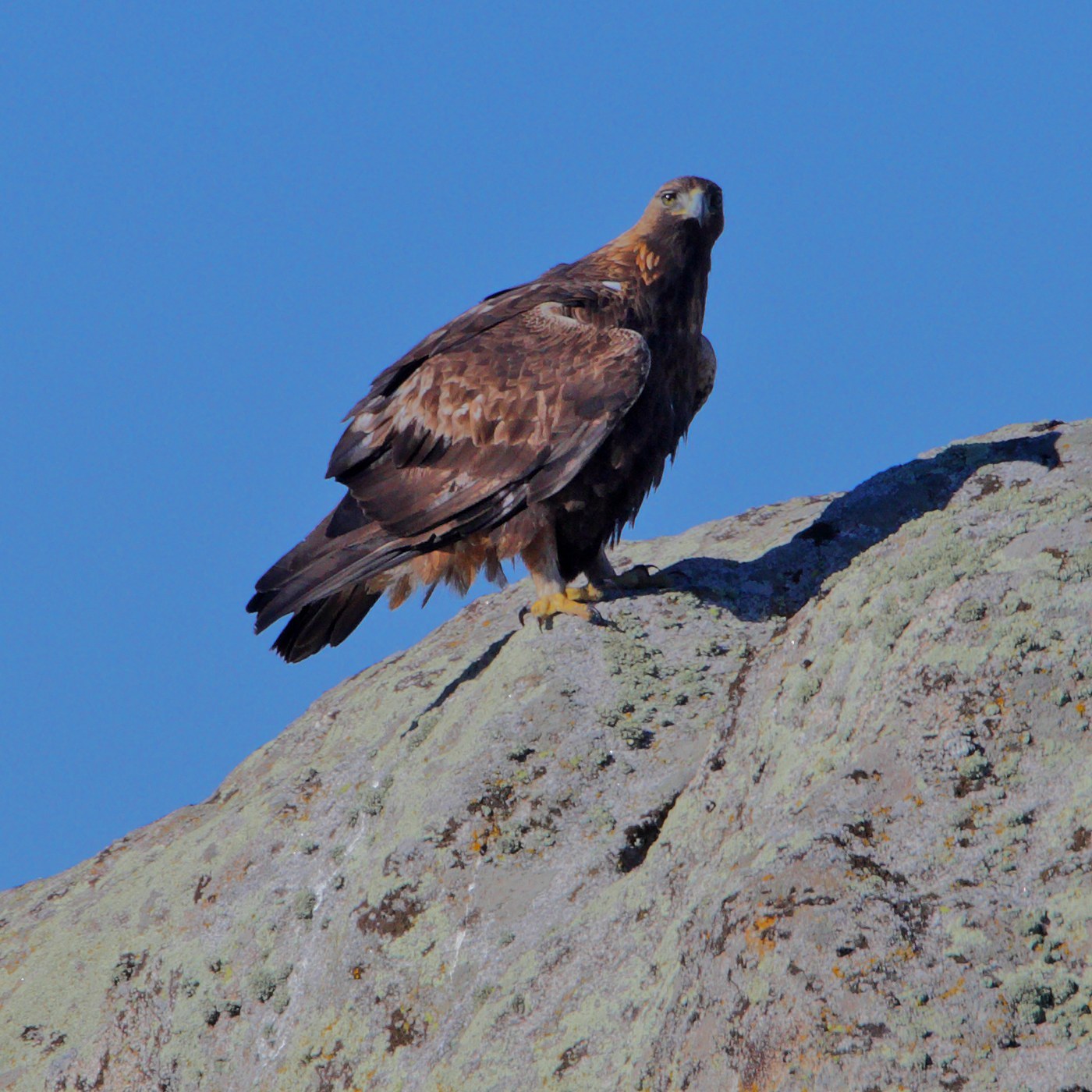
Golden Eagle
Aquila chrysaetos
A massive, powerful eagle of open western landscapes, dark brown overall with golden feathering on the back of the head and neck.
- Size
- 66-102 cm (26-40 in) long, 180-234 cm (71-92 in) wingspan
- Habitat
- open and mountainous terrain, including grasslands, shrub-steppe, and canyons
- Type
- raptor
Spotted a bird like this?
Identify any bird from a photo, free.
Overview
The Golden Eagle is one of the largest and most powerful birds of prey in North America, a formidable hunter of open and mountainous terrain across the western half of the continent. Adults are uniformly dark brown, with a wash of golden-buff feathering across the nape and back of the head that gives the species its name.
Golden Eagles have fully feathered legs down to the toes, distinguishing them from Bald Eagles at any age. Juveniles show bold white patches at the base of the tail and in the wings, which are gradually lost over several years as the bird matures.
How to identify it
Key field marks
- Uniformly dark brown body at all ages
- Golden-buff feathering on the nape and crown
- Fully feathered legs down to the toes
- Juvenile: bold white patches at the base of the tail and in the wings
- Holds wings in a slight, shallow dihedral (V-shape) while soaring
Similar species
Bald Eagle (immature) shows more irregular, patchy white mottling scattered across the body and underwing linings rather than a clean tail base and wing patches, and has bare (unfeathered) lower legs. Turkey Vulture is similarly dark but has a small bare red or gray head, silvery flight feathers, and holds its wings in a more pronounced, wobbly V while soaring.
Habitat & range
Habitat
Favors open and semi-open landscapes: grasslands, shrub-steppe, deserts, and mountainous or canyon terrain, generally avoiding dense forest.
Range
Found across much of the Northern Hemisphere. In North America, most common in the western United States and western Canada, with smaller numbers in eastern Canada; some populations are year-round residents while others, especially northern breeders, migrate south for winter.
Behavior & voice
Behavior
A powerful, agile predator despite its large size, the Golden Eagle hunts using fast, low glides over terrain or stoops from soaring height, capable of taking prey as large as young deer or pronghorn on occasion, though small to medium mammals make up the bulk of the diet.
Voice
Relatively quiet away from the nest; calls include a high, thin yelping or chirping note, weaker-sounding than its powerful appearance might suggest.
Feeding and nesting
Diet centers on mammals such as jackrabbits, cottontails, and ground squirrels, supplemented with birds and carrion, especially in winter. Builds a massive stick nest on a cliff ledge or in a large tree, reused and enlarged over many years by the same pair, which mates for life and defends a large territory.
Frequently asked questions
How do you tell a Golden Eagle from a Bald Eagle?
Golden Eagle is uniformly dark brown at all ages with golden nape feathering and fully feathered legs to the toes, while Bald Eagle adults have a solid white head and tail, and immature Bald Eagles show more irregular, patchy white mottling with bare lower legs.
What do Golden Eagles eat?
Primarily mammals such as jackrabbits, cottontails, and ground squirrels, along with birds and carrion, especially in winter.
Where do Golden Eagles live?
In open and mountainous terrain across the Northern Hemisphere; in North America they are most numerous in the western United States and western Canada.
How big is a Golden Eagle?
One of the largest raptors in North America, with a wingspan that can exceed 2 meters (about 7 feet) in the largest females.
Do Golden Eagles mate for life?
Yes, pairs typically mate for life and defend and reuse the same territory and nest site across many years.
Golden Eagle guides
In-depth guides for identifying, finding, and understanding Golden Eagle.
Other birds you may enjoy
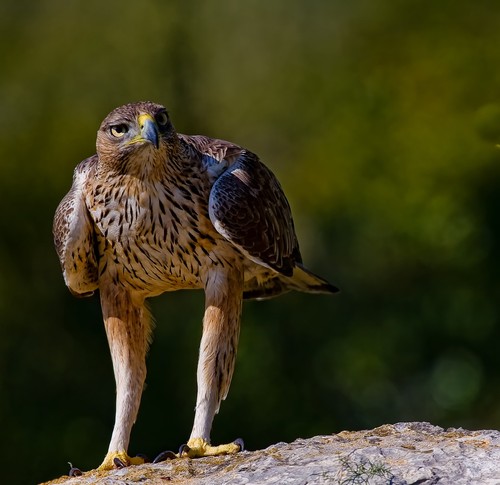
Bonelli's Eagle
Body 65–72 cm (26–28 in); wingspan 150–180 cm (59–71 in)
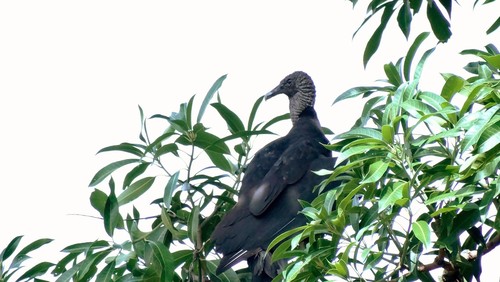
Black Vulture
56-68 cm (22-27 in) long, 137-165 cm wingspan
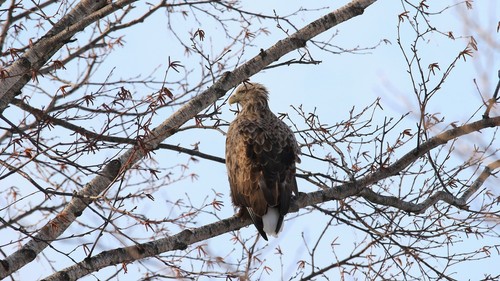
White-tailed Eagle
66-94 cm body length; wingspan 178-245 cm, among the largest eagles in the world
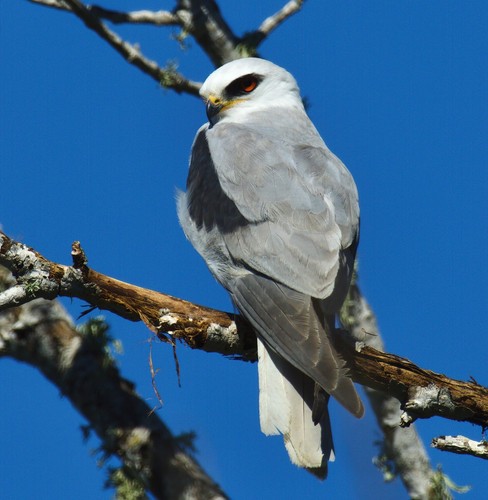
White-tailed Kite
35-43 cm (14-17 in) long, 88-102 cm (35-40 in) wingspan
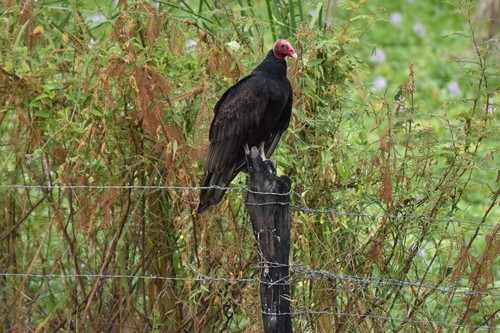
Turkey Vulture
64-81 cm (25-32 in) long, 160-183 cm wingspan
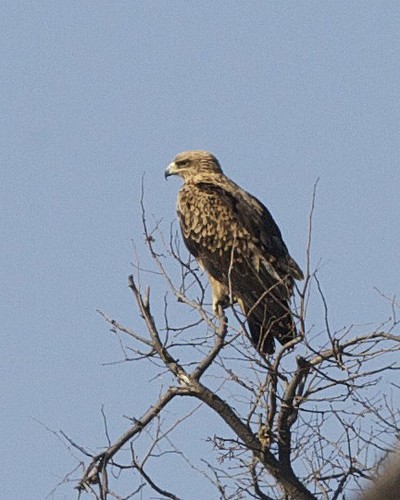
Tawny Eagle
62–75 cm long; wingspan 1.65–2.0 m
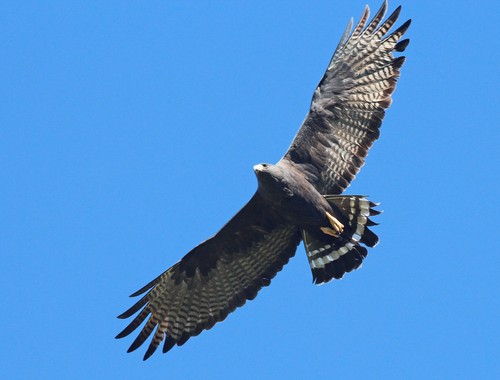
Zone-tailed Hawk
46-56 cm (18-22 in) long, 118-140 cm (46-55 in) wingspan
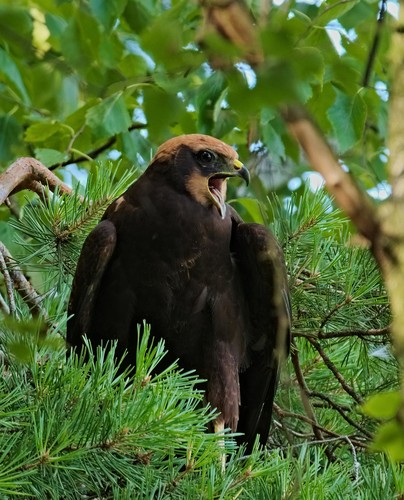
Western Marsh Harrier
Body 43-56 cm; wingspan 115-140 cm
Swallow-tailed Kite
48-68 cm (19-27 in) long including tail streamers, 112-136 cm (44-54 in) wingspan
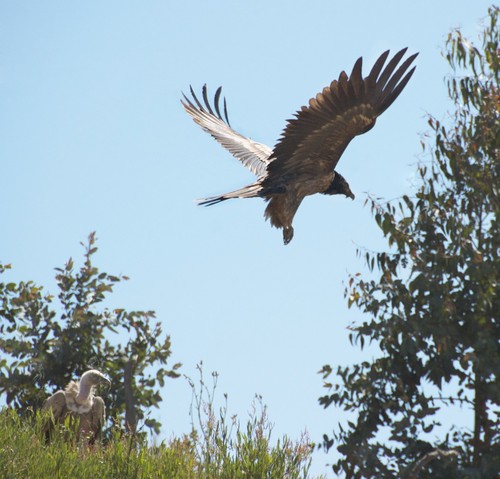
White-backed Vulture
78-98 cm long, wingspan 1.96-2.25 m
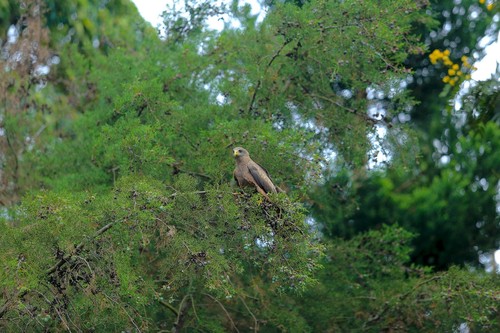
Yellow-billed Kite
55-60 cm long; wingspan 130-155 cm
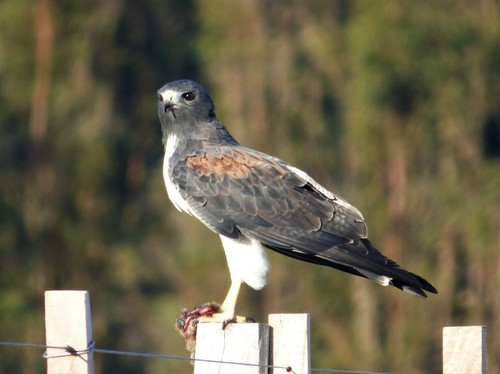
White-tailed Hawk
46-59 cm (18-23 in) long, 122-142 cm (48-56 in) wingspan