
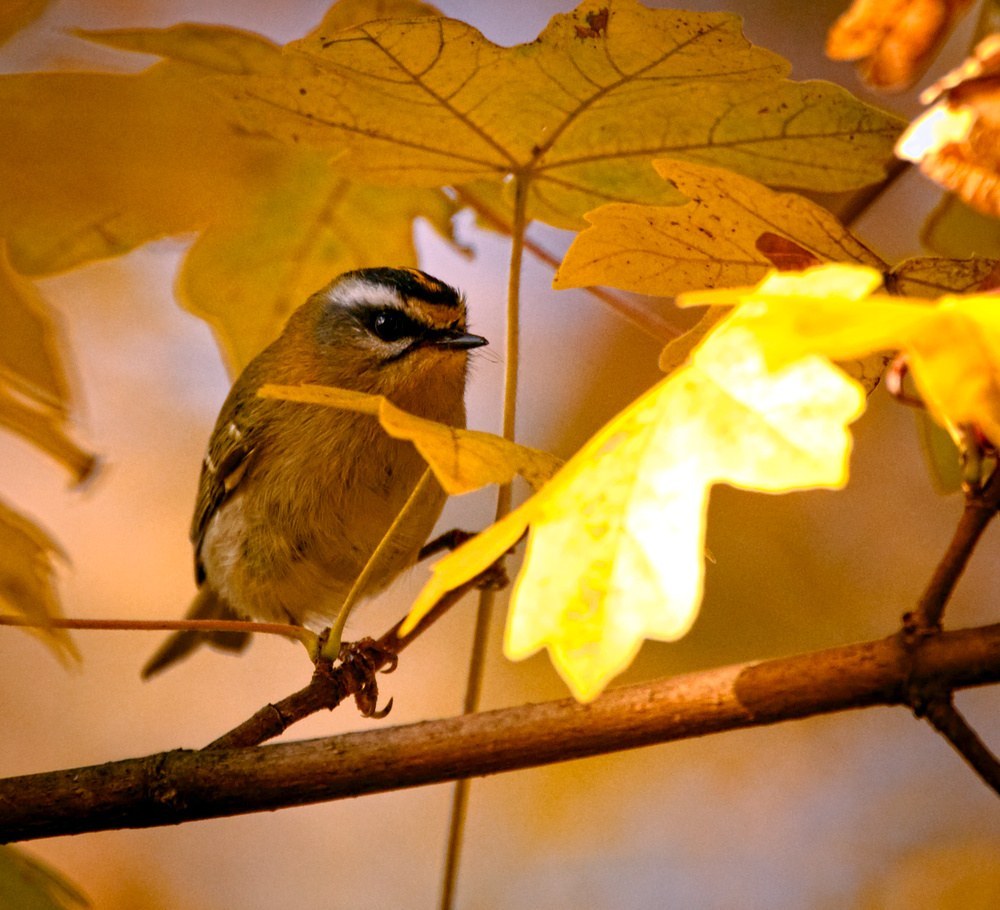
Firecrest
Regulus ignicapilla
A tiny, jewel-like woodland bird closely related to the Goldcrest, but brighter and more boldly patterned with a striking white eyebrow stripe and black eye mask.
- Size
- 9 cm (3.5 in) long, 13-16 cm wingspan
- Habitat
- coniferous and mixed woodland, also broadleaf woodland and scrub in winter
- Type
- songbird
Spotted a bird like this?
Identify any bird from a photo, free.
Overview
The Firecrest is a tiny, vividly marked relative of the Goldcrest, sharing its minute size but showing a considerably bolder and brighter facial pattern. A bright white supercilium runs above a black eyestripe through the eye, giving the face a striking, masked appearance quite different from the Goldcrest's plainer look.
Like the Goldcrest, it has a central crown stripe bordered in black, orange in males and yellow in females, though the Firecrest additionally shows a bronzy-gold patch on the shoulder and generally brighter, more saturated green upperparts.
Although similar in size and habits to the Goldcrest, the Firecrest tends to be somewhat less strictly tied to conifers, using broadleaf woodland and scrub more readily, especially in winter.
How to identify it
Key field marks
- Bold white supercilium above a black eyestripe, creating a masked look
- Bright orange (male) or yellow (female) crown stripe bordered in black
- Bronze-gold patch on the shoulder
- Brighter, more saturated green upperparts than Goldcrest
- Two pale wingbars, similar to Goldcrest
Similar species
- Goldcrest: plainer face with no white supercilium or black eyestripe, and no bronze shoulder patch, giving a duller, more subdued overall look.
- Willow Warbler/Chiffchaff: larger, with a pale supercilium but lacking the crown stripe and bronze shoulder patch entirely.
- No other European bird combines the tiny size with this bold black-and-white facial pattern plus a fiery crown stripe.
Habitat & range
Firecrests breed across much of southern and central Europe, with a more restricted and patchier distribution further north compared to the more widespread Goldcrest. They favour coniferous and mixed woodland for breeding but are somewhat more flexible than the Goldcrest, also using broadleaf woodland, parks, and scrub, particularly outside the breeding season.
Some populations are resident, while others, especially in the north of the range, are partial migrants moving to milder areas for winter, sometimes joining mixed foraging flocks with tits and Goldcrests.
The species has been expanding its breeding range northward in parts of Europe in recent decades.
Behavior & voice
Voice
The song is a high-pitched, rapid series of thin notes, similar to the Goldcrest's but typically more even in pitch and lacking the slight flourish at the end, ending instead in a brief, level trill. The call is a thin, high-pitched "zit" or "zit-zit-zit," slightly lower and more distinct than the Goldcrest's call.
Feeding
Firecrests feed on tiny insects, spiders, and their eggs, gleaned from foliage and twigs, foraging actively and often hovering briefly to reach prey, much like the Goldcrest.
Nesting and breeding
The nest is a small, deep, tightly woven cup of moss, lichen, and spider silk, typically suspended beneath a conifer branch. Clutches usually contain seven to eleven eggs.
Frequently asked questions
How do you tell a Firecrest from a Goldcrest?
Firecrest shows a bold white eyebrow stripe, a black eyestripe through the eye, and a bronze shoulder patch, all of which the plainer-faced Goldcrest lacks.
How big is a Firecrest?
At around 9 cm long, it is one of the smallest birds in Europe, similar in size to the closely related Goldcrest.
What habitat does a Firecrest prefer?
It favours coniferous and mixed woodland for breeding but is more flexible than the Goldcrest, also using broadleaf woodland and scrub, especially in winter.
Do Firecrests migrate?
Populations vary: some are resident year-round, while others, especially in the north of the range, move to milder areas for winter as partial migrants.
What does a Firecrest eat?
It feeds on tiny insects, spiders, and their eggs gleaned from foliage, often hovering briefly to reach prey at branch tips, much like the Goldcrest.
Firecrest guides
In-depth guides for identifying, finding, and understanding Firecrest.
Other birds you may enjoy
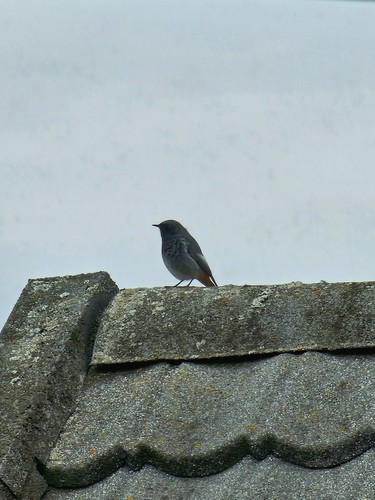
Black Redstart
13-14.5 cm (5.1-5.7 in) long, 23-26 cm wingspan
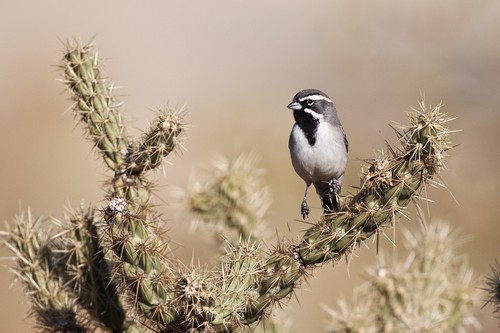
Black-throated Sparrow
12-14 cm (4.7-5.5 in) long, about 19-20 cm (7.5-8 in) wingspan
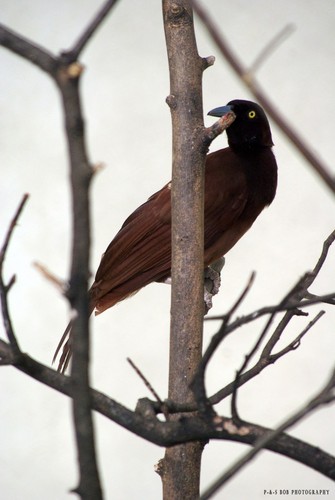
Greater Bird-of-paradise
Body about 43 cm; males with additional flank plumes up to 50 cm and long tail wires
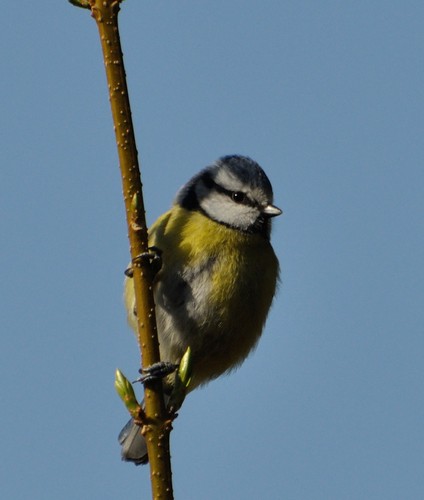
Blue Tit
11-12 cm (4.3-4.7 in) long, 17-20 cm wingspan
Red-billed Quelea
11.5–13 cm long, wingspan about 20–22 cm
White-plumed Antbird
13-14 cm (5-5.5 in) long
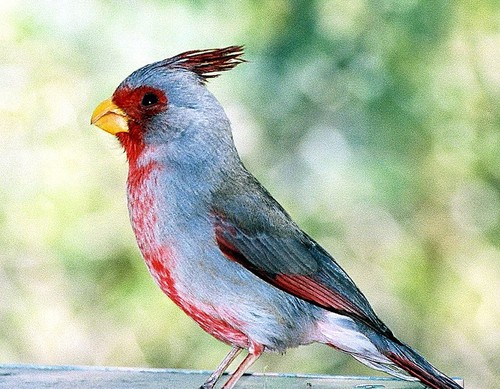
Pyrrhuloxia
19-22 cm (7.5-8.7 in) long, 30 cm wingspan
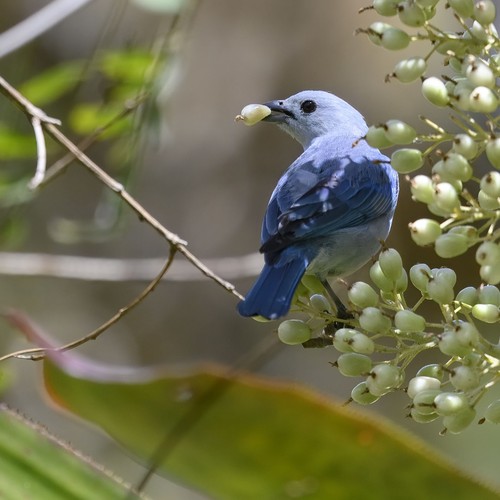
Blue-gray Tanager
16-18 cm (6-7 in) long
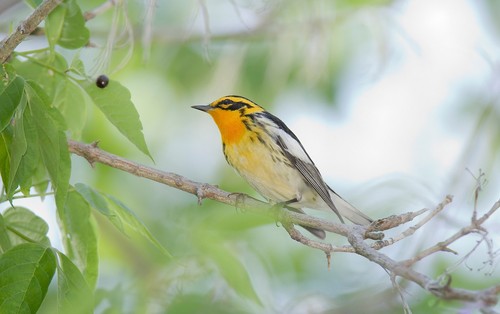
Blackburnian Warbler
11-13 cm (4.3-5.1 in) long, 20-22 cm wingspan
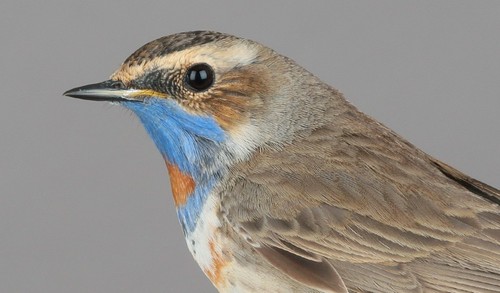
Bluethroat
13-14 cm (5.1-5.5 in) long, 20-22 cm wingspan
Eurasian Nuthatch
12-14.5 cm (4.7-5.7 in) long, 22.5-27 cm wingspan
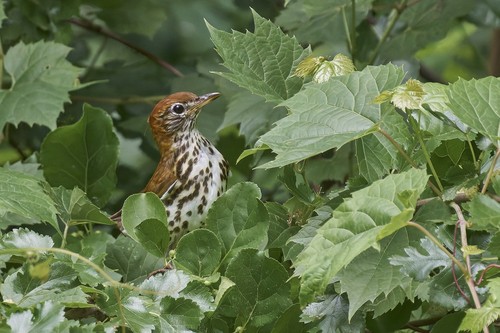
Wood Thrush
19-21 cm (7.5-8.3 in) long, about 33 cm (13 in) wingspan