
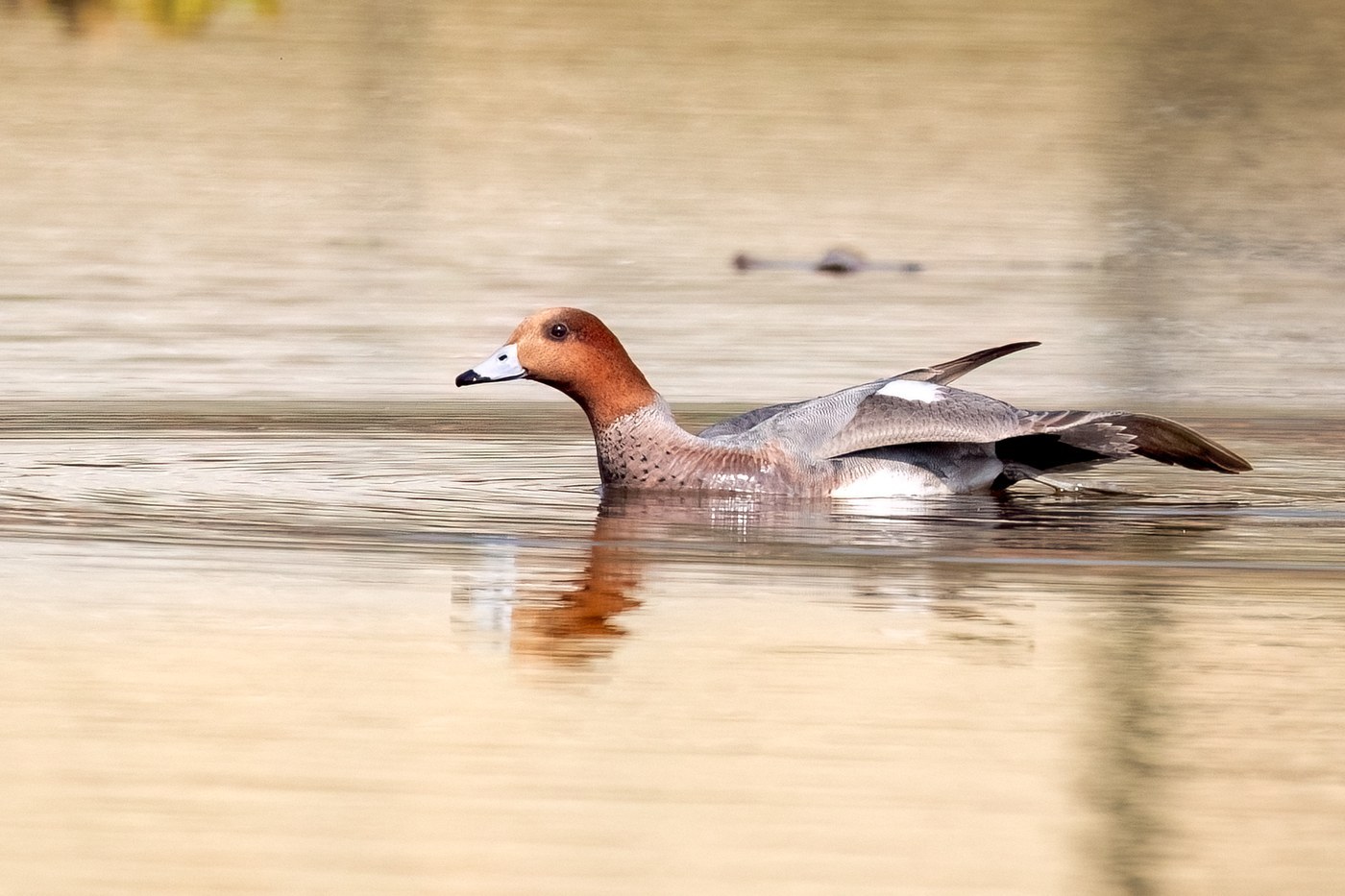
Eurasian Wigeon
Mareca penelope
A Eurasian dabbling duck with a rich chestnut head and creamy forehead, an uncommon but regular visitor to North American coasts among flocks of American Wigeon.
- Size
- 42-52 cm (16.5-20.5 in) long, 71-80 cm wingspan
- Habitat
- lakes, estuaries, coastal marshes, and flooded meadows across Europe and Asia; rare but regular winter visitor to North America
- Type
- waterfowl
Spotted a bird like this?
Identify any bird from a photo, free.
Overview
The Eurasian Wigeon is the Old World counterpart to the American Wigeon, sharing the same compact body, round head, and short blue-gray bill. The breeding drake is strikingly colored with a solid rich chestnut-red head and a pale creamy-buff crown stripe, contrasting with a soft gray-and-white body and a black-bordered rear end.
Females closely resemble female American Wigeon but tend to show a warmer, more rufous tone to the head and body, making separation of the two species in female or non-breeding plumage a genuine identification challenge for birders.
How to identify it
Key Field Marks
- Breeding drake: solid rich chestnut head, pale creamy-buff crown stripe, gray body, pinkish breast
- Female: warm rufous-brown tones overall, round head, short pale bill
- Both sexes: white belly and large white wing patch on males in flight
Similar Species
The American Wigeon drake has a gray, black-flecked head (not solid chestnut) with a white (not buffy) crown and a green eye patch. Female Eurasian Wigeon are best separated from female American Wigeon by their warmer, more uniformly rufous head and body tone versus the grayer-headed American Wigeon.
Habitat & range
Eurasian Wigeon breed across the tundra and taiga edges of northern Europe and Asia, and winter widely across temperate Europe, Africa, and southern Asia in lakes, coastal marshes, estuaries, and flooded grasslands. In North America, small numbers appear regularly as scarce winter visitors, mainly along the Pacific and Atlantic coasts, typically mixed into flocks of American Wigeon.
Sightings in North America are considered a highlight for birders and are most often made by carefully scanning large wigeon flocks for the drake's distinctive chestnut head.
Behavior & voice
Like the American Wigeon, this species grazes extensively on grasses and short vegetation along shorelines and in fields, in addition to typical dabbling on the water surface for aquatic plants. It often associates with other dabbling ducks and geese while grazing in open areas.
The male's call is a clear, whistled "whee-oo," similar in style to the American Wigeon's whistle but distinct enough for experienced observers to separate by ear. Breeding biology mirrors that of the American Wigeon, with ground nests built in grass or low cover near water and females solely responsible for incubation and brood-rearing.
Frequently asked questions
Is the Eurasian Wigeon found in North America?
Yes, small numbers appear as scarce but regular winter visitors, especially along the Pacific and Atlantic coasts, usually mixed with flocks of American Wigeon.
How do you identify a male Eurasian Wigeon?
Look for a solid rich chestnut head with a pale creamy-buff crown stripe, distinguishing it from the gray, green-patched head of the American Wigeon.
Are female Eurasian and American Wigeon hard to tell apart?
Yes, they are very similar, but female Eurasian Wigeon tend to show warmer, more uniformly rufous tones than the grayer-headed female American Wigeon.
What does a Eurasian Wigeon eat?
It grazes on grasses and aquatic vegetation, similar to the American Wigeon.
Where does the Eurasian Wigeon breed?
It breeds across the tundra and taiga edges of northern Europe and Asia.
Eurasian Wigeon guides
In-depth guides for identifying, finding, and understanding Eurasian Wigeon.
Other birds you may enjoy
Red-necked Grebe
40-55 cm (16-22 in) long, 77-85 cm wingspan
Horned Grebe
31-38 cm (12-15 in) long, 46-55 cm wingspan
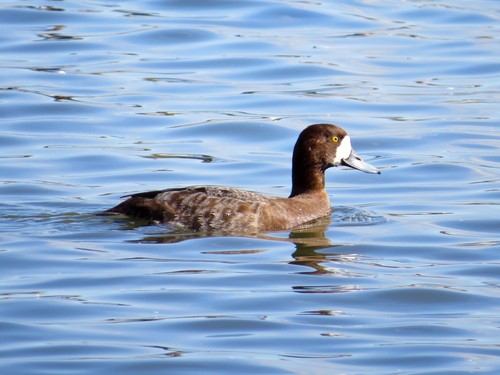
Greater Scaup
42-51 cm (16.5-20 in) long, 71-84 cm wingspan
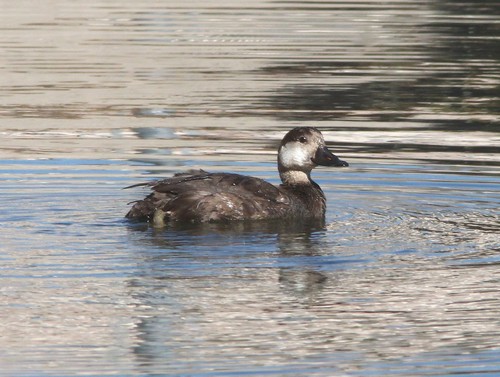
Black Scoter
43-54 cm (17-21 in) long, 79-90 cm wingspan
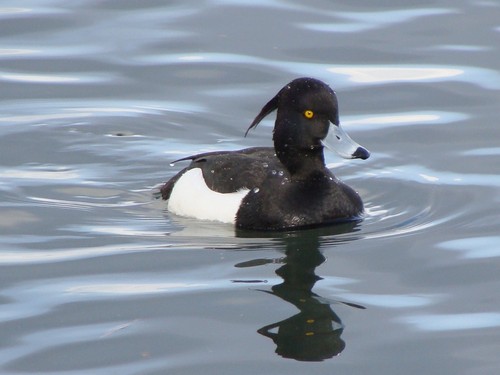
Tufted Duck
40-47 cm (16-18.5 in) long, 67-73 cm wingspan
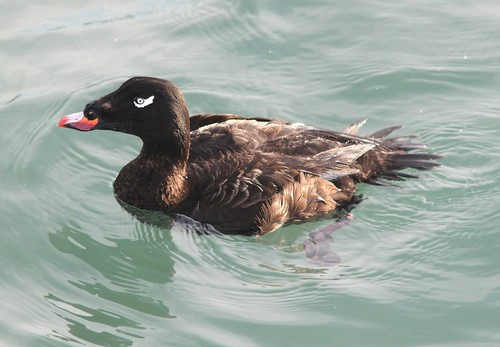
White-winged Scoter
48-58 cm (19-23 in) long, 86-99 cm wingspan
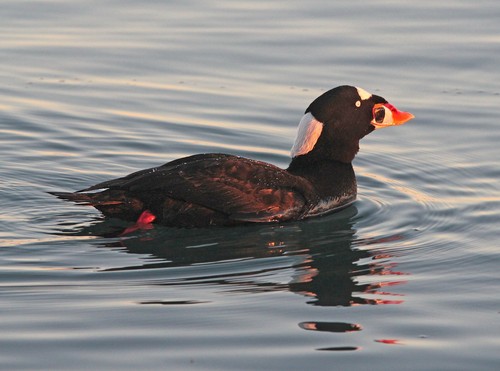
Surf Scoter
45-56 cm (18-22 in) long, 78-92 cm wingspan
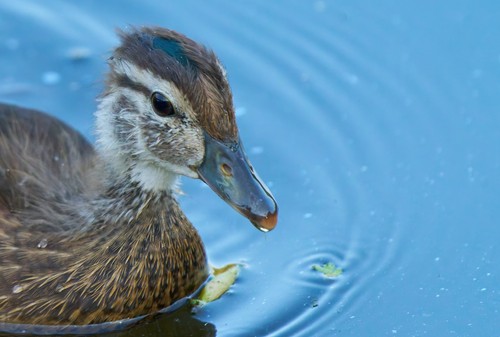
Wood Duck
47-54 cm (18.5-21 in) long, 66-73 cm wingspan
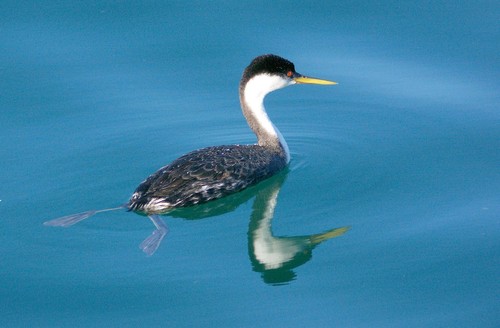
Western Grebe
56-74 cm (22-29 in) long, 79-102 cm wingspan
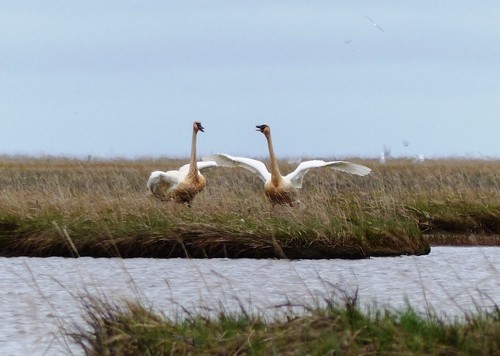
Tundra Swan
115-150 cm (45-59 in) long, about 180 cm wingspan
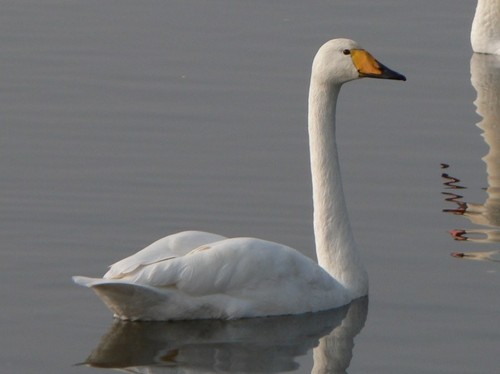
Whooper Swan
140-165 cm (55-65 in) long, 205-235 cm wingspan
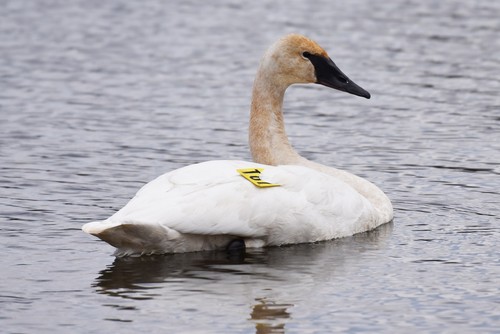
Trumpeter Swan
150-180 cm (59-71 in) long, up to 300 cm wingspan