
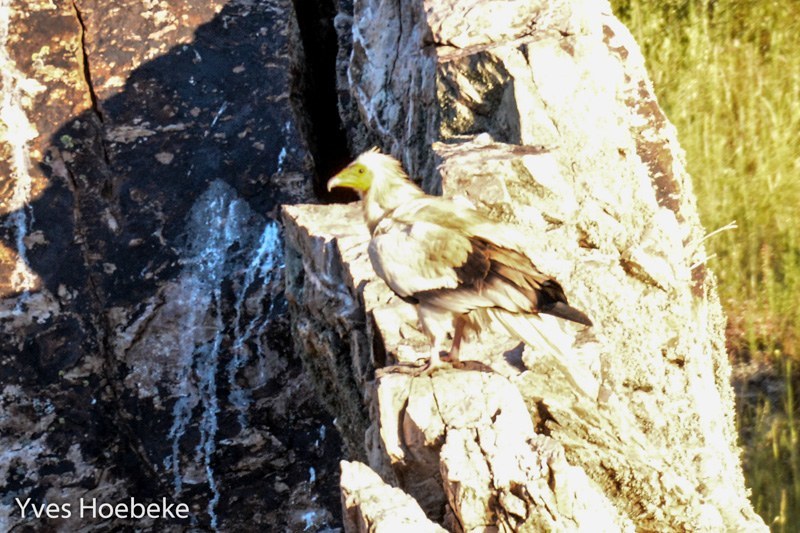
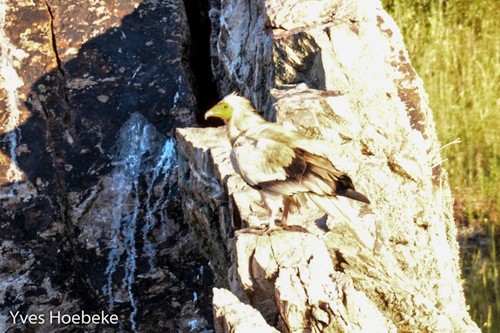
Egyptian Vulture
Neophron percnopterus
A small, distinctive Old World vulture with dirty-white plumage and a bare yellow face, notable for using tools to crack open eggs.
- Size
- 58-70 cm long, wingspan 146-175 cm
- Habitat
- Arid open country, cliffs, and semi-desert across southern Europe, Africa, and Asia
- Type
- raptor
Spotted a bird like this?
Identify any bird from a photo, free.
Overview
The Egyptian Vulture is the smallest of the Old World vultures found in Europe, Africa, and Asia, with a slender build and long, narrow wings compared to bulkier vulture relatives. Adults have predominantly white to creamy plumage set off by contrasting black flight feathers visible in flight, along with a shaggy ruff of elongated feathers at the back of the head and neck.
The bare facial skin is bright yellow to orange, and the bill is slender and hooked, adapted for a more varied diet than most vultures. The wedge-shaped tail is a useful identification feature in flight. Juveniles are dark brown overall, gradually molting to the adult's white plumage over about five years.
How to identify it
Key field marks
- Small size and slender build compared to other vultures
- Dirty-white to creamy body with contrasting black flight feathers
- Bare, bright yellow-orange face
- Wedge- or diamond-shaped tail, visible in flight
- Shaggy feathered ruff on the nape
Similar species
- Griffon Vulture: much larger and bulkier, sandy-brown (not white) body, short square tail
- White Stork: superficially white-and-black in flight but has a long red bill and legs trailing behind, unlike the vulture's tucked feet
- Osprey: white below with dark upperwings but has a distinct dark eye-stripe and different flight silhouette
Habitat & range
Range
Breeds from southern Europe (Iberia, the Balkans) across North Africa, the Middle East, and into Central and South Asia, including the Indian subcontinent.
Habitat
Favors arid and semi-arid open country, including cliffs, rocky hillsides, and semi-desert, often near human settlements where it scavenges refuse and carcass remains.
Migration
European and Central Asian breeding populations are long-distance migrants, wintering in sub-Saharan Africa or South Asia, while some populations in Africa and southern Asia are largely resident.
Behavior & voice
Feeding
An opportunistic scavenger, feeding on carrion, animal and human refuse, and even eggs and small invertebrates. It is famous for using stones as tools, picking them up and throwing them at large eggs (such as ostrich eggs) to crack the shell.
Voice
Generally quiet, producing weak hissing or whining calls near the nest, but largely silent otherwise.
Flight
Flies with slow, deliberate wingbeats interspersed with soaring, using its wedge-shaped tail to steer.
Nesting
Nests on cliff ledges or in rocky crevices, sometimes on man-made structures, typically laying 1-2 eggs. Both parents assist in incubation and feeding of the young.
Conservation
Populations have declined steeply due to poisoning (including from veterinary drugs and pesticides), electrocution on power lines, and habitat disturbance, leading to its Endangered status.
Frequently asked questions
What makes the Egyptian Vulture unique among vultures?
It is notable for its tool use, picking up stones to break open large eggs such as ostrich eggs, a rare example of tool use among birds.
How can you identify an Egyptian Vulture?
Look for its small size, dirty-white plumage with black flight feathers, bright yellow bare face, and distinctive wedge-shaped tail.
What does an Egyptian Vulture eat?
It is an opportunistic scavenger feeding on carrion, refuse, and eggs, and occasionally small invertebrates.
Where do Egyptian Vultures migrate?
European and Central Asian breeders migrate long distances to winter in sub-Saharan Africa or South Asia.
Why is the Egyptian Vulture endangered?
Poisoning, electrocution on power infrastructure, and habitat disturbance have caused steep population declines across its range.
Egyptian Vulture guides
In-depth guides for identifying, finding, and understanding Egyptian Vulture.
Other birds you may enjoy
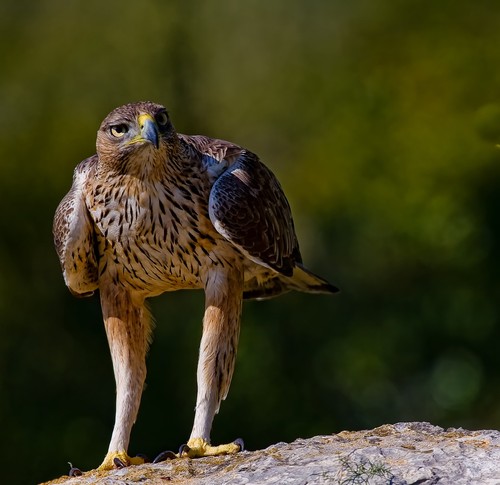
Bonelli's Eagle
Body 65–72 cm (26–28 in); wingspan 150–180 cm (59–71 in)
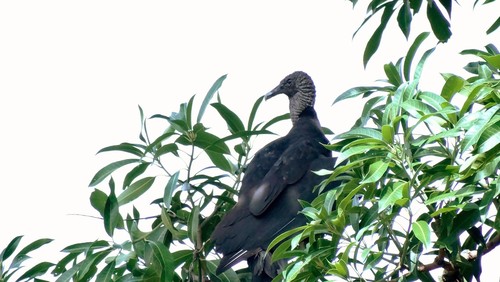
Black Vulture
56-68 cm (22-27 in) long, 137-165 cm wingspan
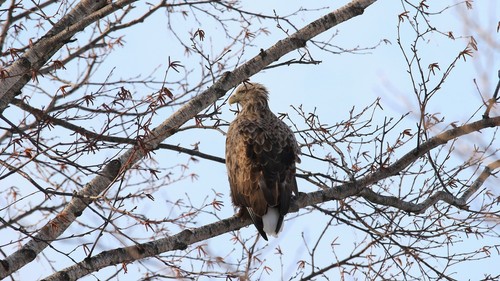
White-tailed Eagle
66-94 cm body length; wingspan 178-245 cm, among the largest eagles in the world
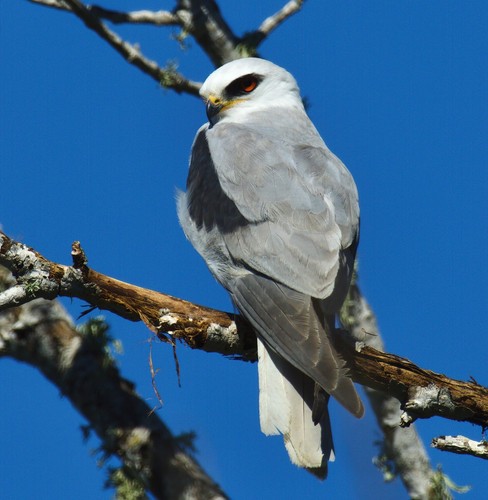
White-tailed Kite
35-43 cm (14-17 in) long, 88-102 cm (35-40 in) wingspan
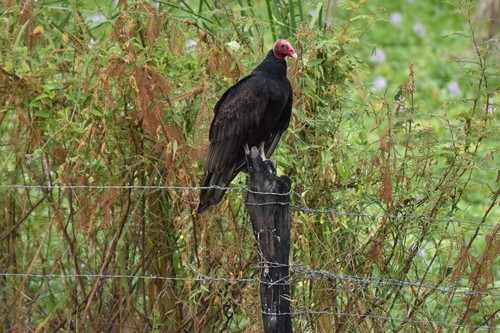
Turkey Vulture
64-81 cm (25-32 in) long, 160-183 cm wingspan
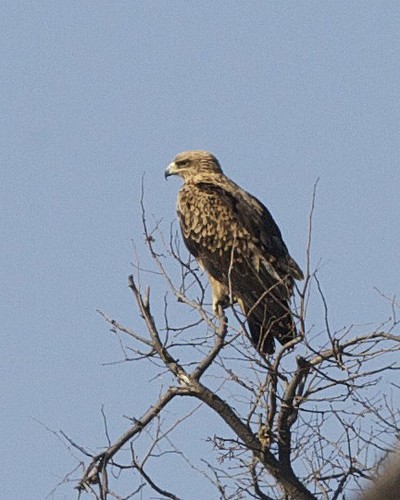
Tawny Eagle
62–75 cm long; wingspan 1.65–2.0 m
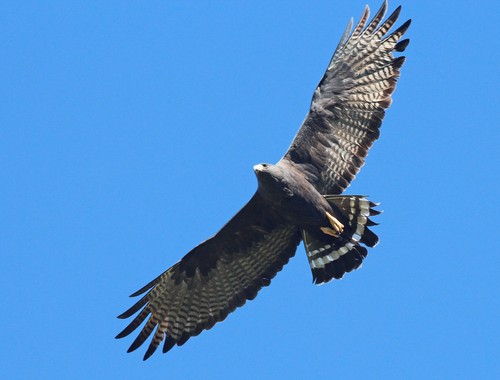
Zone-tailed Hawk
46-56 cm (18-22 in) long, 118-140 cm (46-55 in) wingspan
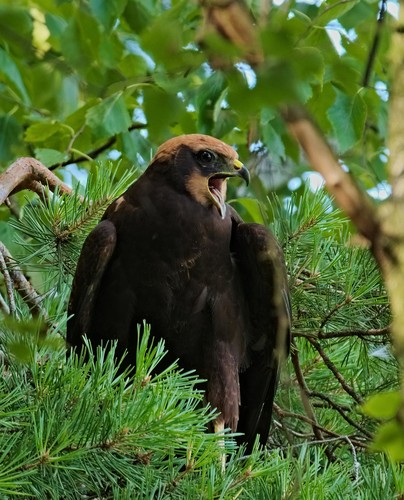
Western Marsh Harrier
Body 43-56 cm; wingspan 115-140 cm
Swallow-tailed Kite
48-68 cm (19-27 in) long including tail streamers, 112-136 cm (44-54 in) wingspan
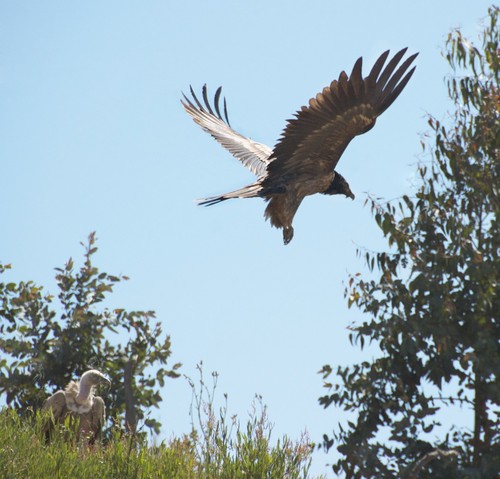
White-backed Vulture
78-98 cm long, wingspan 1.96-2.25 m
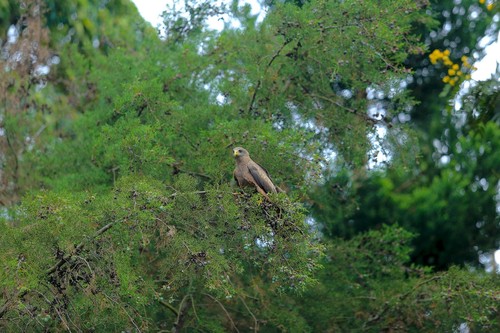
Yellow-billed Kite
55-60 cm long; wingspan 130-155 cm
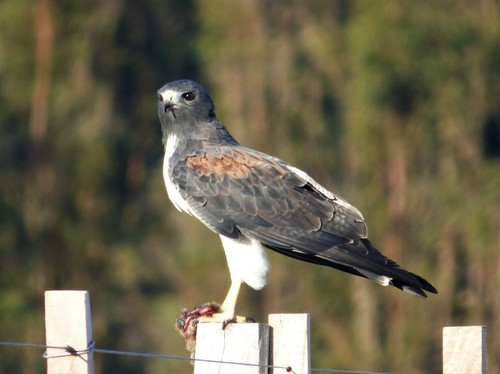
White-tailed Hawk
46-59 cm (18-23 in) long, 122-142 cm (48-56 in) wingspan