
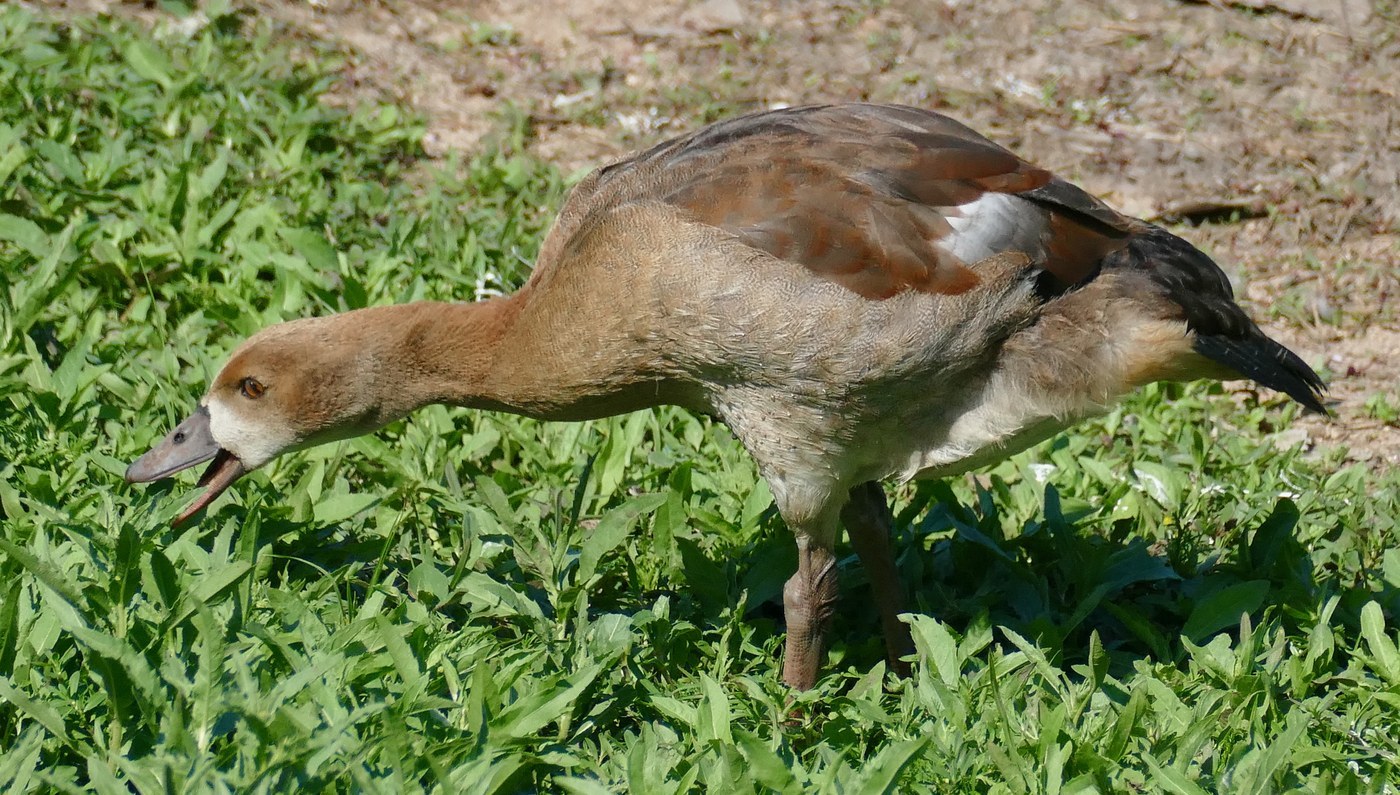
Egyptian Goose
Alopochen aegyptiaca
A bulky, long-legged African waterfowl with a distinctive dark eye patch, chestnut breast patch, and pink legs.
- Size
- 63-73 cm (25-29 in) long, 134-154 cm wingspan
- Habitat
- rivers, lakes, wetlands, and parks; native to Africa, introduced/feral elsewhere
- Type
- waterfowl
Spotted a bird like this?
Identify any bird from a photo, free.
Overview
The Egyptian Goose is a large, long-legged African waterfowl that, despite its name, is actually more closely related to shelducks than to true geese. It has a buffy-brown to gray-brown body, a distinctive dark brown patch around the eye, a chestnut patch on the lower breast, and pink legs and bill. In flight, it shows bold white wing patches bordered by black and a green speculum.
Originally native to the Nile Valley and much of sub-Saharan Africa, the Egyptian Goose has become an increasingly familiar sight well beyond its native range, having established feral breeding populations in parts of Europe and North America thanks to its adaptability to parks, golf courses, and urban wetlands.
How to identify it
Key field marks
- Large size, long pink legs, and a pinkish bill
- Distinctive dark brown patch surrounding the eye
- Chestnut-brown patch on the center of the lower breast
- Bold white wing patch and green speculum visible in flight
Similar species
The Ruddy Shelduck is more uniformly orange-brown without the dark eye patch and has dark (not pink) legs. No other common waterfowl shares the Egyptian Goose's combination of pink legs, dark eye mask, and breast patch.
Habitat & range
Native to the Nile Valley and much of sub-Saharan Africa, the Egyptian Goose inhabits rivers, lakes, wetlands, and adjacent open grasslands, tolerating a wide range of habitats including urban parks. Introduced and feral populations are now established and expanding in parts of Europe (notably the UK, Netherlands, and Belgium) and in Florida and other parts of the United States, where the species thrives around lakes, golf courses, and suburban ponds.
Behavior & voice
Behavior
Egyptian Geese are territorial and often aggressive, particularly around nesting sites, chasing off other waterfowl and even much larger birds. They graze on land as readily as they forage in water.
Voice
Loud and vocal; males give a hoarse, wheezy hissing call, while females give a loud, harsh honking or cackling call, both frequently heard in disputes.
Feeding
Mostly grasses and other plant material grazed on land, along with seeds, aquatic plants, and occasionally small invertebrates.
Nesting
Nests on the ground, in tree cavities, or even in old nests of other large birds, sometimes well above ground; clutches typically hold 5-11 eggs.
Frequently asked questions
Is the Egyptian Goose a true goose?
No, despite its name it is more closely related to shelducks than to true geese, though it shares a generally goose-like size and shape.
How do you identify an Egyptian Goose?
Look for pink legs, a pinkish bill, a dark brown patch around the eye, and a chestnut patch on the lower breast.
Are Egyptian Geese native to the areas where they're now common in Europe and the US?
No, they are native to Africa; populations in Europe and parts of the United States are introduced or feral, descended from escaped or released birds.
Are Egyptian Geese aggressive?
They can be quite territorial and aggressive, especially when defending nests or young, often chasing off other waterfowl.
Egyptian Goose guides
In-depth guides for identifying, finding, and understanding Egyptian Goose.
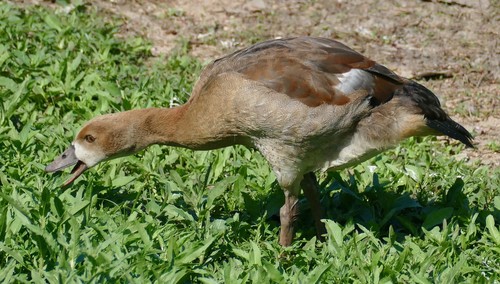
Egyptian Goose identified by the community
Real birds identified with Bird Identifier.
Other birds you may enjoy
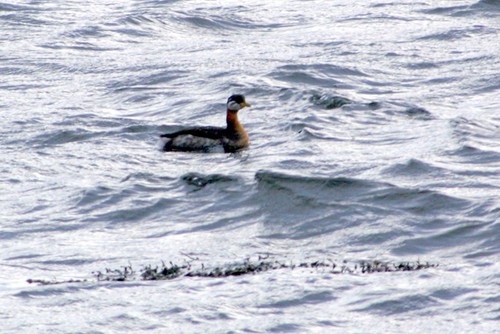
Red-necked Grebe
40-55 cm (16-22 in) long, 77-85 cm wingspan
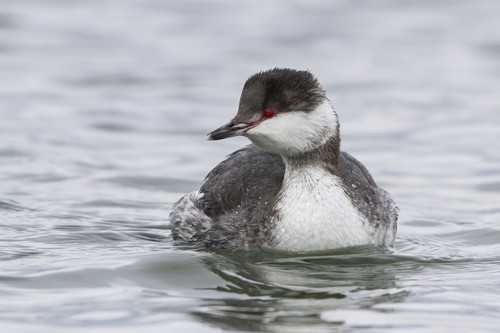
Horned Grebe
31-38 cm (12-15 in) long, 46-55 cm wingspan
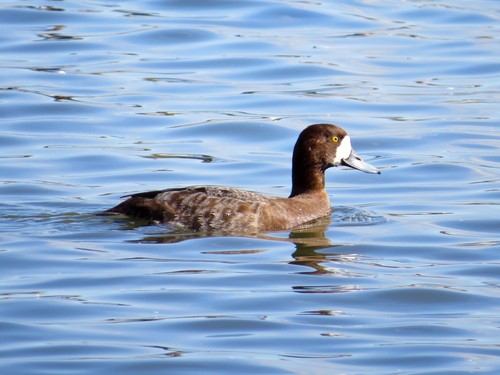
Greater Scaup
42-51 cm (16.5-20 in) long, 71-84 cm wingspan
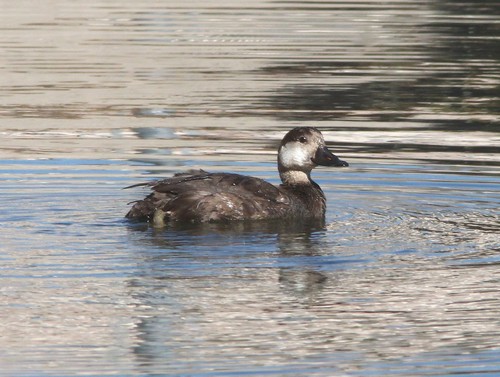
Black Scoter
43-54 cm (17-21 in) long, 79-90 cm wingspan
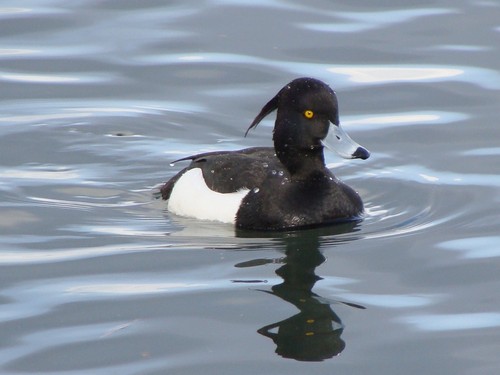
Tufted Duck
40-47 cm (16-18.5 in) long, 67-73 cm wingspan
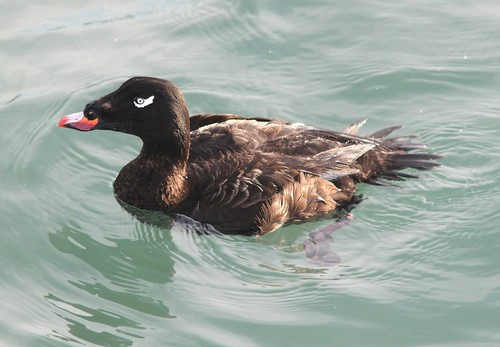
White-winged Scoter
48-58 cm (19-23 in) long, 86-99 cm wingspan
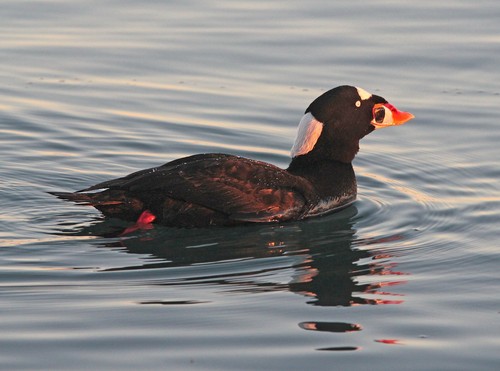
Surf Scoter
45-56 cm (18-22 in) long, 78-92 cm wingspan
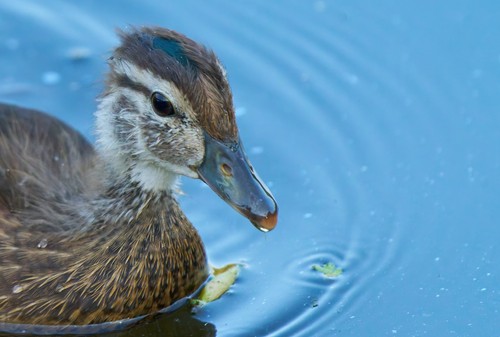
Wood Duck
47-54 cm (18.5-21 in) long, 66-73 cm wingspan
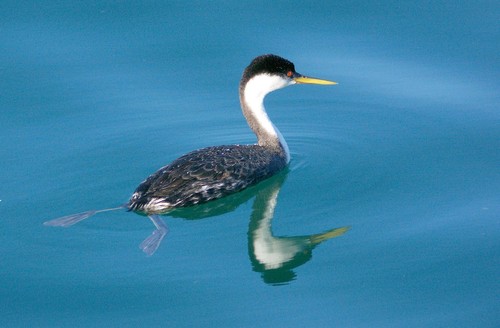
Western Grebe
56-74 cm (22-29 in) long, 79-102 cm wingspan
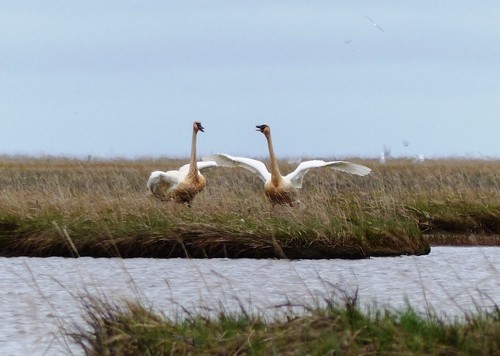
Tundra Swan
115-150 cm (45-59 in) long, about 180 cm wingspan
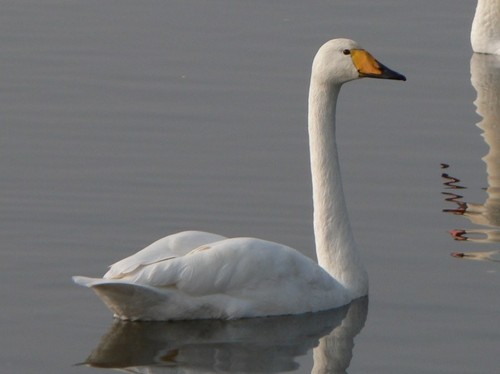
Whooper Swan
140-165 cm (55-65 in) long, 205-235 cm wingspan
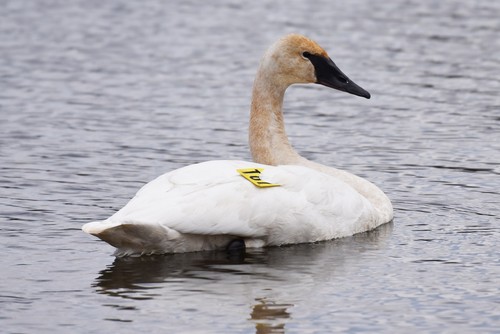
Trumpeter Swan
150-180 cm (59-71 in) long, up to 300 cm wingspan