
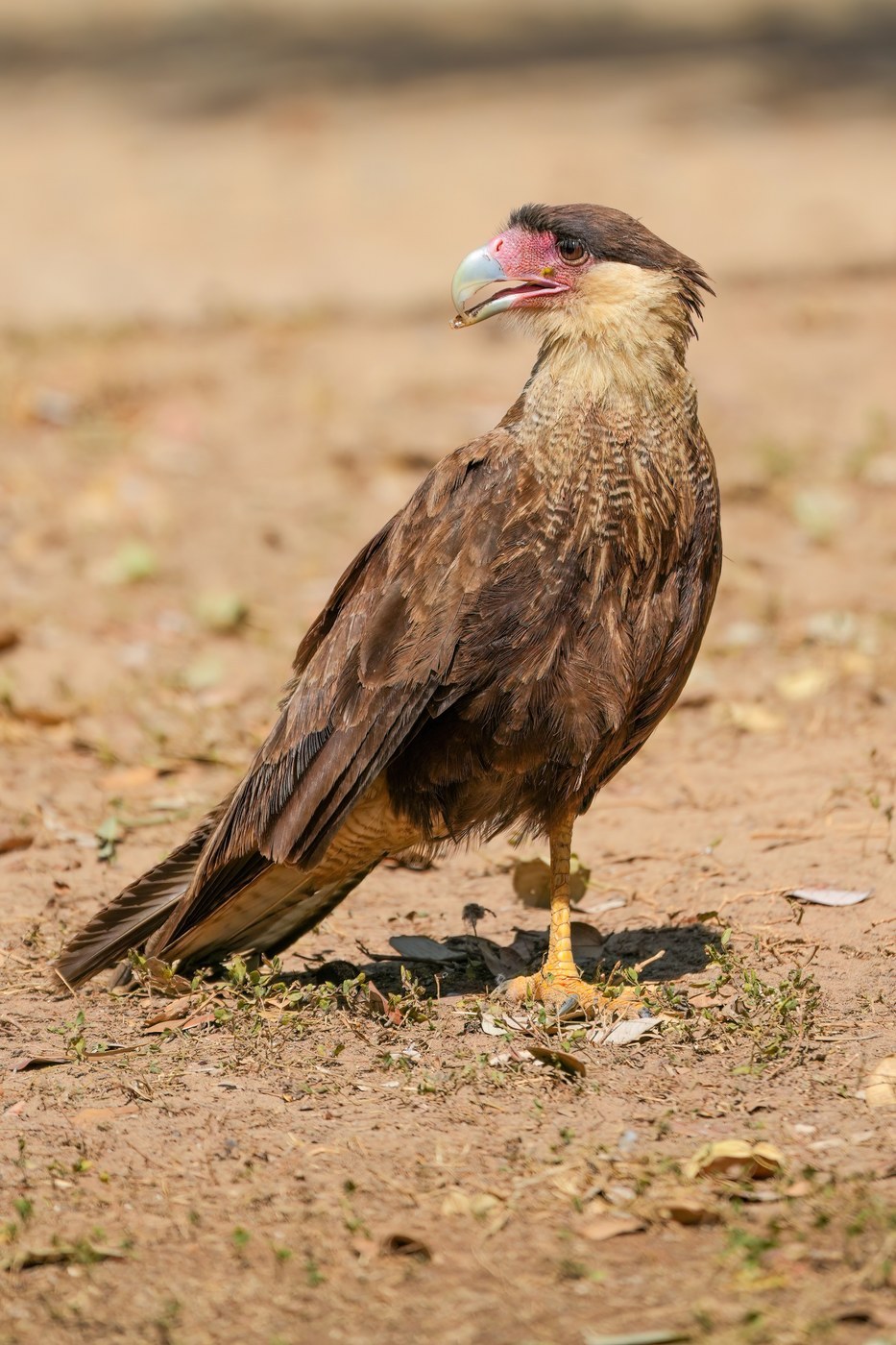
Crested Caracara
Caracara plancus
A bold, long-legged raptor with a black cap and bare orange face, often seen walking on the ground scavenging alongside vultures.
- Size
- 49-58 cm (19-23 in) long, about 122 cm (48 in) wingspan
- Habitat
- open grasslands, prairies, savanna, and ranchland
- Type
- raptor
Spotted a bird like this?
Identify any bird from a photo, free.
Overview
The Crested Caracara is an unusual, long-legged raptor with a distinctive appearance: a black cap, bare orange-to-red facial skin, a pale neck and upper breast, and a dark body with a white tail base and dark terminal band. Unlike most raptors, it is often seen walking or running on the ground rather than perched or soaring, using its long legs to forage and scavenge.
Sometimes called the "Mexican Eagle" and featured on the coat of arms of Mexico, this species is a true generalist, equally comfortable scavenging carrion alongside vultures, hunting small live prey, or stealing food from other birds.
How to identify it
Key Field Marks
- Black cap contrasting with bare orange to reddish facial skin and a pale, cream-colored neck
- Dark brown body with a white tail base and broad dark terminal tail band
- Long yellow-orange legs, unusual among raptors for frequent ground-walking
- Often seen on the ground or perched low, rather than soaring high like typical hawks
Similar Species
- Black Vulture: lacks the caracara's black cap, orange face, and pale neck, and has a bare gray (not orange) head.
- Turkey Vulture: has a bare red head but lacks the caracara's black cap and pale breast, and typically soars rather than walks on the ground.
Habitat & range
Range
In the United States, Crested Caracaras are found in Florida, Texas, and Arizona, with the range extending through Mexico, Central America, and much of South America.
Habitat
They favor open grasslands, prairies, savanna, and ranchland, often near scattered trees for perching and nesting, and are frequently seen along roadsides and open fields.
Behavior & voice
Foraging
Crested Caracaras are opportunistic feeders, walking on the ground to search for insects and small animals, scavenging carrion often alongside vultures (sometimes displacing them at a carcass), and occasionally hunting live prey directly.
Voice
The caracara's call is a harsh, rattling cackle, often given with the head thrown back over the shoulders in a distinctive display.
Nesting
Nests are large, bulky stick structures built in trees, palms, or cacti. Clutches typically contain two to three eggs, and pairs may remain together and defend the same territory year-round.
Frequently asked questions
Why is the Crested Caracara called the Mexican Eagle?
It has long been a national symbol of Mexico and appears on the country's coat of arms, though it is a member of the falcon family rather than a true eagle.
Does the Crested Caracara eat carrion?
Yes, it is an opportunistic scavenger that readily feeds on carrion alongside vultures, in addition to hunting insects and small live vertebrates.
Where can Crested Caracaras be seen in the United States?
They are found in open grassland and ranchland habitats in Florida, Texas, and Arizona.
Why does the Crested Caracara walk on the ground so much?
Its long legs are well suited to walking and running while foraging for insects and small prey, a behavior much less common among other raptors.
Crested Caracara guides
In-depth guides for identifying, finding, and understanding Crested Caracara.
Other birds you may enjoy
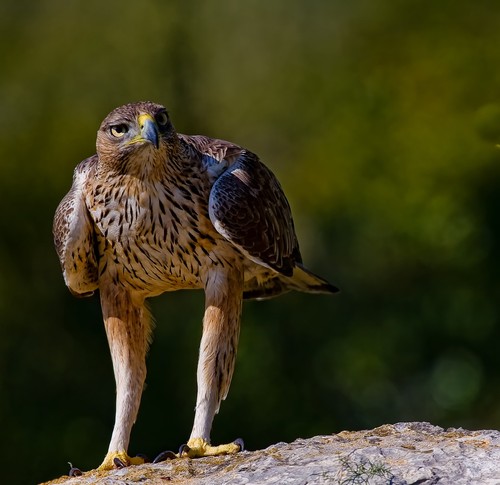
Bonelli's Eagle
Body 65–72 cm (26–28 in); wingspan 150–180 cm (59–71 in)
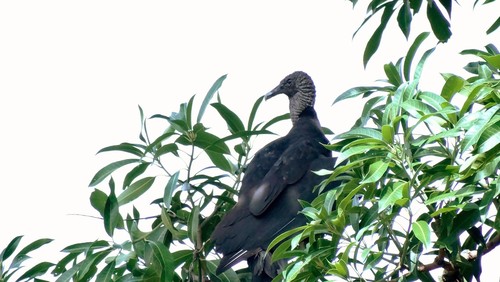
Black Vulture
56-68 cm (22-27 in) long, 137-165 cm wingspan
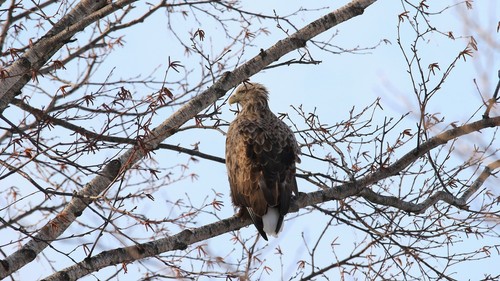
White-tailed Eagle
66-94 cm body length; wingspan 178-245 cm, among the largest eagles in the world
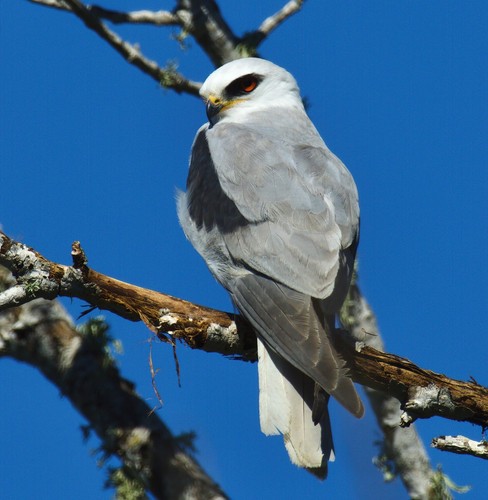
White-tailed Kite
35-43 cm (14-17 in) long, 88-102 cm (35-40 in) wingspan
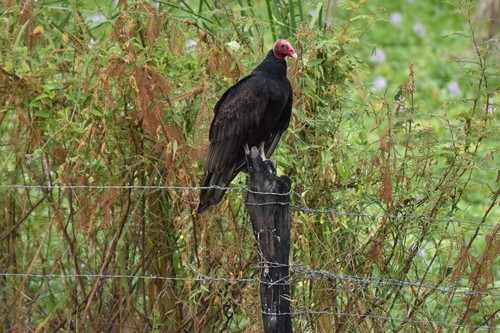
Turkey Vulture
64-81 cm (25-32 in) long, 160-183 cm wingspan
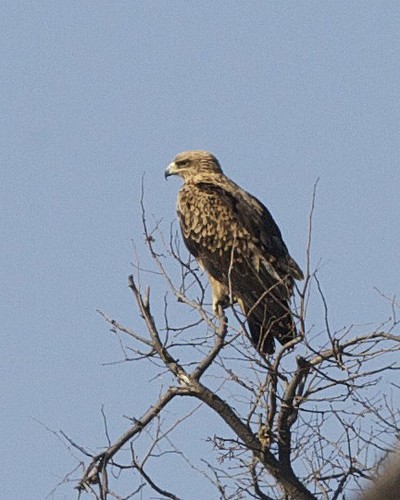
Tawny Eagle
62–75 cm long; wingspan 1.65–2.0 m
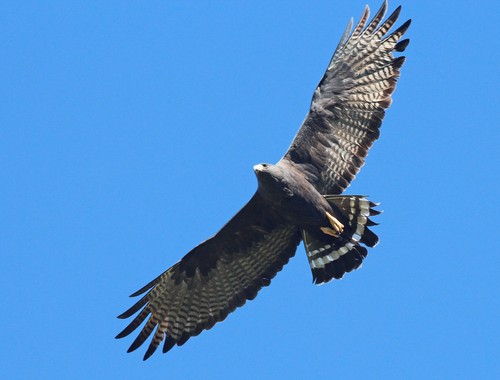
Zone-tailed Hawk
46-56 cm (18-22 in) long, 118-140 cm (46-55 in) wingspan
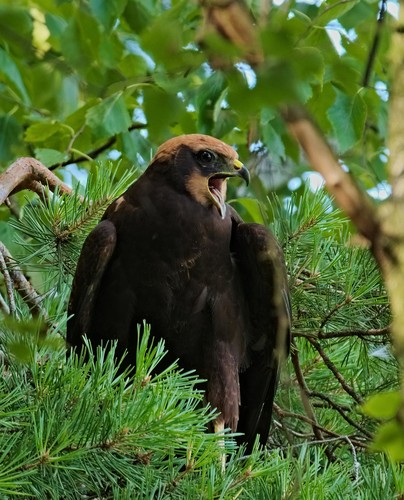
Western Marsh Harrier
Body 43-56 cm; wingspan 115-140 cm
Swallow-tailed Kite
48-68 cm (19-27 in) long including tail streamers, 112-136 cm (44-54 in) wingspan
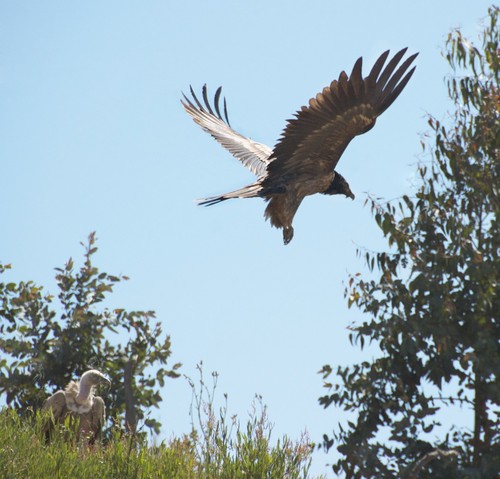
White-backed Vulture
78-98 cm long, wingspan 1.96-2.25 m
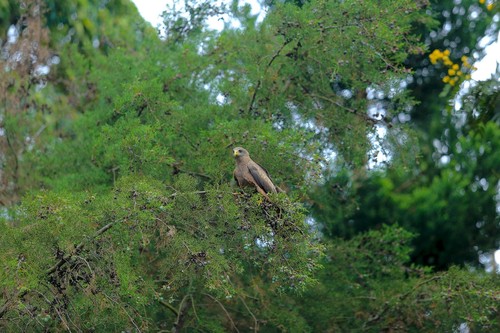
Yellow-billed Kite
55-60 cm long; wingspan 130-155 cm
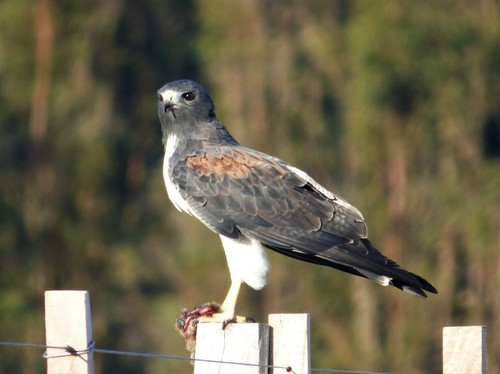
White-tailed Hawk
46-59 cm (18-23 in) long, 122-142 cm (48-56 in) wingspan