
Common Teal
Anas crecca
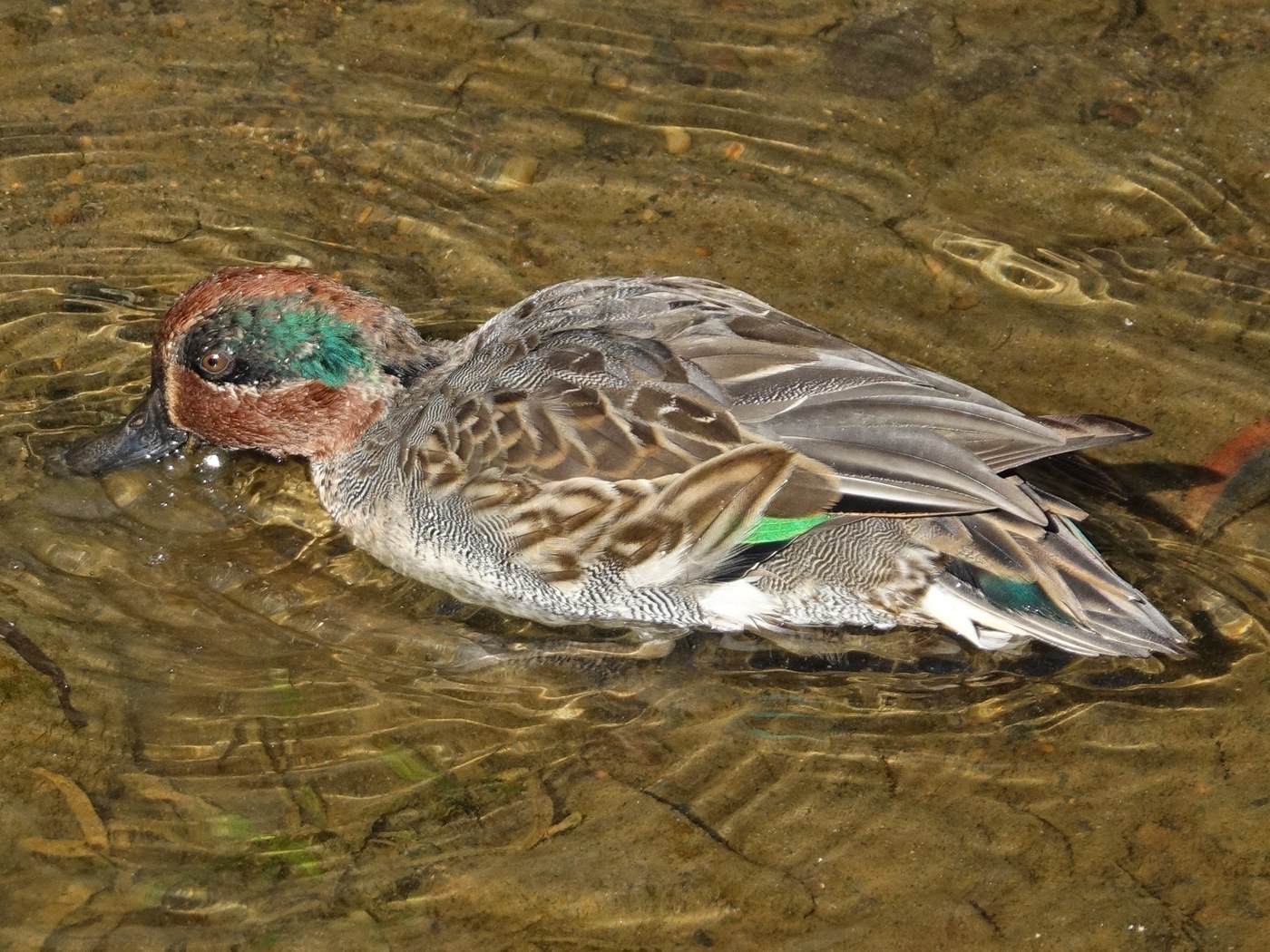
The smallest common dabbling duck of Eurasia, with breeding males showing a chestnut head and an iridescent green eye patch.
- Size
- 34-38 cm (13-15 in) long, 53-59 cm wingspan
- Habitat
- shallow wetlands, marshes, flooded fields, and sheltered coastal estuaries
- Type
- waterfowl
Spotted a bird like this?
Identify any bird from a photo, free.
Overview
The Common Teal, also called the Eurasian Teal, is a small, compact dabbling duck, among the smallest waterfowl in its range. The breeding drake is handsomely patterned, with a rich chestnut head set off by a glossy green patch running from the eye to the nape, edged with a thin cream line, along with a grey body, a black-bordered creamy patch near the tail, and a horizontal white stripe along the flank.
Females are mottled brown overall, closely resembling other female dabbling ducks, but told by their small size and a distinctive green speculum (wing patch) visible in flight or at rest.
How to identify it
Key field marks
- Small size, noticeably smaller than Mallard
- Breeding drake: chestnut head, glossy green eye patch, grey body, black-bordered cream patch by the tail
- Female: mottled brown, best told by small size and green speculum bordered with buff
- Fast, agile flight, often flushing in tight, twisting flocks
Similar species
Females can be confused with other small female dabbling ducks such as Garganey, but Garganey shows a more contrasting head pattern with a pale eyebrow stripe. The male Common Teal's chestnut-and-green head is distinctive among Eurasian ducks.
Habitat & range
Range
Breeds across northern Europe and Asia; winters further south throughout temperate Europe, Africa, and southern Asia.
Habitat
Uses shallow, well-vegetated wetlands including marshes, flooded meadows, small ponds, and sheltered estuaries, favoring muddy margins for feeding.
Migration
A migratory species across most of its range, moving south in autumn to milder wintering wetlands and returning north to breed in spring; some populations in milder climates are resident.
Behavior & voice
Behavior
Gregarious outside the breeding season, forming large flocks on suitable wetlands, often mixing with other dabbling ducks. Noted for fast, agile, twisting flight when flushed.
Voice
Males give a distinctive, high, ringing "krik-krik" whistle; females give a soft, high-pitched quack.
Feeding
Dabbles and up-ends in shallow water, and forages on mud, feeding on seeds of aquatic and marsh plants along with small invertebrates such as insects and mollusks.
Nesting and breeding
Nests on the ground, usually well concealed in dense vegetation near water. Lays 8-11 eggs, incubated by the female alone; ducklings are precocial and leave the nest soon after hatching.
Frequently asked questions
How can you identify a male Common Teal?
Look for a chestnut head with a glossy green eye patch, grey body, and a cream patch bordered in black near the tail.
Is the Common Teal the smallest duck in Europe?
It is among the smallest dabbling ducks in Eurasia, noticeably smaller than a Mallard.
What is the difference between Common Teal and Green-winged Teal?
The North American Green-winged Teal (often treated as a subspecies or close relative) lacks the horizontal white flank stripe of the Common Teal and instead shows a vertical white bar on the shoulder.
What do Common Teal eat?
They feed on seeds of aquatic and marsh plants along with small invertebrates, dabbling and up-ending in shallow water or foraging on exposed mud.
Common Teal guides
In-depth guides for identifying, finding, and understanding Common Teal.
Other birds you may enjoy
Red-necked Grebe
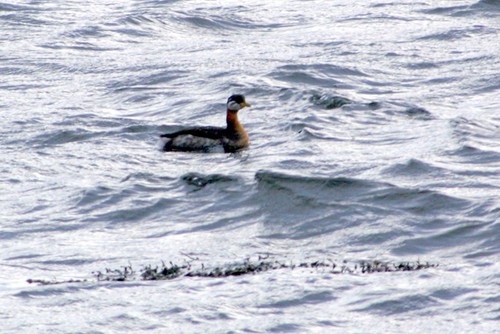
40-55 cm (16-22 in) long, 77-85 cm wingspan
Horned Grebe
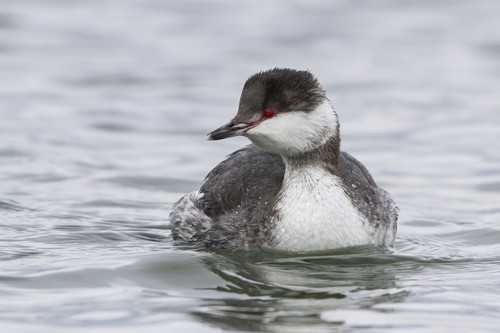
31-38 cm (12-15 in) long, 46-55 cm wingspan
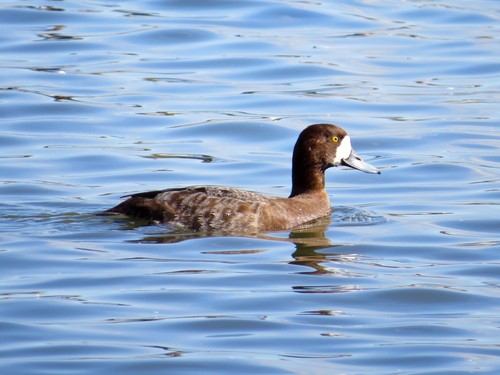
Greater Scaup
42-51 cm (16.5-20 in) long, 71-84 cm wingspan
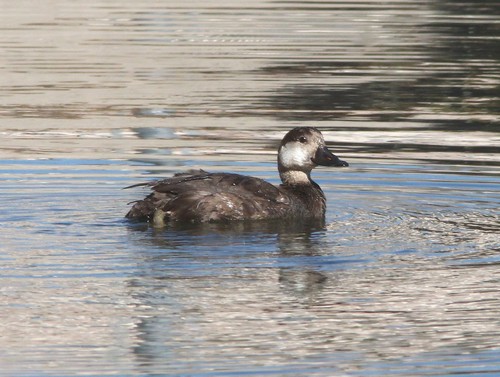
Black Scoter
43-54 cm (17-21 in) long, 79-90 cm wingspan
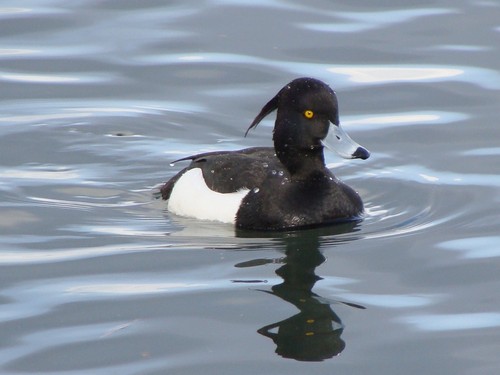
Tufted Duck
40-47 cm (16-18.5 in) long, 67-73 cm wingspan
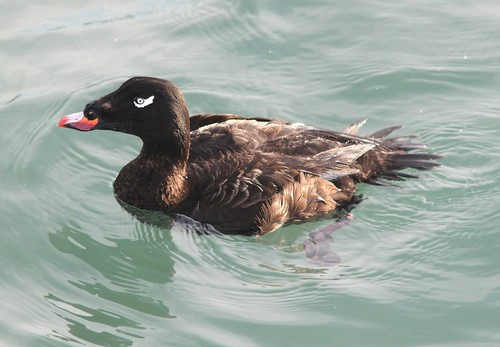
White-winged Scoter
48-58 cm (19-23 in) long, 86-99 cm wingspan
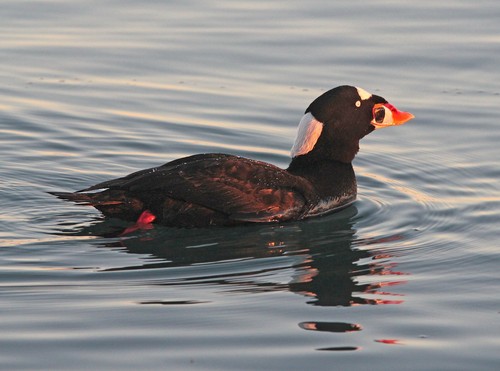
Surf Scoter
45-56 cm (18-22 in) long, 78-92 cm wingspan
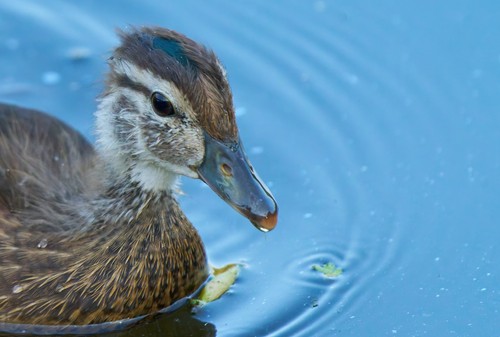
Wood Duck
47-54 cm (18.5-21 in) long, 66-73 cm wingspan
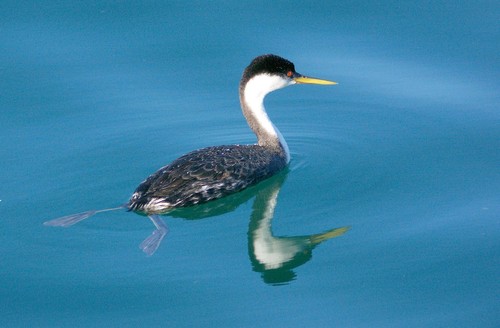
Western Grebe
56-74 cm (22-29 in) long, 79-102 cm wingspan
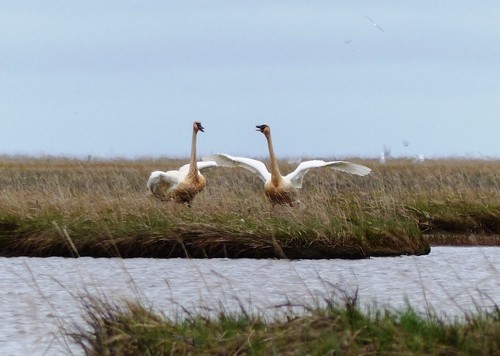
Tundra Swan
115-150 cm (45-59 in) long, about 180 cm wingspan
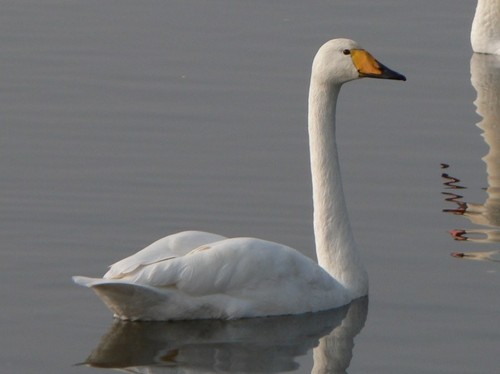
Whooper Swan
140-165 cm (55-65 in) long, 205-235 cm wingspan
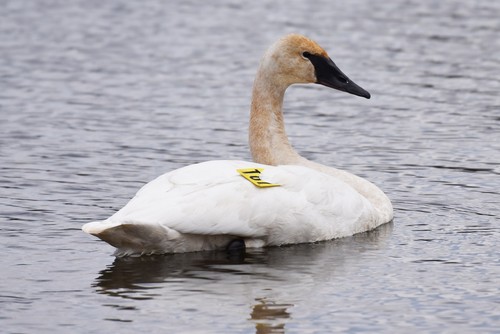
Trumpeter Swan
150-180 cm (59-71 in) long, up to 300 cm wingspan