
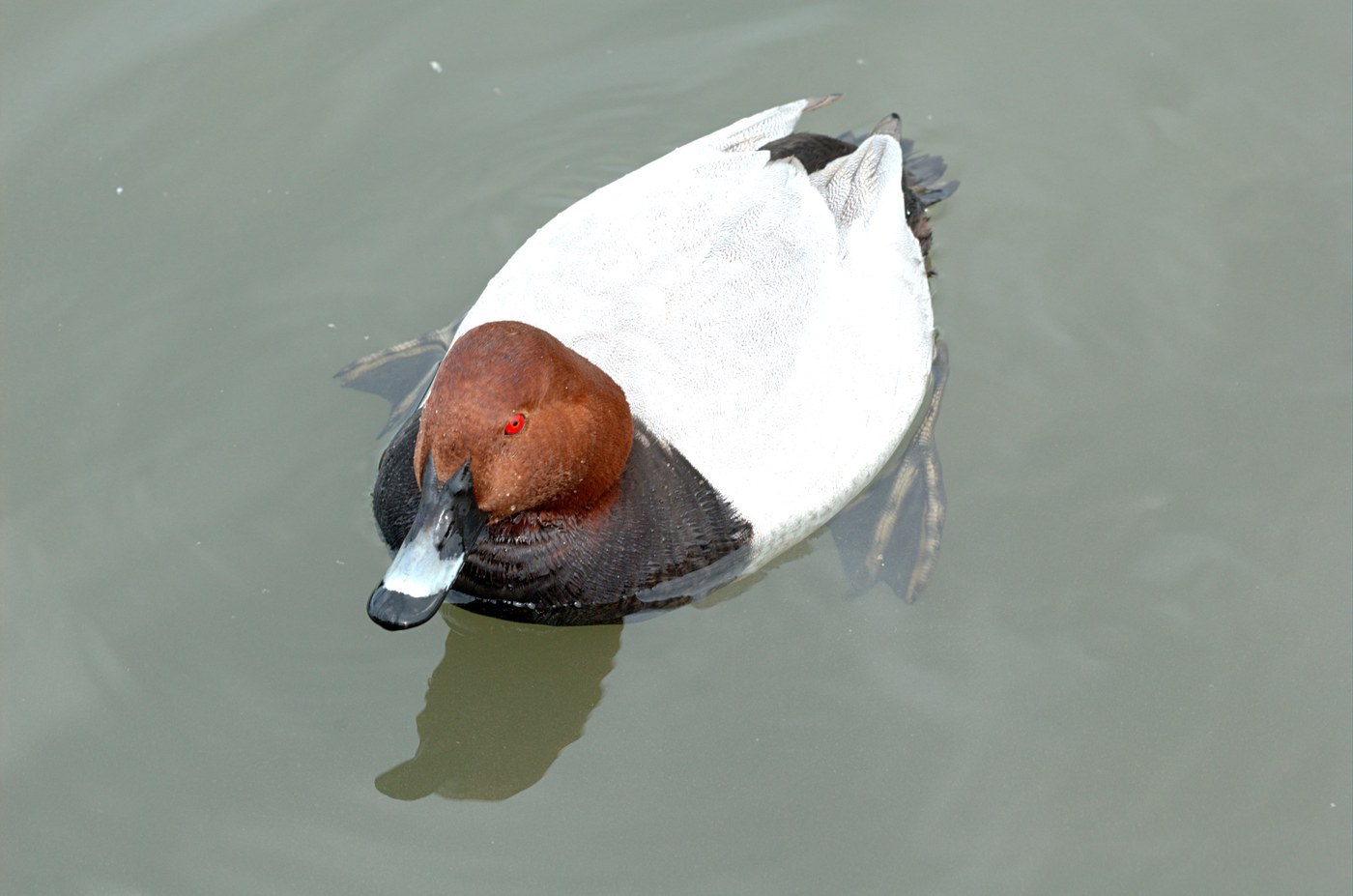
Common Pochard
Aythya ferina
A diving duck with a rounded chestnut head, red eye, and pale grey body in the male, often seen in large rafts on open lakes.
- Size
- 42-49 cm (16.5-19 in) long, 72-82 cm wingspan
- Habitat
- lakes, reservoirs, and slow rivers with open water
- Type
- waterfowl
Spotted a bird like this?
Identify any bird from a photo, free.
Overview
The Common Pochard is a medium-sized diving duck with a distinctively rounded head profile and a sloping bill. Breeding males are strikingly patterned: a bright chestnut-red head, a black breast and tail, and a pale, finely vermiculated grey body that appears almost silvery-white at a distance, with a bright red eye adding a further splash of color.
Females are far more subdued, an overall greyish-brown with a paler face and throat, but retain the characteristic rounded head shape and sloping forehead-to-bill profile shared with other Aythya diving ducks.
How to identify it
Key field marks
- Rounded head with a sloping forehead merging smoothly into the bill
- Male: chestnut-red head, red eye, black breast and tail, pale grey body
- Female: greyish-brown overall with a paler face, dark eye
- Sits low in the water and dives frequently to feed
Similar species
The male Pochard's chestnut head and grey body distinguish it from similarly diving Tufted Duck (which is blackish with white flanks and a drooping crest) and Redhead (a North American look-alike with a steeper forehead).
Habitat & range
Range
Breeds across much of Europe and temperate Asia; winters further south and west, including around the Mediterranean and in parts of Africa and southern Asia.
Habitat
Favors open freshwater lakes, reservoirs, and slow-flowing rivers with sufficient depth for diving, often with fringing vegetation for nesting.
Migration
A migratory species over most of its range, forming large wintering flocks (rafts) on suitable lakes and reservoirs; some populations are resident where winters are mild.
Behavior & voice
Behavior
A proficient diver, feeding well below the surface and often forming large, tightly packed rafts of hundreds or thousands of birds on wintering lakes.
Voice
Generally quiet; males give a wheezy, whistling call during courtship displays, while females give a harsh growling note.
Feeding
Dives to feed on aquatic plants, seeds, and small invertebrates such as mollusks and insect larvae from the lake or river bed.
Nesting and breeding
Nests on the ground close to water, well hidden in dense waterside vegetation. Lays 8-10 eggs, incubated by the female alone.
Frequently asked questions
What does a male Common Pochard look like?
It has a chestnut-red head, a red eye, a black breast and tail, and a pale grey body.
Why is the Common Pochard's conservation status Vulnerable?
Population declines linked to habitat loss, degraded wetlands, and other pressures across its breeding and wintering range have led to its Vulnerable classification.
How does the Common Pochard feed?
It is a diving duck, submerging to feed on aquatic plants, seeds, and small invertebrates on the bottom of lakes and rivers.
Where can large flocks of Common Pochard be seen?
They often gather in large rafts on open lakes and reservoirs during the non-breeding season.
Common Pochard guides
In-depth guides for identifying, finding, and understanding Common Pochard.
Other birds you may enjoy
Red-necked Grebe
40-55 cm (16-22 in) long, 77-85 cm wingspan
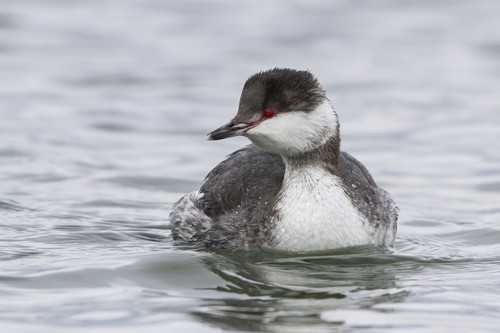
Horned Grebe
31-38 cm (12-15 in) long, 46-55 cm wingspan
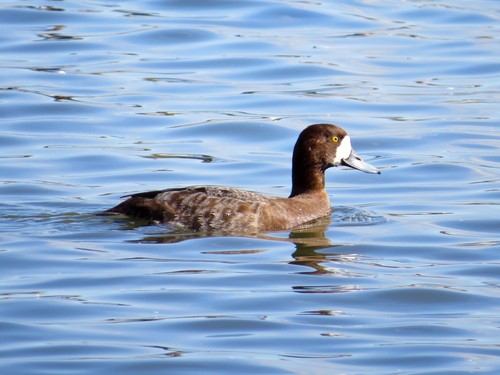
Greater Scaup
42-51 cm (16.5-20 in) long, 71-84 cm wingspan
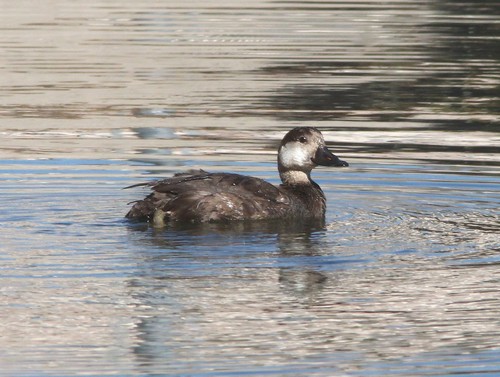
Black Scoter
43-54 cm (17-21 in) long, 79-90 cm wingspan
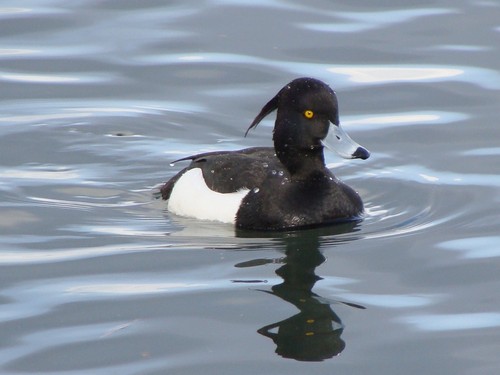
Tufted Duck
40-47 cm (16-18.5 in) long, 67-73 cm wingspan
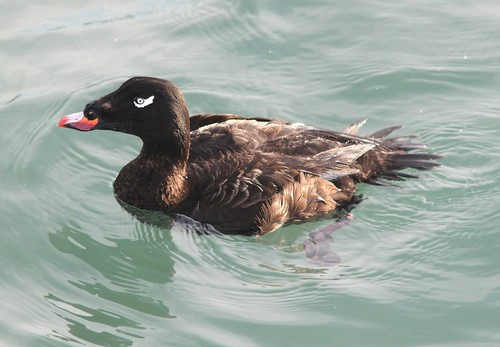
White-winged Scoter
48-58 cm (19-23 in) long, 86-99 cm wingspan
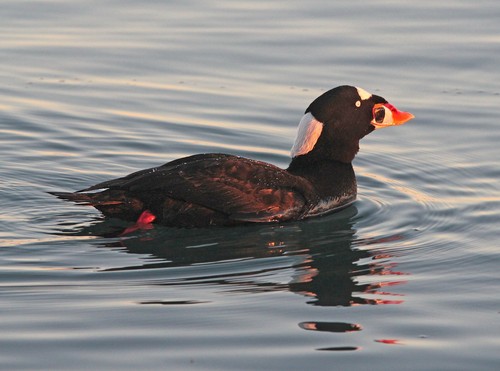
Surf Scoter
45-56 cm (18-22 in) long, 78-92 cm wingspan
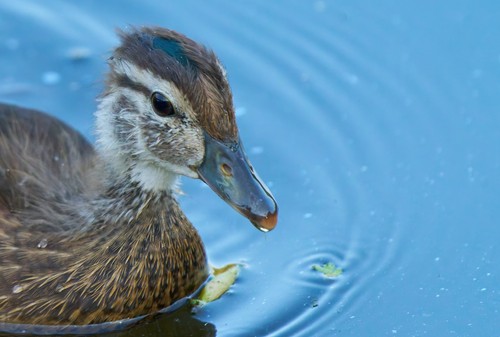
Wood Duck
47-54 cm (18.5-21 in) long, 66-73 cm wingspan
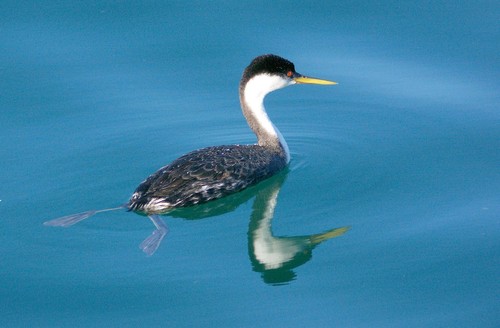
Western Grebe
56-74 cm (22-29 in) long, 79-102 cm wingspan
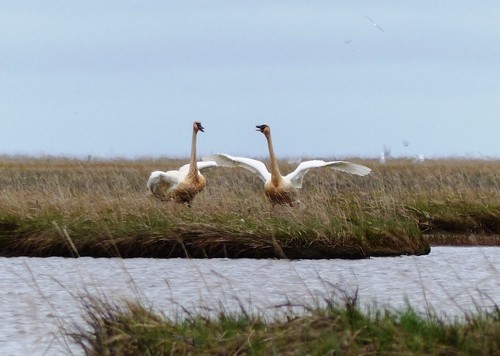
Tundra Swan
115-150 cm (45-59 in) long, about 180 cm wingspan
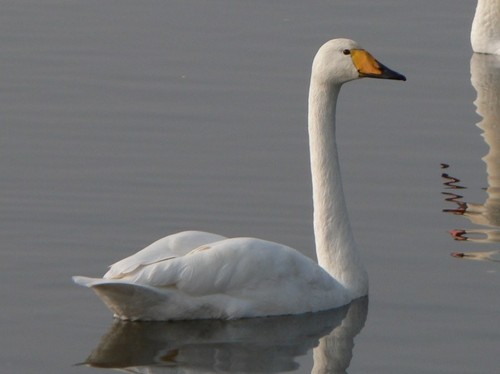
Whooper Swan
140-165 cm (55-65 in) long, 205-235 cm wingspan
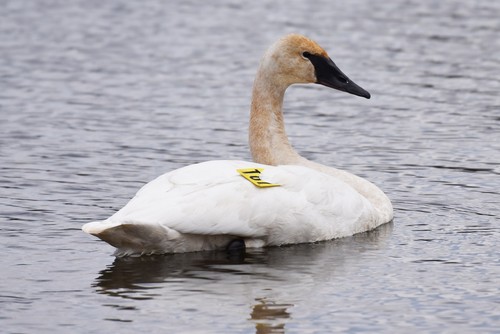
Trumpeter Swan
150-180 cm (59-71 in) long, up to 300 cm wingspan