
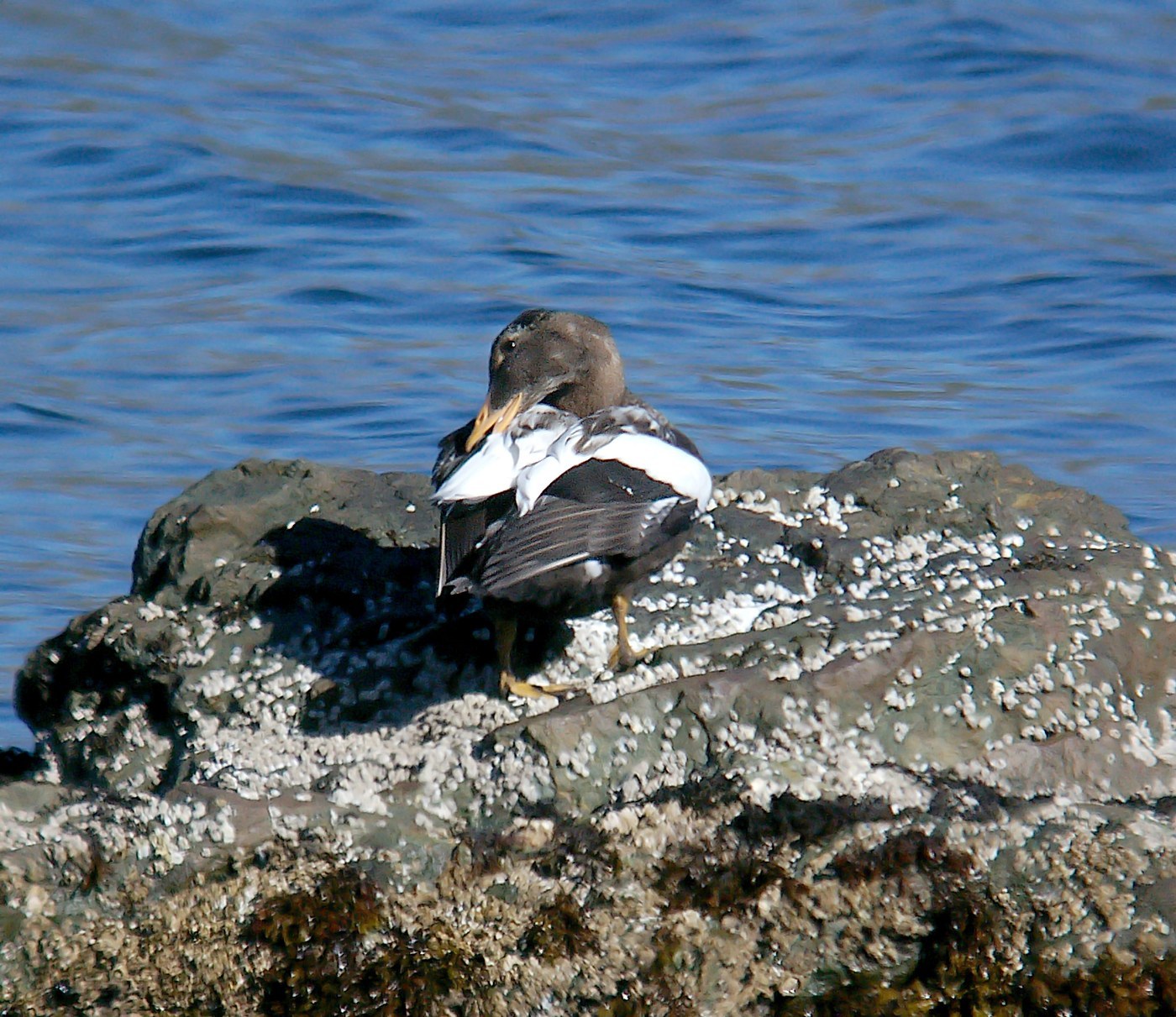
Common Eider
Somateria mollissima
A large, bulky sea duck of northern coasts, males boldly patterned black-and-white with a pale green nape and famous for their soft down.
- Size
- 50-71 cm (20-28 in) long, 80-108 cm wingspan
- Habitat
- rocky coastlines, offshore waters, arctic and subarctic coasts
- Type
- waterfowl
Spotted a bird like this?
Identify any bird from a photo, free.
Overview
The Common Eider is a heavyset, thick-necked sea duck of northern coastlines, famous for the soft down feathers females use to line their nests. Breeding males are boldly patterned: a white back and breast, black belly and flanks, a black cap, and a pale mint-green wash on the nape, with a distinctive sloping profile created by the bill running smoothly into the forehead. Females are warm brown, densely barred all over for camouflage on the nest.
As the largest duck in the Northern Hemisphere by bulk, the Common Eider is built for a life on cold, rough seas, riding low and buoyant on the waves and diving to pry mollusks from rocky or sandy seabeds.
How to identify it
Key field marks
- Large, bulky body with a distinctive wedge-shaped head profile where the bill slopes directly into a flat forehead
- Breeding male: white chest and back, black belly, black cap, pale green nape patch
- Female: warm brown with fine dark barring overall, same sloped head/bill shape
- Flies low over water in long lines with slow, steady wingbeats
Similar species
The King Eider male has a gray-blue head, orange bill shield, and black (not white) back, quite different overall; female King Eiders are more rufous and less coarsely barred than female Common Eiders, and have a shorter bill without the sloped profile.
Habitat & range
Common Eiders breed colonially along rocky and sandy Arctic and subarctic coastlines around the Northern Hemisphere, nesting on islands and sheltered shorelines close to the sea. They are highly marine, rarely straying far from salt water, and winter in large rafts on nearshore ocean waters, bays, and ice edges where mollusk beds remain accessible.
Behavior & voice
Behavior
Eiders dive to the seabed to pry loose mussels and other shellfish, swallowing them whole and crushing them in a muscular gizzard. They often gather in large, dense flocks on the water.
Voice
Males give a distinctive, far-carrying moaning "ah-OOO" during courtship; females give low, guttural quacks.
Feeding
Mussels and other mollusks form the bulk of the diet, along with crustaceans and echinoderms, obtained by diving in nearshore waters.
Nesting
Nests in dense colonies on coastal islands and tundra; females line the nest with their own soft breast down, and incubate alone for about 24-26 days, fasting for much of that time.
Frequently asked questions
Why is eider down famous?
Female Common Eiders pluck their own breast down to line the nest, and this exceptionally light, insulating down has long been prized for bedding and outerwear.
How can you identify a male Common Eider?
Look for a white chest and back, black belly and cap, a pale green nape patch, and a distinctive sloped head/bill profile.
What do Common Eiders eat?
Mainly mussels and other mollusks, plus crustaceans and echinoderms, obtained by diving to the seabed.
Are Common Eiders found inland?
No, they are strongly marine and are almost always found on or near salt water along coastlines.
Common Eider guides
In-depth guides for identifying, finding, and understanding Common Eider.
Other birds you may enjoy
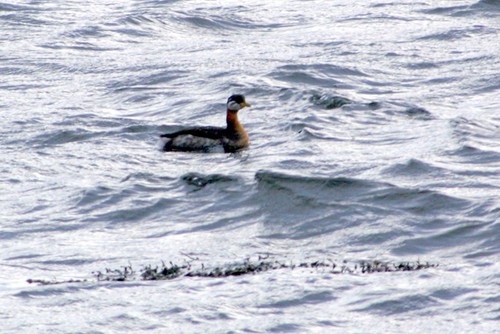
Red-necked Grebe
40-55 cm (16-22 in) long, 77-85 cm wingspan
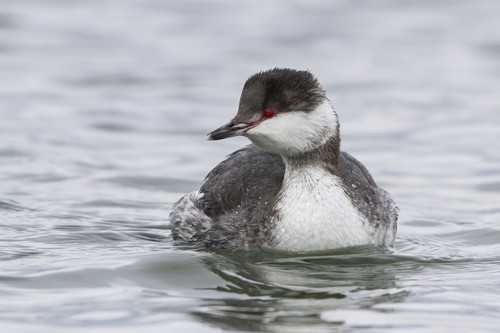
Horned Grebe
31-38 cm (12-15 in) long, 46-55 cm wingspan
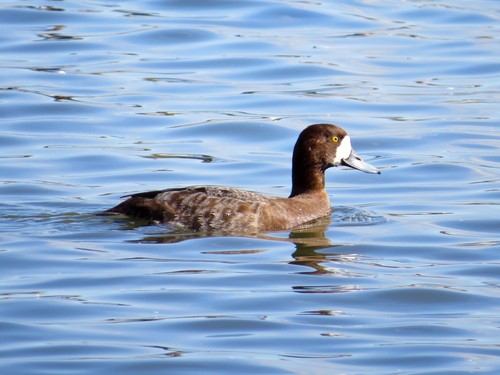
Greater Scaup
42-51 cm (16.5-20 in) long, 71-84 cm wingspan
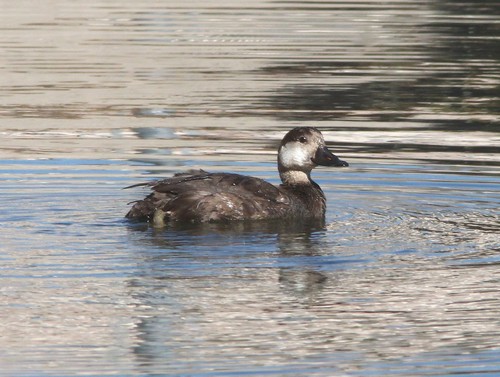
Black Scoter
43-54 cm (17-21 in) long, 79-90 cm wingspan
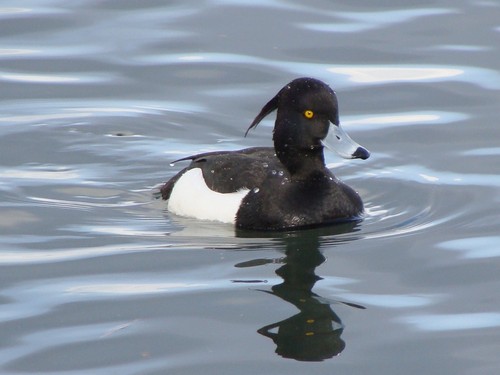
Tufted Duck
40-47 cm (16-18.5 in) long, 67-73 cm wingspan
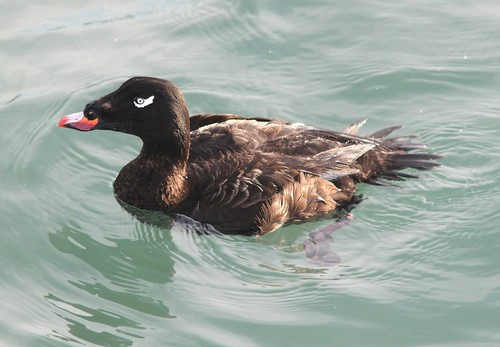
White-winged Scoter
48-58 cm (19-23 in) long, 86-99 cm wingspan
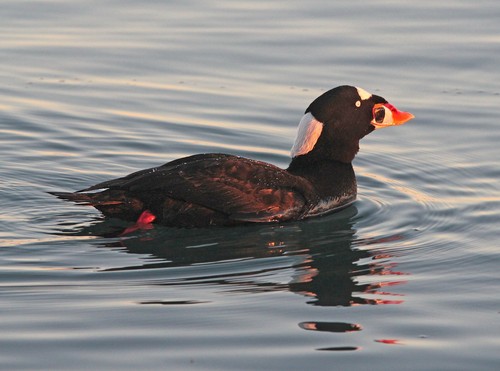
Surf Scoter
45-56 cm (18-22 in) long, 78-92 cm wingspan
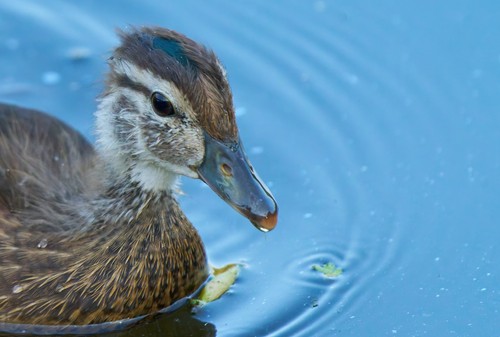
Wood Duck
47-54 cm (18.5-21 in) long, 66-73 cm wingspan
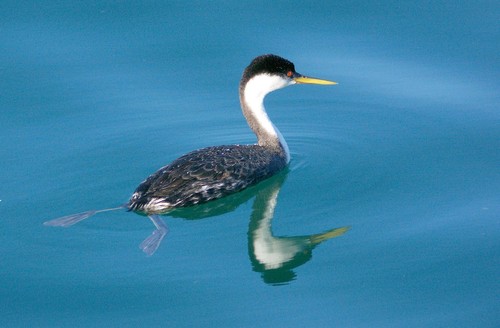
Western Grebe
56-74 cm (22-29 in) long, 79-102 cm wingspan
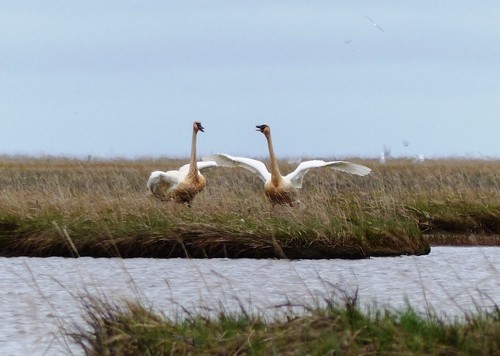
Tundra Swan
115-150 cm (45-59 in) long, about 180 cm wingspan
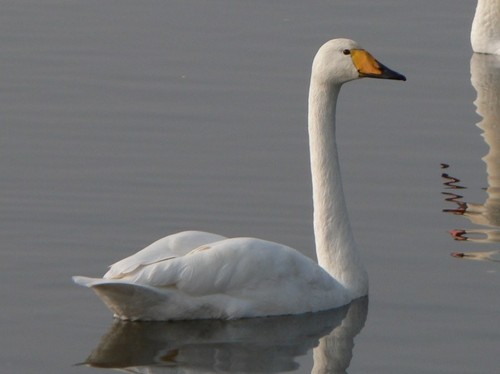
Whooper Swan
140-165 cm (55-65 in) long, 205-235 cm wingspan
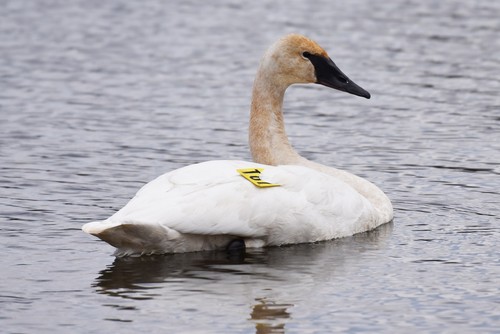
Trumpeter Swan
150-180 cm (59-71 in) long, up to 300 cm wingspan