
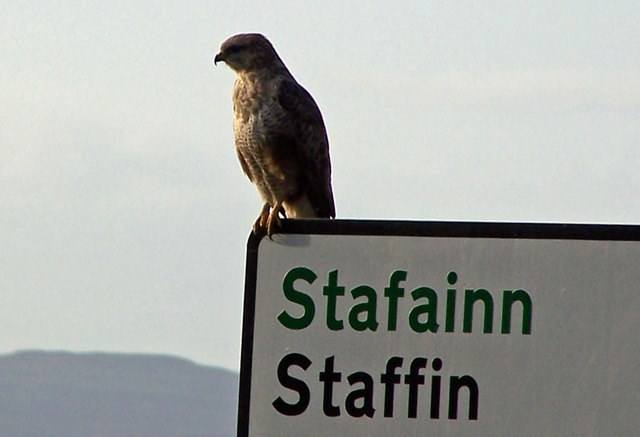
Common Buzzard
Buteo buteo
A broad-winged, soaring hawk of Europe and Asia with highly variable plumage, commonly seen circling over farmland and woodland edges.
- Size
- 51–57 cm long, wingspan 113–128 cm
- Habitat
- Woodland edges, farmland, and moorland across Europe and Asia
- Type
- raptor
Spotted a bird like this?
Identify any bird from a photo, free.
Overview
The Common Buzzard is a medium-large, broad-winged raptor and the most widespread and familiar bird of prey across much of Europe. It belongs to the genus Buteo, the same group as the Red-tailed Hawk in North America, and shares that group's stocky build and soaring habits.
Plumage is extremely variable, ranging from very pale, almost whitish birds to dark chocolate-brown individuals, with most showing a mottled brown back, streaked pale underparts, and a barred tail. This variability can make individual identification tricky, but the overall shape is distinctive.
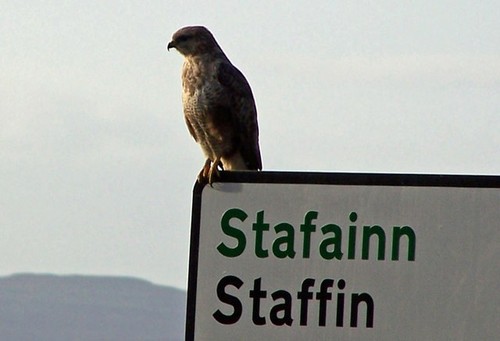
Buzzards are most often observed soaring in wide circles over open country or perched prominently on fence posts, poles, or bare trees scanning for prey.
How to identify it
Key field marks
- Broad, rounded wings held in a shallow V (dihedral) when soaring
- Short, fan-shaped tail, often finely barred
- Highly variable plumage from pale to dark brown
- Stocky build with a relatively short neck in flight
- Frequent soaring in circles, often mobbed by crows
Similar species
- Honey Buzzard: longer tail, smaller head, and different wing shape and flight action, with less frequent hovering-style soaring
- Rough-legged Buzzard: pale tail with a dark terminal band and habit of hovering, plus feathered legs
- Eagles: much larger with longer, more evenly broad wings and different proportions
Behavior cues
A buzzard's mewing call while soaring in wide circles over open ground, often harassed by crows, is a classic identification cue distinct from other raptors.
Habitat & range
Habitat
Found in a wide variety of open and semi-open habitats including farmland, woodland edges, moorland, and hillsides, generally avoiding dense unbroken forest and treeless open plains.
Range
Widespread across almost all of Europe and much of temperate Asia, from Britain and Ireland east through Russia; some populations extend into North Africa and the Middle East in winter.
Migration
Western and southern European populations are largely resident, while northern and eastern populations, especially those breeding in Scandinavia and Russia, are migratory, moving south to wintering grounds in southern Europe, the Middle East, and Africa.
Behavior & voice
Behavior
Common Buzzards are often solitary or in pairs, defending breeding territories, though migrating birds can form loose flocks or "kettles" riding thermals during migration.
Voice
A distinctive, plaintive mewing call, often rendered as "pee-yoo," frequently given while soaring and sounding somewhat cat-like.
Feeding
Hunts mainly small mammals such as voles and rabbits, along with birds, reptiles, and large insects; also readily takes carrion and earthworms, especially after rain or plowing.
Nesting and breeding
Builds a large stick nest in a tree or occasionally on a cliff ledge, reused and added to over years. Clutches typically contain 2–4 eggs, incubated mainly by the female while the male provides food.
Frequently asked questions
How do you identify a Common Buzzard?
Look for a stocky raptor with broad, rounded wings held in a shallow V while soaring, a short barred tail, and highly variable brown plumage.
What does a Common Buzzard sound like?
It gives a plaintive, cat-like mewing call, often rendered as "pee-yoo," typically while soaring.
What do Common Buzzards eat?
They mainly hunt small mammals like voles and rabbits, but also eat birds, carrion, and earthworms.
Why does buzzard plumage vary so much?
Common Buzzards show unusually wide individual plumage variation, from very pale to very dark birds, unrelated to age or sex.
Do Common Buzzards migrate?
Northern and eastern populations migrate south for winter, while western and southern European birds are largely resident.
Common Buzzard guides
In-depth guides for identifying, finding, and understanding Common Buzzard.
Other birds you may enjoy
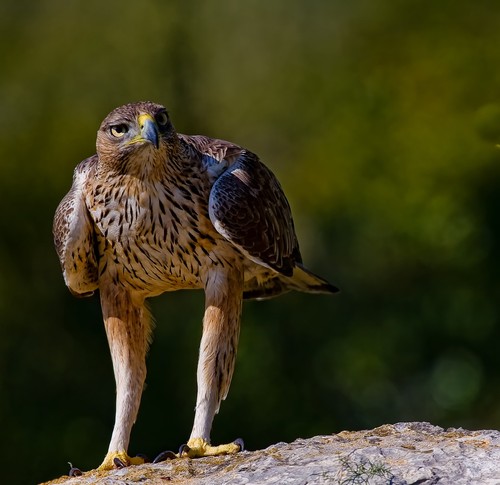
Bonelli's Eagle
Body 65–72 cm (26–28 in); wingspan 150–180 cm (59–71 in)
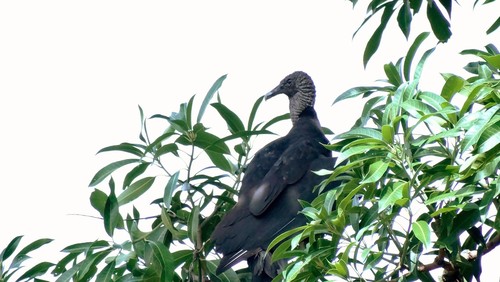
Black Vulture
56-68 cm (22-27 in) long, 137-165 cm wingspan
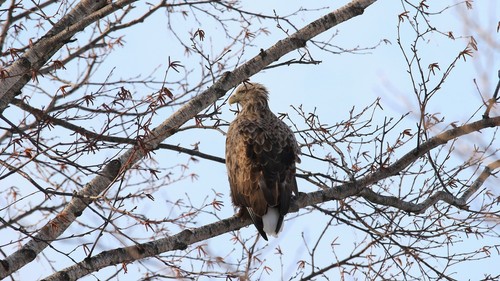
White-tailed Eagle
66-94 cm body length; wingspan 178-245 cm, among the largest eagles in the world
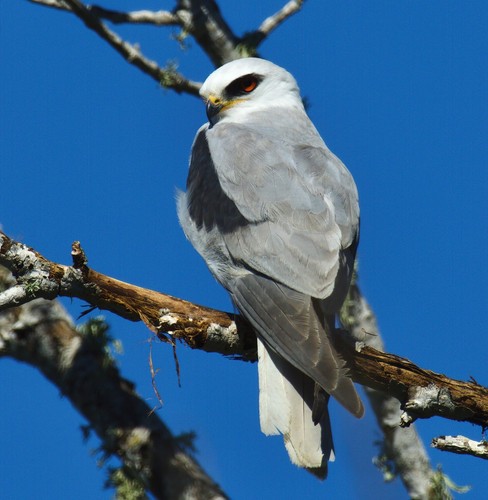
White-tailed Kite
35-43 cm (14-17 in) long, 88-102 cm (35-40 in) wingspan
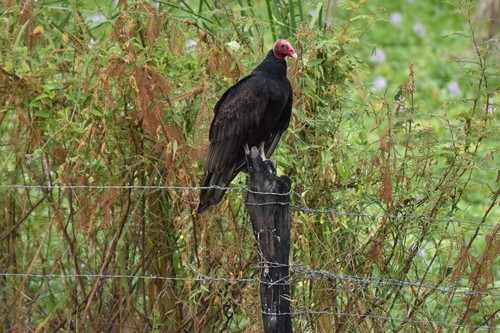
Turkey Vulture
64-81 cm (25-32 in) long, 160-183 cm wingspan
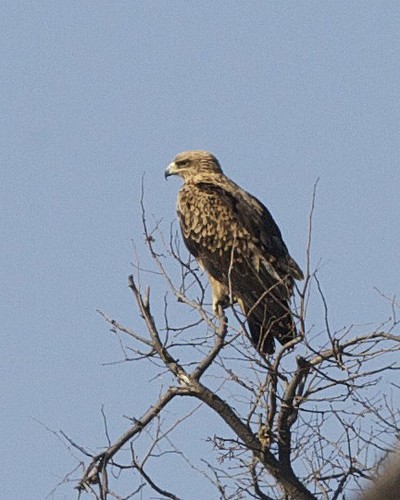
Tawny Eagle
62–75 cm long; wingspan 1.65–2.0 m
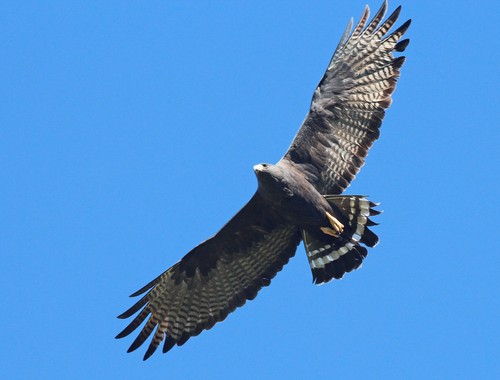
Zone-tailed Hawk
46-56 cm (18-22 in) long, 118-140 cm (46-55 in) wingspan
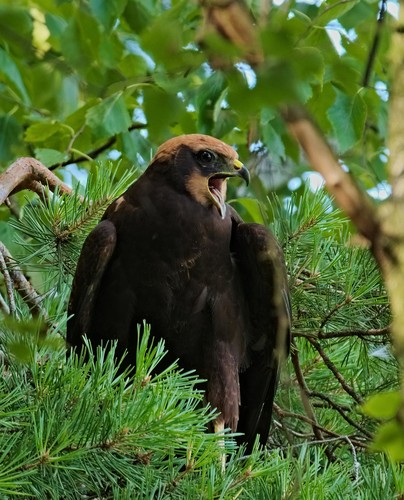
Western Marsh Harrier
Body 43-56 cm; wingspan 115-140 cm
Swallow-tailed Kite
48-68 cm (19-27 in) long including tail streamers, 112-136 cm (44-54 in) wingspan
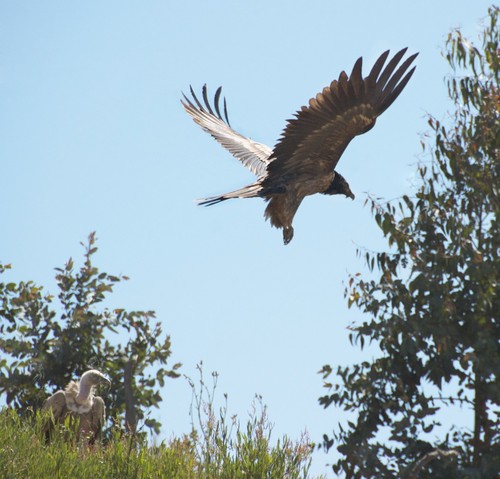
White-backed Vulture
78-98 cm long, wingspan 1.96-2.25 m
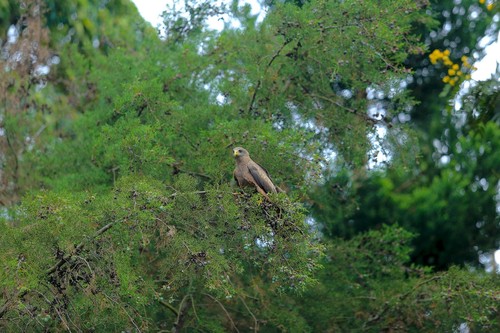
Yellow-billed Kite
55-60 cm long; wingspan 130-155 cm
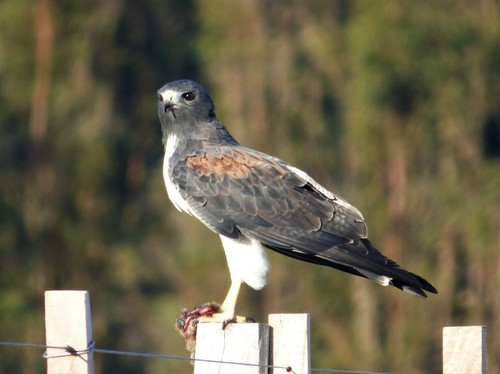
White-tailed Hawk
46-59 cm (18-23 in) long, 122-142 cm (48-56 in) wingspan