
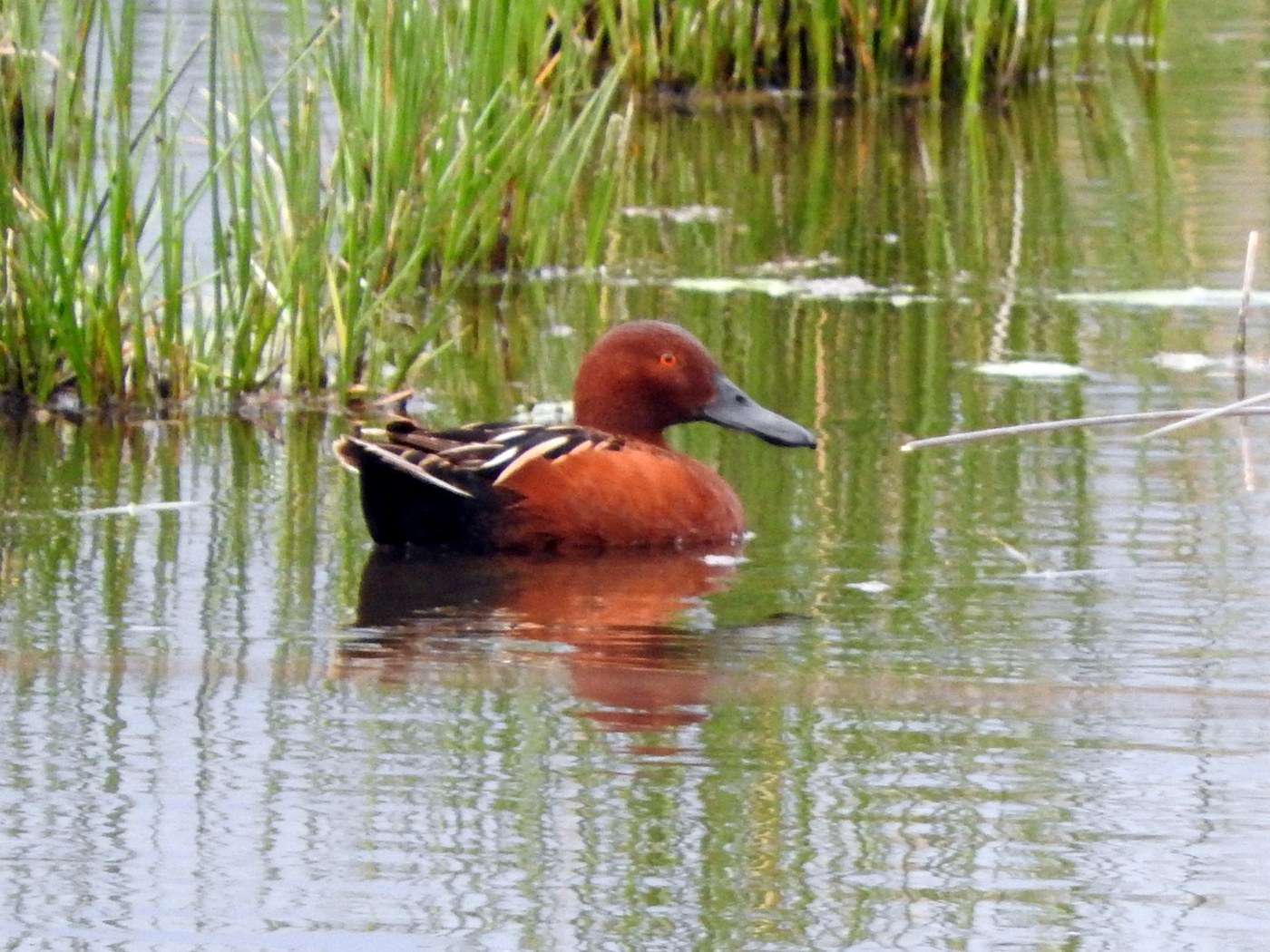
Cinnamon Teal
Spatula cyanoptera
A western dabbling duck whose drake is unmistakable with an all-over rich cinnamon-red body and a glowing red eye.
- Size
- 38-43 cm (15-17 in) long, 58-65 cm wingspan
- Habitat
- freshwater marshes, ponds, and wetlands of the western United States and Central/South America
- Type
- waterfowl
Spotted a bird like this?
Identify any bird from a photo, free.
Overview
The Cinnamon Teal is a small, western dabbling duck closely related to the Blue-winged Teal. The breeding drake is one of the most vividly colored ducks in North America, entirely deep rusty cinnamon-red across the head, neck, and body, with a striking red eye and a long, somewhat spatulate dark bill.
Females are mottled brown, closely resembling female Blue-winged Teal, with the two species best separated by subtle bill shape and facial pattern differences. Both sexes show a pale blue forewing patch in flight, shared with the Blue-winged Teal.
How to identify it
Key Field Marks
- Breeding drake: overall rich cinnamon-red body and head, red eye, long dark bill
- Female: mottled brown, closely resembling female Blue-winged Teal
- Pale blue forewing patch visible in flight on both sexes, bordered by a green speculum
- Bill slightly longer and more spatulate than Blue-winged Teal
Similar Species
Blue-winged Teal drakes are brown and spotted with a bold white facial crescent rather than solid cinnamon-red. Female Cinnamon and Blue-winged Teal are very similar; Cinnamon Teal tends to show a slightly longer, more spatulate bill and a plainer face pattern.
Habitat & range
Cinnamon Teal breed primarily in the western United States, favoring shallow freshwater marshes, ponds, and wetlands, often with alkaline or brackish influence, across the Great Basin, Central Valley, and interior West. The species also has resident populations in parts of Mexico, Central America, and South America.
North American breeders are migratory, wintering in Mexico and Central America, while southern populations may be largely non-migratory.
Behavior & voice
Cinnamon Teal feed by dabbling and tipping up in shallow water, taking seeds, aquatic plants, and invertebrates, often foraging in small flocks along marsh edges and shallow pond margins. Their spatulate bill shape suggests a diet somewhat intermediate between typical teal and the filter-feeding shovelers.
The male's call is a soft, chattering note, generally quieter than many other dabbling ducks. Nests are built on the ground in dense grass or marsh vegetation close to water, with females incubating a clutch of 6-12 eggs alone.
Frequently asked questions
How do you identify a male Cinnamon Teal?
Look for an entirely rich cinnamon-red body and head with a striking red eye, unlike any other regularly occurring North American duck.
How do Cinnamon and Blue-winged Teal females differ?
They are very similar, but female Cinnamon Teal tend to have a slightly longer, more spatulate bill and a plainer facial pattern than female Blue-winged Teal.
Where do Cinnamon Teal live?
They breed mainly in the western United States and are found year-round in parts of Mexico, Central America, and South America.
What do Cinnamon Teal eat?
They eat seeds, aquatic plants, and invertebrates found in shallow marshes and ponds.
Do Cinnamon Teal migrate?
North American breeding populations migrate south to Mexico and Central America for winter, while some southern populations are largely resident.
Cinnamon Teal guides
In-depth guides for identifying, finding, and understanding Cinnamon Teal.
Other birds you may enjoy

Red-necked Grebe
40-55 cm (16-22 in) long, 77-85 cm wingspan
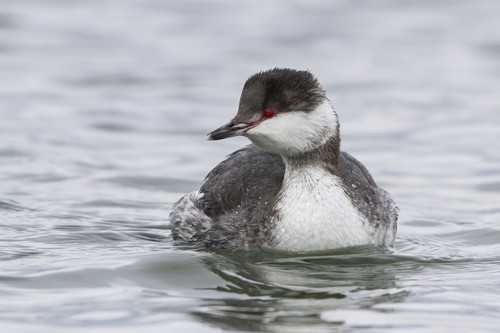
Horned Grebe
31-38 cm (12-15 in) long, 46-55 cm wingspan
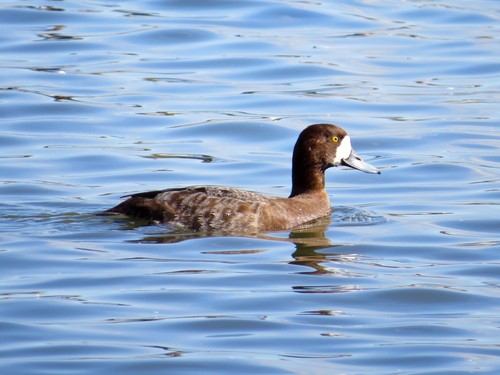
Greater Scaup
42-51 cm (16.5-20 in) long, 71-84 cm wingspan
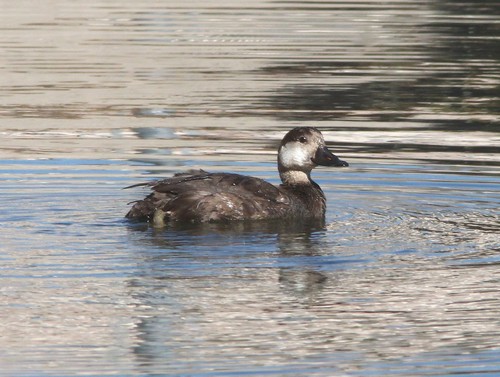
Black Scoter
43-54 cm (17-21 in) long, 79-90 cm wingspan
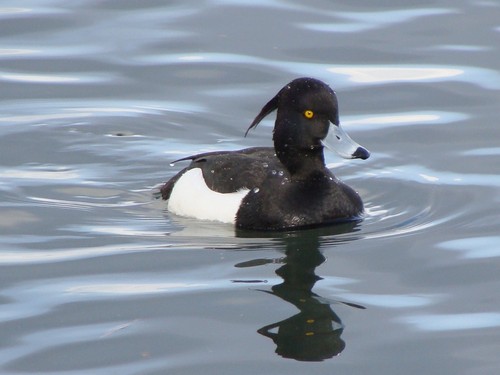
Tufted Duck
40-47 cm (16-18.5 in) long, 67-73 cm wingspan
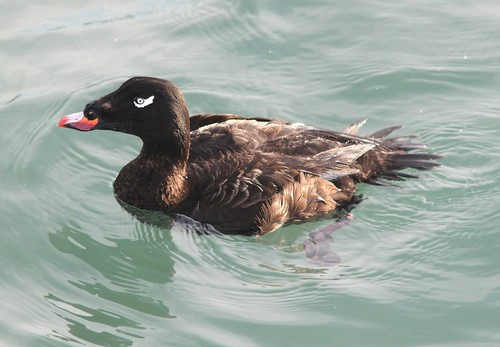
White-winged Scoter
48-58 cm (19-23 in) long, 86-99 cm wingspan
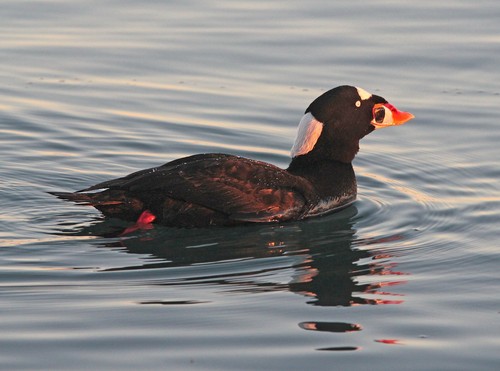
Surf Scoter
45-56 cm (18-22 in) long, 78-92 cm wingspan

Wood Duck
47-54 cm (18.5-21 in) long, 66-73 cm wingspan
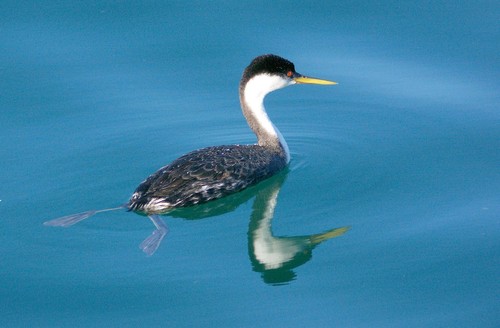
Western Grebe
56-74 cm (22-29 in) long, 79-102 cm wingspan
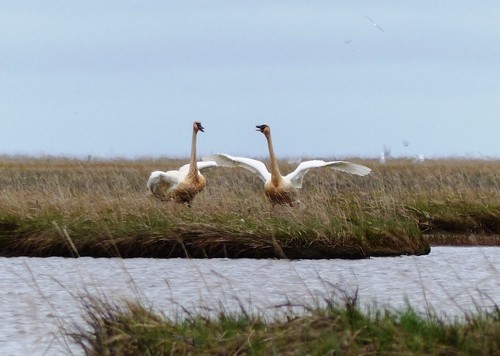
Tundra Swan
115-150 cm (45-59 in) long, about 180 cm wingspan
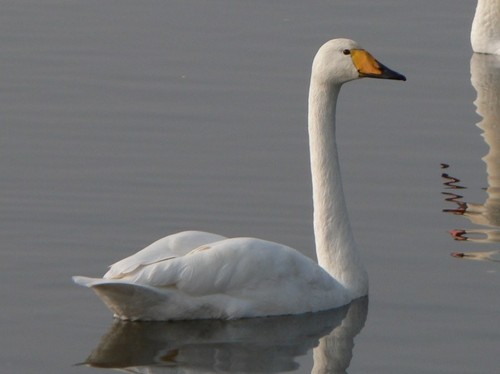
Whooper Swan
140-165 cm (55-65 in) long, 205-235 cm wingspan
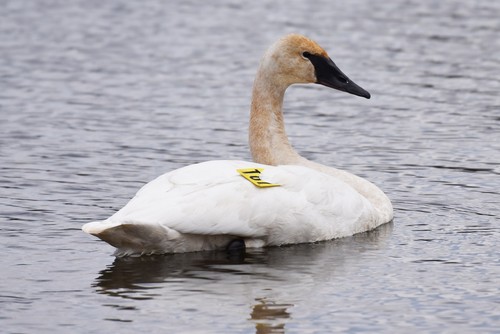
Trumpeter Swan
150-180 cm (59-71 in) long, up to 300 cm wingspan