
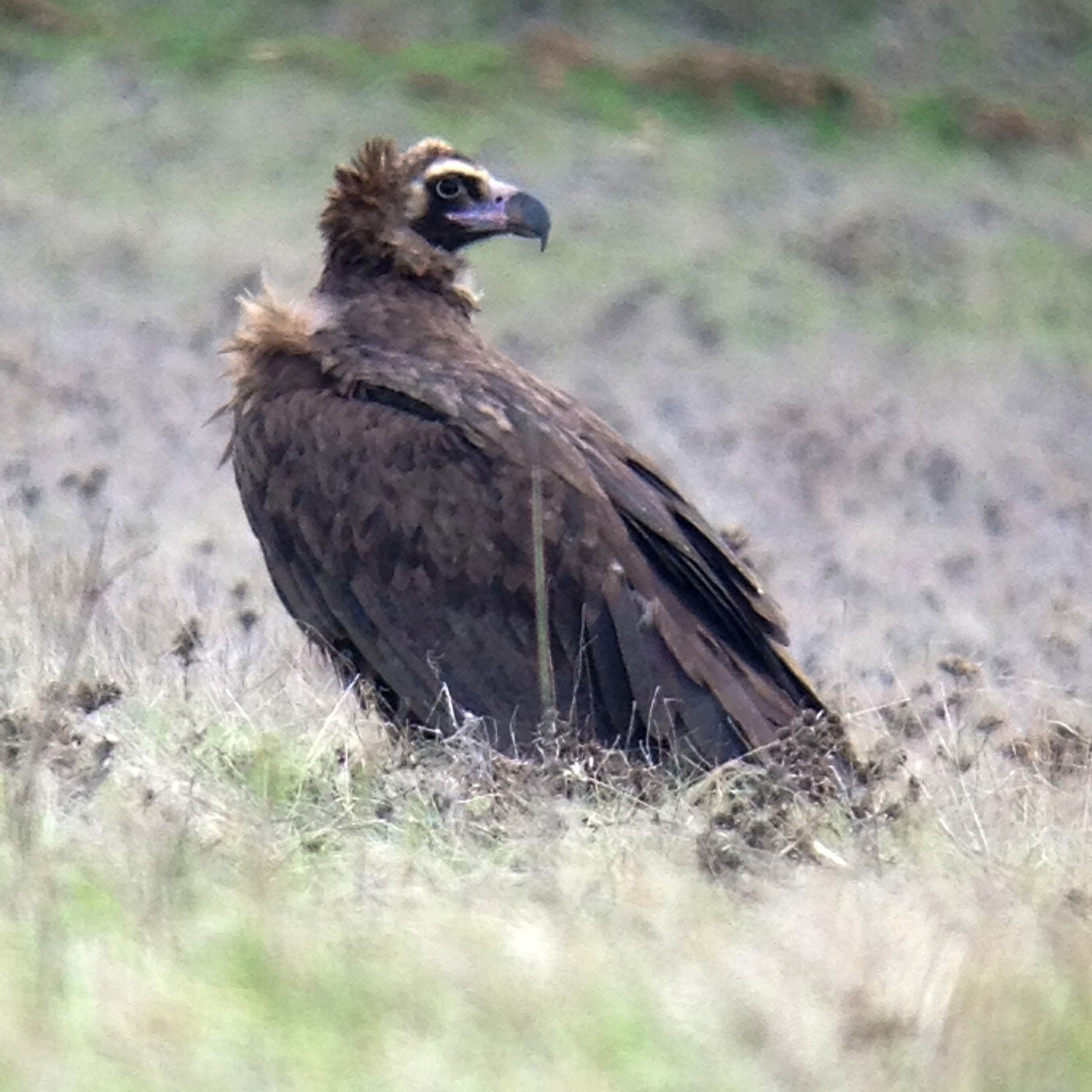
Cinereous Vulture
Aegypius monachus
One of the largest flying birds on Earth, a huge dark vulture of mountains and steppe from Iberia to East Asia.
- Size
- 98-120 cm long, wingspan 2.5-3.1 m
- Habitat
- Mountains, hilly forest, and steppe of Eurasia
- Type
- raptor
Spotted a bird like this?
Identify any bird from a photo, free.
Overview
The Cinereous Vulture is a massive, dark brown to blackish vulture and one of the heaviest flying birds in the world. Its head is covered in short, down-like feathers rather than being fully bare, giving it a darker-headed appearance than many other vultures, with bluish-grey bare skin on the face and a ruff of dark feathers around the neck.
Broad, rectangular "barn-door" wings and a relatively short tail give it a distinctive flat, heavy silhouette when soaring.
How to identify it
Key Field Marks
- Huge overall size and uniformly dark, blackish-brown plumage
- Broad, parallel-edged wings held flat or slightly bowed in soaring flight
- Short tail
- Bluish-grey bare facial skin with a downy, dark head
Similar Species
- Griffon Vulture — smaller, paler sandy-brown body, holds wings in a shallow V while soaring, and has a paler head and neck ruff
The Cinereous Vulture is both larger and noticeably darker than the Griffon Vulture throughout their overlapping range.
Habitat & range
Range
From the Iberian Peninsula and Balkans through Central Asia to Mongolia, Korea, and China.
Habitat
Mountainous and hilly terrain with nearby open country for foraging — forested hills, steppe, and semi-desert.
Movements
Western populations are largely resident; eastern populations are more migratory, wintering further south in areas such as Korea and China.
Behavior & voice
Feeding
Often arrives at carcasses after Griffon Vultures but dominates feeding due to its size and strength, capable of tearing tougher carcass parts that other vultures cannot. Also known to search actively for food rather than relying solely on cues from other scavengers.
Nesting and Breeding
Unlike most vultures, which nest on cliffs, the Cinereous Vulture typically builds a large stick nest high in trees. Pairs are monogamous, laying a single egg per season, with a long breeding cycle before the chick becomes independent.
Voice
Generally silent, giving occasional hisses or grunts, mainly at carcasses or the nest.
Frequently asked questions
How big is a Cinereous Vulture?
It has a wingspan of up to 3.1 meters (about 10 feet), making it one of the heaviest flying birds in the world, rivaling condors.
Where does the Cinereous Vulture live?
In Spain, southeastern Europe, and across Central Asia to Mongolia, Korea, and China.
How can you tell a Cinereous Vulture from a Griffon Vulture?
The Cinereous Vulture is darker and blackish overall with a bluish bare head and broader, flatter wings, while the Griffon Vulture has a paler sandy body and pale head/neck ruff.
Does the Cinereous Vulture nest in trees?
Yes, unlike most vultures, which nest on cliffs, it typically builds large stick nests high in trees.
Is the Cinereous Vulture endangered?
It is listed as Near Threatened; historic declines from poisoning and persecution have reversed in some regions, such as Spain, thanks to conservation efforts.
Cinereous Vulture guides
In-depth guides for identifying, finding, and understanding Cinereous Vulture.
Other birds you may enjoy
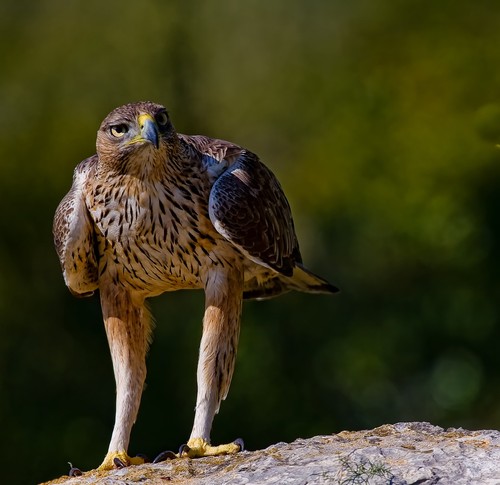
Bonelli's Eagle
Body 65–72 cm (26–28 in); wingspan 150–180 cm (59–71 in)
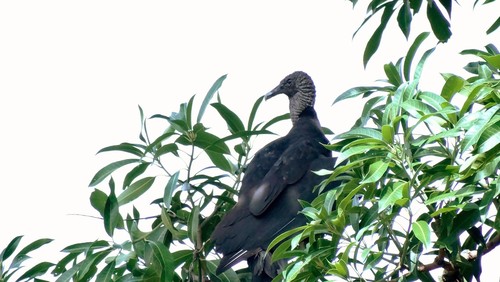
Black Vulture
56-68 cm (22-27 in) long, 137-165 cm wingspan
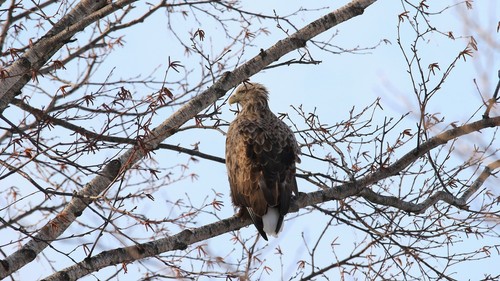
White-tailed Eagle
66-94 cm body length; wingspan 178-245 cm, among the largest eagles in the world
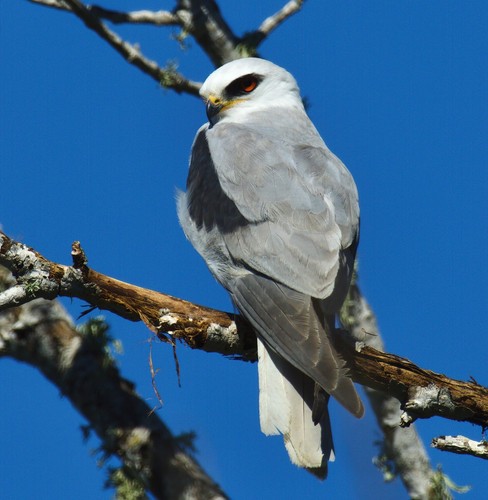
White-tailed Kite
35-43 cm (14-17 in) long, 88-102 cm (35-40 in) wingspan
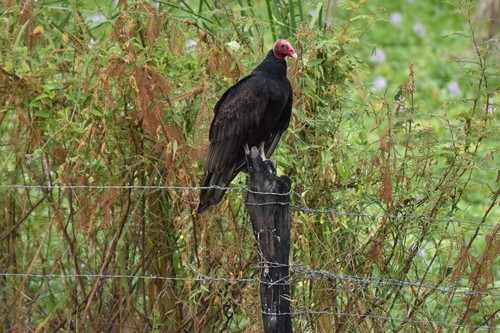
Turkey Vulture
64-81 cm (25-32 in) long, 160-183 cm wingspan
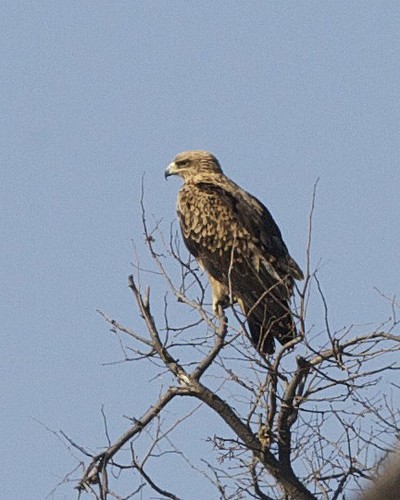
Tawny Eagle
62–75 cm long; wingspan 1.65–2.0 m
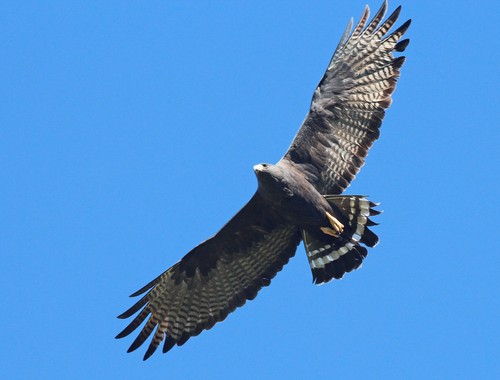
Zone-tailed Hawk
46-56 cm (18-22 in) long, 118-140 cm (46-55 in) wingspan
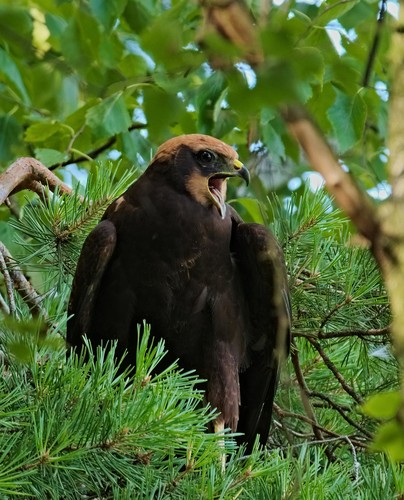
Western Marsh Harrier
Body 43-56 cm; wingspan 115-140 cm
Swallow-tailed Kite
48-68 cm (19-27 in) long including tail streamers, 112-136 cm (44-54 in) wingspan
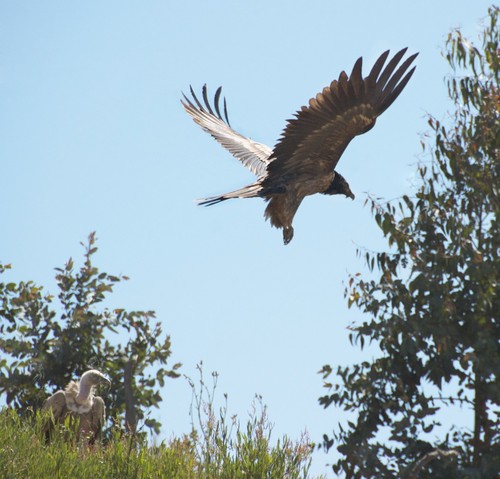
White-backed Vulture
78-98 cm long, wingspan 1.96-2.25 m
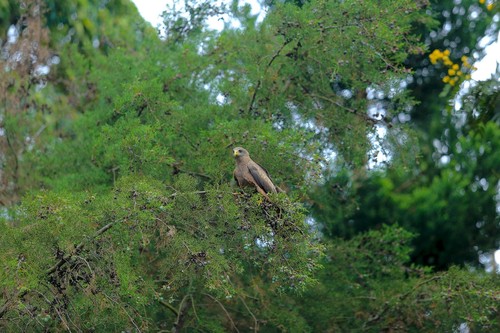
Yellow-billed Kite
55-60 cm long; wingspan 130-155 cm
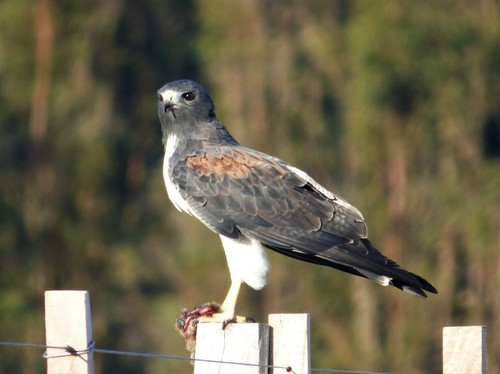
White-tailed Hawk
46-59 cm (18-23 in) long, 122-142 cm (48-56 in) wingspan