
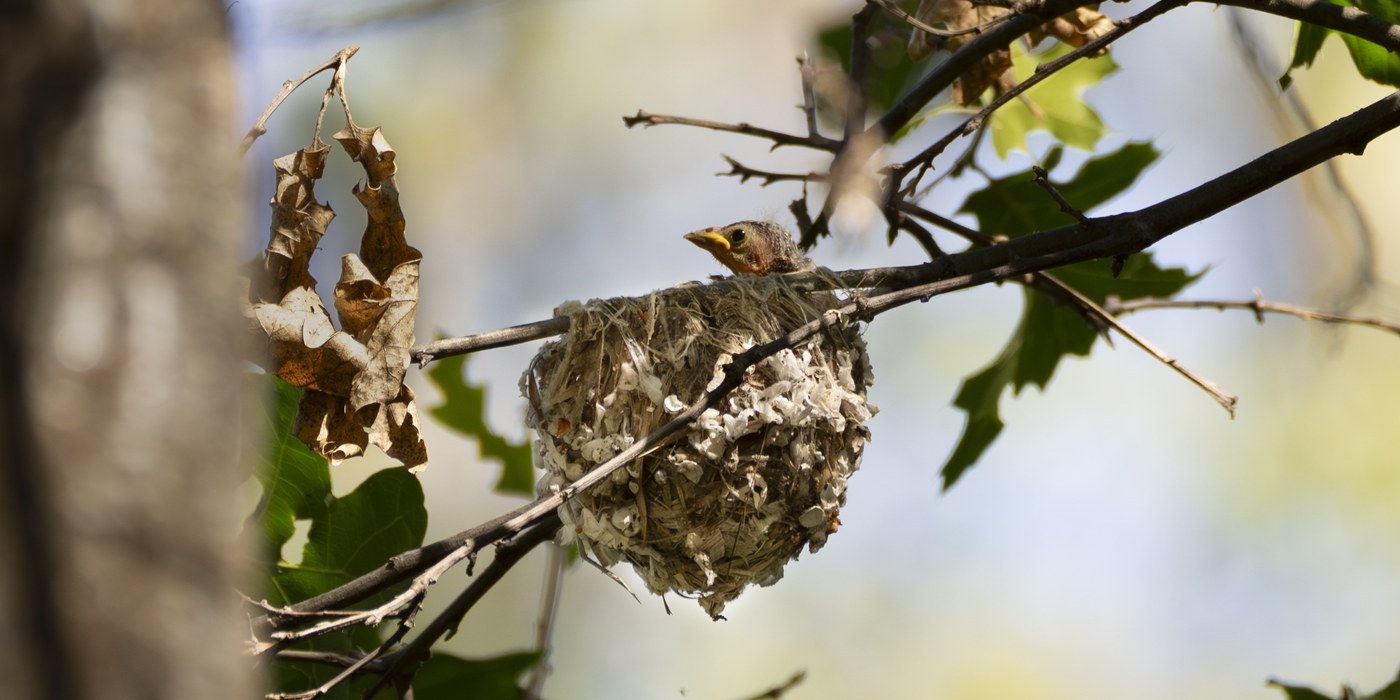
Cassin's Vireo
Vireo cassinii
A western vireo with a subdued gray-green head, white spectacles, and pale yellow flanks, once lumped with Blue-headed and Plumbeous Vireo as the 'Solitary Vireo.'
- Size
- 12-14 cm (5-5.5 in) long, 21-24 cm wingspan
- Habitat
- coniferous and mixed woodlands of the western United States
- Type
- songbird
Spotted a bird like this?
Identify any bird from a photo, free.
Overview
Cassin's Vireo is a western counterpart of the Blue-headed Vireo, sharing the same basic pattern of white spectacles, olive back, and wing bars, but with muted, less contrasty coloring—a grayer-green head that blends more gradually into the back and throat rather than standing out sharply. The underparts are whitish with a pale yellowish wash on the flanks.
It was split from the former "Solitary Vireo" complex along with Blue-headed and Plumbeous Vireos in 1997, based on differences in plumage, voice, and range; Cassin's occupies the Pacific states and parts of the interior West.
How to identify it
Key field marks
- Gray-green head blending into the olive back (less contrast than Blue-headed Vireo)
- Bold white spectacles
- Whitish underparts with pale yellow flanks
- Two white wing bars
Similar species
- Blue-headed Vireo: bluer, more contrasty head sharply set off from a white throat; mainly eastern range.
- Plumbeous Vireo: entirely gray, lacking olive or yellow tones; interior Southwest range.
- Hutton's Vireo: smaller, plainer, resident in similar western woodlands but lacks the crisp spectacled pattern's contrast and has a thinner bill.
Habitat & range
Range and habitat
Cassin's Vireo breeds in coniferous and mixed woodlands of the Pacific states and parts of the interior western US and southwestern Canada, from lowland Douglas-fir forest to montane pine-oak woodland.
Migration
Most populations migrate to winter in Mexico, though a few individuals linger along the Pacific coast in mild winters.
Behavior & voice
Behavior
Forages deliberately in the mid- to upper canopy of conifers and oaks, gleaning insects from needles and leaves.
Voice
A slow, burry, warbled series of short phrases similar to Blue-headed Vireo's song but often slightly harsher or more hurried.
Feeding
Insects and caterpillars during the breeding season, supplemented with berries in fall and winter.
Nesting and breeding
Builds a hanging cup nest suspended from a forked branch in a conifer or oak. The female incubates 3-5 eggs for about 2 weeks.
Frequently asked questions
How is Cassin's Vireo different from Blue-headed Vireo?
Cassin's Vireo has a duller, grayer-green head that blends more gradually into the back, while Blue-headed Vireo has a bluer head that contrasts sharply with a white throat; the two also have largely separate breeding ranges (west vs. east).
Where does Cassin's Vireo live?
It breeds in coniferous and mixed woodlands across the Pacific states and parts of the interior western United States and southwestern Canada.
Was Cassin's Vireo once considered the same species as Blue-headed Vireo?
Yes, all three—Cassin's, Blue-headed, and Plumbeous—were once lumped as the 'Solitary Vireo' before being split into separate species in 1997.
What does Cassin's Vireo eat?
Mainly insects and caterpillars gleaned from foliage, with berries added to the diet outside the breeding season.
Cassin's Vireo guides
In-depth guides for identifying, finding, and understanding Cassin's Vireo.
Other birds you may enjoy
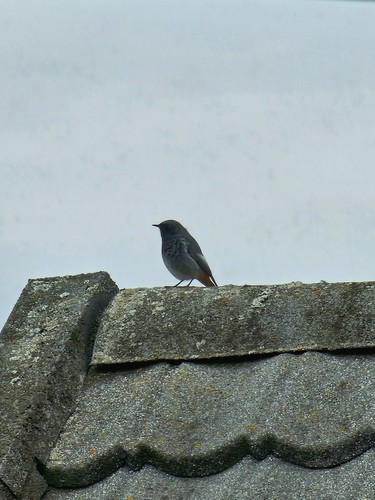
Black Redstart
13-14.5 cm (5.1-5.7 in) long, 23-26 cm wingspan
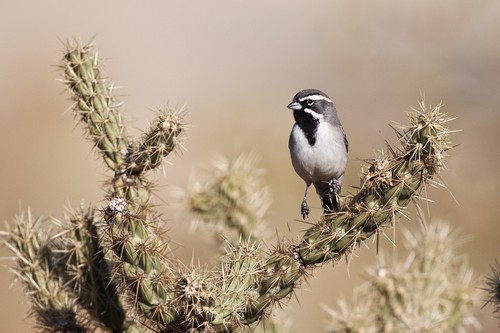
Black-throated Sparrow
12-14 cm (4.7-5.5 in) long, about 19-20 cm (7.5-8 in) wingspan
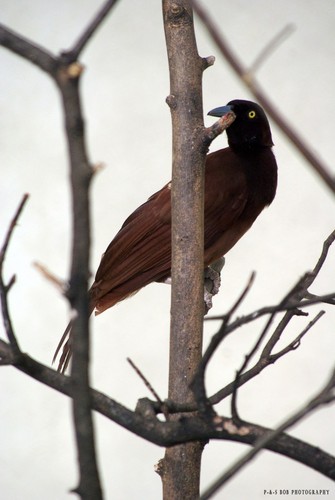
Greater Bird-of-paradise
Body about 43 cm; males with additional flank plumes up to 50 cm and long tail wires
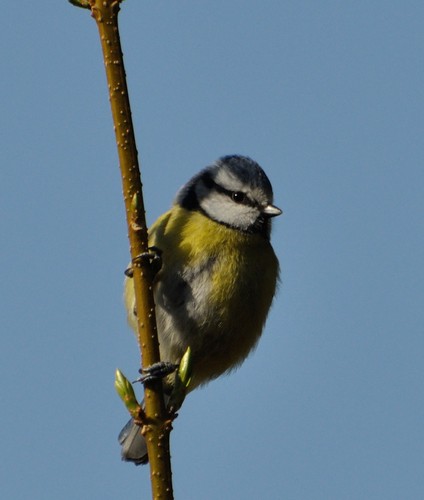
Blue Tit
11-12 cm (4.3-4.7 in) long, 17-20 cm wingspan
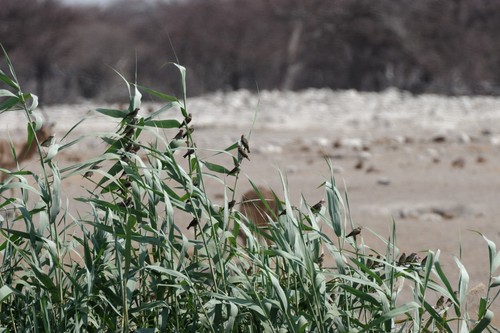
Red-billed Quelea
11.5–13 cm long, wingspan about 20–22 cm
White-plumed Antbird
13-14 cm (5-5.5 in) long
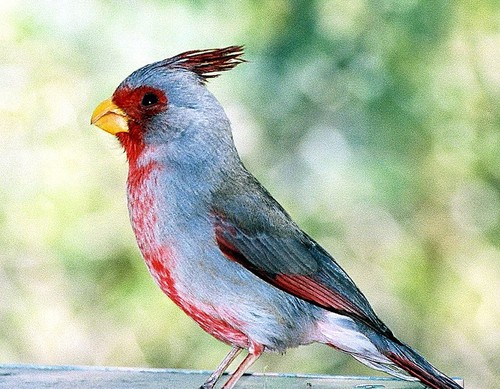
Pyrrhuloxia
19-22 cm (7.5-8.7 in) long, 30 cm wingspan
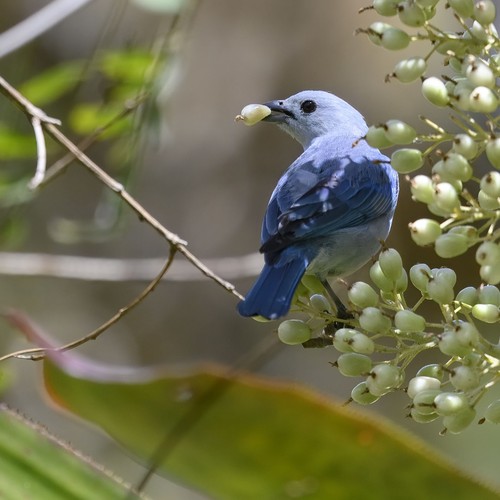
Blue-gray Tanager
16-18 cm (6-7 in) long
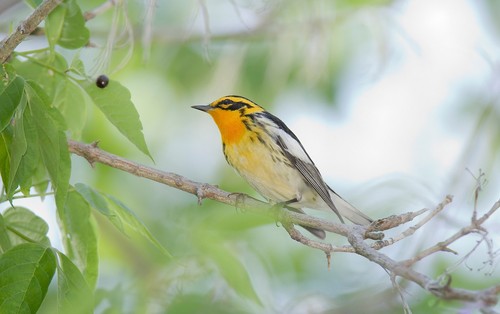
Blackburnian Warbler
11-13 cm (4.3-5.1 in) long, 20-22 cm wingspan
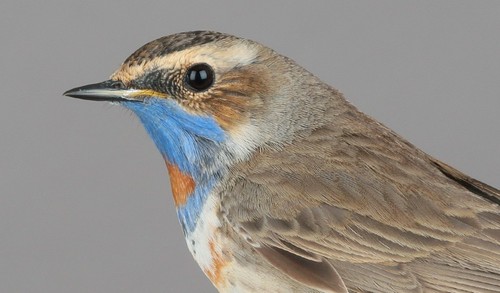
Bluethroat
13-14 cm (5.1-5.5 in) long, 20-22 cm wingspan
Eurasian Nuthatch
12-14.5 cm (4.7-5.7 in) long, 22.5-27 cm wingspan
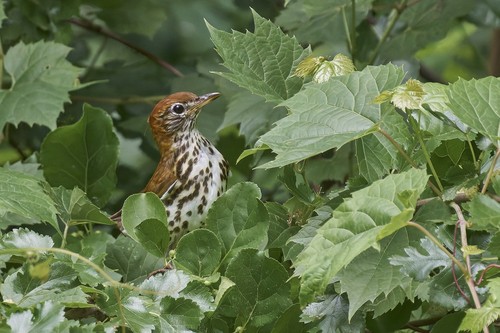
Wood Thrush
19-21 cm (7.5-8.3 in) long, about 33 cm (13 in) wingspan