
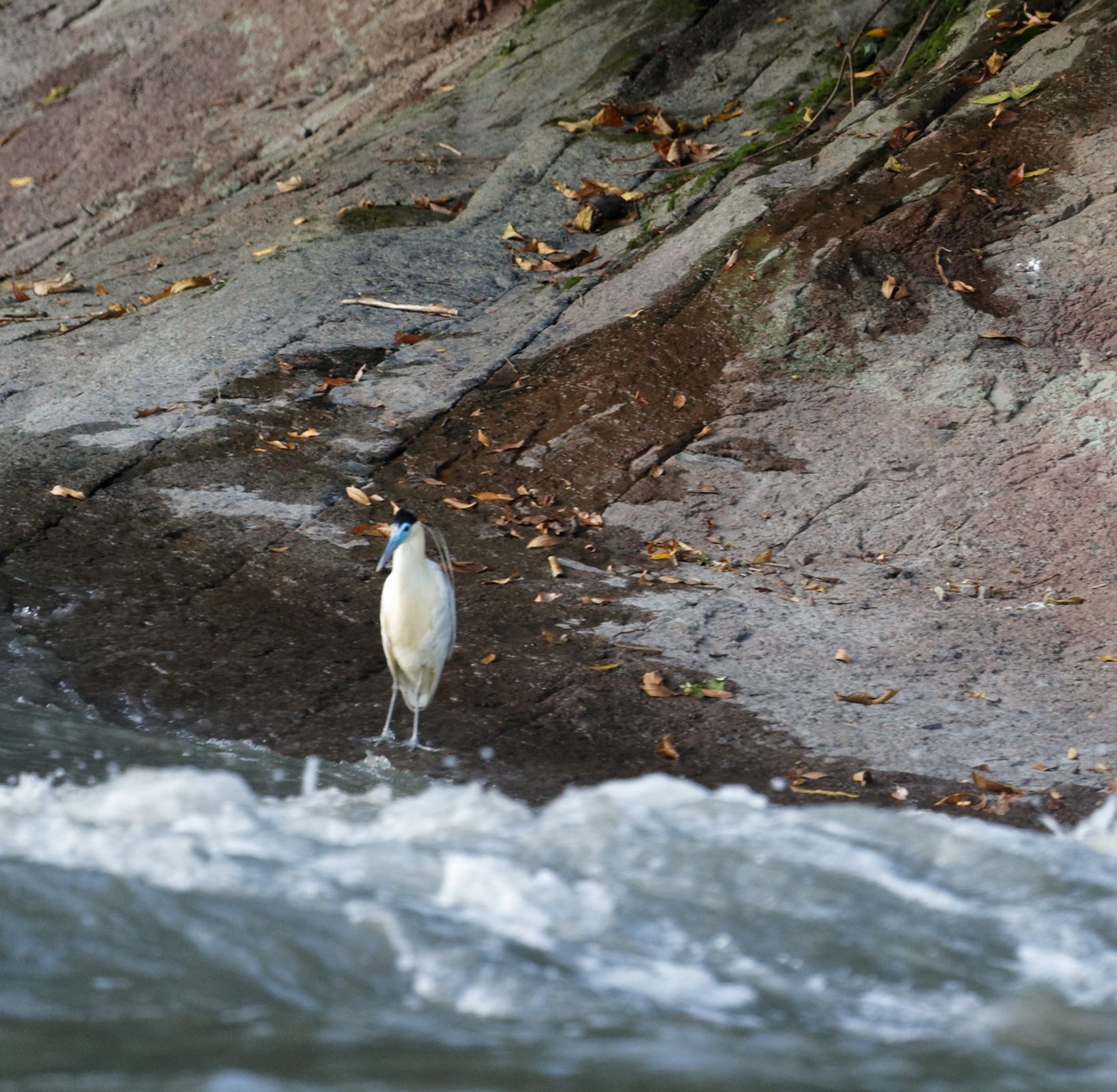
Capped Heron
Pilherodius pileatus
A pale, elegant heron with a black cap, blue facial skin, and creamy-buff plumage found around South American wetlands.
- Size
- 51-56 cm (20-22 in) long
- Habitat
- freshwater marshes, lagoons, and slow rivers
- Type
- wading-bird
Spotted a bird like this?
Identify any bird from a photo, free.
Overview
The Capped Heron is a distinctive and elegant medium-sized heron, easily told apart from other herons by its pale, creamy-buff to whitish body, contrasting glossy black cap, and vivid blue bare facial skin. Long white plumes trail from the back of the crown, adding to its striking appearance. Its bill is yellow, and overall the bird has a soft, pastel look quite different from the grays, whites, and blacks typical of most heron species.
How to identify it
Key field marks
- Pale creamy-buff to whitish body plumage.
- Glossy black cap with long trailing white head plumes.
- Vivid blue bare skin on the face.
- Yellow bill.
Similar species
No other Neotropical heron combines a black cap with blue facial skin and pale buffy body plumage, making the Capped Heron essentially unmistakable when seen well.
Habitat & range
Capped Herons frequent freshwater marshes, lagoons, oxbow lakes, and slow-moving rivers, typically in lowland tropical settings. The species ranges through much of South America east of the Andes, from Colombia and Venezuela through the Amazon basin to Bolivia, Paraguay, and northern Argentina, with a small presence in eastern Panama. It is generally uncommon to locally fairly common and largely resident, sometimes making local movements tied to water levels.
Behavior & voice
Voice
Generally quiet; occasional low guttural croaks or grunts, typical of herons, given mainly near the nest or when disturbed.
Feeding
Capped Herons hunt by standing still or walking slowly at the water's edge, striking quickly to catch fish, amphibians, and aquatic invertebrates, in a manner typical of many heron species.
Nesting and breeding
The species nests solitarily rather than in large mixed-species heron colonies typical of many relatives, building a stick platform nest in a tree near water. Both parents are believed to share incubation and chick-rearing duties.
Frequently asked questions
What makes the Capped Heron distinctive?
Its pale creamy body plumage combined with a glossy black cap and vivid blue facial skin set it apart from all other herons.
Where is the Capped Heron found?
Around freshwater wetlands in South America, from Colombia and Venezuela through the Amazon basin to northern Argentina.
Does the Capped Heron nest in colonies?
No, unlike many herons it typically nests solitarily rather than in large mixed colonies.
What does a Capped Heron eat?
Fish, amphibians, and aquatic invertebrates caught by stalking or standing still at the water's edge.
Capped Heron guides
In-depth guides for identifying, finding, and understanding Capped Heron.
Other birds you may enjoy
Demoiselle Crane
85-100 cm (33-39 in) long, 155-180 cm wingspan
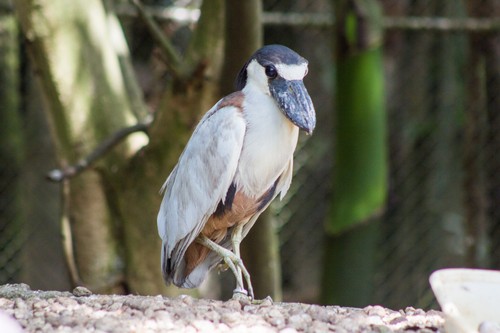
Boat-billed Heron
41-56 cm (16-22 in) long
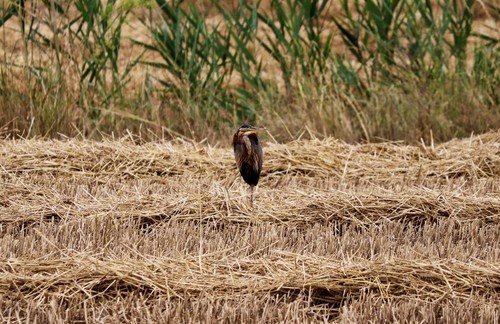
Purple Heron
78-90 cm (31-35 in) long, 120-152 cm wingspan
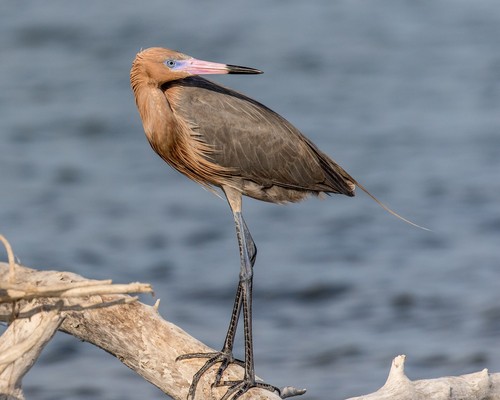
Reddish Egret
68-82 cm (27-32 in) long, 116-125 cm wingspan
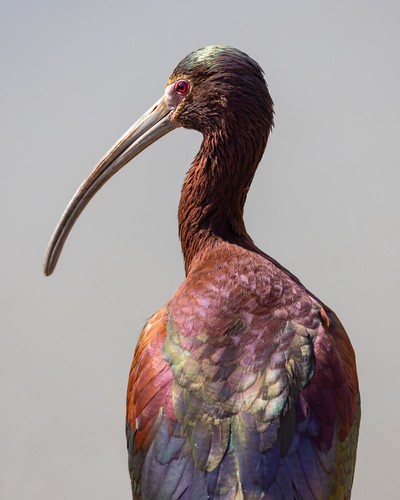
White-faced Ibis
46-56 cm (18-22 in) long, 88-93 cm wingspan
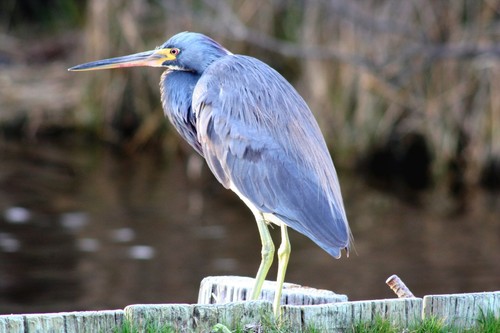
Tricolored Heron
61-76 cm (24-30 in) long, about 96 cm wingspan
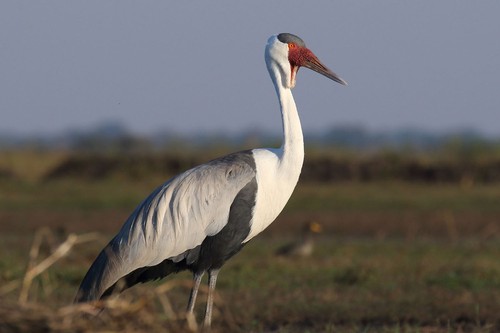
Wattled Crane
120-175 cm (47-69 in) tall, one of the tallest cranes, wingspan up to about 230 cm (7.5 ft)
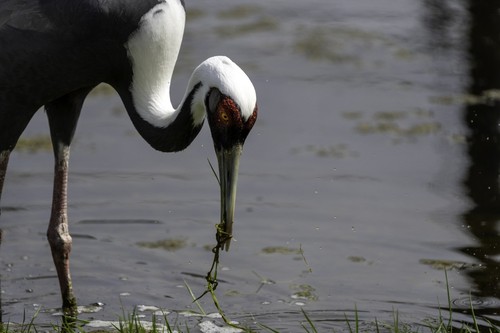
White-naped Crane
112-125 cm (44-49 in) long, 195-210 cm wingspan
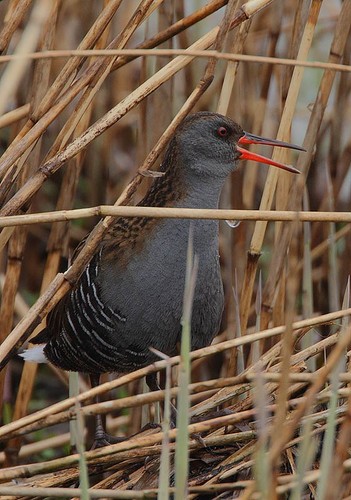
Water Rail
23-28 cm (9-11 in) long, wingspan 38-45 cm
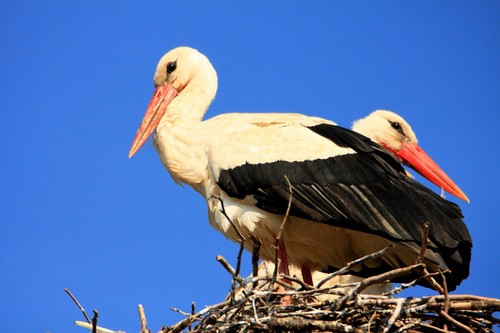
White Stork
100-125 cm (39-49 in) long, 155-215 cm wingspan
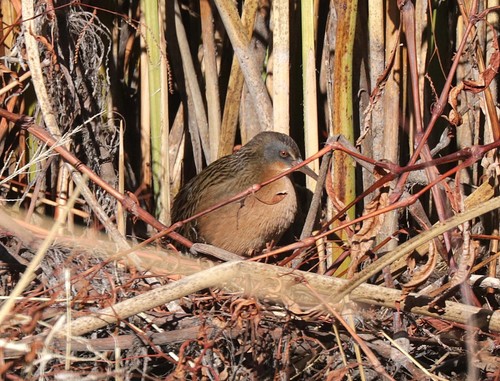
Virginia Rail
20-27 cm (8-11 in) long, wingspan 32-38 cm
Wattled Jacana
17-23 cm (7-9 in) long